


Updated 5 months ago
What precautions should be taken when moving and installing laboratory equipment?

Admin
What precautions should be taken when moving and installing laboratory equipment?
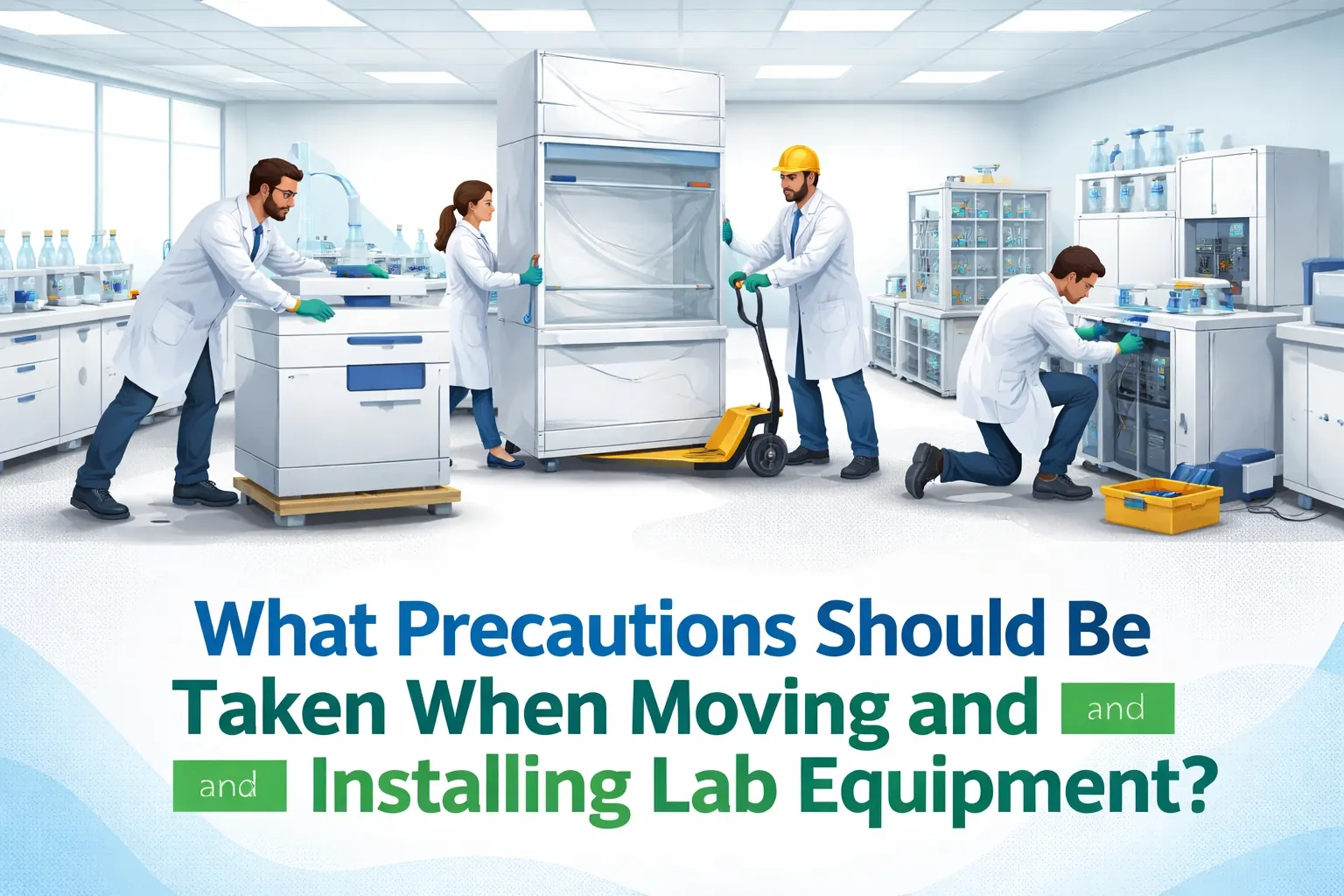
The process of transporting and installing laboratory equipment is a very solemn activity and needs accuracy, the safety and planning of the activity. Laboratories are packed with sensitive equipment, delicate instruments and chemicals that need to be given the highest level of care to avoid accidents or damage of the equipment. The process of moving equipment either in the same building, to a new location or installing new facilities should be done with care to ensure safety, functionality as well as adherence to regulatory standards. This blog post provides the precautions which are required to move and install laboratory equipment safely.
1. Pre-Move Planning and Preparation
Before moving any laboratory equipment, comprehensive planning is essential. The process begins with identifying the equipment that needs to be moved and understanding its weight, size, and fragility. Each piece of equipment may have unique requirements regarding transportation and installation.
Key Steps:
- Inventory and Documentation: Make a detailed list of all the equipment being moved, including specifications, serial numbers, and any maintenance logs. Documentation helps track items during the move and ensures that everything is in place after installation.
- Assess Special Requirements: Certain equipment, such as fume hoods, analytical instruments, or high-voltage machines, may have specific moving and installation requirements. For instance, some equipment may require disassembly before moving, while others must be moved with particular temperature or humidity controls.
2. Choosing the Right Moving Method
Laboratory equipment is frequently bulky, heavy and delicate. The selection of the appropriate means of transportation is very important in order to avoid damages in the move. Depending on the equipment, it might require packing, shipping or moving with certain vehicles or professional movers.
Key Steps:
- Packaging: Protective packaging is essential when moving laboratory equipment. Use shock-absorbent materials such as bubble wrap, foam, or specialized containers. Be sure to pack fragile equipment like glassware or delicate electronics in materials that can minimize movement and absorb impact.
- Transport Considerations: Depending on the size and nature of the equipment, professional laboratory movers may be required. These movers are experienced in handling sensitive equipment and can ensure that the equipment is transported with care. For large instruments, such as microscopes or centrifuges, special lifting tools may be needed.
3. Safety Precautions During the Move
There are various hazards present in laboratories and may be risky during a move. Chemicals, gases, and electrical parts may pose a danger in the event they are not addressed well during the relocation. Consequently, safety measures are a must.
Key Steps:
- Chemical Safety: Before moving any chemicals, ensure they are properly labeled, stored, and secured. Hazardous chemicals should be transported in accordance with relevant safety standards (such as OSHA regulations or local laws). Ensure containers are tightly sealed and marked clearly to prevent accidental exposure or spills.
- Electrical Safety: For equipment that is electrically powered, such as centrifuges, microscopes, or fume hoods, disconnect all electrical connections before moving them. Electrical components should be covered with insulated materials to avoid short circuits or electrical accidents.
- Ergonomics: Many pieces of laboratory equipment are heavy, and improper lifting or movement can lead to injury. Ensure that team members are trained on proper lifting techniques or use mechanical lifting equipment (e.g., forklifts or hoists) to assist with moving bulky items.
4. Installing the Equipment
After successfully transporting your laboratory equipment to your new location, it is now time to install the equipment. When the equipment is installed properly, it will be safe and work correctly.
Key Steps:
- Leveling and Stability: Many laboratory instruments require precise calibration. For instruments that need to be leveled, use a bubble level or electronic leveling tool to ensure accuracy. An unstable instrument can lead to inaccurate readings or operational failure.
- Electrical and Plumbing Connections: For equipment that requires electrical power, gas, or water connections (e.g., autoclaves, water baths, or refrigerators), ensure that the installation site has the proper connections available. Hire qualified personnel for installing electrical or plumbing connections to meet safety codes and standards.
- Calibration and Testing: After installation, it is essential to test and calibrate the equipment before use. For example, analytical instruments like balances, spectrometers, and thermometers must be calibrated to ensure accurate readings. Follow the manufacturer's guidelines for calibration procedures.
5. Maintenance and Ongoing Care
Maintenance is also a major consideration after the equipment is installed and in operation to extend the life of the equipment and to maintain a steady performance.
Key Steps:
- Routine Inspections: Schedule regular inspections to check for any wear and tear, malfunctioning components, or environmental damage (e.g., rust, corrosion). This is particularly important for equipment exposed to moisture, chemicals, or high temperatures.
- Preventive Maintenance: Establish a preventive maintenance schedule, which includes cleaning, lubricating, and replacing worn parts before they cause failure. Keep records of all maintenance work to track issues and ensure compliance with regulatory requirements.
- Employee Training: Ensure that employees are trained on the proper operation and maintenance of laboratory equipment. Proper handling during use can prevent breakdowns and damage, improving the overall lifespan and functionality of the equipment.
6. Regulatory Compliance and Documentation
There are numerous laboratory facilities that are highly regulated. Adherence to industry standards is not only important to safety considerations but also legal considerations.
Key Steps:
- Compliance with Standards: Depending on the location and type of laboratory, there may be specific regulations governing the installation and use of laboratory equipment (e.g., ISO standards, OSHA requirements). Be sure to research and follow these regulations during the move and installation process.
- Documentation: Keep all documentation related to the move, installation, and calibration. This includes moving contracts, packing lists, installation manuals, and calibration certificates. This documentation is crucial for audits, inspections, and insurance purposes.
7. Conclusion
The process of relocation and installation of laboratory equipment needs to be planned with care and safety, and attention to detail. Using the correct precautions, including selecting the appropriate moving method, making sure your process is safe and meeting the requirements of the regulations, you will be able to save your valuable equipment and make sure it will continue to operate well in the years to come.
Having all the equipment installed and maintained correctly will not only assist in avoiding expensive repair, but it will benefit the quality, efficiency and accuracy of laboratory work. Always bear in mind that transportation of laboratory equipment is not only about physical transportation, but also about making a safe and functional place where innovation and scientific advancement can take place.
These steps will help you make sure that your laboratory is a safe and productive place to be in, when either transitioning to a new location or improving your existing one.