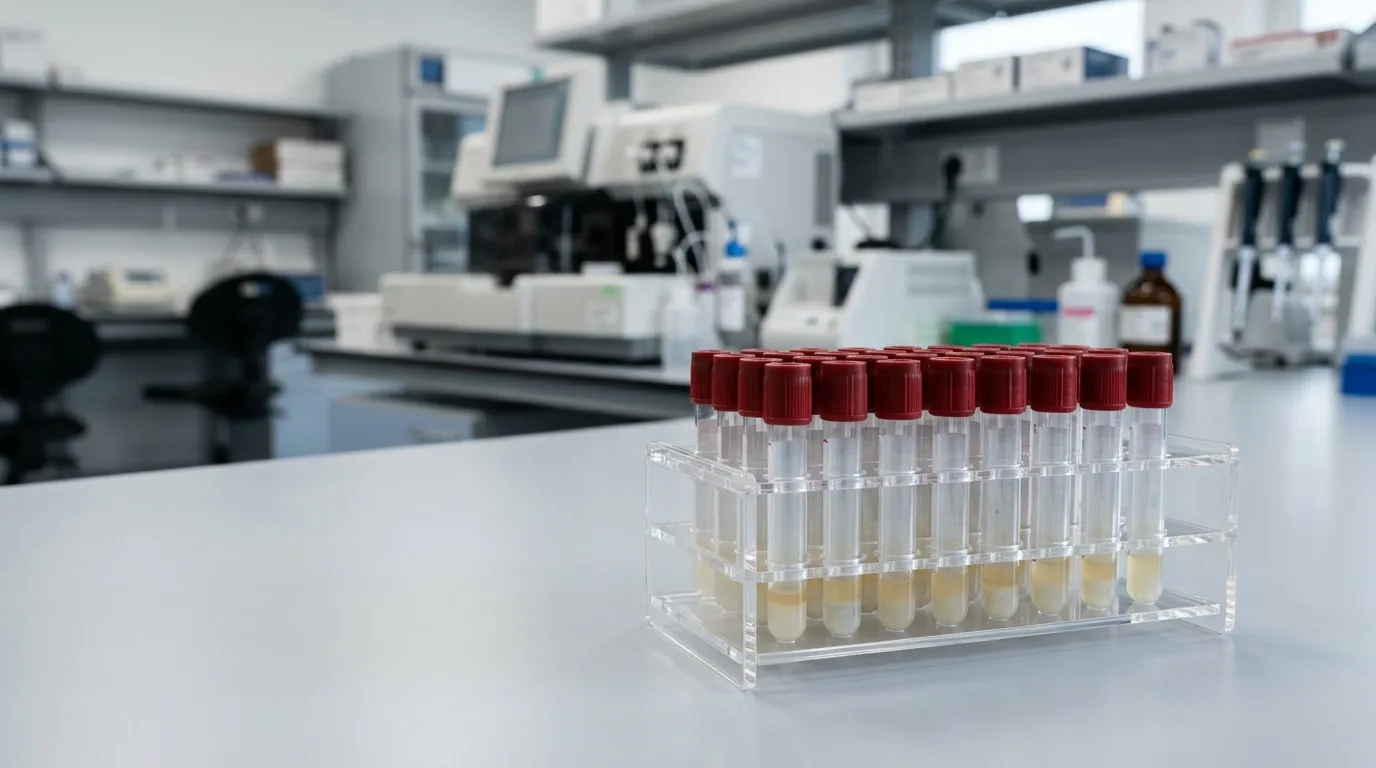





What is a Blood Collection System and how does it work?
In contemporary healthcare, proper diagnosis is initiated by proper sample collection. The blood collection system is one of the most important instruments in this process. In hospitals, diagnostic laboratories or clinics, these systems are essential to the safe, efficient and contamination-free blood sampling. In this paper, we are going to discuss what a blood collection system is, what it consists of, how it functions, and why it is important to both medical personnel and patients.
What Is the Blood Collection System?
A blood collection system refers to a combination of medical equipment aimed at drawing, collecting and preserving blood samples to be analyzed in the laboratory. Such systems are designed to reduce contamination, sample integrity, and safeguard patients and healthcare providers against possible risks including infections or needle-stick injuries.
Blood collection systems find extensive application in routine blood testing, disease diagnosis, therapeutic follow-up and blood donation. They play a critical role in diagnosing such diseases as diabetes, infections, anemia, and several other health conditions.
Basic Elements of a Blood Collection System.
The standard blood collection system is made up of a number of interrelated parts that operate in perfect harmony with each other:
1. Needles
The vein is punctured using sterile needles to extract blood. They are made sharp and accurate to cause minimum discomfort and tissue damage. In numerous contemporary systems, the risk of accidentally injured individuals is minimized by using safety-engineered needles.
2. Collection Tubes
They are vacuum-packed tubes that receive the blood directly off the needle. Depending on the kind of test needed, each tube could have certain additives like anticoagulants, clot activators or preservatives.
Types of tubes used are common such as:
· EDTA tubes (hepatology tests)
· Separator tubes (biochemistry serum)
· Heparin tubes (to analyze the plasma)
3. Tube Holders (Adapters)
The holder connects the needle to the collection tube. It enables several tubes to be filled at once during a given venipuncture and hence it is more efficient.
4. Tourniquet
A tourniquet is applied to temporarily limit the blood flow, which causes veins to be more visible and accessible.
5. Alcohol Swabs and Disinfectants.
They are applied to clean the point of puncture to avoid infection.
6. Labels and Documentation
The correct labeling of samples would make sure that every sample is properly identified and monitored during diagnostic procedure.
What is the Work of a Blood Collection System?
Blood collection, or venipuncture, is a standardized procedure to guarantee the safety and accuracy of blood collection:
Step 1: Patient Preparation
The medical worker checks the identity of the patient and provides the process description. The patient is laid in a comfortable position, typically seated or lying.
Step 2: Vein Selection
An appropriate vein, preferably in the arm (median cubital vein), is chosen. A tourniquet is used to inflame the vein.
Step 3: Site Cleaning
To minimize chances of infection, the puncture point is disinfected with an alcohol swab.
Step 4: Needle Insertion
The needle is placed in the vein at a regulated angle. As soon as the vein is reached, blood starts flowing.
Step 5: Blood Collection
Vacuum tubes are attached to the holder. The tube is automatically filled with blood by the vacuum within the tube. Several tubes may be filled consecutively without the necessity of removing the needle.
Step 6: Removal of Needles and Aftercare.
Once the necessary samples have been obtained, one removes the needle and applies pressure to the area to prevent bleeding. A bandage is applied on the puncture site.
Step 7: Sample Handling
The samples collected are labeled and forwarded to the laboratory where they are analyzed.
Types of Blood Collection Systems
Blood collection systems are of several kinds, each having a particular use:
1. Vacuum Blood Collection Systems.
These are the systems that have been most widely used. They depend on pre-evacuated tubes which automatically aspire blood. They are effective, standard and minimize chances of contamination.
2. Syringe-Based Systems
This technique involves manually syringe drawing of blood into collection tubes. This can be applied to patients with weak veins.
3. Winged Infusion Sets (Butterfly Needles)
These are applied to patients who have small or hard veins like children or old people. They are more controlled and precise.
4. Capillary Blood Collection Systems.
These systems are used in fingerstick or heelstick sampling and are appropriate in small-volume collection of blood, e.g. in glucose testing.
The Benefits of Contemporary Blood Collection Systems.
The blood collection systems of today have many advantages:
· Better Safety: Safety needles minimize needle-stick injuries.
· Less Contamination: Closed systems reduce contacts with external contaminants.
· Increased Efficiency: It is possible to collect several samples in a short time.
· Increased Quality of Samples: Sampling is correct and the results of the test are proper with proper additives.
· Comfort to the Patient: Advanced designs reduce pain and discomfort.
Significance in Healthcare and Diagnostics.
Modern medicine is based on blood collection systems. Proper blood sampling is essential because it is important to:
· Early disease detection
· Monitoring chronic conditions
· Evaluating organ function
· Guiding treatment decisions
Laboratory results would be invalid without effective blood collection procedures, and wrong diagnosis or treatment may be provided.
Safe Blood Collection Best Practices.
Precautions to be observed by healthcare professionals are as follows:
· Always make sure that the equipment used is sterile and single-use.
· Follow proper labeling procedures
· Sharps should be disposed of in sharps containers.
· Wear personal protective equipment (PPE)
· Follow general infection control measures.
Tends of the Future in Blood Collection Systems.
Blood collection is an area that is undergoing evolution including:
· Pain and anxiety reducing devices that are needle-free.
· Technologies that are using smaller volumes of blood through micro-sampling.
· Automation and computer monitoring to enhance sample management.
· Green materials to cut down medical waste.
These developments are intended to improve patient experience and also to make diagnoses more accurate.
Conclusion
Blood collection system is one of the key elements of health infrastructure as it allows proper and safe collection of blood to be used in the diagnostic process. Needles and tubes, to hi-tech safety features, all these are essential in making sure the results are reliable.
The knowledge of how these systems operate does not only emphasise their importance, but also the necessity of using them correctly and ensuring that there is constant innovation. With the development of medical technology, the blood collection systems will be enhanced further, diagnostics will become safer, faster, and more efficient to everyone.