


Home /

Mastering Venipuncture: A Guide to Blood Collection
Venipuncture, the process of pulling blood from a vein, is a basic skill in health care. Technical accuracy and the knowledge of anatomy play a crucial role in success along with compassionate care. This guide shall describe the necessary steps and good practices on how to collect blood.
The Critical First Steps: Preparation
Correctly setting up is critical for the safe, successful procedure. A tourniquet, alcohol swabs, use of proper blood collection tubes, safety engineered needle, gauze and bandage are important pieces of equipment. Engage in proper identification of the patient with two identifiers before starting any work.
The preferred site is the median cubital vein of the antecubital area. Apply tourniquet 3-4" above site - use for a max of 2 minutes, as veins become more prominent. Alcohol and allow to air dry.
Core Procedure: A Step-by-Step Guide
-
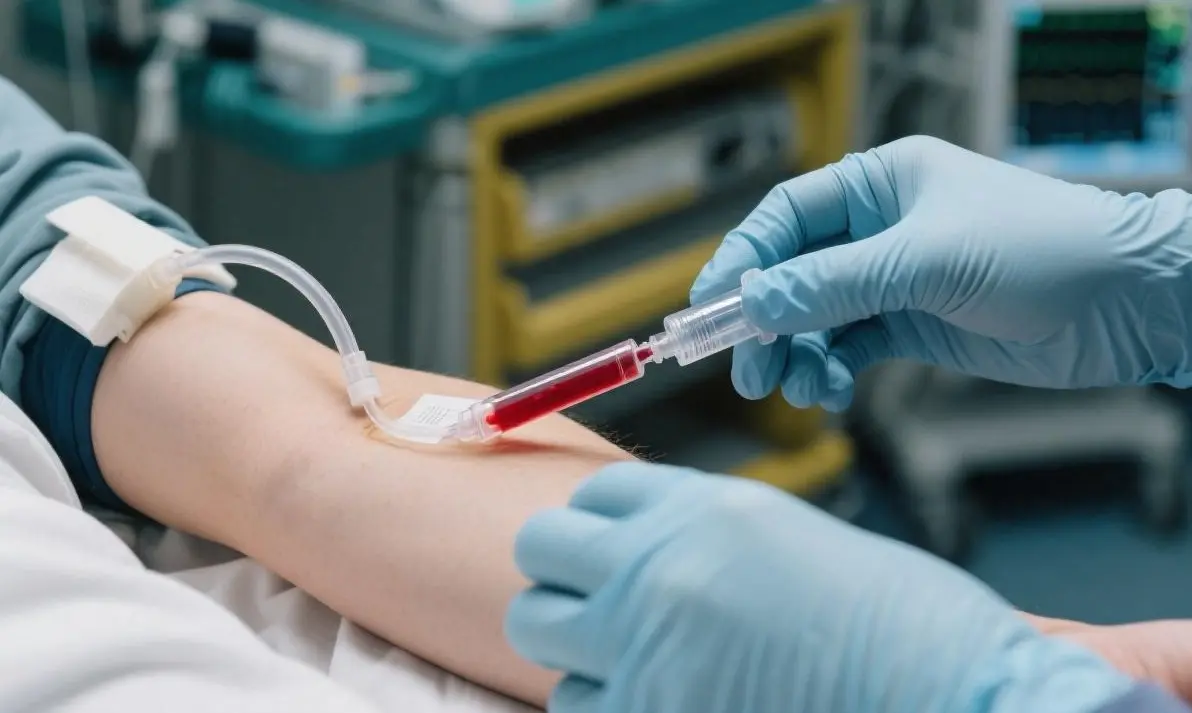
Anchoring and Insertion: Anchor the vein below the puncture site with your thumb. Insert the needle, bevel up, at a 15-30 degree angle.
-
Collecting Blood: Attach tubes in the correct "order of draw" to prevent cross-contamination: Blood Culture → Light Blue (Coagulation) → Red/Gold → Green → Purple → Gray. Release the tourniquet once blood flows.
-
Completion: Remove the needle smoothly and apply immediate pressure with gauze. Have the patient keep their arm straight and maintain pressure for 3-5 minutes.
Special Techniques for Challenging Situations
-
Butterfly Needles: Ideal for small, fragile, or difficult veins (e.g., in pediatric or elderly patients), offering greater control.
-
Difficult Access: For challenging veins, use warm compresses, have the patient gently open and close their fist, or consider a blood pressure cuff. Do not attempt more than twice before seeking assistance.
Preventing and Managing Complications
-
Hematoma (Bruising): The most common issue. Prevent it by applying adequate pressure after needle removal. If a bruise forms, apply cold compresses initially.
-
Other Risks: Avoid probing with the needle to prevent nerve injury. Ensure the patient is seated to manage fainting (syncope).
Essential Best Practices for Quality
-
Labeling: Immediately label each tube with the patient's name, ID, date, time, and your initials.
-
Safety: Adhere to standard precautions: wear gloves, perform hand hygiene, and dispose of needles directly into a sharps container without recapping.
-
Skill Maintenance: Regular competency assessment and continuing education are crucial for maintaining proficiency.
Conclusion
Venipuncture skills require both correct technique and "procepting" or patienthood. The careful preparation, accurate performance, and attentive follow-up by healthcare providers help to ensure that the samples are diagnostic and the patient experience is positive. The skill remains as an important aspect of effective clinical care.