



Hepatitis B HBsAg Test
Hepatitis B is a serious health problem that impacts millions of people across the world. It is important to detect the presence of the virus early so it cannot spread and complications related to the liver can be controlled. The Hepatitis B Surface Antigen (HBsAg) test is one of the most useful diagnostic tests to detect the presence of Hepatitis B infection. This detailed article will discuss the significance of HBsAg testing, testing procedures, interpretation of results, and the advantages of timely diagnosis.
What is Hepatitis B?
Hepatitis B is a liver disease caused by a virus. It is caused by Hepatitis B virus (HBV) that may result in acute and chronic liver disease. A chronic infection can lead to significant problems, such as cirrhosis and liver cancer. World health statistics reveal that more than 296 million people suffer from chronic hepatitis B infection, many of whom are in Asia, Africa and the Pacific Islands. This is why early detection and effective management is crucial.
Understanding the HBsAg Test
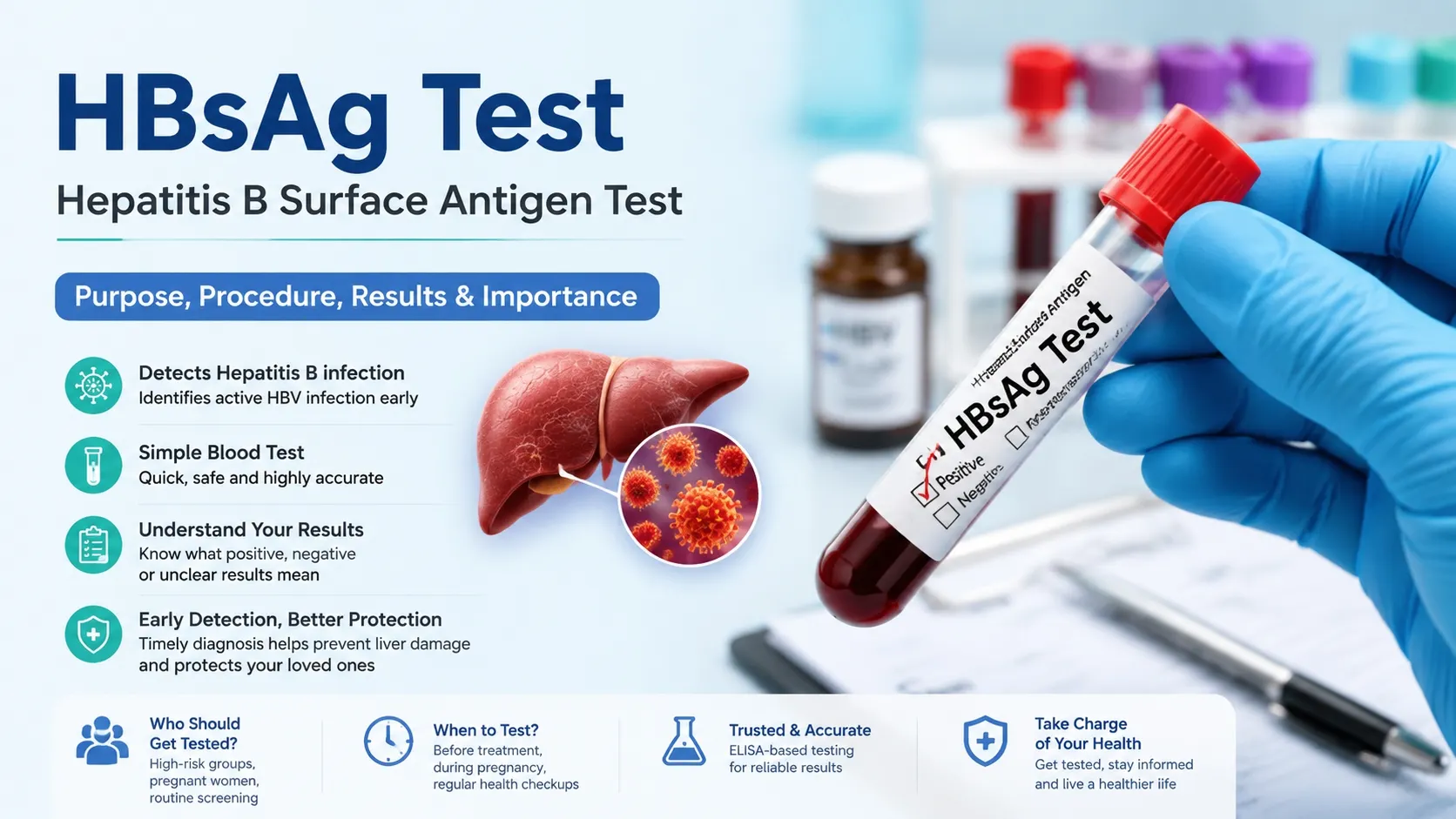
Hepatitis B Surface Antigen (HBsAg) is a blood test which detects the presence of the surface antigen of the hepatitis B virus. Surface antigen - a protein located on the surface of the virus and the presence of this protein means that the infection is active. This test is regarded as one of the most reliable tests for the diagnosis of acute and chronic hepatitis B infections.
Why HBsAg Testing is Important
- Early Detection: Identifying hepatitis B at an early stage can prevent severe liver damage and improve treatment outcomes.
- Preventing Transmission: People who test positive for HBsAg can take precautions to prevent spreading the virus to others.
- Monitoring Chronic Infection: For individuals with chronic hepatitis B, regular HBsAg testing helps track the progression of the disease.
- Guiding Vaccination and Treatment: Knowing your HBsAg status allows healthcare providers to recommend vaccination for non-infected individuals or initiate antiviral therapy for those infected.
Who Should Take the HBsAg Test?
Certain groups are at a higher risk of hepatitis B infection and should consider regular HBsAg testing:
- Newborns of HBV-positive mothers
- Healthcare workers and laboratory personnel
- People with multiple sexual partners or a history of sexually transmitted infections
- Individuals who use intravenous drugs
- Patients requiring immunosuppressive therapy
- Individuals with a family history of hepatitis B
Early testing can significantly reduce the risk of complications and transmission, particularly in high-risk populations.
How is the HBsAg Test Performed?
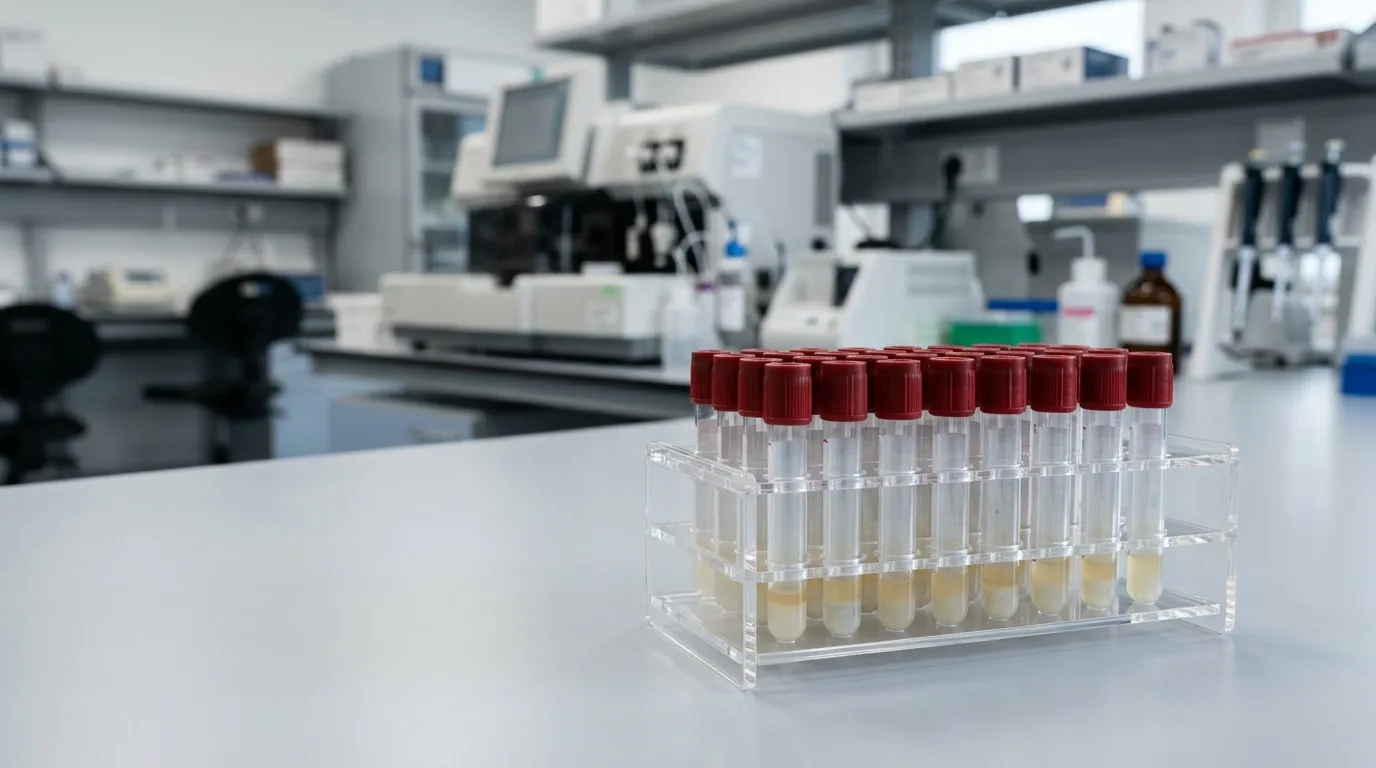
The HBsAg test is a simple blood test, usually conducted in clinics or diagnostic laboratories. Here’s the step-by-step process:
- Sample Collection: A healthcare professional draws a small amount of blood from the patient, usually from the arm.
- Laboratory Analysis: The blood sample is analyzed using immunoassay techniques to detect the presence of the hepatitis B surface antigen.
- Result Reporting: Test results are typically available within a few hours to a couple of days, depending on the laboratory and testing method used.
The test is minimally invasive and generally does not require any special preparation. Patients are advised to follow standard medical guidelines before testing, such as fasting if recommended by the healthcare provider.
Interpreting HBsAg Test Results
Understanding the results of an HBsAg test is critical for effective management:
- Positive HBsAg: Indicates an active hepatitis B infection. Additional tests, such as HBeAg, anti-HBc, and HBV DNA, may be conducted to determine the stage of infection and viral load.
- Negative HBsAg: Suggests no active infection. However, it does not rule out previous exposure or immunity. Further tests, such as anti-HBs, can confirm immunity status.
It is essential to consult a healthcare provider for a detailed interpretation of test results and appropriate follow-up actions.
Benefits of Early Hepatitis B Diagnosis
Early diagnosis of hepatitis B through the HBsAg test offers several benefits:
- Timely Treatment: Antiviral therapies can reduce the risk of liver damage and prevent complications.
- Lifestyle Adjustments: Patients can adopt liver-friendly habits, such as avoiding alcohol and maintaining a healthy diet.
- Vaccination for Contacts: Family members and close contacts can be vaccinated to prevent further transmission.
- Peace of Mind: Knowing one’s hepatitis B status allows for informed health decisions and planning.
Global Perspective: HBsAg Testing Around the World
The incidence of hepatitis B is different in different parts of the world. Hepatitis B is an endemic disease in countries such as India, China, and Sub-Saharan Africa, and therefore, testing for HBsAg is an important component of public health initiatives. To reduce the transmission of the virus, regular screening of high-risk individuals and newborns is recommended in many health care facilities.
Further, the availability and accessibility of HBsAg testing services in both urban and rural settings has been enhanced through geo-targeted health campaigns and awareness programs. Recognizing the importance of early detection and vaccination efforts, governments and healthcare providers are increasingly focused on minimizing the impact of hepatitis B on health systems.
Tips for Maintaining Liver Health
While testing is essential, maintaining liver health can further reduce the impact of hepatitis B:
- Vaccination: Ensure you are vaccinated if you are at risk or uninfected.
- Healthy Diet: Consume a balanced diet rich in fruits, vegetables, and whole grains.
- Avoid Alcohol and Toxins: Minimize exposure to substances that can harm the liver.
- Regular Checkups: Periodic liver function tests and HBsAg monitoring are crucial for at-risk individuals.
- Safe Practices: Use protection during sexual activity and avoid sharing needles or personal items that can transmit HBV.
Conclusion
By knowing the procedure and how to interpret the results, and acting swiftly, one can keep his liver healthy and prevent the spread of the virus.
Global awareness and geo-specific health initiatives have made HBsAg testing more available so people can have control over their health. Testing, vaccination and lifestyle changes continue to be the mainstay of hepatitis B prevention and management.
If you are at risk or you are a high risk group, check with your health care provider about the HBsAg test, and don't wait to take the positive steps to better liver health.