


Updated 5 months ago
Safety Blood Collection Needles: Advanced Phlebotomy Safety
sidrahafeez754
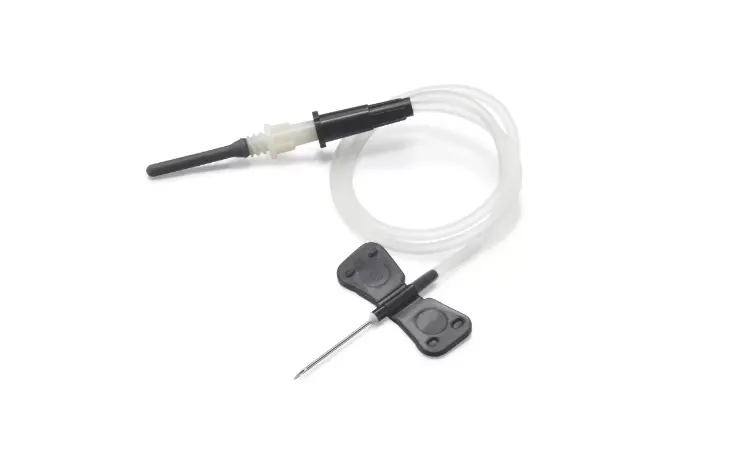
Safety Blood Collection Needles
What are Safety Blood Collection Needles?
Special equipment called safety blood collection needles is the least risky method of drawing blood because it has the lowest risk of accidental needle exposure. They have protective features such as retractable mechanisms or shielding covers in their design compared to traditional needles.
They are normally applied in:
- Hospital blood collection.
- Clinical diagnostic laboratories
- Outpatient phlebotomy services
- Emergency blood sampling.
They constitute a significant part of venipuncture safety systems and are typically used together with an evacuated tube system (ETS) or vacuum blood collection system.
Key characteristics include:
- Single-use sterile design
- Integrated safety shield.
- Vacuum tube compatibility.
- Less risk of exposure after use.
- Compliance with the OSHA regulations and health worker protection.
These features make them essential phlebotomy protective equipment in the modern healthcare environment.
Safety Blood Collection Needles: Safer Phlebotomy
Modern healthcare cannot be discussed without precision and safety. One of the most useful tools that can be used to offer this balance is Safety Blood Collection Needles, which are designed to safeguard patients and healthcare workers during the venipuncture procedure.
- They are not just any needles, but a network of safety medical devices, which are all used to enhance the accuracy, risk reduction, and workflow efficiency in the laboratories and hospitals.
- The use of safety phlebotomy devices is now mandated in blood sampling processes of clinical procedures, up to high-volume diagnostic centers. They promote needle stick injury prevention, specimen integrity during blood collection, and comply with the high standards of infection control.
The Safety Blood Collection Needles Device
The idea of safety venipuncture needles operating is based on the controlled exposure and immediate protection after use.
Most systems include:
- Retractable needle systems, which are retracted into a protective housing.
- Needle shield activation systems, in which the needle is locked after use.
- Lock safety devices in such a way that they cannot be reused or accidentally touched.
This will ensure safe sharps handling and prevent cross-contamination.
Closed Blood Draw System
These needles are used in most clinical set-ups in a closed blood draw system where the patient and the collection tube are in a closed system. This improves:
• Specimen purity
• Infection control
• Laboratory accuracy
A vacuum blood collection safety needle is applied to avoid the risks of hemolysis and to make sure that the blood collected flows easily.
Laboratory and Clinical Workflow
Safety needles are not an isolated instrument, but a part of a larger process in a hospital laboratory.
Pre-Analytical Blood Handling
It will be discussed at the pre-analytical level. Preservation is done by the use of safety needles:
• Specimen integrity in blood collection.
• Reduced contamination risk
• Accurate diagnostic results
Diagnostic Specimen Collection
The clinical venous blood sampling needles are applied in the laboratories to:
• Biochemistry testing
• Hematology analysis
• Immunology screening
These are sensitive procedures, and safety gear helps in maintaining the precision of these procedures at a given moment.
Safety and Infection Control of Blood Collection
One of the most appropriate reasons to use safety-engineered blood collection devices is infection control.
Prevention of Needle Stick Injury
The risk of being exposed is always present to healthcare workers. Safety needles have a significant impact on the reduction of:
• Needle stick injuries
• Exposure to blood-borne pathogens at work.
• Sharps-related accidents
Infection Control Protocols
Such devices enable high biosafety in phlebotomy by:
• Preventing reuse
• Reducing contamination risk
• Sharps handling in a sterile way.
They comply with safety blood needle requirements as stipulated by OSHA, and this qualifies them to fit in the international healthcare environment.
Biohazard Risk Management
The proper disposal and inherent safety can be managed:
• Biohazard exposure
• Laboratory contamination
• Cross-infection risks
Blood Collection Needles, Safety
In contemporary healthcare, different kinds of blood collection safety needles are employed, including:
Retractable Safety Blood Needles
• Needle is disposed of after use.
• The safety of healthcare personnel is high.
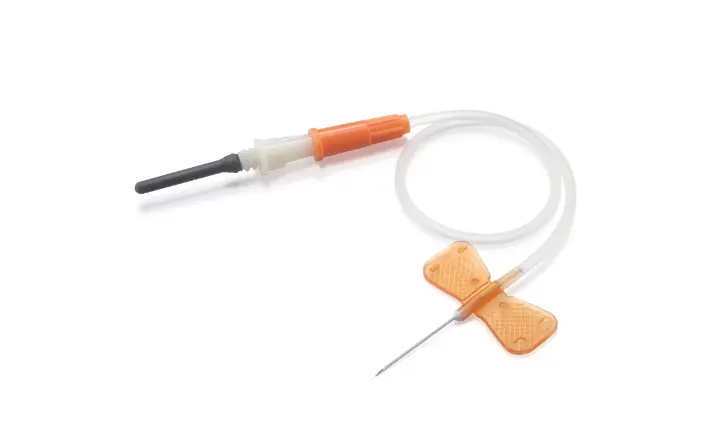
Butterfly Safety Needle Set
• Fine veins perfect.
• Typically applied in pediatrics and geriatrics.
Winged Infusion Safety Device
• Stabilizes when venipuncturing.
• Enhances the regulation in the collection.
Vacuum Tube Safety Needle System
• The evacuated tube system (ETS) operates.
• Good multi-sample collection assurances.
The types are designed to address some clinical needs of blood sampling safety.
Healthcare and Diagnostics
Medical industries are fond of safety blood needles:
- Clinical diagnostic laboratories
- Labs that receive pathology samples.
- Laboratory units of inpatient hospitals.
- Outpatient diagnostic centers
- Emergency care departments
They support:
Follow-up tests of chronic diseases.
• Routine health screenings
• Advanced diagnostic evaluations
This makes them useful medical laboratory consumables of modern healthcare.
Technical Specifications and Engineering Standards
High-quality safety phlebotomy needles are carefully designed:
Material Composition
• Medical-grade stainless steel
• Non-toxic polymer housing
• Single-use sterile container.
Gauge Variations
• 18G or 27G as needed.
Fine to Fine Veins
• Gauge up to get quickly.
Compatibility
• Evacuated tube system (ETS)
Vacuum Blood Collection Systems
• Standard needle holders
Compliance Standards
• ISO-compliant manufacturing
• OSHA safety regulations
• Infection control guidelines
These are the specifications that render the diagnostic blood collection systems standardized.
Benefits of Safety Blood Collection Needles
Safety venipuncture systems have the following advantages in hospitals:
For Healthcare Workers
• Reduced needle stick injuries.
• Improved handling safety
• Increased confidence in processes.
For Patients
• Less risky and more controlled blood draw.
• Reduced discomfort
• Faster procedure time
For Laboratories
• Improved sample accuracy
• Lower contamination rates
• Enhanced workflow efficiency
Operational Benefits
• Cost-effective long-term usage
• Reduced accident-related expenses
• Better regulatory compliance
Trustlab Blood Collection Solutions
We are the gurus in the area of supplying modern blood collection safety equipment that is dependable and inventive, and can be utilized in contemporary laboratories.
Our range supports:
• Clinical accuracy
• Hospital-grade safety
• Efficient laboratory workflows
The Trustlab products are not new to the sphere of healthcare diagnostic testing and clinical laboratory diagnostics, and the quality and safety of their products are high.
Conclusion:
Safety in healthcare is not an option, but a requirement. The use of Safety Blood Collection Needles is transforming blood collection, handling, and processing in medical centers. They reduce risks, protect healthcare workers, and ensure high-quality diagnostic outcomes with the high-level safety-engineered technology. Their integration into the contemporary venipuncture safety mechanisms is a major milestone towards clinical innovation. Upgrade your lab using quality and precision-engineered Trustlab products. Get used to the new technology of blood collection and train in the clinic today in a safer manner.