



which vein is used for blood collection
Blood is a vital part of the human body, carrying oxygen, carrying away waste material from the body and helping the immune system function. Medical procedures like blood draws and transfusions are crucial in diagnostics and treatment. However, why are veins chosen for the blood to be drawn from and given back into? This knowledge is important for patients and health care providers to keep both patient and provider safe and effective.
Understanding Veins and Their Role
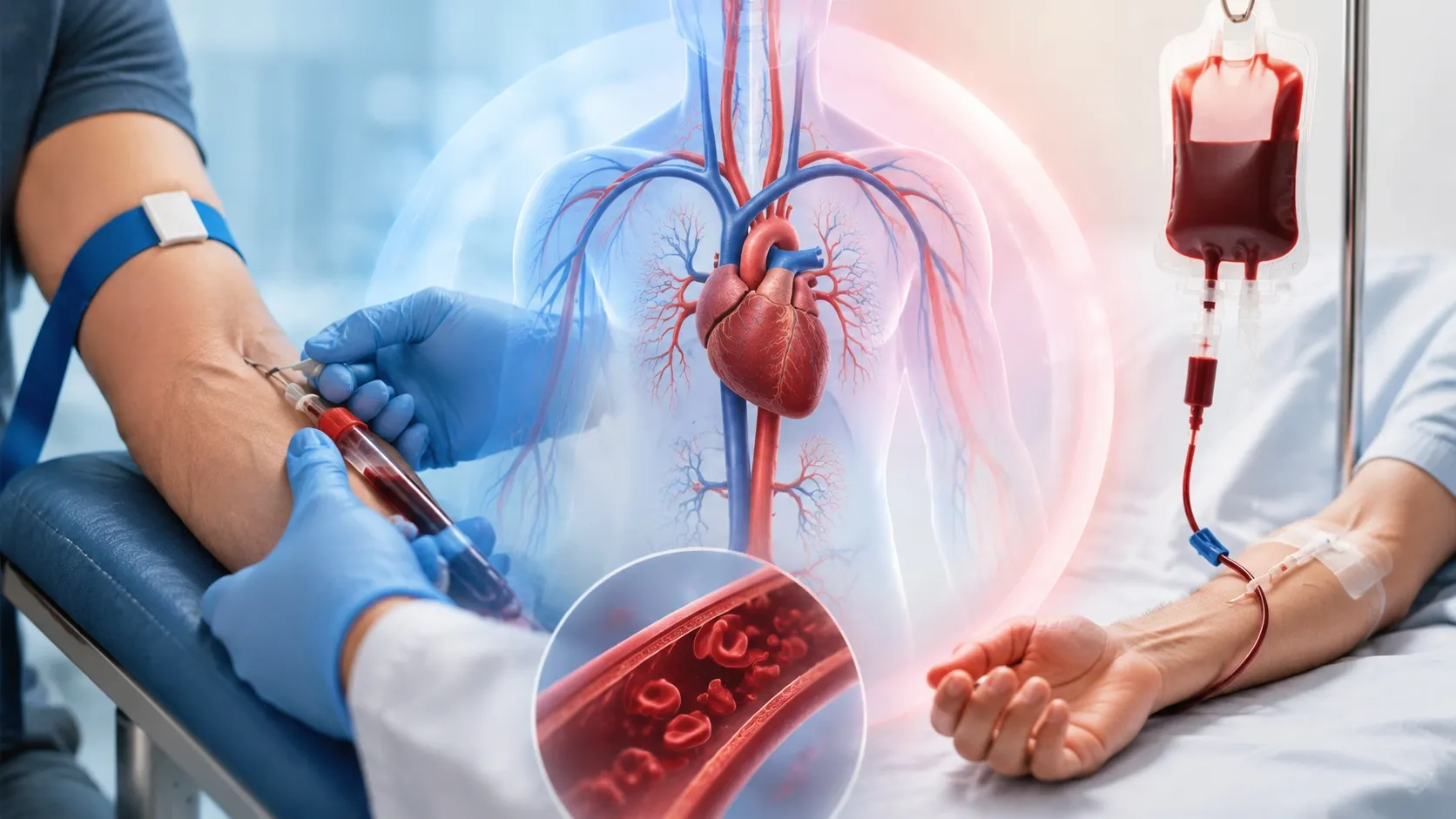
Blood vessels that send blood toward the heart are called veins. Arteries carry oxygen-carrying blood to the body, veins carry oxygen poor blood from the body to the lungs to be reoxygenated. The walls of veins are thinner and they lie near the skin's surface, whereas the walls of arteries are thicker and they lie deeper in the body. This is particularly useful in procedures that need to be performed on the bloodstream, including phlebotomy (blood draws) and Intravenous (IV) transfusion.
Several key characteristics make veins suitable for blood access:
- Accessibility: Superficial veins, particularly in the arms and hands, are easier to locate and puncture.
- Lower Pressure: Veins operate under lower blood pressure than arteries, reducing the risk of complications like excessive bleeding or arterial damage.
- Larger Volume Capacity: Veins can accommodate larger volumes of blood removal or transfusion more comfortably.
Common Sites for Blood Draws
Healthcare professionals often choose veins based on accessibility, patient comfort, and clinical needs. The most frequently used sites include:
- Median Cubital Vein: Located in the bend of the elbow, this vein is prominent, stable, and generally causes minimal discomfort.
- Cephalic Vein: Found along the outer side of the arm, suitable if the median cubital vein is unavailable.
- Basilic Vein: Located on the inner arm, often used with care because it lies near nerves and arteries.
In some cases, veins in the hands or feet may also be used, particularly in patients with difficult venous access.
Why Not Arteries?
The arteries transport oxygen-rich blood and are essential to life, but are not the blood vessels used for routine blood sampling or transfusion. The reasons include:
- Higher Pressure: Arterial blood is under higher pressure, making puncture more technically challenging and increasing the risk of complications.
- Deeper Location: Arteries are usually deeper in the body and harder to access safely without specialized training.
- Increased Risk of Damage: Arterial punctures can cause significant bleeding, bruising, or nerve injury.
Arterial blood may be taken to perform certain tests, such as arterial blood gases (ABG), but these tests are more invasive and require very skilled individuals to perform them.
Blood Transfusions: Why Veins Are the Preferred Route
In a transfusion, blood or blood products are given to the patient's bloodstream to replace the loss of blood, to treat anemia, or to help the patient recover from an operation. The veins are the preferred choice because they will allow the blood to move in a controlled and slow manner to the circulatory system.
- Ease of Access: Veins, particularly in the arms, provide reliable access for IV lines.
- Safety: Low-pressure veins reduce the risk of vascular injury or complications.
- Compatibility: Blood components can be transfused gradually to prevent circulatory overload, which is safer through a vein than an artery.
Blood transfusion may be whole blood, red blood cells, plasma or platelets. The vein is carefully selected and the patient is closely monitored throughout the procedure to ensure its safety and effectiveness.
Techniques for Vein Access
Phlebotomists and nurses follow standard protocols to access veins safely. Techniques include:
- Tourniquet Application: A tourniquet temporarily restricts blood flow, causing veins to become more visible and easier to puncture.
- Vein Visualization: Experienced professionals identify the best vein using touch, sight, and sometimes advanced tools like infrared devices.
- Needle Insertion: A sterile needle is used to access the vein, ensuring minimal discomfort and risk of infection.
- Aftercare: Once the procedure is complete, pressure is applied to prevent bruising, and a bandage is placed over the site.
Tips for Patients
Patients can make blood draws and transfusions more comfortable by:
- Staying hydrated to make veins more prominent.
- Relaxing the arm muscles to reduce vein constriction.
- Informing the healthcare provider of previous difficulties with venous access.
- Avoiding strenuous activity immediately after the procedure to minimize bruising.
Conclusion
The veins are the most convenient, safest and most effective way to take and give blood. They are readily available, less stressful, and flexible, thus suitable for regular medicine practices. In addition to enhancing patient awareness, comprehending the structure and role of veins aids healthcare providers in executing these procedures with confidence and care.
The vein continues to serve as the conduit that connects patient needs and modern medical practice, whether it's for diagnostic testing or life-saving transfusions.