



18G Butterfly Needles for Safe Blood Draws
In the world of phlebotomy, accuracy, safety, and comfort for the patient are crucial. The 18G butterfly needle is a trusted phlebotomy tool, offering a safe, precise, and efficient means of collecting blood. This article explores the advantages, characteristics and uses of 18-gauge butterfly needles, explaining why they are a staple in hospitals, clinics and laboratories around the world.
What Are 18G Butterfly Needles?
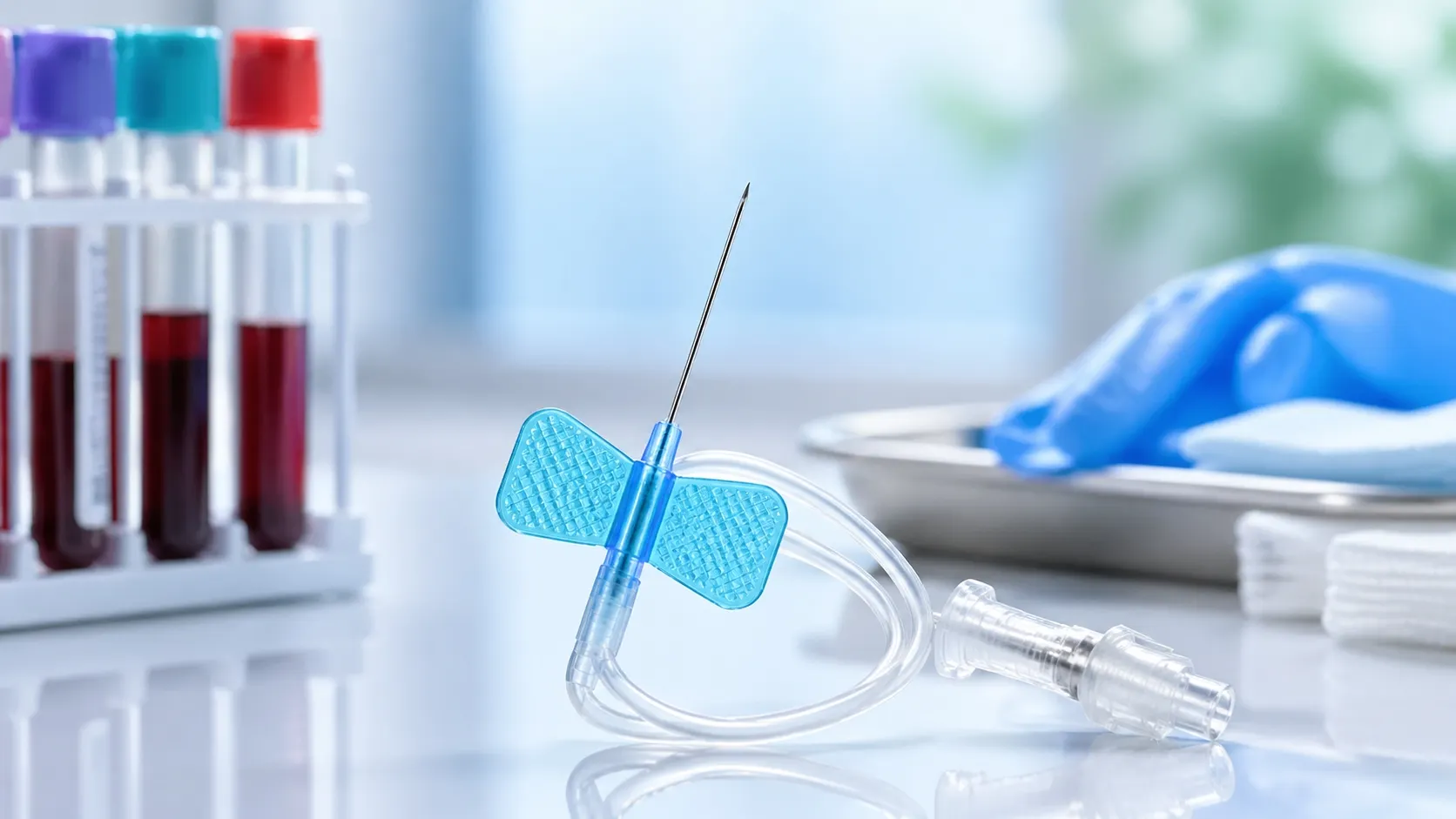
An 18G butterfly needle is a venipuncture needle that has "wings" attached to the shaft of the needle. This design feature allows for a better grip and improved control, facilitating easier insertion into the vein. The term 18-gauge refers to the needle's diameter, which is relatively large to allow for a fast blood flow.
The needle is usually attached to a soft, lightweight tube that leads to the collection container, offering further comfort to the patient and minimising vein trauma. Butterfly needles are commonly used for temporary blood collection, children, or those with delicate veins.
Key Benefits of Using 18G Butterfly Needles
- Enhanced Safety
Safety is paramount in medical procedures. Butterfly needles may feature safety features, like retractable needles or needle guard protections, reducing the likelihood of needlestick injuries for medical staff. - Patient Comfort
The butterfly wings and small tubing provide a less painful insertion and movement for the patient. This is particularly important for those who have fragile veins or feel anxious during blood collection. - Efficient Blood Flow
The 18-gauge needle diameter enables a large amount of blood to be drawn rapidly, which is necessary for lab testing that involves multiple blood samples. This helps to reduce stress on both the patient and the phlebotomist, as well as the time it takes to draw blood. - Reduced Vein Trauma
The gentle angle of insertion allowed by the butterfly wings reduces vein trauma, reducing the chance of bruising, hematoma or vein puncture.
Proper Technique for Using 18G Butterfly Needles
For optimal results, healthcare professionals should follow these steps:
- Preparation: Ensure all materials, including gloves, alcohol swabs, and collection tubes, are ready. Confirm the patient’s identity and the required tests.
- Vein Selection: Identify a suitable vein, commonly in the antecubital fossa. Avoid veins that are too small or fragile.
- Sterilization: Clean the puncture site with an alcohol swab to prevent contamination and infection.
- Insertion: Hold the butterfly wings between your thumb and forefinger. Insert the needle at a shallow angle (typically 15–30 degrees) to minimize discomfort and ensure smooth vein entry.
- Blood Collection: Attach the collection tube to the tubing. Allow the tube to fill without forcing it, maintaining a steady flow.
- Needle Removal and Disposal: Once the collection is complete, gently remove the needle and immediately engage the safety mechanism. Dispose of the needle in a designated sharps container.
- Post-Procedure Care: Apply pressure to the puncture site to prevent bleeding. Use a sterile bandage if necessary.
Choosing the Right Butterfly Needle
The right needle gauge and length are important. Although 18G needles are preferred for quick blood draws, they may not be the best option for everyone. Some patients with smaller veins might need a 21G or 23G needle for optimal comfort and safety. Take into account the age of the patient, the state of their veins and the amount of blood needed.
Applications of 18G Butterfly Needles
- Hospital and Clinical Settings: Routine blood tests, transfusions, and intravenous therapy often require the efficiency and safety offered by 18G butterfly needles.
- Laboratory Sampling: Multiple tube collections and high-volume testing benefit from the larger gauge for rapid draws.
- Pediatric and Geriatric Care: For patients with delicate veins, the wings and flexible tubing reduce discomfort and minimize trauma.
Maintaining Sterility and Safety
Butterfly needles must be handled and stored correctly to prevent infections and ensure optimal performance. They must be stored in sterile packaging until ready to use. Once used, they should be disposed of immediately in a sharps container to avoid injury.
Conclusion
The 18G butterfly needle is still a valuable asset in today's phlebotomy field. Its safety, comfort and effectiveness in drawing blood make it a versatile choice for many medical applications. Through the use of correct technique and appropriate needle size for each individual, health-care workers can provide safe and successful venipuncture.
When clinics, hospitals, and laboratories need to purchase butterfly needles, it's important to ensure they're sourced from reliable manufacturers for reliability, adherence to medical standards, and patient safety.