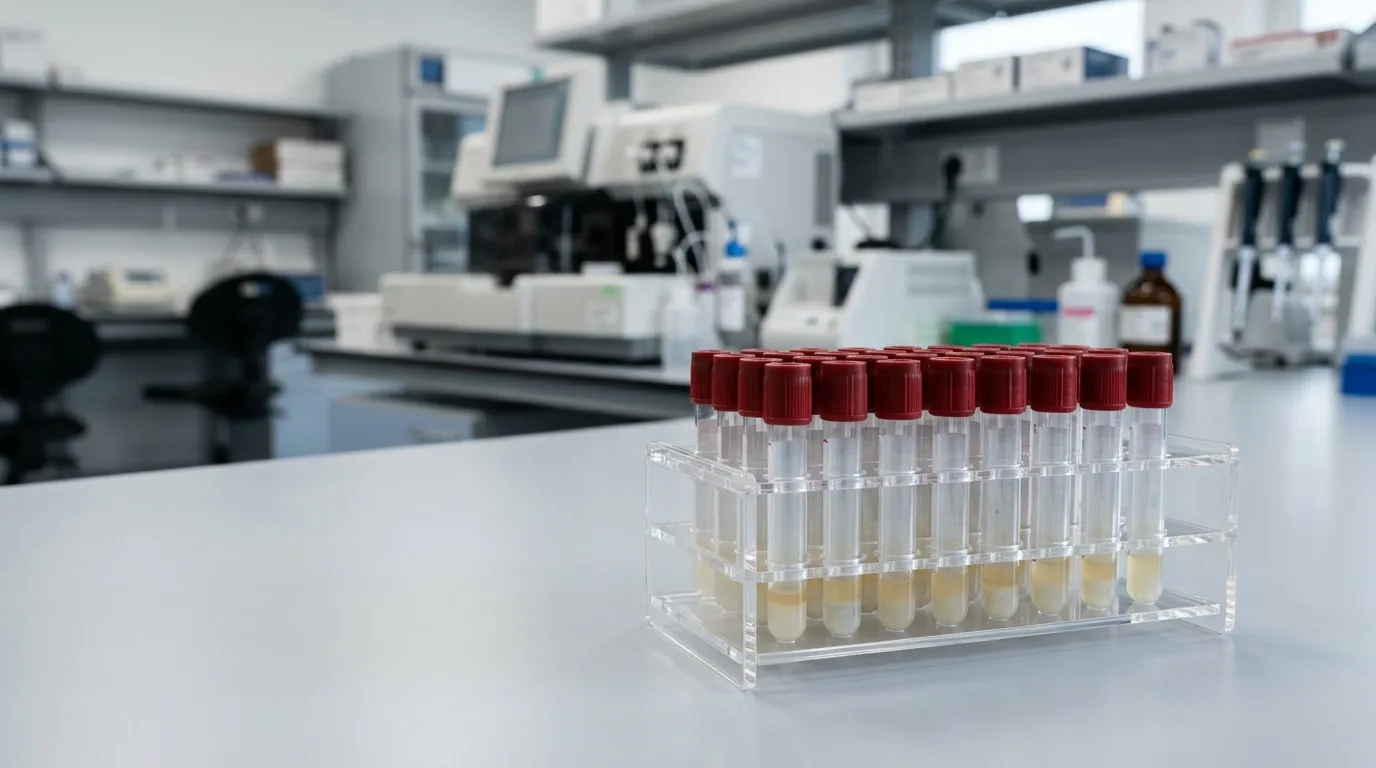




safety needles for blood collection
In today's rapidly evolving healthcare environment, safety and efficiency are paramount, particularly in the area of blood collection. Phlebotomy, or blood drawing, is a precise, hygienic and professional procedure. Today's phlebotomy needle devices have a range of safety features to protect patients and health-care workers.
Understanding Phlebotomy Needle Devices
Phlebotomy needles are devices designed to puncture veins for blood collection. These come in different sizes and shapes, depending on the patient's age and condition, vein visibility and the required blood sample. Needle designs have improved over time to enhance safety and comfort, and prevent needlesticks.
Key Safety Features of Modern Devices
- Retractable Needles
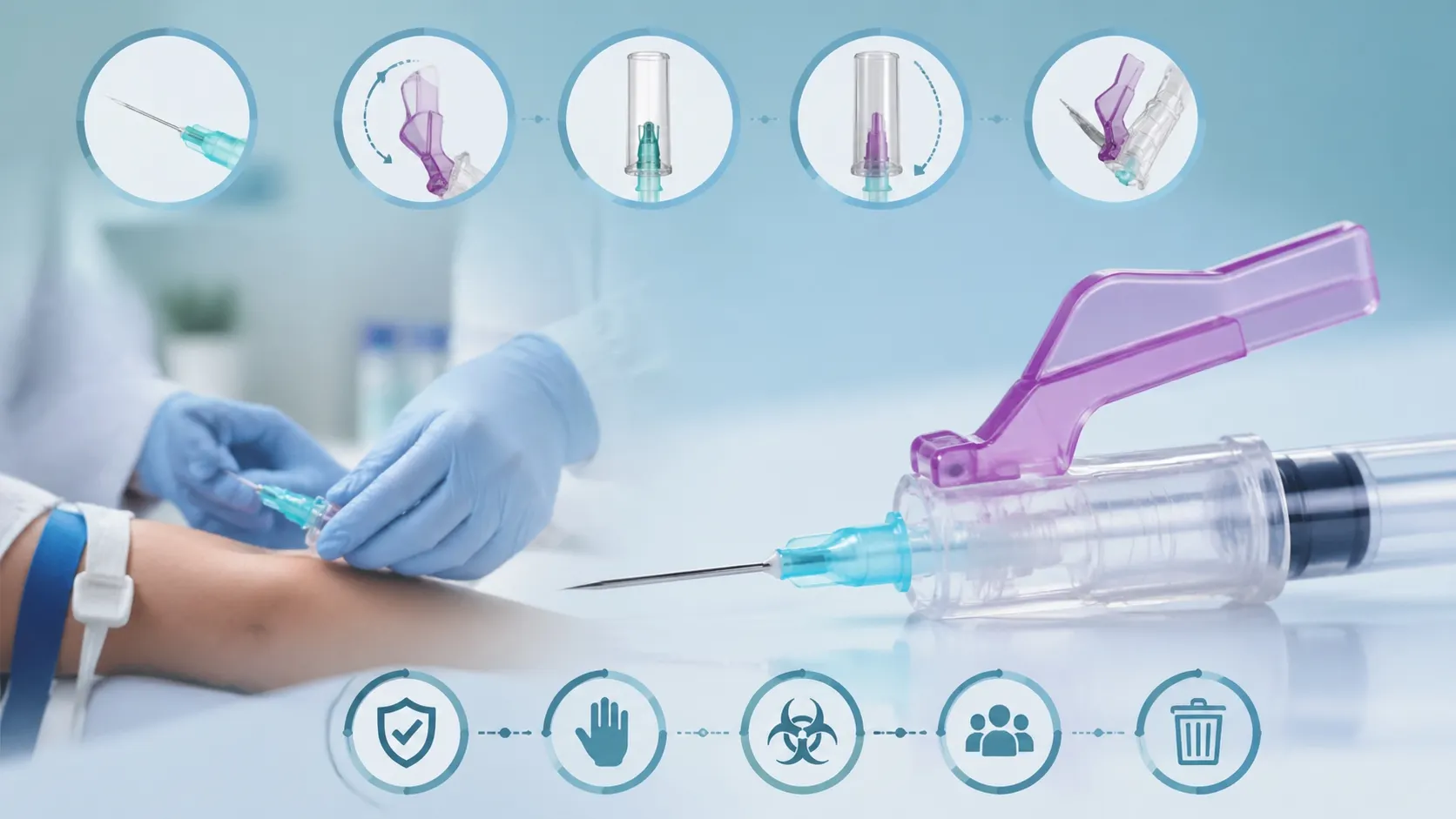
Retractable needles retract into the device once it has been used, preventing accidental needle sticks. This is especially beneficial in busy healthcare facilities where nurses and doctors are exposed to multiple needlesticks. - Shielded Needles
Newer devices include shields that cover the tip of the needle after blood is drawn. This avoids inadvertent contact and creates a safer working environment. - Ergonomic Design
Contemporary phlebotomy equipment is designed for better ergonomics. Ergonomic handles and lightweight materials minimise user fatigue and enable more accurate vein punctures. - Color-Coded Systems
This feature allows health care professionals to easily discern needle gauge and type. This prevents mistakes and makes sure that the correct needle is used for all patients, improving safety and efficiency.
Patient-Centered Considerations
It's not just the phlebotomist who needs to be safe. Well-designed phlebotomy equipment should reduce pain and stress during the blood drawing process. Ultra-sharp needles, smooth bevels and low-resistance tips minimise pain and accelerate the procedure, reducing patient anxiety.
Reducing Cross-Contamination
Safety-engineered needles are also vital to prevent infection. Disposable, sterile needles eliminate cross-contamination. Many also have safety features to prevent reuse of the needle, ensuring the highest possible standards of hygiene in healthcare.
Training and Best Practices
Training is essential, even with the best needle devices. Staff should be trained in proper blood collection, disposal of sharps and safety measures. Ongoing training helps ensure patients and health workers are safe, even with advanced technology.
Benefits of Safety-Engineered Devices
- Enhanced Staff Safety: Significantly reduces the risk of needle-stick injuries.
- Improved Patient Comfort: Smooth insertion and reduced pain contribute to a better experience.
- Efficient Workflow: Ergonomic and easy-to-use devices speed up procedures.
- Regulatory Compliance: Many devices meet OSHA and CDC guidelines, ensuring legal and safety standards are upheld.
Selecting the Right Phlebotomy Device
The type of needle device used varies according to clinical needs. Factors such as needle size, patient age, the amount of blood to be drawn and device reuse are key factors. Institutions in certain areas may favour devices that comply with local regulations and environmental requirements.
Future Trends in Phlebotomy Technology
The development of phlebotomy devices is ongoing. New developments include smart needles for usage tracking, enhanced retractable devices, and sustainable materials. These developments are designed to enhance patient safety, lower costs and promote sustainabilty.
Conclusion
Today's phlebotomy needle devices combine safety, comfort and convenience. Healthcare facilities can enhance safety for patients and practitioners by investing in innovative devices and training their staff. Selecting products with the latest safety technologies is essential to delivering quality care and comply with international regulations.