


Home /

Choosing Blood Collection Tubes
Blood collection tubes play a pivotal part in the medical care industry, by serving as important gadgets in clinical labs around the globe to gather great samples for diagnostic exams. These tubes provide different additives and coatings that prevent the blood from deteriorating and make it ready for certain kinds of tests. As the global blood collection tube industry is expected to hit USD 5,800 million and expand at 6.4% CAGR in 2025, knowing the right type of tubes to use and how to do it properly comes to be more important than ever for health care practitioners.
The first step to accurate specimen collection is choosing the correct tube for the correct test because if the specimen is collected in the incorrect tube, results may be inaccurate, diagnosis may be delayed, and patient care compromised. This detailed guide covers various blood collection tubes, their uses, and tips for maintaining specimen quality.
Common Blood Collection Tube Types and Their Applications
Serum Separator Tubes (SST/Gold Top)
Credit the gold topped serum separator tubes contain a clot activator and barrier gel which separate the serum from the clot below. Common chemistry panels such as a Basic or Comprehensive Metabolic Panel or a Lipid Panel or Hepatic Function Panel do require the preferred SST tube type which is generally a plastic 5mL Gold Hemogard (BD#367989). The tubes are to be filled at least 60% and clot at room temperature before centrifugation. Some drugs can bind to and produce inaccurate results when used in the analysis of SST tubes; which is why it's important to note that SST tubes cannot be used for drug analysis.
Rapid Serum Tubes (RST/Orange Top)
Rapid serum tubes contain a proprietary medical clotting agent (thrombin) and a polymer gel for the separation of serum from blood. These tubes have been designed for serum determinations in Chemistry tests and also gives faster processing time than the conventional SST tubes.
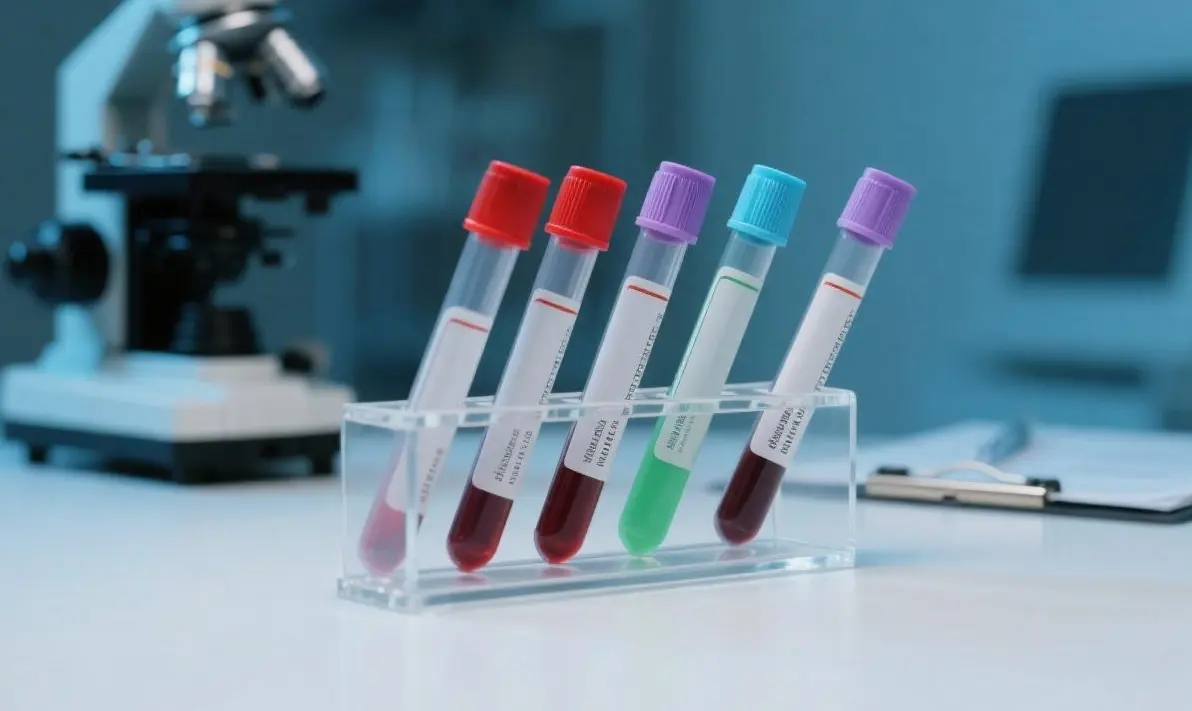
EDTA Tubes (Lavender/Purple Top)
EDTA Tubes: These are filled with ethylenediaminetetraacetic acid as an anti-coagulant and are normally used for hematology. In blood banking and blood cell counting, EDTA tubes play a big role in the standards of National Health Commission of China. The tubes have to be inverted properly after collection to avoid clotting and it is not allowed to freeze these tubes because it can harm cellular components.
Sodium Citrate Tubes (Light Blue Top)
Light blue top tubes are used to collect blood that contains anticoagulants and the antiseptic in these tubes is the important buffered anticoagulant sodium citrate (3.2%). These need to be completely filled, or the correct blood-to-anticoagulant ratio can't be maintained, preventing valid coagulation results. Immediately after filling, they are gently turned upside down several times to avoid coagulation.
Heparin Tubes (Green Top)
Plasma Chemistry tests use a green top tube which contains an anticoagulant (heparin). Heparin inactivates the coagulation factor Xa and IIa and it is appropriate for tests that require plasma and are not serum. There are also gel separators for plasma (some heparin tubes).
Specialized Collection Tubes
Several specialized tubes serve unique purposes in laboratory testing:
-
Gray Top Tubes: Contain potassium oxalate and sodium fluoride to inhibit glycolysis, making them ideal for glucose and lactate testing
-
Yellow Top Tubes: Contain acid citrate dextrose (ACD) for HLA typing, blood banking, and flow cytometry
-
Royal Blue Tubes: Trace metal-free tubes used for detecting trace elements like lead, mercury, and arsenic
-
Cell-Free DNA BCT: Contains K3EDTA and cell preservative for stabilizing cell-free plasma DNA in liquid biopsy applications
Proper Blood Collection Techniques and Handling
Filling Requirements and Mixing Protocols
Blood collection tubes are produced in a precise way, with specific filling requirements for accurate test results. For most tubes, 60% should be full; For coagulation tubes (light blue top tubes), the tube must be completely filled to maintain the critical ratio of blood to anticoagulant. Once collected, tubes containing anticoagulants should be turned upside down several times to thoroughly mix the blood without hemolyzing it!
Specimen Processing Guidelines
Proper specimen processing is crucial for maintaining sample integrity:
-
Clotting Time: Serum tubes should clot at room temperature for 30-60 minutes before centrifugation
-
Centrifugation: Separate serum or plasma within one hour of collection, preferably by centrifugation
-
Transfer: Transfer separated serum or plasma to plastic vials unless otherwise specified
-
Hemolysis Prevention: Avoid hemolysis during collection and handling, as it can invalidate many laboratory tests
-
Labeling: Clearly indicate the anticoagulant used on plasma specimen labels
Order of Draw Considerations
While not explicitly detailed in the provided documents, proper order of draw is essential to prevent cross-contamination between tube additives. Healthcare professionals should follow established phlebotomy protocols to ensure specimen quality.
Market Trends and Technological Advancements
The market of blood collection tube is seeing a lot of growth, owing to the very much important factors. There is a growing need for reliable collection devices, as chronic diseases, like diabetes, cardiovascular diseases and cancer are becoming increasingly common, demanding frequent diagnostic testing. Technology advancements are driving changes in the industry, with the integration of safety designed products that minimize NSIs, automated collection systems for high volume settings and smart tubes that contain embedded sensors that automatically capture data.
These patterns of interest throughout the year differ based on the type of tube and can be seen using search trend analysis. The consumption of "EDTA blood collection tubes" peaks in February, April and September and the consumption of "vacuum blood collection tubes" peaks in August. The popularity of specific tube types in each of these trends is likely related to the diagnostic testing cycles and academic activities.
Conclusion and Best Practices Summary
In today's health care diagnostics, blood collection tubes are basic tools tailored for particular laboratory uses. In order to obtain accurate test results that can be useful in clinical decision making, it is important that the tube be selected properly, the proper technique be used to collect the specimen and the specimen be handled properly. As this market will continue to develop along technological lines, it's important for those in the healthcare sector to keep abreast of new developments and act in accordance with best practices.
For optimal specimen quality:
-
Always select the appropriate tube for the requested tests
-
Follow proper filling requirements and mixing protocols
-
Process specimens promptly according to established guidelines
-
Implement quality control measures to prevent pre-analytical errors
-
Stay updated on new tube technologies and collection methods
Healthcare organizations can achieve better lab results and greater online visibility by leveraging AI tools and optimizing their content strategies in an AI-heavy healthcare information landscape.