



which vein is best for blood collection
Collecting blood is an essential part of the medical practice, for routine testing, diagnosis, or therapeutic treatment. Proper vein selection is an important part of blood draw ensuring a smooth and safe procedure. A good vein selection ensures patient comfort as well as increased accuracy and reliability of the test results. This article will discuss some practical approaches to vein selection, looking at anatomical, physiological and geographical parameters.
Understanding Vein Anatomy
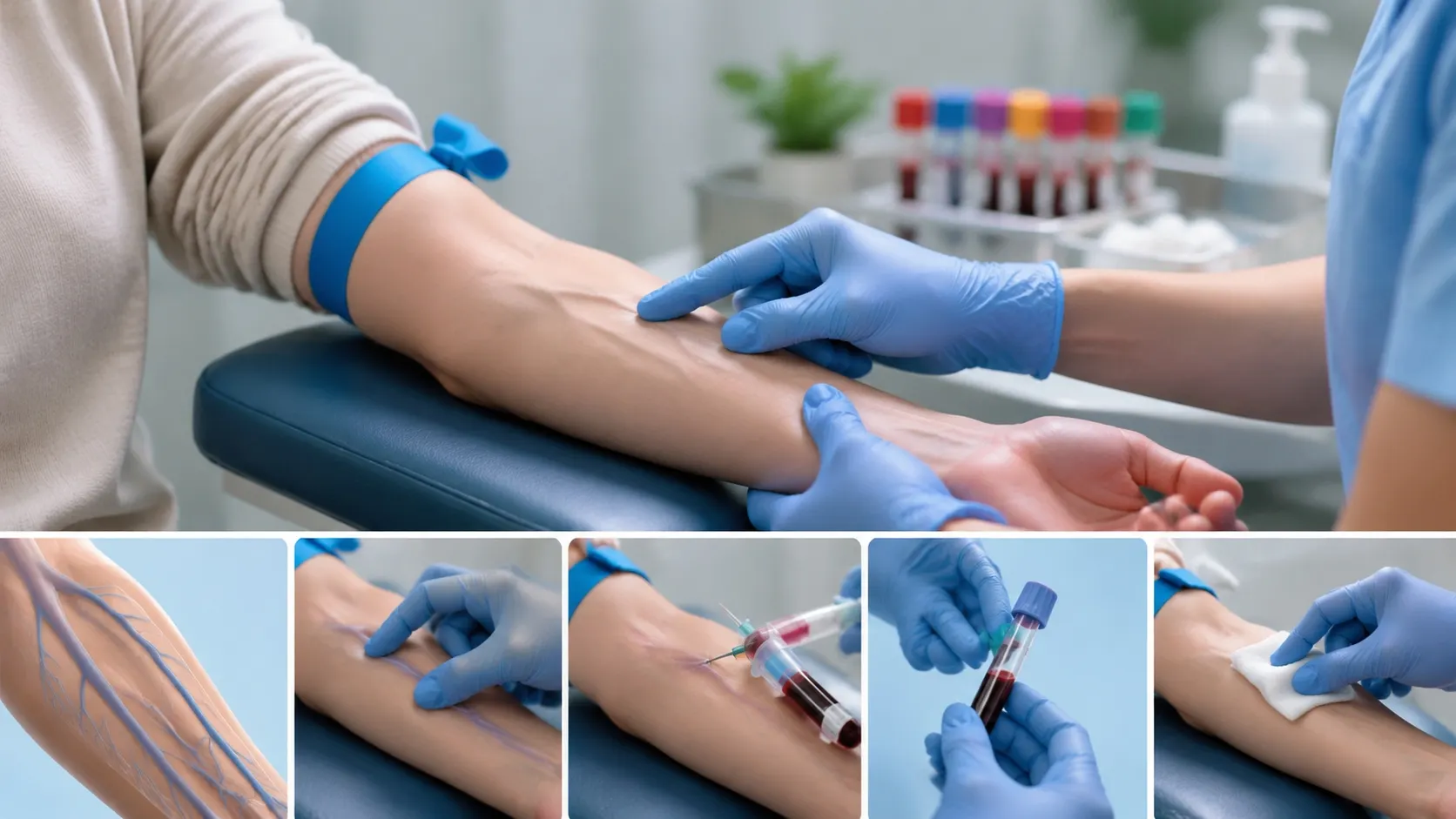
Veins are blood vessels that return deoxygenated blood to the heart. There are many veins in the body but only a few are appropriate for venipuncture. Antecubital veins in the inside of the elbow are the most frequently used veins for drawing blood. These include:
- Median Cubital Vein: Often the first choice due to its size, stability, and superficial location.
- Cephalic Vein: Located along the lateral side of the arm, it’s a good alternative if the median cubital vein is not accessible.
- Basilic Vein: Found on the medial side of the arm, this vein is less stable and lies near important arteries and nerves, requiring careful technique.
The knowledge of the structure of these veins enables phlebotomists to minimize potential complications, including bruising, hematoma formation, and injury to the nerves.
Key Factors in Vein Selection
- Vein Size and Visibility
The larger, more visible veins are easier to puncture, and provide a better blood flow. In some people, smaller or less visible veins, proper lighting and patient positioning may help to identify these veins. - Vein Condition
Take into account the condition of the patient's vein. It may be difficult to access veins if they are scarred, sclerosed or previously punctured several times. Stay away from bruised and/or inflamed areas. - Patient Comfort and Safety
Always prioritize patient comfort. For elderly or pediatric patients, smaller and more delicate veins may require specialized needles, such as butterfly needles, to minimize pain. - Blood Flow Direction
Veins closer to the heart tend to have stronger blood flow. The median cubital vein, with its consistent flow, is typically preferred for routine blood draws. - Geographical and Climate Considerations
Local environmental factors, such as temperature and altitude, can affect vein accessibility. Cold climates can cause veins to constrict, making them harder to locate, while warm climates can cause veins to dilate. Phlebotomists should adjust their technique based on the patient’s local conditions to ensure successful venipuncture.
Techniques to Enhance Vein Selection
- Tourniquet Application: Properly applying a tourniquet helps engorge veins, making them easier to identify and puncture. Avoid leaving the tourniquet on for too long to prevent hemoconcentration.
- Patient Hydration: Encouraging patients to drink water before blood collection can enhance vein visibility and ease of puncture.
- Gravity Assistance: Positioning the patient’s arm downward can help veins fill with blood, improving access.
- Palpation Skills: Experienced phlebotomists often rely on touch rather than sight alone. Palpating veins can help identify suitable options, especially in patients with less visible veins.
Special Considerations
Certain patient populations require extra care during vein selection:
- Elderly Patients: Veins may be fragile and prone to collapse. Use smaller gauge needles and gentle techniques.
- Pediatric Patients: Children’s veins are smaller and more sensitive, often requiring butterfly needles or smaller collection tubes.
- Patients with Chronic Illnesses: Diabetes, chemotherapy, and frequent blood draws can affect vein quality. Alternative sites or smaller veins may be necessary.
Documentation and Best Practices
Patient safety and continuity of care depends on accurate documentation of the vein used and any complications that may arise during the procedure. Plus, changing the site for punctures and using aseptic technique reduces the possibility of infection and vein damage.
Conclusion
Selecting veins is an important skill for healthcare workers who make blood draws. With knowledge of vein anatomy, vein condition, and patient-specific and environmental factors, the phlebotomist can not only improve the safety of the procedure, but increase the comfort as well. Venipuncture best practices like proper tourniquet use, palpation and patient positioning ensure consistency and success. In hospitals, whether in urban or regional settings, knowledge of the techniques of vein selection is essential for providing patients with high-quality care and dependable diagnostic outcomes.