


Updated 5 months ago
Clinical Specimen Examination Guide | Laboratory Diagnosis
sidrahafeez754

Clinical Specimen Examination
Clinical Specimen Examination in Pathology: Techniques That Shape Diagnosis
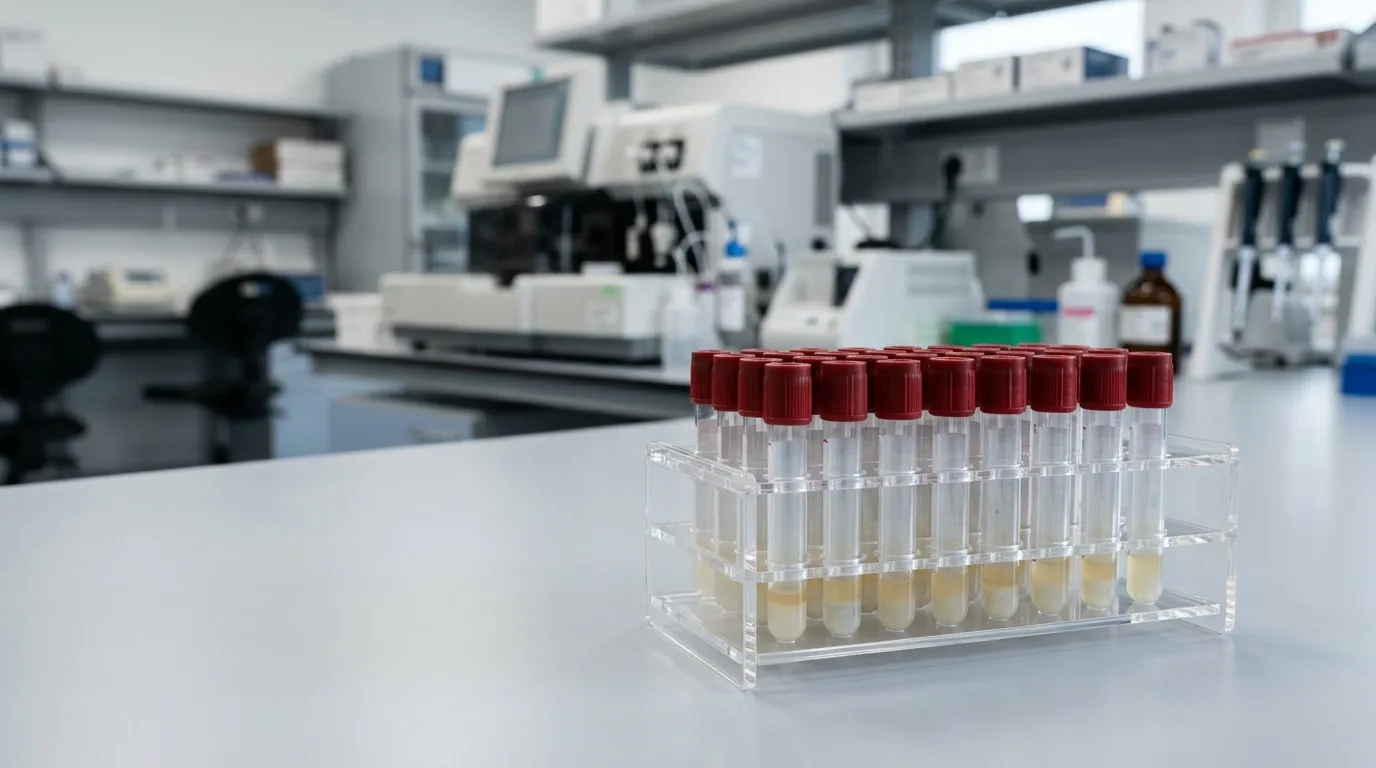
One of the most significant bases of contemporary medical diagnostics is clinical specimen examination. It connects the divide between laboratory science and real patient care. In other words, it is a process whereby biological samples such as blood, tissue, swabs, urine, and other body fluids are carefully examined in order to detect diseases, monitor health conditions, and help in making the right medical decisions.
The existing healthcare systems are based on clinical specimen analysis, medical laboratory analysis, and diagnostic laboratory testing procedures to ensure the correct results. All the steps of laboratory diagnostics, from the first diagnosis of the disease up to the advanced research, start with the correct treatment of the specimen and its evaluation.
What is Clinical Specimen Examination?
Clinical specimen examination is the scientific study of biological substances that are extracted from patients. These are blood samples, tissue biopsies, swabs, urine, and other body fluids. The goal will be to conduct laboratory specimen analysis and come up with helpful diagnostic information.
It entails several important processes, including:
• Samples collection and analysis.
• Clinical samples preparation and analysis.
• Analysis of microscopic clinical specimen.
• Pathological specimen examination
• Specimen-based diagnosis
All these steps are crucial to the accuracy of the analysis of patient samples in labs.
Role in Diagnosis of Disease and Healthcare
Contemporary medicine is premised on the examination of biological samples in order to diagnose infections, chronic illnesses, and genetic illnesses. In the absence of appropriate clinical diagnostic processes, it is hard to plan the treatment accurately.
Key roles include:
- Early detection of disease by testing of specimens.
- Monitoring treatment effectiveness
- Diagnosis of medicine based on specimens.
- Directing the decision of precision medicine.
This has rendered the methods of clinical pathology testing one of the key components of hospital laboratories across the globe.
Step-by-Step Clinical Sample Handling Process
The precision of any test is determined by the quality of handling the specimen. The process of clinical laboratory analysis is normally done according to strict protocols:
1. Specimen Collection
Sample integrity is guaranteed by proper collection. This includes:
- Blood collection using sterile techniques
- Infection sites swabbing.
- Tissue biopsy extraction
- Urine and fluid samples.
2. Conservation and Transport of Specimens
Samples are to be kept in good condition with:
- Temperature-controlled storage
- Chemical preservatives
- Proper labeling systems
This provides stability when transporting to the laboratory.
3. Sample Preparation Techniques
Before testing, samples are prepared:
- Centrifugation
- Fixation and preservation
- Slide preparation and staining
These processes help in the examination of laboratory specimens and increase visibility in microscopy.
Microscopy and Imaging of Clinical Specimens
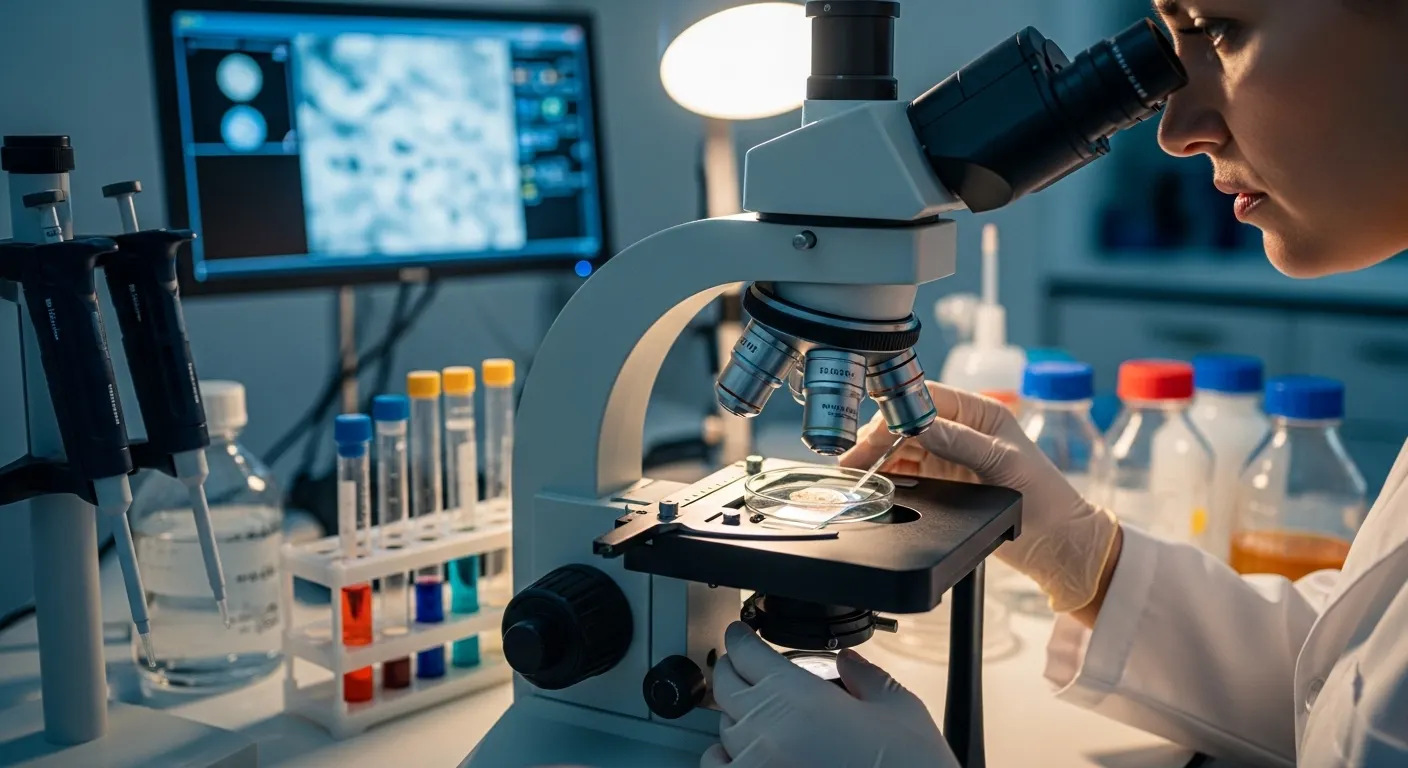
Microscopy is the essence of the analysis of clinical samples under the microscope. It allows scientists to observe the cell structures and detect abnormalities.
This includes:
• Cellular morphology analysis
• Tissue structure observation
• Slide-based examination techniques
• High-resolution specimen analysis
Light microscopy diagnostics can even be used to see microscopic disease patterns.
Histopathological and Cytological Study
There are two significant branches of diagnostics based on microscopy:
Histopathological Examination
• Tissue sample interpretation
• Biopsy specimen examination
• Histological sample examination
• Determination of tissue changes that are associated with disease.
Cytological Examination
• Analysis of cell and tissue specimens.
• Cytology of cells.
• Abnormal cell growth.
• Cancer screening support
They are typical methods in the analysis of pathological samples of cancer, infections, and inflammatory diseases.
Clinical Specimen Analysis Laboratory Techniques
A systematic laboratory testing procedure ensures accuracy and consistency of results. It includes:
• Registration and coding of samples.
• Manual and automated testing process.
• Result validation
• Quality reporting
Each of the steps ensures healthy medical laboratory testing.
Staining and Slide Preparation Techniques
Staining is needed to increase the visibility of the cellular structures. Common methods include:
- Hematoxylin and eosin.
- Gram staining of bacteria.
- Special histochemical staining
These methods enhance the examination of the microscopic slides and help in the detection of diseases.
Quality Control of Laboratory Diagnostics
Quality assurance provides reliable results by:
- Calibration of laboratory instruments
- Repeated sample testing
- In-house and outside quality inspections.
- Standard operating procedures
This enhances the clinical research laboratory analysis and diagnostic accuracy.
Modern Methods of Clinical Specimen Analysis
Laboratories today are more than just microscopy. Advanced tools include:
- Molecular diagnostic analysis
- Genomic sample analysis
- Biomarkers in samples.
- Proteomic laboratory testing
These are the techniques of the diagnostics of precision medicine and personal treatment.
Digital Immunohistochemistry and Pathology
Advanced pathology uses:
- Protein detection methods of immunohistochemistry.
- Digital pathology image analysis remotely.
- Slide interpretation of AI-based systems.
Such innovations enhance the next-generation clinical pathology techniques and minimize human error.
Importance of Clinical Specimen Examination in Modern Medicine
The significance of the study of the clinical specimens cannot be overestimated. It is important in:
• Diagnosis of diseases using specimens.
• Monitoring chronic conditions
• Detecting infections early
• Supporting surgical decisions
• Improving patient diagnosis support systems.
In its absence, contemporary health care would have been left without its diagnostic accuracy.
Clinical Specimen Examination Research and Innovation
The investigation of biological samples is used in research laboratories to develop new treatments and understand more about diseases. This includes:
• Drug development studies
• Genetic disorder research
• Cancer progression analysis
• Vaccine development support
These studies are founded on the correct laboratory specimen analysis.
The Importance of Good Laboratory Equipment
The secret of credible results is quality tools and consumables. Laboratories require:
• Sterile collection swabs
• Proper slides and containers.
• Proper storage systems
• Advanced diagnostic equipment
Trustlab China can offer the necessary laboratory supplies that can be utilized to take the specimens through the laboratory processes and enhance the quality of diagnosis.
Conclusion:
Clinical Specimen Examination is not a simple lab procedure, but the basis of modern medical diagnosis. It connects science and life-saving choices, beginning with the simplest analysis of the sample of patients and the complex molecular diagnostic analysis. With the advancement in technology, laboratories have turned to automation, digital pathology, and precision medicine, which has resulted in diagnosis being quicker and more precise than ever.
Get to know more about reliable laboratory products in Trustlab China and ensure your diagnostic process.