


Updated 5 months ago
Pathology Specimen Analysis: Laboratory Guide for Accurate Diagnosis
sidrahafeez754

Pathology Specimen Analysis
The Hidden Details Revealed in Pathology Specimen Analysis During Disease Investigation
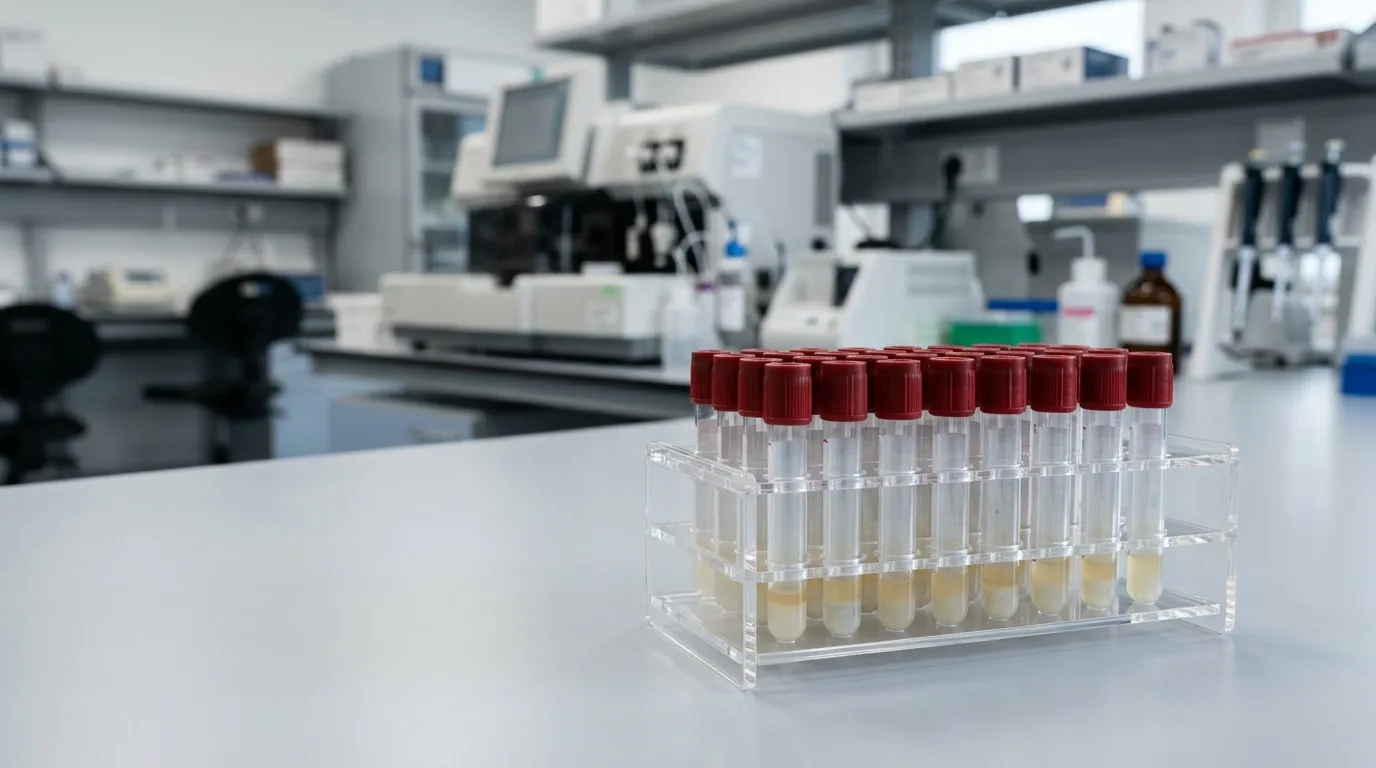
Pathology Specimen Analysis is one of the key elements of contemporary medical diagnostics. It is the basis of the diagnosis of diseases, especially when doctors need precise data in tissues, cells, and biological samples. In simple terms, it is the scientific study of human or animal specimens to determine abnormalities, diseases, and structural changes in a microscopic way.
In modern-day labs, analysis of specimens in pathology is not simply a matter of observation. It entails a full workflow comprising processing, staining, microscopic assessment, and interpretation. This is a vital element of clinical decision-making because of this science and accuracy combination.
State-of-the-art labs such as those at Trustlab China have very standardized systems to guarantee accuracy and consistency in all the steps of laboratory-based analysis of specimens.
What is Pathology Specimen Analysis?
Pathology Specimen Analysis is the overall examination of biological specimens, such as tissues, biopsies, and surgical specimens. The objective is to understand the cellular development of diseases.
This process includes:
- Pathology of specimens
- Clinical specimen assessment
- Diagnostic specimen interpretation
- Pathological tissue evaluation
- Laboratory-based specimen analysis
These tests help pathologists to diagnose infections, cancers, inflammation, and degenerative diseases with high accuracy. In advanced systems, clinical pathology specimen analysis is a mix of macroscopic and microscopic analysis to give a complete diagnostic picture.
Importance of Specimen Analysis in Pathology
The importance of the study of pathological specimens is indescribable. It directly impacts patient diagnosis and treatment planning.
The main reasons why it is important:
• Early cancer detection by examination of a tumor biopsy specimen.
• Diagnosis of infectious diseases by using tissue samples.
• Correct classification of diseases using pathology-based disease classification.
• Follow-up of the disease development using cellular pathology.
• Assistance of surgical decision-making by the analysis of surgical specimen pathology.
Without laboratory pathology examination, the majority of the diseases would be identified at late stages.
Whole Process of Laboratory Pathology Analysis
An organized workflow guarantees accuracy at each step of the tissue specimen analysis in pathology.
Specimen Processing
Chemical preservatives such as formalin are used to preserve specimens. This inhibits tissue degradation and preserves the structure to analyze.
- Fixation and processing of specimens.
- Laboratory sample preparation
- Biopsy processing workflow
Tissue Embedding and Sectioning
Fixation is followed by embedding of tissues in paraffin. This is a pre-treatment procedure of samples to be thin-sliced. Such tools as high-quality embedding cassettes should be embedded. The workflow performance can be sustained with the help of trustworthy lab suppliers such as Trustlab China.
- Sectioning and embedding of tissues.
- Paraffin embedding techniques
- Handling of specimens in diagnostic labs.
Staining in Pathology Labs
Staining improves the visualization of cell structures. Hematoxylin and Eosin (H&E) are common stains.
- Pathology lab staining processes.
- Histology slide interpretation
- Cellular morphology assessment
Microscopic Examination
This is what the analysis of histopathological specimens is all about. Pathologists look at slides using high-powered microscopes.
- Microscopic tissue analysis
- Histopathological examination
- Pathology Microscopic cellular observation.
Diagnostic Reporting
Findings are reported in pathology reports, which are to be utilized in clinical decisions.
- Pathology reporting diagnostic accuracy.
- Medical laboratory diagnostics
- Diagnosis of diseases using tissues.
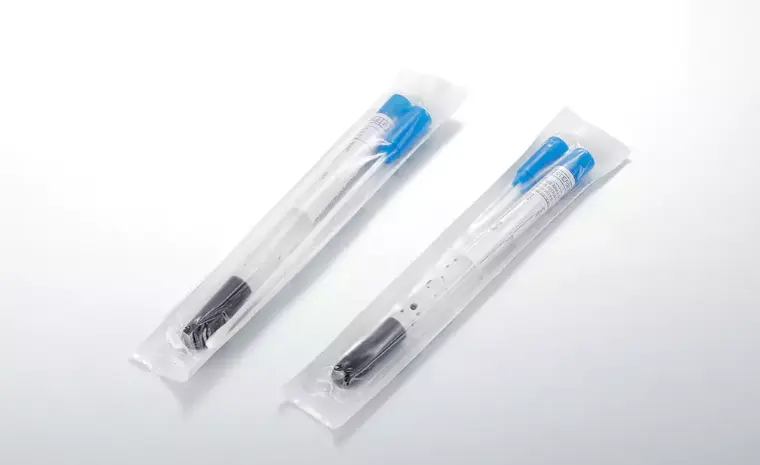
Pathology Specimen Analysis: Histology and Microscopy
Examination of a microscopic pathology specimen is grounded on histology. It is interested in the structure, organization, and pathology of tissues.
Important techniques include:
- Methods of analysis of histology samples.
- Pathology of tissue slides.
- Histopathology slide interpretation
- Pathology: Cellular morphology of cellular pathology specimens.
- Pathological pattern recognition
These methods enable experts to detect minute alterations that could be signs of early stages of diseases.
Diagnostic Applications in Medicine
Pathology is vital to contemporary medicine. It facilitates appropriate diagnosis and treatment planning of diseases.
Common applications include:
• Pathology of cancer specimen.
• Tumor pathology assessment
• Biological sample clinical diagnosis.
• Identification of infectious disease through the specimen.
• Pathology-based disease detection
Clinicians are able to determine the best treatment plans through the analysis of diagnostic pathology specimens.
High-End Technologies in the Examination of Specimens in Pathology
Digital tools and AI systems are now becoming part of modern laboratories to improve accuracy.
- Digital Pathology
- High-resolution slide scanning
- Remote consultation and diagnosis.
- AI-assisted pathology diagnostics
- Molecular and Genetic Analysis.
- Molecular pathology evaluation
- Genomic and proteomic tissue study.
- Identification of biomarkers in samples.
- Research-Based Approaches
- Translational pathology research
- Techniques of analysis of experimental pathology.
- Advanced disease modeling
These technologies enhance the interpretation of diagnostic specimens and minimize human error.
Use of Laboratory Equipment in Pathology
The tools to be used should be of high quality to facilitate accuracy in testing of clinical laboratory specimens in pathology.
Important equipment includes:
- Embedding cassettes
- Microtomes for sectioning
- Staining systems
- Microscopes that have digital images.
Cassette embedding, such as that which is offered by Trustlab China, offers proper orientation of tissues during processing. This improves the efficiency of analyzing the samples in the pathology laboratory and assists in obtaining a consistent result.
Why Trustlab China to Meet Pathology Laboratory Needs?
Trustlab China provides quality laboratory consumables that are accurate and robust. Their products contribute to the assistance of the present-day working processes in the pathology laboratories all over the world.
Benefits include:
• High-quality laboratory consumables
• Predictable tissue processing.
• Improved workflow efficiency
• Interoperability with contemporary pathology systems.
Best Practices of Correct Specimen Analysis
Laboratories are subject to high standards to guarantee reliable diagnostic results:
• Fixation and labeling of proper specimens.
• Standard preparation of samples in the laboratory.
• Consistent staining techniques
• Calibration of microscopes regularly.
• Quality control of diagnostic procedures.
These practices ensure the correctness of the procedures of pathological tissue analysis and improve patient outcomes.
Conclusion:
Pathology specimen analysis is no longer a laboratory activity because it is an influential diagnostic science that determines modern healthcare. Pathology is now, more than ever before, faster, more accurate, and more insightful with the advances in digital imaging, molecular testing, and the integration of AI.
Modern laboratories that possess quality equipment and modern tools have a better level of diagnostic confidence and patient care outcomes.
Trustlab China can offer you the quality tools that could be employed in modern pathology, in case you are interested in optimizing your laboratory workflow. Familiarize themselves with their new products and take their diagnostic accuracy to a new level.