


Updated 5 months ago
Electronic Pipette Speed Tuning: Stop Splashing in Viscous Reagents

Admin
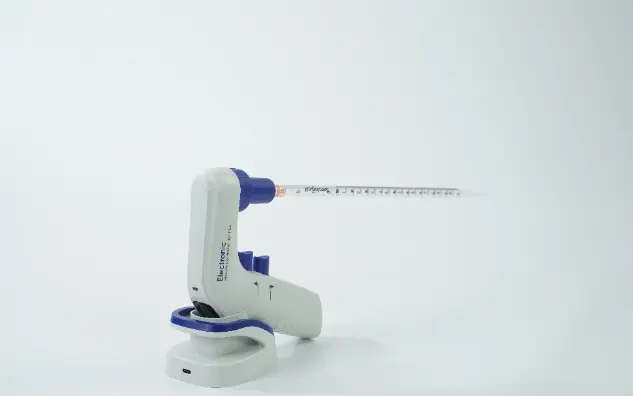
Electronic Pipette
When working with viscous liquids, a slow, precise Electronic Pipette becomes a game changer. One of the main issue experienced by laboratories is glycerol, serum, cell cultures, and concentrated protein solutions are dispensed without proper control. This results in inconsistency with the splashing and bubble formation. This makes the quality of the data poor, based on the sample, and is frustrating for the laboratories doing the research.
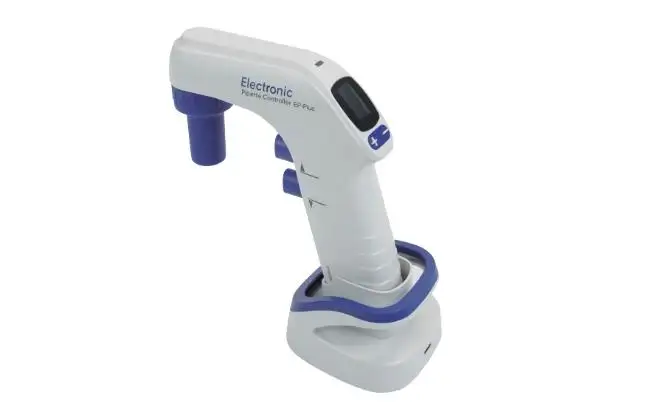
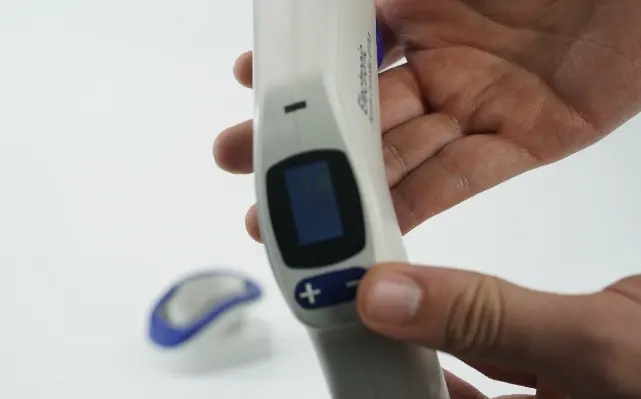
Each of the six adjustable speed levels and two drainage modes in Trustlab TLEP-Plus Electronic Pipette is designed to accommodate the different needs of 2026 laboratories.
The Real Cost of Speed Mismatch
The nature's of viscous liquids flow is not the same as that of water-based buffers. Speed is determined by the pipette, and the flow of liquid can be easily achieved. If a liquid turbulence is created during the pouring process, it results in bubble formation and an incomplete transfer. This can be a problem in molecular biology setups like PCR or qPCR. Micro-bubbles can be potency disruptive during the run, leading to unanticipated results. Several studies have demonstrated the viability of lymphocytes diminishes when the flow is not controlled.
The following are effects of a pipette that is poorly designed and does not allow for adequate speed control:
• Incomplete aspiration: Slowly flowing liquids will not fully fill the pipette tip. This causes a significant transfer volume error that can be as great as 2.3% for larger transfer.
• Residues on the tip: Sudden suction of proteinaceous solutions of liquids will cause some of the liquids to stick too much to the walls of the pipette. This will cause a sample cross-contamination to occur.
• Cause foaming and formation of aerosol: Sudden and rapid movements of liquids will cause a bubble to form and will in turn distort the measurements and pose a biohazard risk.
• Operator fatigue: The manual technique that is adopted to adjust to the poor pipette design will make the operator put in much more work and will increase the risk for repetitive strain.
According to the 2026 pipettes and accessories market report, labs are actively seeking electronic pipettes that reduce user-dependent variability and improve reproducibility across challenging liquid types. The answer lies not in complex protocols but in intelligent speed control.
Six-Speed Precision: Match Every Liquid's Flow
Trustlab's TLEP-Plus Electronic Pipette offers six selectable suction and dispensing speed levels, giving researchers fine-grained command over liquid movement. Unlike stepped-speed pipettes that force users into three rigid settings, the TLEP-Plus adapts continuously to the sample's rheology.
• Slow speeds (Levels 1–2): Ideal for high-viscosity reagents such as 80% glycerol, hyaluronic acid solutions, or cell lysates. Gentle suction prevents cavitation and bubble formation, while slow dispensing avoids splashing into microplate wells.
• Medium speeds (Levels 3–4): Perfect for serum, culture media, or antibody solutions. Maintaining a balanced flow maximizes tip emptying capability without foaming, ensuring sample integrity for subsequent assays.
• Fast speeds (Levels 5–6): Best for low-viscosity liquids, such as water, ethanol, or buffers. Valuable for quick transfers particularly in routine workflows.
Once standardized speed settings are noted, laboratory managers can decrease variable technique discrepancies amongst team members. Media transfer errors reduced by 63% for one researcher at a Shanghai vaccine lab after adopting a variable speed control pipette. That same level of consistency is delivered by the TLEP-Plus.
Dual Drainage Modes: Electric and Gravity for Ultimate Flexibility
Not all sample effects are of equal concern when speed is adjusted. Some viscoelastic samples respond better to gravity assisted rather than ejecting fast. The TLEP-Plus allows the user to choose from six adjustable speed settings for electric drainage and also offers the option of gravity drainage, ensuring the best method for each application.
• Electric drainage: For standard reagents and routine pipetting, This is especially valuable for high-throughput workflows where consistency is crucial.
• Gravity drainage: Provides a more gentle approach and is especially valuable for fragile materials such as primary cells, proteins, or blood that are susceptible to shear stress.
For example, in the preparation of nanoparticles with viscous PEG solutions, “zero-ramp” aspiration with gravity drainage results in complete transfer and eliminates droplet clinging. This is a unique feature among entry-level electronic pipets, distinguishing the TLEP-Plus as an innovatively designed tool for the diverse needs of laboratories in 2026.
Protecting Technicians Through Ergonomic Design
In addition to precision, the TLEP-Plus responds to the unsung challenge of today's laboratories: the repetitive strain injuries. Hand and arm complaints are reported by nearly 90% of researchers who pipette over an hour daily. Lightweight pipettes with low plunger resistance, and electronic tip ejection, coupled with the 2026 market trends are clear.
• Weight: 520 grams. The lightweight design of the TLEP-Plus allows for less muscle strain, enabling technicians to carry out extended 8-hour shifts comfortably.
• Unitized electronic design, and thumb force: The TLEP-Plus design means no plunger means no thumb fatigue. With thumb fatigue potentially resulting in musculoskeletal disorders, a button press for aspiration and dispensing greatly reduces this risk.
• Replaceable lithium battery: Supports intermittent use for more than 8 hours, then fully recharges in 2 – 3 hours. Batteries no longer create downtime, as you can swap one out and continue working.
Based on a 2026 survey on ergonomic risk management, thumb force exertion while pipetting is a significant cause of chronic pain. With an electronic pipette such as the TLEP-Plus, laboratories enhance data integrity and look after their most important resource: their employees.
Why Trustlab is Our Best Choice for 2026
Trustlab is a manufacturer, not a mass reseller, which is a more reliable option for 2026 liquid handling tools and more personalized large order modifications. Trustlab's manufacturing capabilities allow for streamlined technical support, more flexible and reliable quality control. We will always prioritize partnership and support for procurement teams. The TLEP-Plus Electronic Pipette is designed for the pharmaceutical research, clinical diagnostics, education, and industrial quality control.
The global electronic pipette market is growing at a CAGR of 5.3%, driven by automation and the need for high-throughput accuracy. Laboratories that invest in speed-tunable, ergonomic pipettes now will see immediate gains in reproducibility, technician well-being, and operational efficiency.
Ready to Eliminate Splashing in Your Lab?
Don't let viscous reagents compromise your results. Upgrade to the Trustlab TLEP-Plus Electronic Pipette and experience the difference of six-speed precision and gravity-assisted drainage.
��� Request your free quote today – share your application details and volume requirements, and our team will respond within 24 hours.
Frequently Asked Questions (FAQ)
Q1: Can TLEP-Plus Electronic Pipette work in very thick liquids like 100% glycerol?Yes. To minimize shear forces and maximize dispensing efficiency, adjust aspiration and speed levels to 1-2 and utilize gravity drainage to dispense.
Q2: Can speed tuning result in a loss of accuracy for low- viscosity liquids such as water?
Not at all. Water- based buffers can utilize speed settings in the 5 to 6 range in order to achieve the desired high throughput with an accuracy of ±0.5 %.
Q3: When working with very viscous reagents, how long does the battery last?
The replaceable lithium battery provides 8+ hours of intermittent use, even with frequent adjustments. It will be fully recharged in 2–3 hours.
Q4: Can the TLEP-Plus work with the normal universal pipette tips?
Yes. It is compatible with a wide range of materials and volumes (0.1–100ml), including glass and plastic, and even with Pasteur sterilizing tubes. There are no proprietary consumables.
Q5: Which type of labs benefit the most from the six-speed feature?
The biggest benefit is seen in labs like molecular biology, cell culture, clinical diagnostics, and biopharmaceuticals, that work with viscous or shear-sensitive samples regularly.