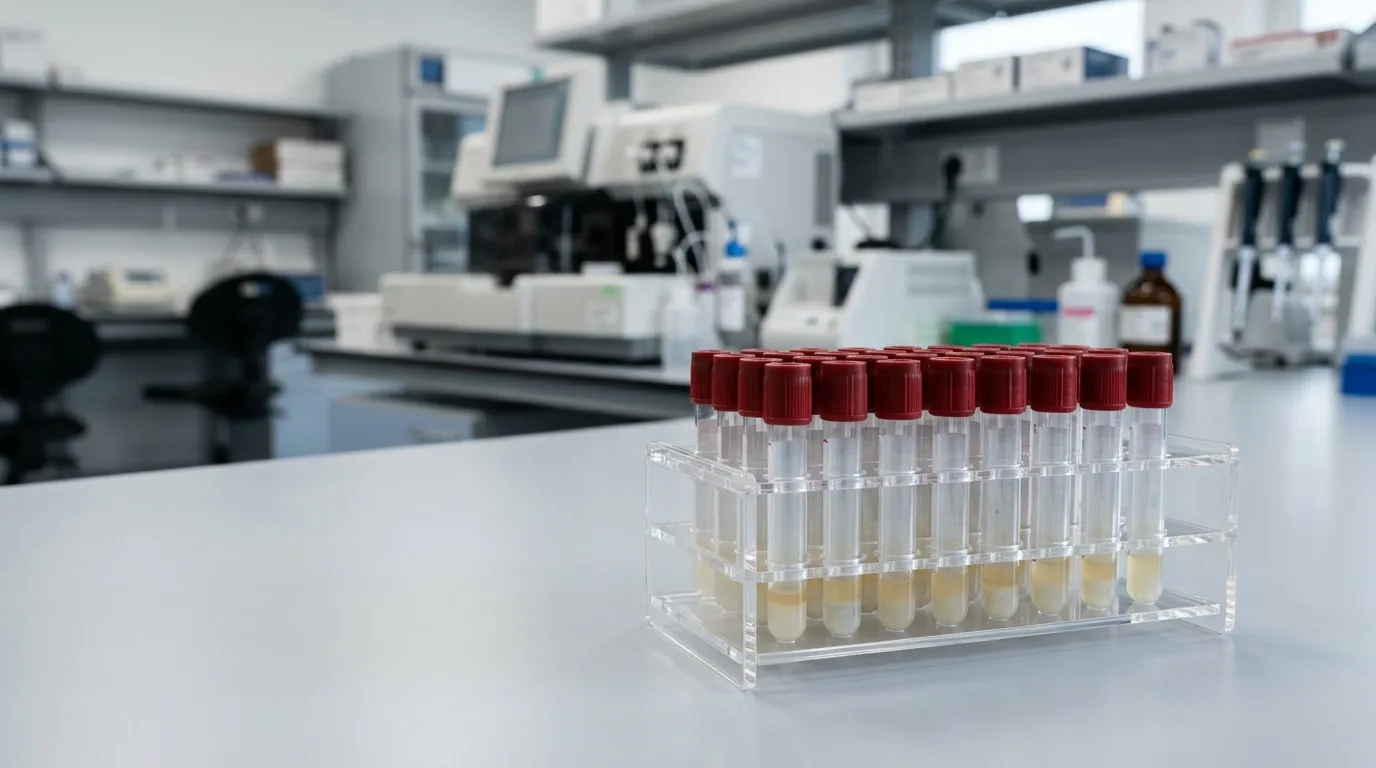




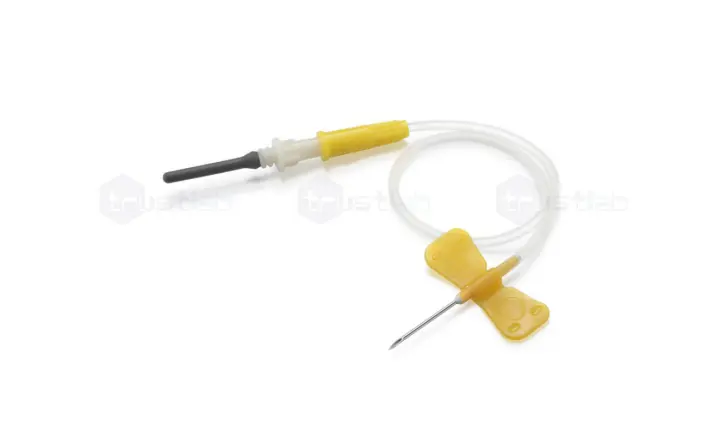
Blood Sample Collection Kits
Blood Sample Collection Kits are no longer judged only by sterility or price. In 2026, overseas buyers are paying closer attention to a harder question: can a kit reduce needlestick risk, protect sample quality, and still keep venous blood collection moving smoothly in busy hospitals, clinics, and diagnostic laboratories?
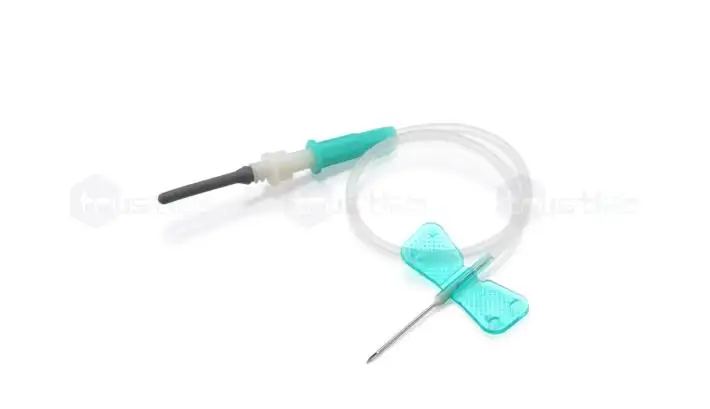
For Trustlab, this is where product design matters. Instead of treating the needle as a basic consumable, the company's safety blood collection needle is built around one clear feature: an integrated safety mechanism that shields the needle after use. That feature addresses one of the biggest practical challenges in blood collection today—how to improve staff protection without adding friction to the workflow.
Why the Industry Is Looking Beyond Basic Needles
The challenge is not simply drawing blood. The real challenge is drawing blood safely, consistently, and fast enough for modern clinical demand. CDC says hospital-based healthcare personnel still sustain about 385,000 needlesticks and other sharps-related injuries each year, and OSHA states that engineering controls, including safer medical devices, are the primary means of minimizing exposure. In other words, buyers are under pressure to choose products that prevent harm by design, not by reminders alone.
At the same time, sample quality cannot be separated from device choice. WHO stresses that errors during blood collection can affect diagnosis, and ADLM reports that most laboratory errors occur in the preanalytical phase, with a large share happening before the specimen even reaches the lab. That is why procurement teams now look closely at handling stability, smooth vein entry, tube compatibility, and disposal safety when comparing blood sample collection kits.
The Strongest Feature Is Immediate Safety Protection
Trustlab's answer to this problem is practical rather than complicated. The integrated safety mechanism helps shield the needle immediately after blood collection, which supports safer transition from procedure to disposal. That matters in real settings where speed, repetition, and staff fatigue can raise risk.
Examining the design against the daily workflow requirements clarify the benefits of this design:
•Safer Disposal: After collection, the protective mechanism limits exposure to the used needle.
•Less Handling: For venous blood collection, fewer steps are required as the holder is flexible supportive already.
•More Stable Control: For routine draws, the ergonomic design offers improved grip and control.
•Cleaner Workflow Fit: For seamless integration with existing systems, the blood collection tubes compatibility is standard.
•Reliable Sampling: For consistent blood sampling, the sharp tip needle is designed for easy entrance.
This is, for many, the expected improvement for 2026; enhancing safety with minimal changes in training, accessories, collection habits.
How Trustlab Aligns With 2026 Buying Trends
We are noticing a change in trend across the blood collection system. Safety-engineered devices are gaining ground, and the broader market continues to grow as testing demand, preventive screening, and laboratory infrastructure expand. Recent market analysis projects the global blood collection devices market at $10.11 billion in 2026, with continued growth driven in part by safety-focused product innovation. While market numbers vary by source, the direction is consistent: buyers want safer, more standardized, more workflow-friendly collection tools.
That direction fits Trustlab's product thinking well.
First, the needle supports safety-led procurement. OSHA's framework gives engineering controls priority, so integrated shielding is not a cosmetic upgrade; it matches the way many healthcare organizations now evaluate sharps-related products.
Second, it supports workflow continuity. CLSI notes that proper blood draw procedures and correct order of draw are essential to avoiding sample contamination, and those procedures apply across common collection methods using tube holders and evacuated tubes. A device that works with standard blood collection tubes helps facilities improve safety without disrupting familiar practice.
Third, it supports training efficiency. In busy hospitals, outpatient centers, and laboratory networks, buyers often prefer products that are easy to understand, easy to activate, and easy to dispose of correctly. A pre-attached holder and straightforward safety activation can help shorten adaptation time for frontline staff, especially in high-volume environments. This is an inference based on CDC's emphasis on injury prevention programs, device evaluation, and staff training as part of safer sharps use.
Why This Matters for Buyers
For importers, distributors, and medical supply buyers, a safety blood collection needle is not only a clinical item. This entails how the product is compliant, how users might accept it, and the account's potential value over time.
This is how the product is differentiated in the market:
•For Hospitals and Clinics: It addresses staff safety concerns during blood sampling.
•For Diagnostic Laboratories: It contributes to seamless operations where the sample volume and handling remain unchanged.
•Suitable for High-Traffic Projects: Ideal for environments where equipment is frequently reused.
•For Distributors: It provides an upgraded value proposition over a standard needle because the benefit is tangible and visible.
•For Global Procurement Teams: It is easy to substantiate confidence across different markets because of the sterile, single-use, and also ISO and CE certified products.
Trustlab adds to that as a manufacturer. Buyers in 2026 will not merely be looking at the unit price; they will also consider supplier agility, documentation, consistent production, and the ability to respond to specific use cases.
A manufacturer that understands both clinical workflow and regulatory expectations is in a better position to support long-term supply relationships.
A Better Direction for Blood Sample Collection Kits
Blood Sample Collection Kits should help healthcare teams work with more confidence, not more caution. That is why the integrated safety mechanism in Trustlab's design is the right feature to lead with. It speaks directly to today's most important challenge: reducing needlestick risk while keeping blood collection accurate, comfortable, and efficient.
For buyers serving hospitals, clinics, and laboratories, this kind of product offers a balanced answer to 2026 demand. It protects staff, fits established workflows, supports standard tube compatibility, and reflects the broader move toward safer, better-engineered blood collection devices. In a category often treated as routine, that is the kind of detail that creates real purchasing value.
FAQ
1. What is the Function of Blood Sample Collection Kits?
These kits provide a way for blood to be collected from patients in a secure and efficient manner. This is done in a hospital, lab, or clinic setting.
2. What is the Purpose of a Safety Blood Collection Needle?
It assists in minimizing the possibility of a needlestick injury and provides a way for safer handling after blood is drawn.
3. Can the Needle be Used with Typical Blood Collection Tubes?
Absolutely. The needle is designed to be used with blood collection tubes so that there is no interruption of the processes in the work cycle.
4. What Makes This Product Ideal for High-Volume Applications?
This is due to its rapid safety activation, reliable design, and construction that advocates for stable handling. These, together, facilitate routine, repeated, and sustained sampling tasks.
5. In What Way Doesn This Product Design Support Blood Collection Efficiency?
Due to the ergonomics of the blood holder and its design, the sample collection holder provides blood sample collection with control and simplicity. This collection kit is ultimately designed for a greater ease of use.