


Updated 4 months ago
Hematology Blood Collection Guide | Procedures, Safety & Techniques
sidrahafeez754
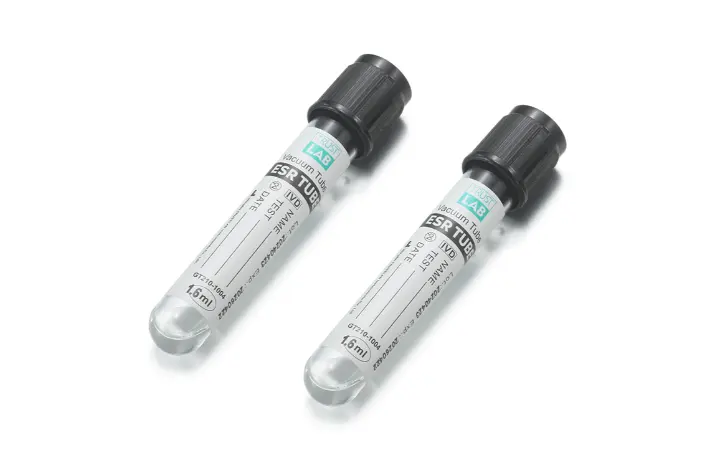
Hematology Blood Collection
What is Hematology Blood Collection?
Hematology blood collection is the technique of collecting whole blood samples to be used in diagnostic tests, particularly in examining blood cells such as RBCs, WBCs, and platelets. This is also referred to as:
• Hematology sample acquisition
• Diagnostic blood sampling
• Blood draw procedure in medicine.
• Clinical blood sample collection.
Some of the tests that are done on these samples include Complete Blood Count (CBC), blood morphology, and ESR.
Hematology Blood Collection: Guide to Accurate Laboratory Diagnosis
- The basis of precise diagnostic testing in contemporary clinical laboratories is Hematology Blood Collection. All the outcomes that are presented in a hematology report start with a single important procedure, which is proper blood sampling.
- Even the most sophisticated analyzer cannot provide any reliable results in case the sample is not collected properly.
The Importance of It in Laboratory Diagnostics
Everything is precise in hematology laboratory diagnostics. Any minor mistakes made in the collection may impact:
• Accuracy factors of hematology tests.
• Cellular blood component analysis.
• Hematology testing workflow
• Stability of specimen in hematology testing.
That is why laboratories have strict guidelines for hematology specimen collection and standardized protocols.
Pre-Analytical Phase: The Most Important Phase
Most laboratory errors are made during the pre-analytical laboratory phase. It includes:
• Patient preparation
• Venous blood collection method.
• Labeling and handling
• Transport to the laboratory
This phase has a direct influence on blood specimen integrity control and the reliability of the test.
The Major Aspects of Pre-Analytical Control
• Proper patient identification
• Correct anticoagulant selection
• Immediate sample mixing
• Prevention of hemolysis or clotting.
• Biosafety in blood collection.
Hematology Blood Collection Procedure Step-by-Step
Patient Preparation
Before hematology blood sampling, describe the process. Assure patient comfort and verify identity.
Equipment Selection
Use certified laboratory blood collection consumables:
• CBC EDTA tubes.
• ESR test tubes
• Sterile needles
• Vacationer system
Hematology Testing Via Venipuncture
Hematology venipuncture should adhere to the following steps:
- Select an appropriate vein
- Apply a tourniquet
- Disinfect skin properly
- Insert the needle at the right angle
- Take a complete blood test
This is also known as the medical blood draw procedure in clinical laboratories.
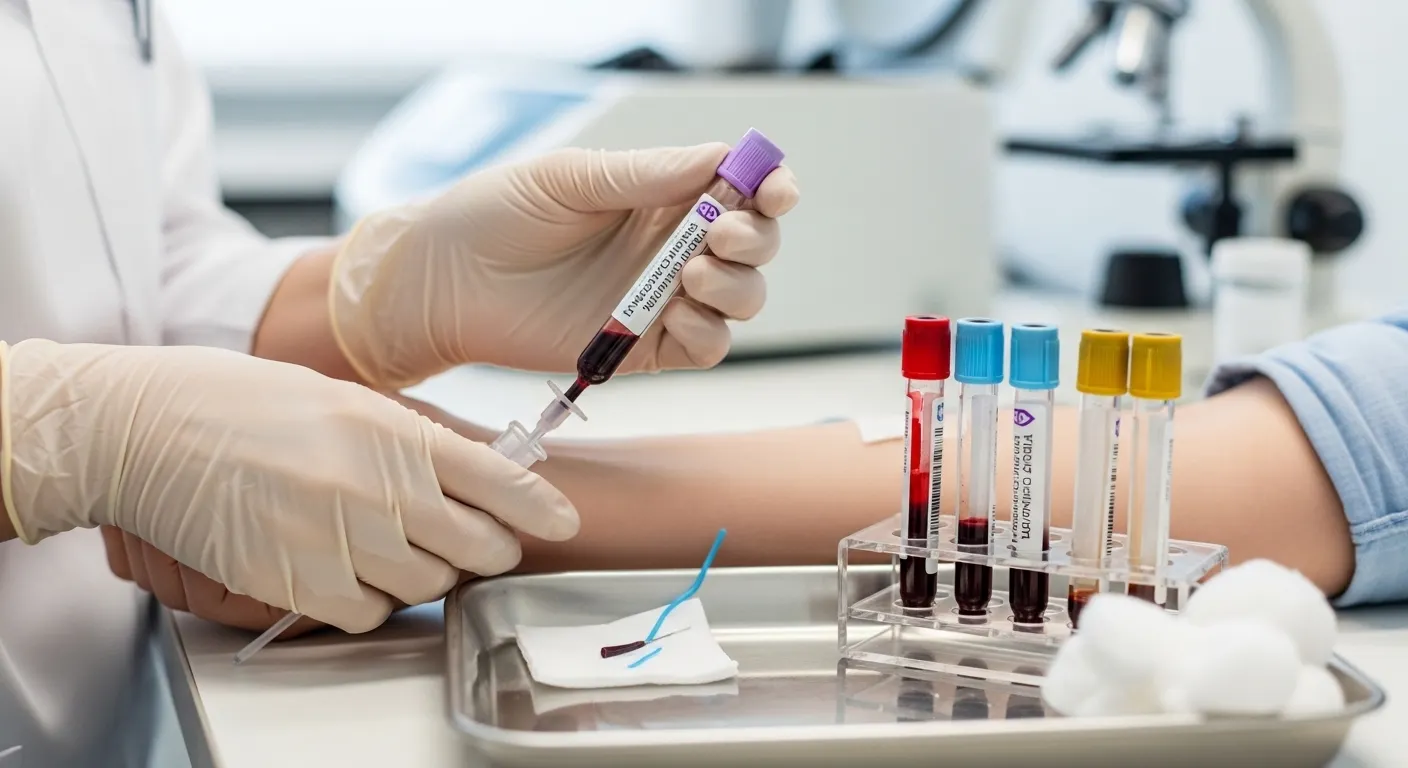
Anticoagulant Tube
In the case of hematology testing, EDTA blood collection for hematology is the gold standard. EDTA tubes help in:
- preventing clot formation
- maintaining cell structure
- ensuring sample stability
They are needed in the collection of complete blood count (CBC) samples. Mixing and Labeling: Turn tubes immediately to combine the anticoagulant and blood. Avoid errors by using a specimen labeling and tracking system.
Hematology Blood Collection Methods in the Laboratory
In laboratory work, modern laboratories adhere to a systematic approach to hematology blood collection methods to achieve consistency. Key Techniques Include:
- Collection of a whole blood sample through the Vacutainer system
- Handling of anticoagulated blood samples
- Preparation of peripheral blood smear
- Sample input of a hematology analyzer
All of the steps guarantee the integrity of the hematology laboratory samples.
Clinical Laboratory Hematology Testing Workflow
The hematology workflow in the clinical laboratory consists of:
- Sample collection and transportation
- Sample processing Analyzer testing
Result Validation
This is a workflow that guarantees proper diagnostic hematology sample collection and reporting.
Blood Collection Safety and Infection Control
To ensure the safety of patients and employees, biosafety in blood collection procedures is strictly followed in laboratories. Prevention of Infection during Venipuncture.
- Take sterile disposable needles.
- Put on gloves and protective equipment
- Sharps disposal
- Avoid needle reuse
Such measures minimize the risk of contamination and infection.
Hematology Handling and Transport of Specimens
The handling and transportation of hematology specimens should be done properly to obtain reliable results. Best Practices Include:
- Maintain temperature stability
- Avoid excessive shaking
- Movement within the suggested time
- Avoid hemolysis and clotting
This will provide adequate quality control in the handling of laboratory samples.
Hematology Blood Sampling Common Errors
Hematology blood sampling can be subject to errors even among trained professionals. Frequent Errors:
- Incorrect tube selection
- Underfilled EDTA tubes
- Delayed mixing
- Improper labeling
- Poor venipuncture technique
Such errors influence pre-analytical error reduction in hematology and test reliability.
Best Practices in Accurate Hematology Blood Collection
To obtain high accuracy in blood collection procedures in hematology, the following best practices should be observed:
- Use standardized protocols
- Train staff regularly
- Maintain infection control
- Use anticoagulants appropriately
- Check the quality control of specimens
These measures enhance the control of the quality of hematological test samples.
Laboratory Equipment and Consumables
Quality consumables are significant in precision. These include:
- hematology blood collection tubes
- phlebotomy tools
- ESR and CBC tubes
- laboratory blood collection supplies
Quality equipment helps in the laboratory hematology instrumentation workflow and minimizes errors.
ESR Testing and Its Relevance in Hematology
The ESR (Erythrocyte Sedimentation Rate) test is commonly used in the detection of inflammation and the monitoring of diseases. ESR tubes are designed specifically to:
- accurate sedimentation measurement
- stable anticoagulation
- consistent sample results
Global Hematology Laboratories Support
In the contemporary medical practice, the success of a laboratory is dependent on credible suppliers. Trustlab China offers quality diagnostic consumables that support:
- hematology sample collection
- clinical pathology workflows
- diagnostic accuracy
- hospital laboratory systems
Their products are created to facilitate safe collection of hematology specimen procedures and provide uniformity in all diagnostic procedures.
Conclusion
Hematology Blood Collection is not just a routine procedure. It forms the basis of all correct diagnoses in clinical medicine. From venipuncture to EDTA tube manipulation, each step affects patient outcomes and laboratory confidence. By adhering to rigorous standards, implementing biosafety, and consuming high-quality materials, the hematology testing process can be more dependable and effective when laboratories adhere to these standards. For laboratories that want to enhance accuracy and efficiency, it is important to select partners they trust. Trustlab China has remained in the service of healthcare systems across the world through its high-end consumables that are precise and safe. A single sample, a single ideal process, and a single system of trust can transform the whole diagnosis process.