


Updated 5 months ago
Laboratory Specimen Observation: Complete Guide to Clinical Analysis
sidrahafeez754
Laboratory Specimen Observation
Methods and Practices of Laboratory Specimen Observation
Modern medical diagnostics is the laboratory specimen observation. It is at the point of science and accuracy. All diagnoses, all treatment protocols, and all medical judgments usually start with a small biological sample that is painstakingly examined within a lab.
It is not just a procedure of examining samples. It concerns the knowledge of biological behavior, abnormality detection, and aiding proper clinical judgment. Since the beginning of clinical specimen observation and laboratory specimen analysis, both processes have been crucial in the healthcare systems of the world.
The Knowledge of the Observation of Laboratory Specimens
Laboratory specimen observation is a systematic examination of biological samples like blood, tissue, urine, or microbial cultures in a controlled laboratory environment.
It Includes:
• Laboratory sample examination
• Clinical specimen analysis
• Biological sample observation
• Lab-based specimen assessment
• Specimen morphology study
It is used to determine disease conditions, track infections, and cellular behavior. Simply put, laboratory diagnostics workflow is based on laboratory specimen observation, which guarantees proper and quality medical reporting.
Importance of Laboratory Specimen Observation in Diagnostics
The role of observation of laboratory specimens cannot be overestimated in contemporary medicine. It directly supports:
• Early disease detection
• Accurate diagnosis confirmation
• Monitoring treatment response
• Pathological sample inspection
• Biomedical specimen analysis
Doctors use diagnostic specimen analysis to make life-saving decisions. Unless specimen analysis is done in a laboratory, medical treatments may not be accurate.
In clinical pathology, a diagnosis may change even a small mistake in the observation of laboratory diagnosis. This is the reason why there are strict guidelines and standard practices in labs.
Techniques of Specimen Collection and Handling
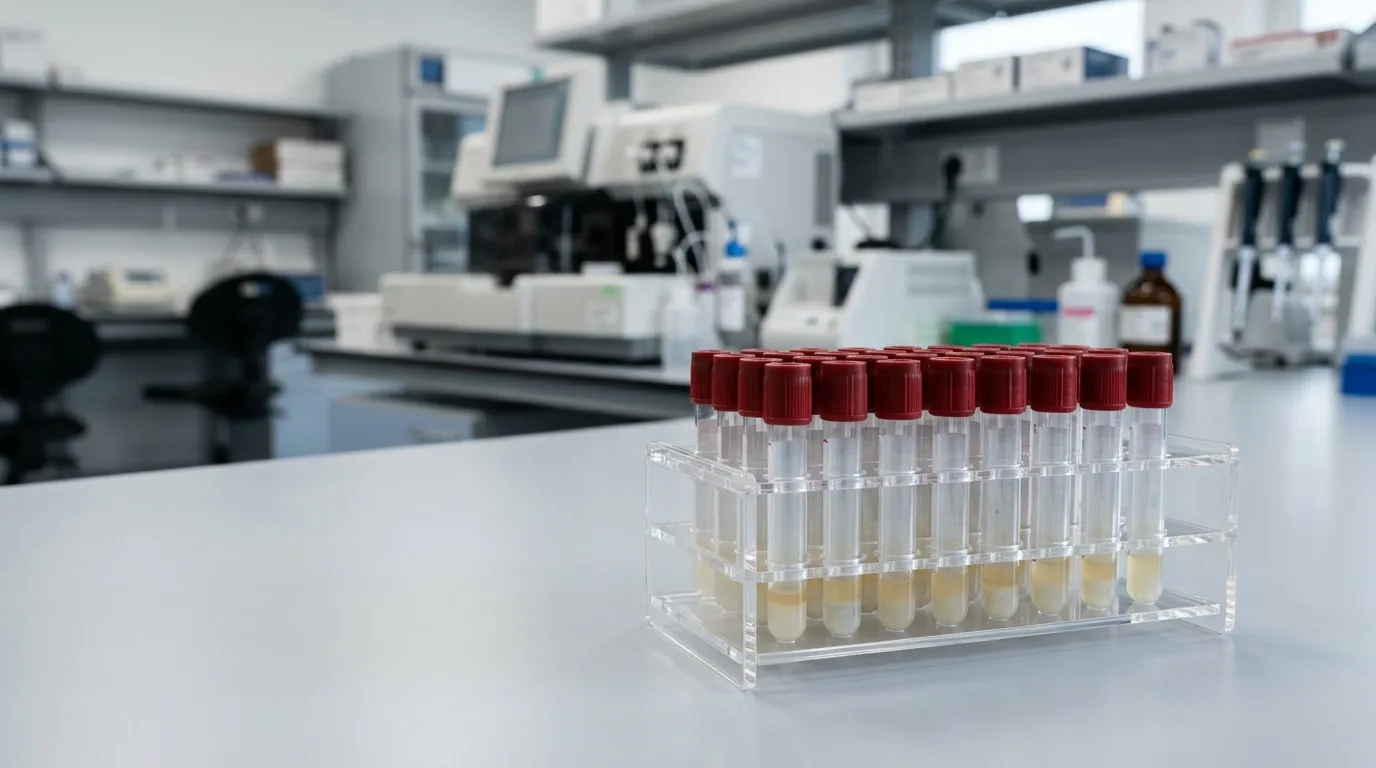
Proper handling and collection of specimens is necessary before any observation can start. This guarantees the integrity of samples and correct results.
Key Steps Include:
• Sterile collection procedures
• Correct labeling and record keeping.
• Fixation and preservation of samples.
• Safe transportation to the laboratory
• Avoiding contamination during handling
They are laboratory testing procedures that are critical to the quality assurance of samples. Mishandling can lead to misinterpretation of the diagnostic specimen, which can affect patient care.
Step-By-Step Process of Observing Laboratory Specimen
The specimen observation process is based on a scientific method. This can be simplified as follows:
1. Sample Reception
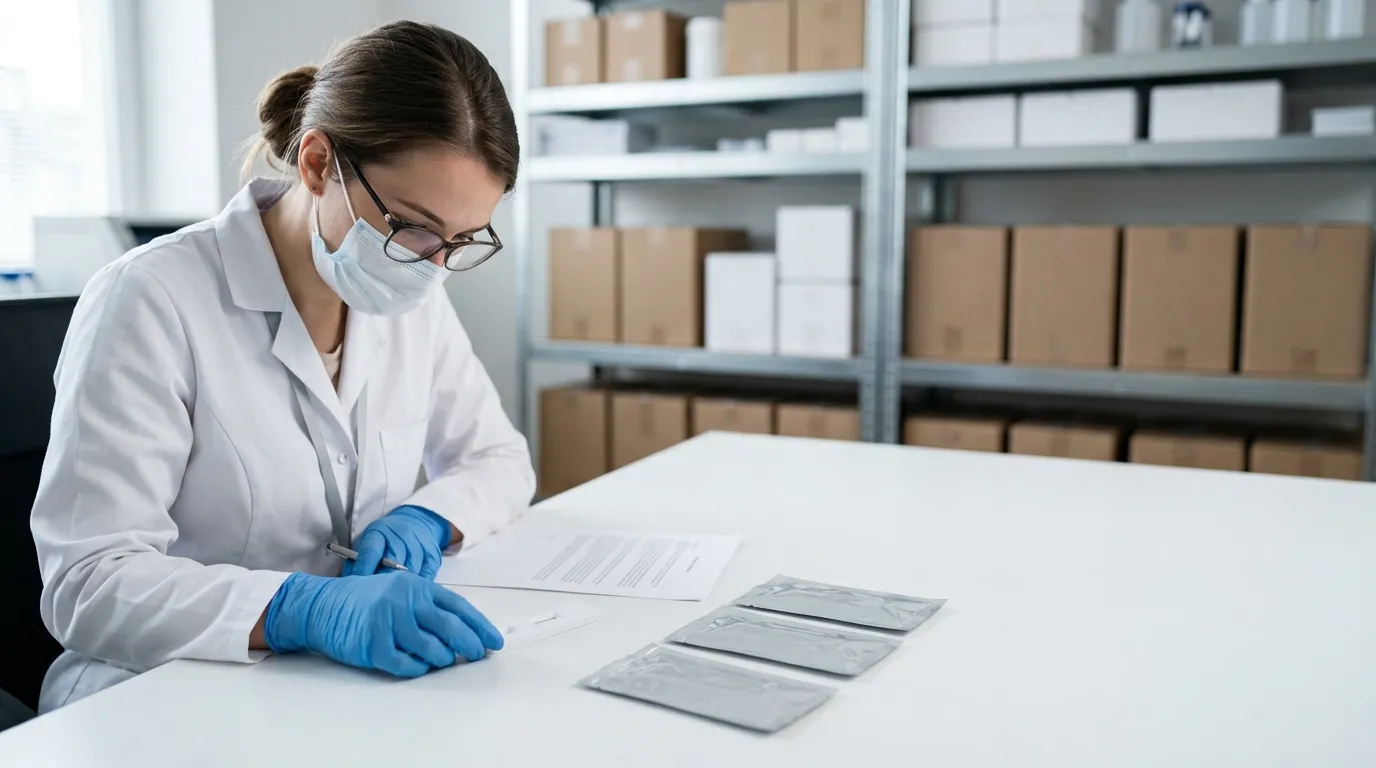
The specimen is taken to the lab and registered in the diagnostic reporting system.
2. Sample Preparation
Staining, sectioning, or culturing as required. This is part of the sample preparation techniques.
3. Microscopic Examination
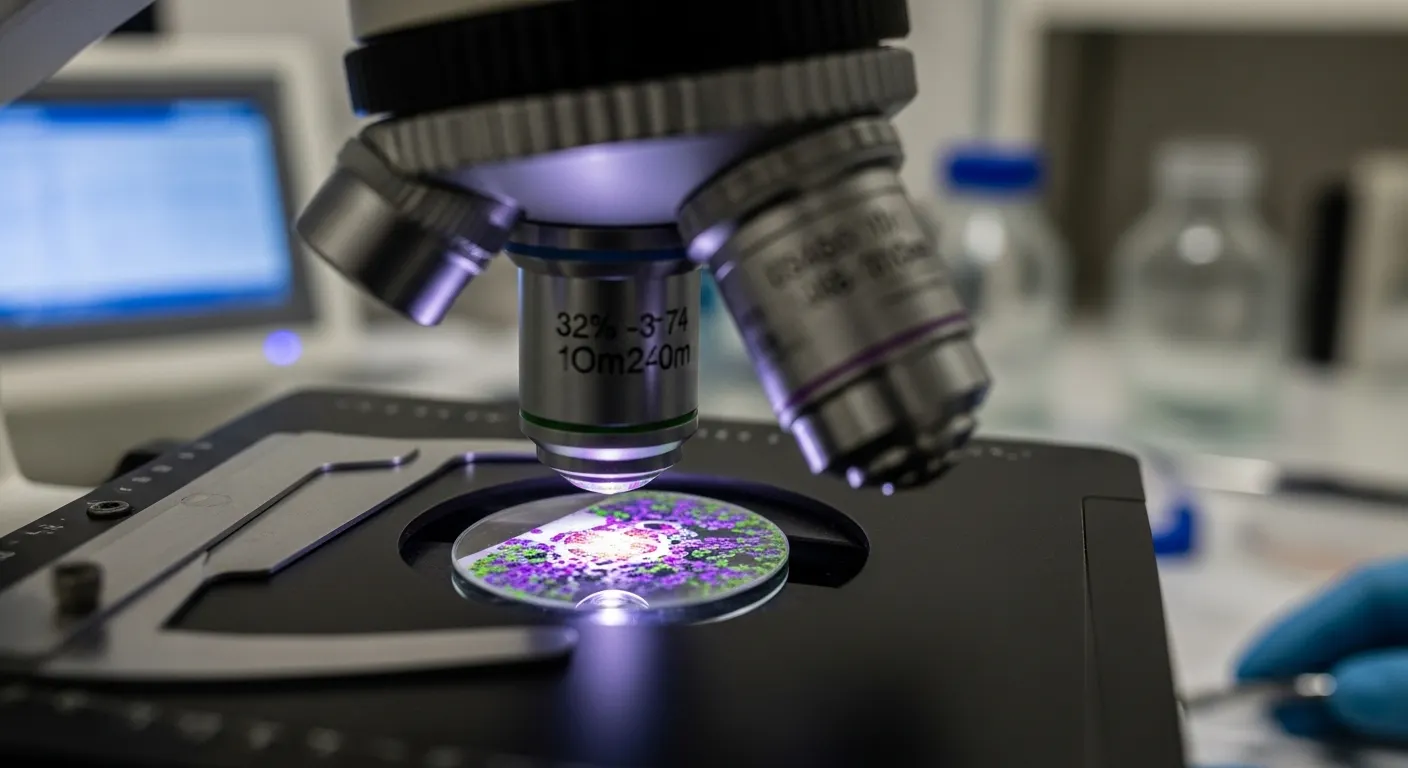
Microscopic analysis of specimens is done by technicians with the help of advanced lab microscopes.
4. Observation and Interpretation
Cellular pathology evaluation and morphology study of specimens are performed by experts.
5. Reporting
The results are recorded in the laboratory workflow optimization system.
This is a systematic methodology that ensures that all the processes of observing clinical specimens are accurate.
Laboratory Techniques of Observation of Specimens
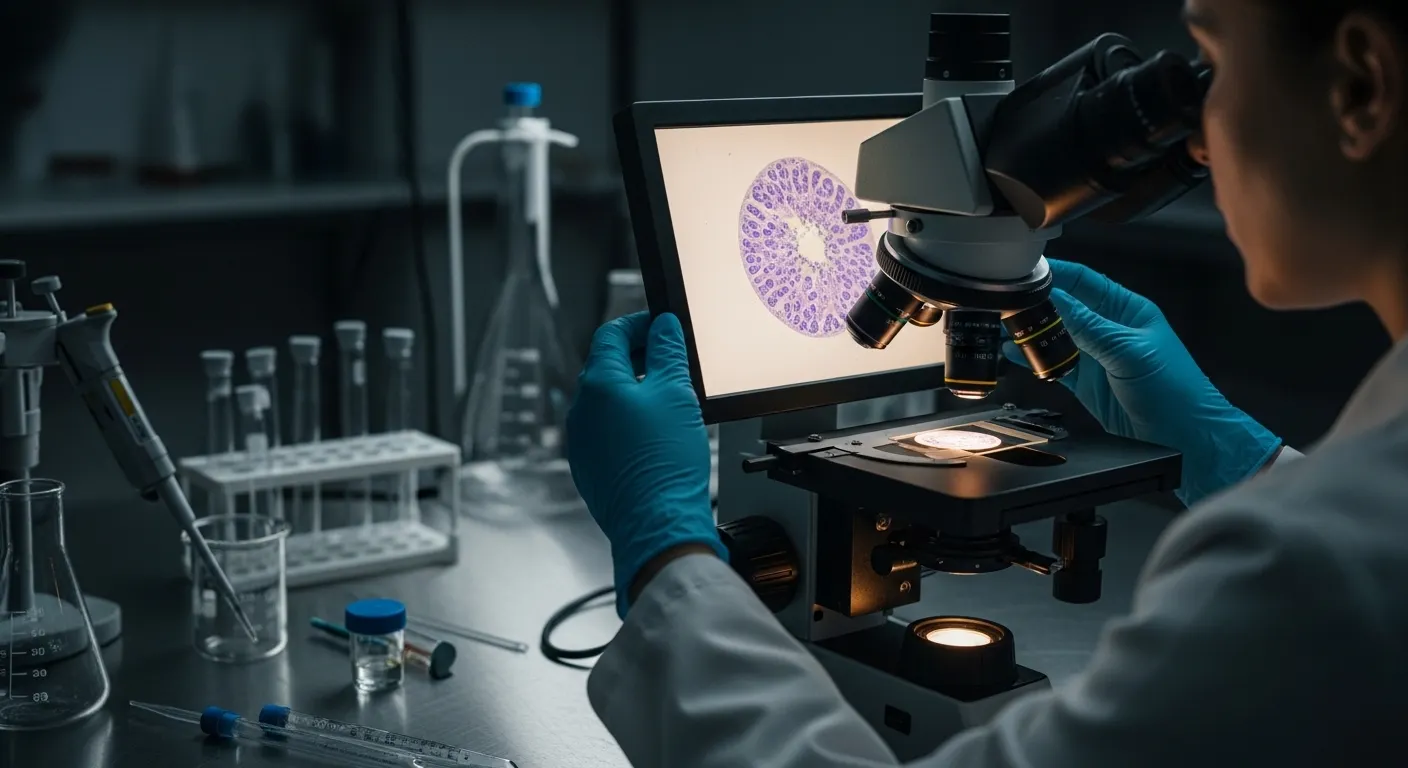
Laboratory specimen observation under a microscope and other analytical techniques are some of the advanced techniques that are used in modern laboratories.
Microscopy-Based Techniques
• Histopathological observation
• Cytological sample study
• Microbiological slide analysis
• Tissue slide examination
• High-resolution lab microscopy
Clinical Testing Techniques
• Clinical pathology examination
• Diagnostic laboratory testing
• Medical specimen screening
• Disease detection through specimens
Advanced Scientific Techniques
• Molecular specimen evaluation
• Bioanalytical testing procedures
• Experimental specimen observation
• Histological study methods
Such methods guarantee accurate examination of lab specimens and enhance the accuracy of diagnosis.
Histologic, Microbiologic, and Cytologic Analysis
The observation of lab specimens involves different areas of science.
Histological Specimen Observation
Dwelling on tissue structure and alteration of disease with the help of staining.
Microbiological Specimen Analysis
Identify bacteria, viruses, and pathogens in biological samples.
Cytological Specimen Observation
Examines the individual cells to detect abnormalities.
These methods are useful in specimen-based diagnosis of the disease, which guarantees more profound medical knowledge.
Laboratory Workflow and Quality Control
An effective laboratory diagnostics workflow is credible and effective.
Key Elements Include:
- Collection and preparation of specimens.
- Laboratory testing procedures
- Quality control in the analysis of specimens.
- Lab processing and reporting.
- Diagnostic reporting system
To ensure that all clinical specimen analyses are of international standards, quality control will be employed. Automation tools are also used in laboratories to enhance the optimization of laboratory workflow and minimize human error, as well as maximize speed.
Microscopes in the Observation of Laboratory Specimens
The foundation of microscopic specimen analysis is the microscope. In their absence, cellular-level analysis would not be feasible. The high-quality instruments are used in modern labs to:
• Cellular structure observation
• Tissue analysis
• Pathological interpretation techniques
• Biomedical specimen study
A high-performance microscope enhances the ability to view laboratory specimens under a microscope, which is more accurate in diagnosis.
Best Practices of Biological Specimen Observation
To obtain the right results in the observation of biological specimens, the laboratories follow best practices:
• Maintain sterile environment
• Follow standardized protocols
• Properly fix and preserve samples.
• Lab instruments must be used in a calibrated manner.
• Train personnel on clinical procedures for observing specimens in the laboratory.
The practices enhance accuracy in laboratory specimen testing and minimize diagnostic mistakes.
Clinical and Diagnostic Applications
The observation of laboratory specimens is very important in healthcare applications, including:
• Infection detection
• Cancer diagnosis
• Blood disorder analysis
• Organ function evaluation
• Disease monitoring
The medical lab investigation procedures enable doctors to diagnose conditions at an early stage and provide effective treatment. This renders observation of laboratory specimens a pillar of contemporary health care systems.
An Academic and Higher Perspective on Scientific Understanding
Laboratory Specimen Observation Includes:
• Laboratory research methodology
• Cellular pathology assessment
• Histological study methods
• Molecular specimen evaluation
• Bioanalytical testing procedures
These cutting-edge methods aid biomedical specimen analysis and scientific discovery. Observation of experimental specimens is the method that helps researchers to create new diagnostic tools and enhance healthcare outcomes.
Conclusion
Laboratory specimen observation is more than a technical process. It is a scientific process that turns small biological samples into life-saving medical information. Every step is important since microscopic analysis of specimens up to advanced diagnostic specimen analysis.
Trustlab China is the firm to turn to when you require quality laboratory solutions, high-end diagnostic equipment, and professional-quality instruments. Get to know about good laboratory equipment that is precise, works well, and is appropriate to contemporary science. Enhance your lab accuracy to another level with Trustlab China, where science and accuracy collide.