


Updated 4 months ago
Laboratory Tubes and Vials | Guide to Lab Sample Storage & Uses
sidrahafeez754
Laboratory Tubes and Vials
What are Laboratory Tubes and Vials?
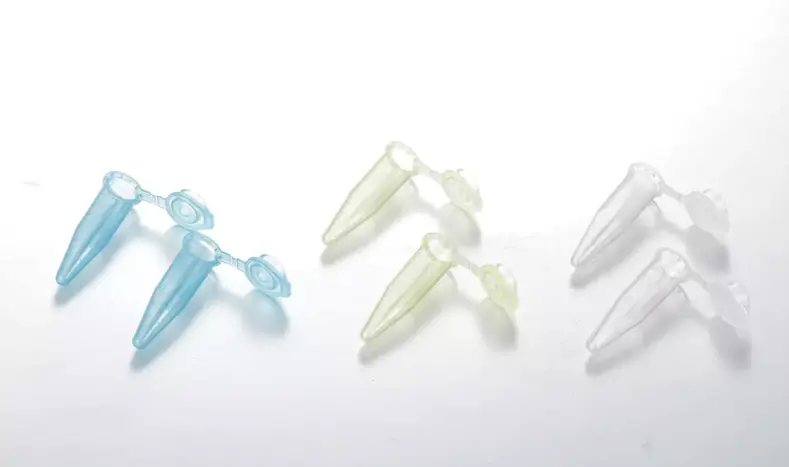
Laboratory Tubes and Vials are not just containers in the world of modern science. They are the basis of laboratory diagnostics, biomedical research, clinical laboratory testing, and chemical analysis. From the simplest of hospitals to the most advanced of research centers, all the drops of sample depend on safe, sterile, and reliable storage.
They may also be called laboratory sample tubes and vials, lab tubes and vials, or medical laboratory vials, but they are all the same, to offer integrity, accuracy, and simplify complex scientific processes.
The Science Process Requires Vials and Laboratory Tubes
Sample collection and storage of the specimen are the source of any laboratory process. The containers of high quality are required to deliver the appropriate results despite the most developed equipment.
Laboratory Tubes and Vials are typically used in:
- Storage and preservation of specimens.
- Laboratory tests and diagnosis.
- Molecular biology and biomedical research.
- Chemical and reagent analysis.
- In vitro tests and microbiology.
They are miniature but convenient tools that ensure that the contamination, aseptic handling processes, and efficiency of laboratory workflow are controlled. Even the tiniest error in working with a sample in the clinical environment can affect patient outcomes. This is why sterile laboratory tubes and sample storage vials are a trendy order in the contemporary lab.
The Modern Laboratories Use Tubes and Vials with in the Laboratory
Different types of lab specimen tubes and vials will be required in various scientific applications. All the types are workflow-specific.
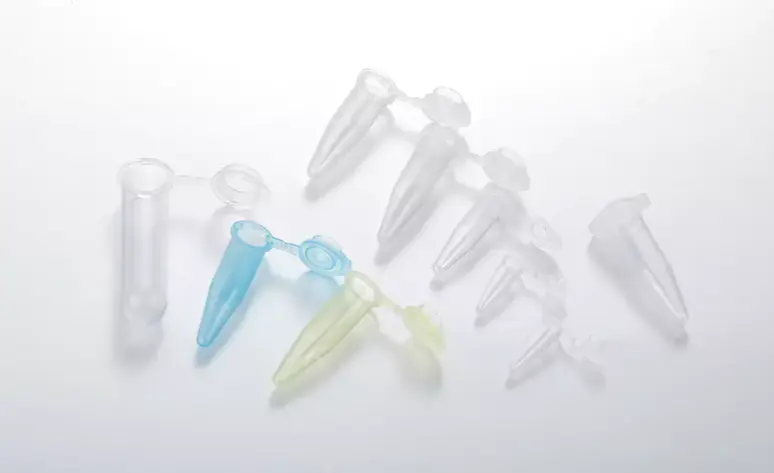
Micro Centrifuge Tubes and Centrifuge Tubes
They play an important role in centrifugation and sample preparation. They are commonly used in DNA, protein analysis and cell separation.
Oftentimes wilt find:
• Centrifuge machines compatibility
• High-speed centrifugation resistance
• Leak-proof sealing systems
Cryogenic Vials
The vials are employed in storage of cryogenic storage materials and cold chain storage; the vials are designed in a manner that they can withstand the extremely low temperatures.
They are trendy in:
• Stem cell research
• Genetic preservation
• Long-term biological storage
Laboratory Test Tubes
They are universal, and are critical, and are normally applied in microbiology tests and chemical analysis. They enable easy mixing and experimentation of reagents.
Specimen Collection Tubes
They are widely used in laboratory tests in clinical laboratories and hospital laboratory consumables, especially blood and urine samples.
Common types include:
• Blood collection tubes
• Serum separation tubes
• Plasma storage containers
• Urine sample containers
Characterizing Materials of Performance and Reliability
Laboratory Tubes and vials are very sensitive when it comes to material composition.
Polypropylene (PP) Tubes
• Lightweight and durable
• Chemically resistant materials
• Sterilizable plastics.
Borosilicate Glass Vials
• High thermal resistance
• Excellent chemical stability
Usually, during chemical analysis and storage of reagents.
Advanced Polymer-Based Labware
Other operating labs are:
- Low retention micro tubes
- Leak-proof sealing systems
- Snap-cap and screw-cap closures.
These properties offer sterile consumables performance and storage without contamination.
Sample Processing and Lab Workflow
The laboratory work necessitates effective sample processing of diagnostic samples and sample preservation.
The workflow activities are the most significant:
• Sample collection
• Sample preparation
• Centrifugation process
• Reagent storage
• Cold chain storage
• Sample labeling systems
The containers in which the laboratory sample will be kept must be of good quality and must be in a place that does not collapse in the process.
Handling also ensures:
• Reduced contamination risk
• More effective lab workflow.
• Accurate diagnostic outcomes
Medical and Clinical Laboratory Uses
Hospitals and diagnostic centers use medical laboratory tubes and vials on a daily basis to test patients.
Clinical Applications Include:
- Blood tests and serum tests.
- Separating and storing plasma.
- Pathological sample analysis
- Urine and fluid tests.
- Diagnostic specimen vials.
Such tools are important in clinical diagnostics tools and patient sample tracking systems that ensure that the results are accurate and valid.
Biomedical Research and Advanced Science
Research facilities that result in more scientific discoveries involve the use of research tubes and vials in conducting research activities.
They are trendy in:
• Molecular biology workflows
• In vitro experimentation
• Pharmaceutical research
• Biotechnology development
• Environmental testing labs
• Forensic science analysis
Long experiments require the use of long tubes and vials by the researchers to maintain sample stability.
High-Quality Laboratory Tubes and Vials with Technical Characteristics
The modern laboratories demand precisely engineered consumables. Technical features of good-quality laboratory vials are:
• Sterilize polypropylene tubes.
• Autoclavable and reusable laboratory tubes.
• Aggressive reagent lab vials that are resistant to chemicals.
In the laboratory, screw-top vials.
- Sample tubes (snap caps) to be used should be opened.
- High-speed centrifugation tubes.
- Closed specimen storage systems.
- Reduced retention of micro tubes to minimize loss of samples.
The properties render it compatible with the modern analytical equipment, micro centrifuges, and freezers in the laboratory.
Laboratory Equipment Ecosystem
No single lab tube. They are part of an entire ecosystem that consists of:
- Centrifuge machines
- Pipettes and pipette tips.
- Cryogenic storage racks
- Sample racks and sample holders.
- Biosafety cabinets
- Autoclaves for sterilization
- Laboratory incubators
- Micro centrifuges
They are combined to create a well-flow system of laboratory diagnostics and biomedical research.
Choosing the Right Laboratory Tubes and Vials at TrustLab
The selection of the right laboratory tubes is dependent on the use, the material, and the storage needs.
- At TrustLab, quality is accuracy. Our products will also provide quality laboratory consumables and testing solutions to the laboratories throughout the world.
- Durability, accuracy, and safety are the issues of TrustLab in all its products, beginning with laboratory storage vials and sterile laboratory tubes to store samples.
Conclusion:
In modern science, accuracy begins with the minutest detail. Laboratory Tubes and Vials are not containers, and they are the secret to the success of laboratory diagnostics, clinical testing, and biomedical research. All these processes demand quality consumables, from centrifugation processes to cryogenic storage. At TrustLab, we are integrating reliability, innovation, and precision to assist laboratories throughout the world. It starts here when you need accuracy, safety, and dependability.