


Updated 3 months ago
Application of Pen-Type Blood Collection Needle in Special Patient Populations: Pediatrics, Geriatrics, and Oncology

Admin
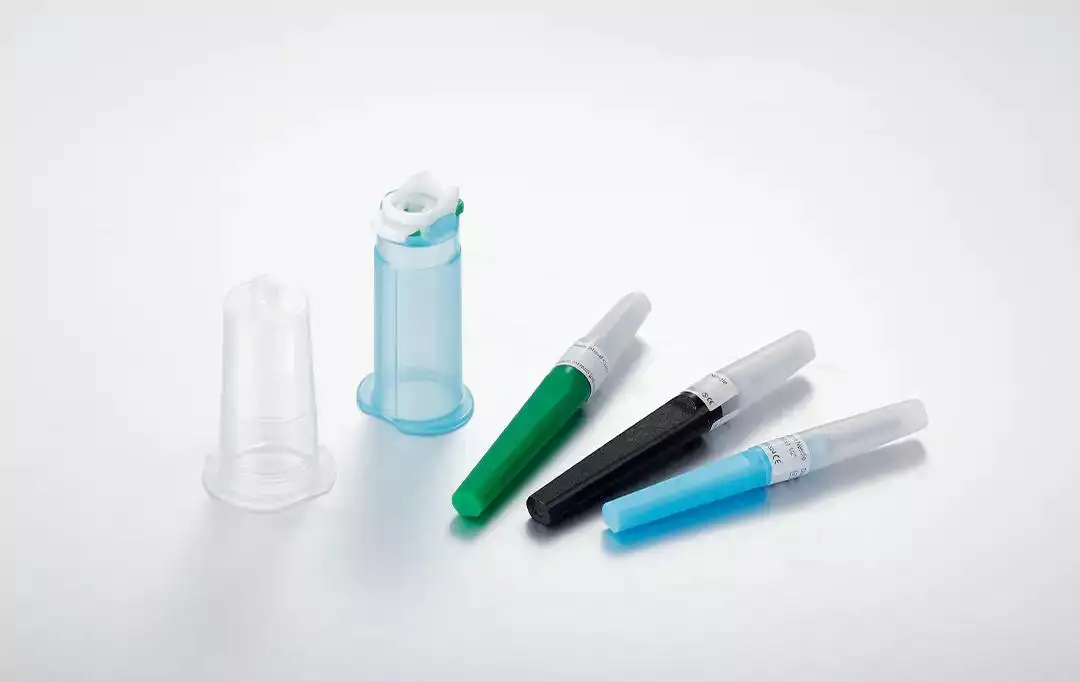
Pen-Type Blood Collection Needle
Venipuncture poses a challenge on its own and is one of the most frequently performed procedures in the medical field. It is especially challenging to perform on vulnerable groups. On most traditional blood collection devices, adults and elders will experience multiple painful attempts along with the development of anxiety. A solution to this is the Pen-Type Blood Collection Needle and more specifically the Trustlab Multi-Sample Blood Collection Needles GT210-1009A, which incorporates safety, thoughtful design, and precision. This paper highlights the benefits of this device in the field of pediatrics, geriatrics, and oncology.
Why Collection Techniques Vary for Geriatrics and Pediatrics
Limitations of geriatrics and pediatrics described above require special consideration for both the physiological and psychological demands of these populations.
•Decreased vascular support: Frail and/or small vessels can collapse from the use of standard blood collection needles.
•Potentially uncooperative: Patients can move unexpectedly, and/or the elderly and cognitively limited populations may not fully understand or be able to follow directions.
•Increased likelihood for adverse effects: Repeated attempts may lead to venous scarring and phlebitis.
•Vasovagal response to pain: Fear and anxiety of painful procedure may lead to a withdrawal response and/or refusal to cooperate.
Some of these problems can be eased by the device design which accommodates a single-handed use, flash back confirmation, and safety design.
1. Application in the Pediatric Population to Lessen Trauma and Fear
Collection of blood from children is the most challenging of all. Some pediatric patients experience extreme difficulty in blood collection and may even be averse to collection altogether. This design incorporates all of the features listed above, all of which may be helpful in pediatric blood collection.
1)Confirming Successful Entry Instantly
With the flashback indicator, instant confirmation is visual. The nurse sees blood return the instant the vein is entered. Guesswork is eliminated, and blind probing that leads to pain and bruising is significantly reduced.
2)Single-Handed Operation to Stabilize the Child
The design allows one hand to be used to activate the trigger while the other hand holds the child's limb. Therefore, the child is kept still, and no extra staff is needed, which decreases the chances of needle movement or dislodgement.
3)Using Fine Gauge Options for Small Veins
The GT210-1009A has a 27G option, which fits even the smallest of pediatric veins, and provides a wide range of sizes. The smallest option causes minimal tissue damage and makes the blood draw for infants and toddlers nearly painless.
4)Building Long-Term Cooperation
Less traumatic first experience equals more future compliance. If children go through a procedure that is seamless, swift, and not very painful, they are less likely to develop a lasting needle phobia that often persists through adulthood.
2. Geriatric Application: Managing Fragile and Rolling Veins
As a person ages, their skin, including the subcutaneous layer, thins, and their veins become tortuous, fragile, and mobile. The Pen-Type Blood Collection Needle is designed to be reliable in these circumstances.
1)Enhancing Venipuncture Success on the First Attempt
Confirmation of flashback even with low blood flow: The GT210-1009A features a sensitive flashback chamber which shows clear confirmation of entry, preventing the need for unnecessary re-punctures, even in the case of diminished venous pressure in elderly patients.
2)Reducing Hematoma Formation
The smooth draw of a needle with a bevel and the effect of medical-grade stainless steel on a geriatric vein, which has a poor draw, limits the risk of draw-related bleeding and bruising.
3)Single-Handed Activation for Patients with Restricted Mobility
As clinicians activate the needled, one hand is kept in position over the vein: This is an important feature for the visibility of the vein. Phlebotomists maintain control of the device and don't have to adjust their grip.
4)Lightweight and Ergonomic Design Minimizes Hand Fatigue
The short, balanced, pen-like design is not as fatiguing for performing multiple blood draws: Nurses who perform multiple blood collections from the elderly are able to perform their task with less physical stress and have more control with less frequent hand fatigue.
5)Safety Design for Patient and Clinician Protection
The safety design is automatically activated after use with no extra steps: The automatic safe shield greatly minimizes needlestick risk, as elderly patients can be unpredictable.
3. Oncology: Frequent Blood Tests are an Added Burden
Patients with cancer have to undergo numerous blood tests due to frequent complete blood counts, tumor markers, and therapeutic drug monitoring. This can be an added burden due to the effects of chemotherapy on the patient's veins.
1)Protecting Access to the Vasculature
Limiting the number of times a vein is accessed is important to minimize the effects on the vein: Phlebotomists can use the GT210-1009A to collect draws for multiple tubes, greatly reducing the number of times a single vein has to be accessed.
2)Pain from the Draw is an Unfortunate Reality
The design allows the clinician to know if the draw is successful: With the first entry a draw can be confirmed, and if missed, can be redirected with less of a withdrawal.
3)Reducing Infection Risk in Immunocompromised Patients
The GT210-1009A is EO sterile and DNase/RNase free with certifications. The device meets ISO and CE standards making it essential for oncology patients with neutropenia or patients with central lines.
4)Improving Workflow in Busy Oncology Clinics
The GT210-1009A offers key solutions for optimal phlebotomy in high volume oncology clinics. Being able to activate the device with one hand allows nurses to manage multiple patients and helps maintain a calm and focused workflow to ease patient anxiety and decrease wait time.
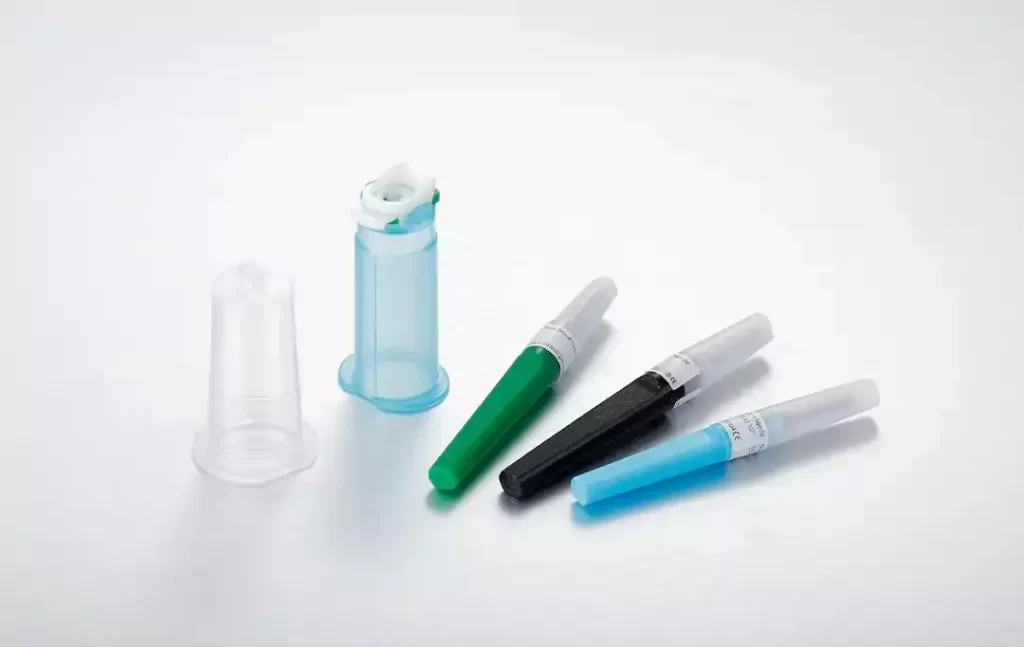
Key Technical Advantages of Trustlab GT210-1009A for All Special Populations
The Pen-Type Blood Collection Needle (Model GT210-1009A) is a device designed to be optimal for use when collecting blood in the pediatric, the geriatric, and the oncology populations.
•One handed activation and control of the device: Allows for the innocent hand to control the device while the other hand is stabilizing the patient or palpating the vein and is critical for use on the fragile and uncooperative patient.
•Flashback confirmation minimizes patient trauma and maximizes the likelihood of successful venipuncture: Offers a visual confirmation of blood return, thereby avoiding multiple blind attempts.
•Built-in Safety: Designed for use on patients with blood borne infections (common in Oncology) and minimizes the risk of needlestick injury.
•Design of GT210-1009A: The ergonomic design and reduction of hand fatigue is crucial to the phlebotomy of a patient population that requires the collection of a large volume of blood on a daily basis.
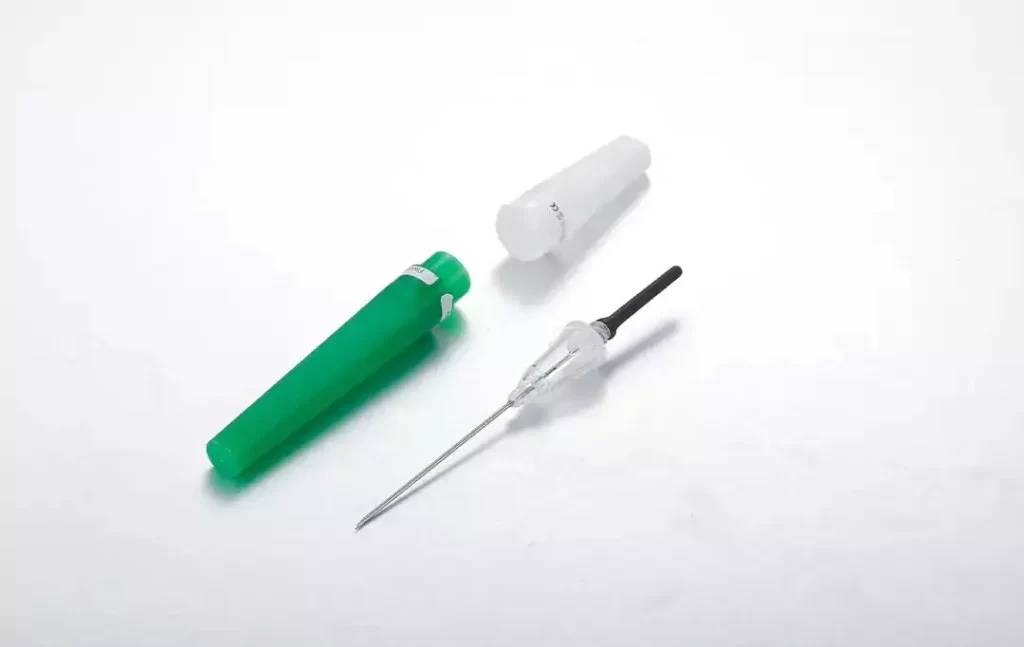
•Minimal Tissue Damage and Preserving Vein Integrity: The tapered design of the GT210-1009A bevels the tip of the device and improves the collection of blood on multiple attempts by preserving the vascular access site.
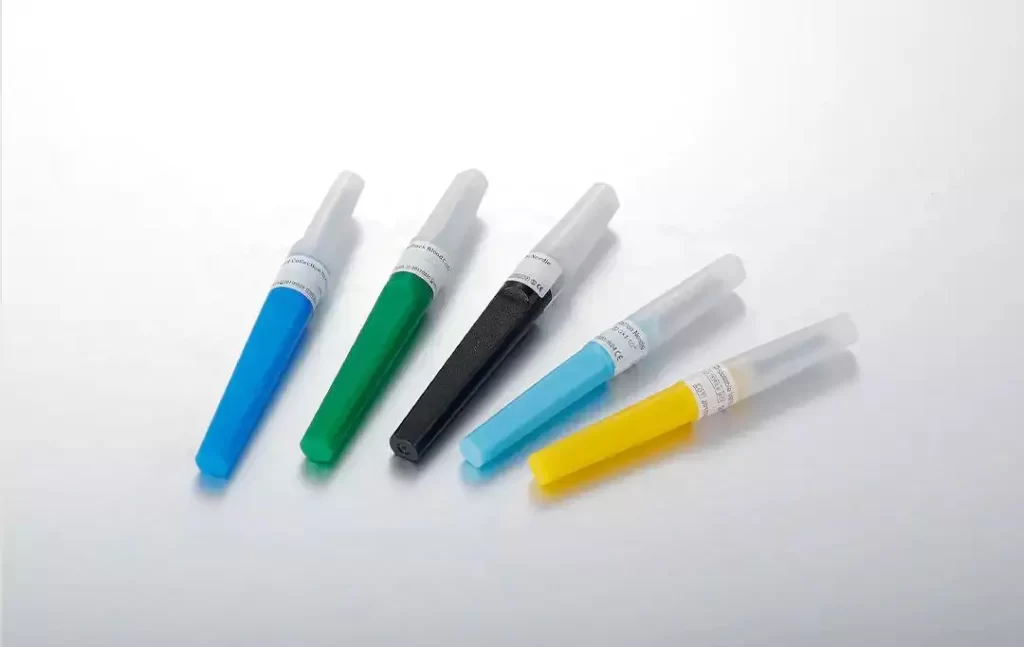
•Wide Gauge Range: The device also offers a wide gauge from a high flow collection of a 19 gauge to a fine collection of a 27 gauge.
•EO Sterile and Non-Pyrogenic: Safety tested to a high standard for use with patients who are Immunocompromised.
Conclusion
The Trustlab Multi-Sample Blood Collection Needles GT210-1009A, a pen-type blood collection needle, revolutionizes venipuncture for pediatric, geriatric, and oncology patients. Its combination of one-handed activation, instant flashback verification, an advanced safety feature, and multiple fine gauge options addresses venous access and psychological concerns for these sensitive populations. This pen-type design is an evidence-based tool for healthcare facilities aiming to improve first-stick success, decrease patient pain, and increase staff safety.
For clinical laboratories, pediatric oncology centers, and geriatric clinics, the adoption of the GT210-1009A not only improves blood collection procedures but demonstrates a passion for precise and safe collection.
We invite you to get a free quote for the GT210-1009A to see for yourself how Trustlab's pen-type technology improves your level of care.
FAQs
Q1: Is the GT210-1009A safe for pediatric patients with small veins?
A: Yes. The GT210-1009A has a 27G ultra-fine gauge option.
Q2: What advantages do elderly low blood pressure patients get from flashback verification?
A: The flashback chamber has a unique ability to show blood return, verifying access, even in low venous trace conditions.
Q3: Can the needle be used for Oncology patients where multiple blood tubes are required?
A: The needle can be used, as it has the multi-sample feature.
Q4: Does the safety feature activate on its own?
A: No, the safety feature requires a quick one handed action to activate.
Q5: What are the available sizes for the GT210-1009A?
A: The GT210-1009A offers a flexible range 19G - 27G: 20G, 21G, 22G, 23G, 24G, 25G.