


Updated 3 months ago
Decoding the Color Code of Non-Vacuum Blood Collection Tubes

Admin
Non-Vacuum Blood Collection Tube
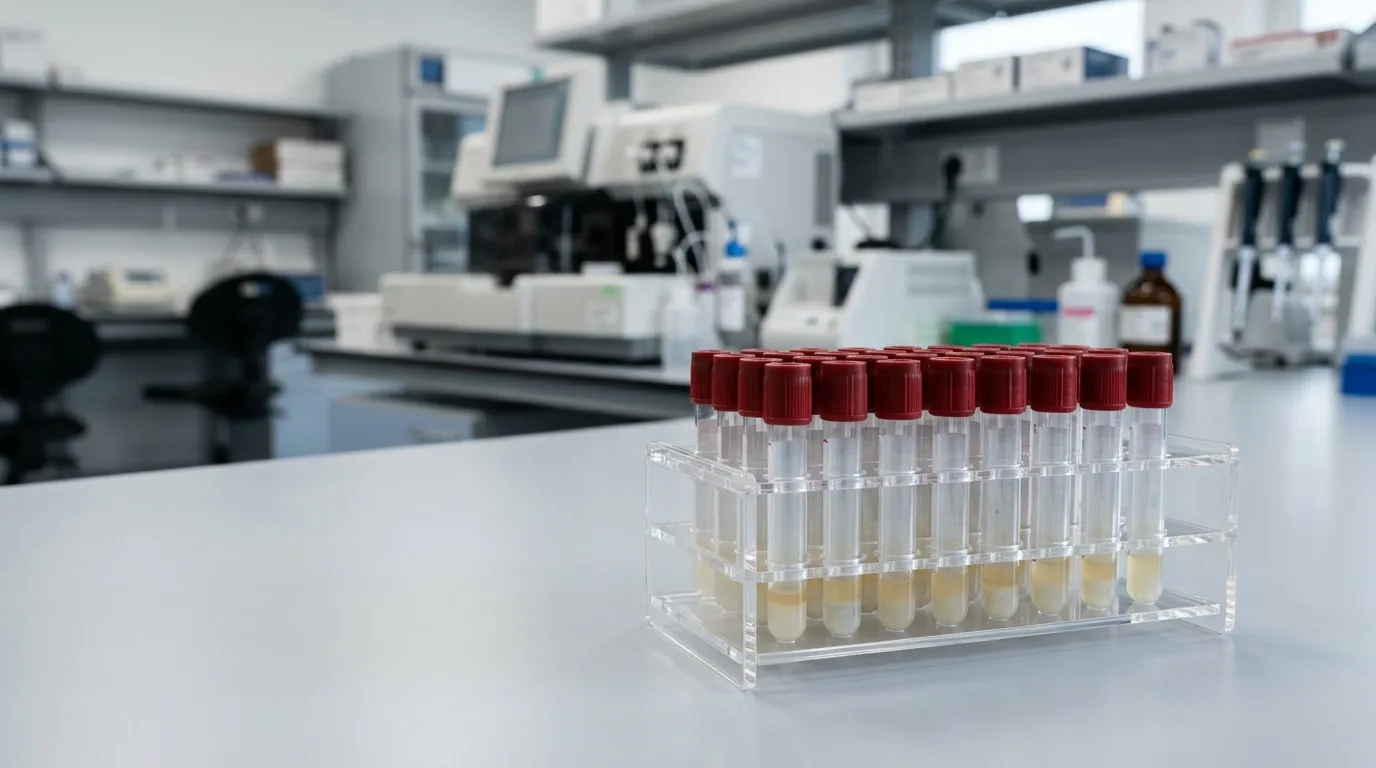
In a contemporary clinical lab, the color of a blood collection tube is deliberately chosen and indicates a specific additive to prep blood for certain tests. Awareness of the color code is crucial for the healthcare practitioner since pre-analytical errors can occur, optimally yielding the expected results. The focus of this guide is the Non-Vacuum Blood Collection Tube systems. These systems allow the operator to acquire samples manually, and present significant benefits to the laboratory.
What Makes a Non-Vacuum Blood Collection Tube unique?
A Non-Vacuum Blood Collection Tube is entirely dependent on manual filling, as opposed to negative pressure. This feature allows total control for laboratory personnel in determining the rate of collection and the volume of the sample, especially in the case of more difficult venous access or in point-of-care tests. Trustlab has designed its non-vacuum tubes to promote consistent manual blood collection as well as the prevention of errors.
Significant design features of Trustlab's Non-Vacuum Blood Collection Tube:
•Manual sampling is self-controlled: The rate of sample collection is completely controlled by laboratory personnel, allowing an increase in sample quality and a decrease in the risk of hemolysis.
•Sample collection tube integrity: The side walls of the collection tube maintain their integrity and do not collapse or leak, even with manual handling during transport.
•Sample volume marking: Each collection tube has clearly marked graduations. This allows personnel to discriminate sample volume to avoid overbright.
•Design for ease of tube identification: The tube surface is designed to ease handling and support an adhered label.
•Design for sample stability: The collection tube cap secures the sample and stabilizes the sample, while preventing post-collection contamination.
Trustlab's non-vacuum tubes are ideal for routine diagnostics, veterinary applications, and teaching laboratories.
The Color Code: Additives and Clinical Applications
Each color corresponds to each type of additive used in various applications. Some additives speed up clot formation, increase the longevity of the blood cells, or prevent coagulation. Presented below are color codes and related Trustlab Non-Vacuum Blood Collection Tube products.
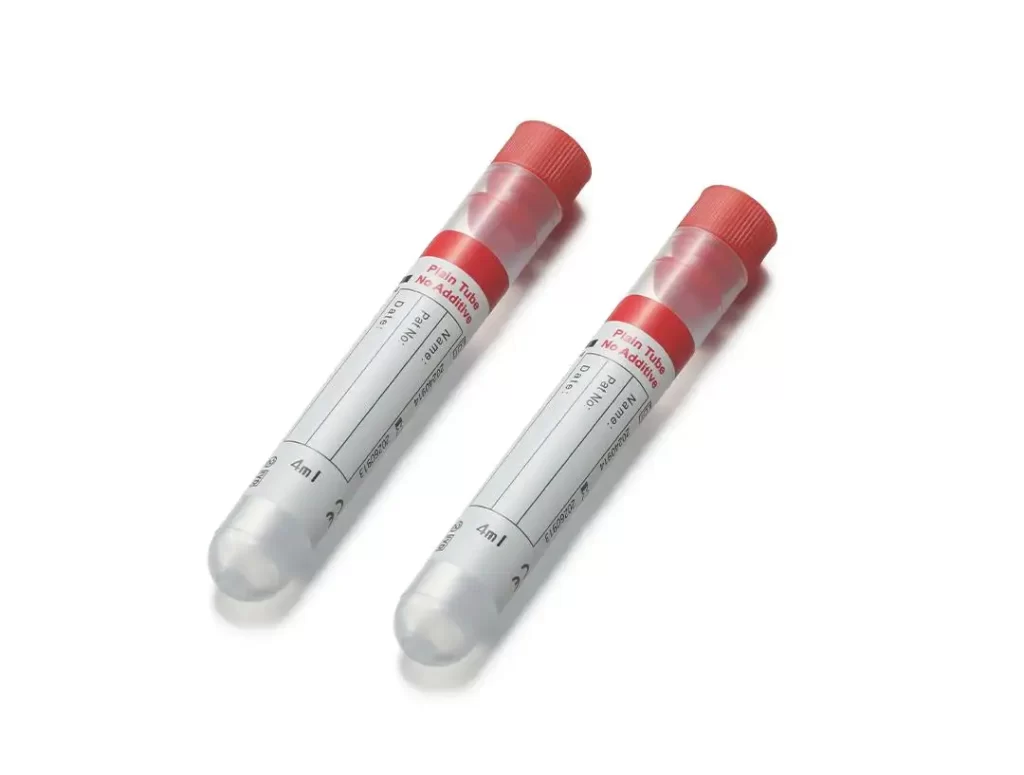
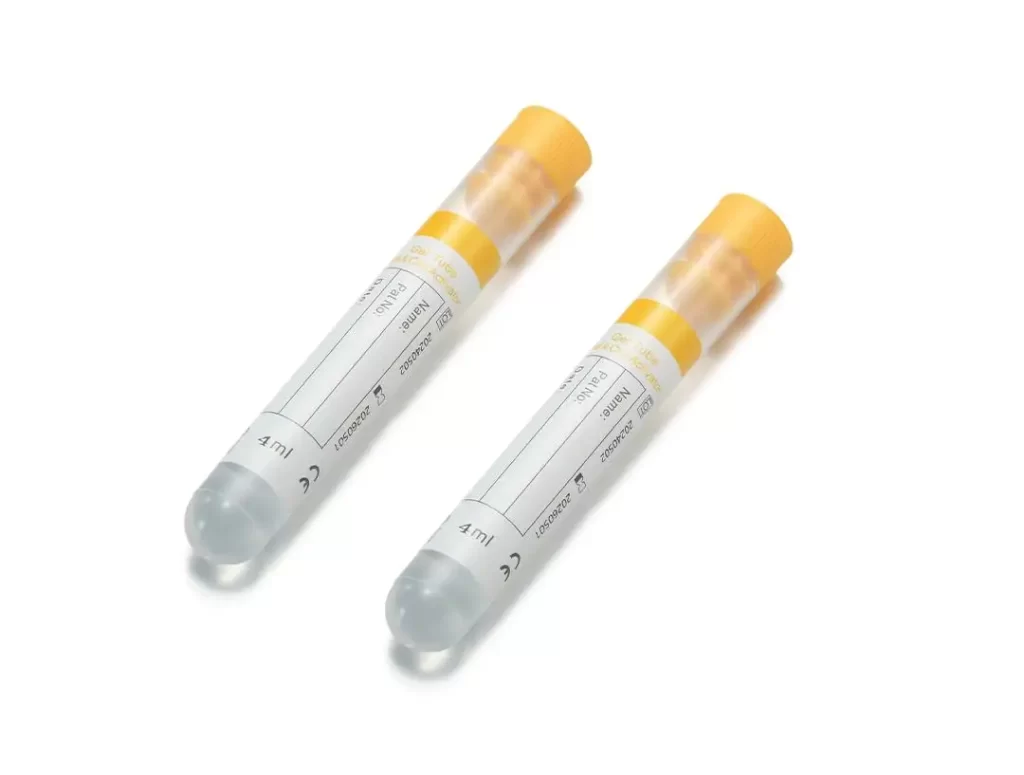
�� Blood Clot Activator Tube (Red/Yellow cap – e.g., GT210-1008PP)
•Additives: Activator of thrombin silica or glass other than blood clot.
•Application: Chemistry of serum, immunology, serology of the blood bank, screening of infectious diseases, and tests of blood bank.
•Description: Clot activators speed the natural process of blood clotting, which allows the separation of serum in the tube in 15-30 minutes.
✅ Product: Trustlab Blood Clot Activator Tube GT210-1008PP is a non-vacuum tube and allows for gentle manual filling to prevent hemolysis and ensure complete clotting.
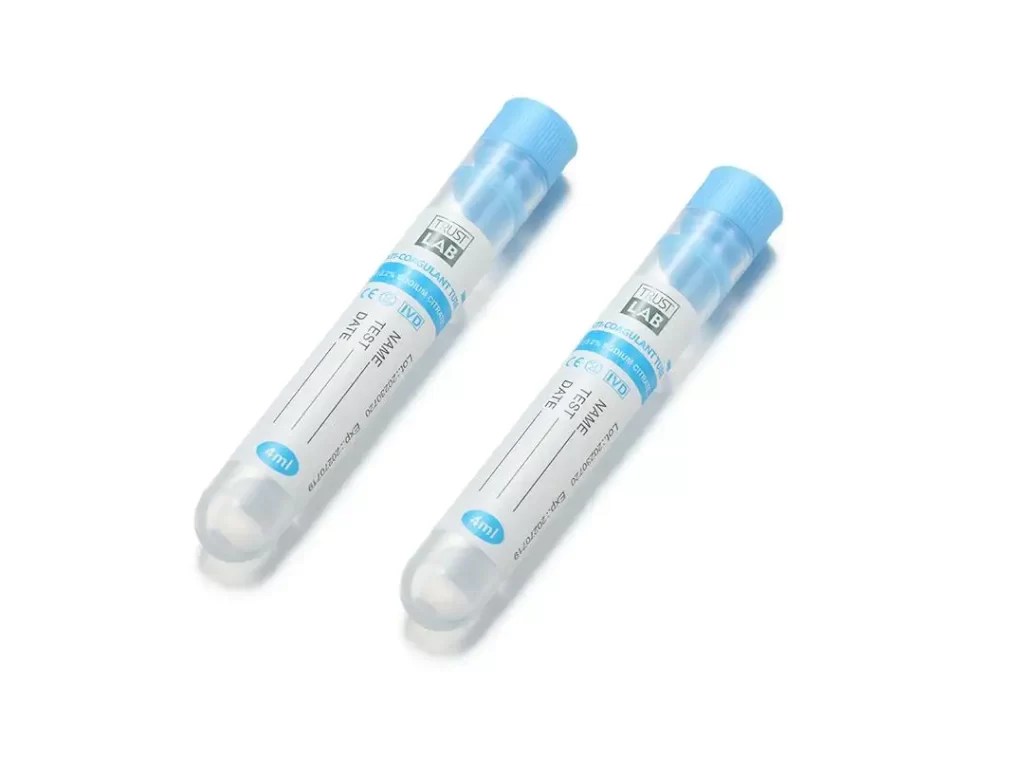
�� PT Tube (Light Blue cap – e.g., GT210-1005PP)
•Additive: Sodium Citrate (3.2% or 3.8%).
•Clinical applications: Coagulation tests, measuring PT, aPTT, Fibrinogen, D-dimer.
•Description: Citrate works to bind free calcium ions and keeps the blood in a liquid state for testing.
✅ Product: Trustlab PT Tube GT210-1005PP allows staff to draw the exact 9:1 blood to citrate ratio due to the tube's stable structure and precise graduations to obtain optimal coagulation results.
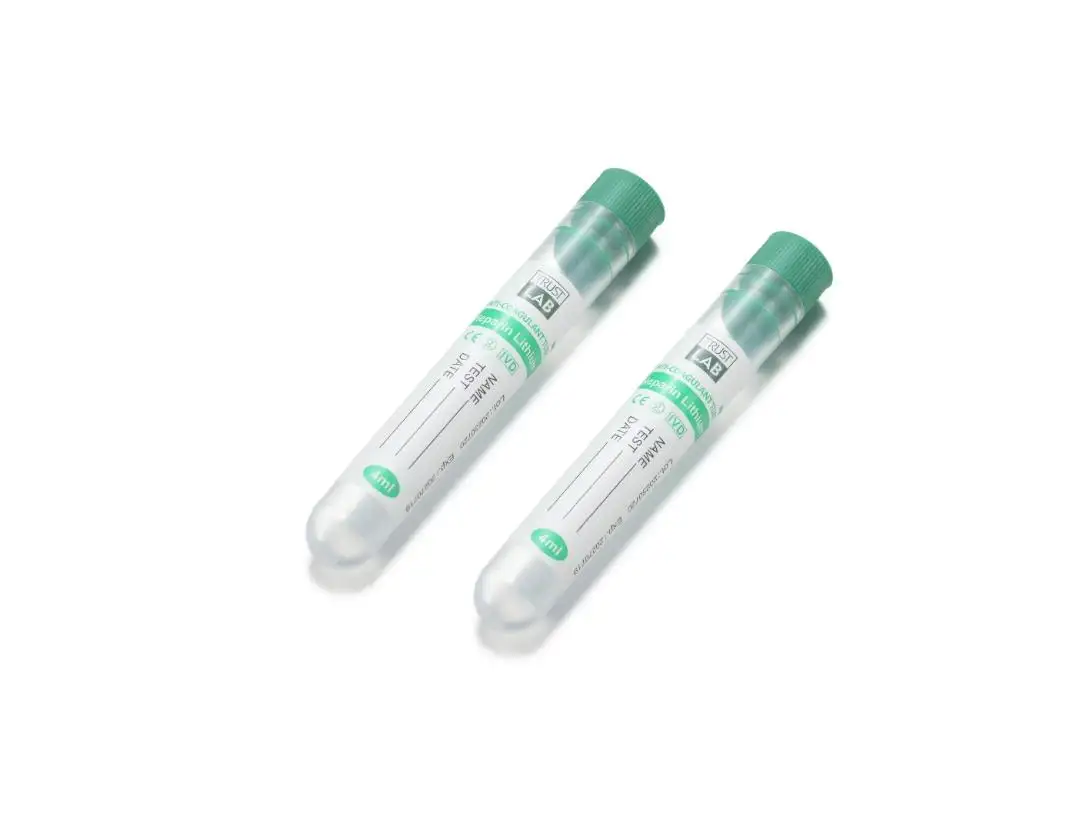
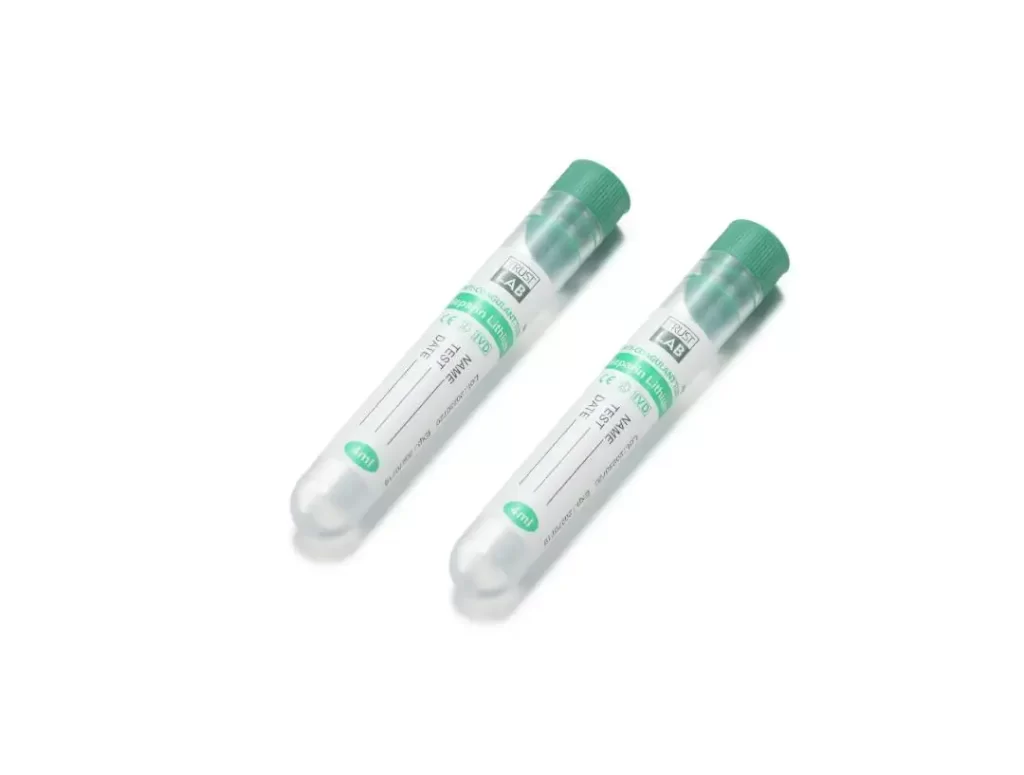
�� Heparin Blood Tube (Green cap – e.g., GT210-1006PP)
•Additive: Lithium Heparin or Sodium Heparin.
•Clinical applications: Plasma chemistry tests such as liver and kidney function tests and electrolyte tests and emergency stat panels.
•Mechanism: With Heparin, once it activates antithrombin III, it has a comparable outcome on thrombin, as it does to all other clot factors; blood remains fluid, and sample dilution is not requisite.
✅ Trustlab product: Heparin Blood Tube GT210-1006PP – manual controlled filling reduces shear stress, preserving enzyme and electrolyte stability for accurate plasma analysis.
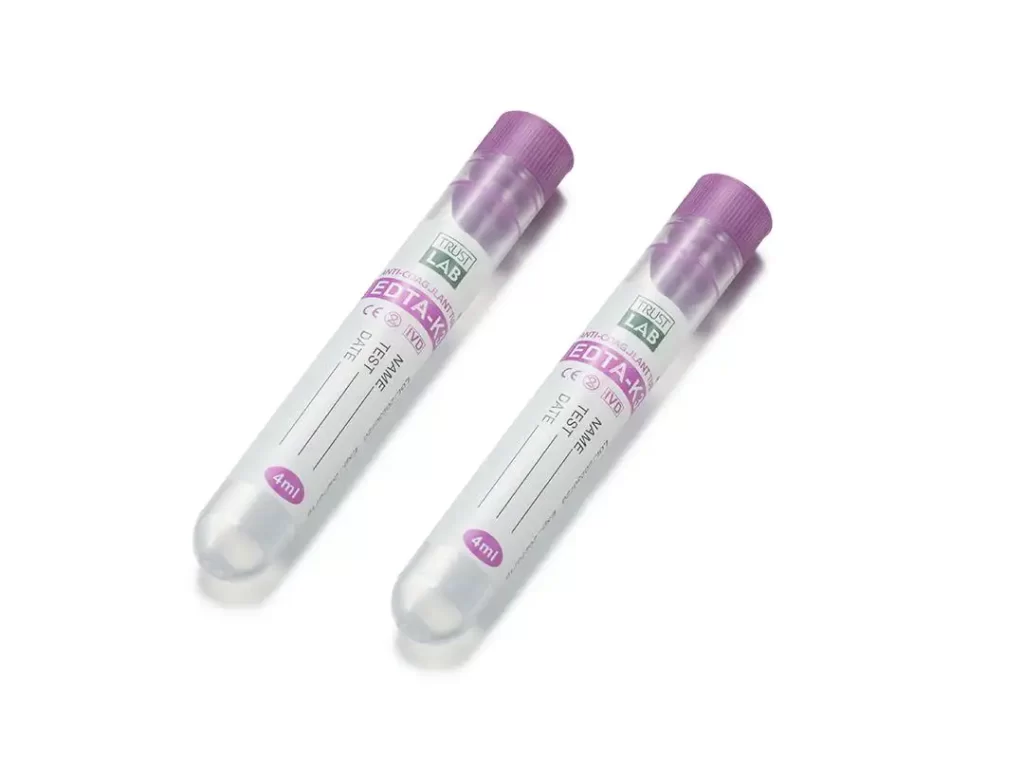
�� EDTA Blood Tube (Lavender / Purple cap – e.g., GT210-1007PP)
•Additive: K2EDTA or K3EDTA (spray-dried or liquid).
•Clinical use: Complete blood count (CBC), blood smears, HbA1c, and molecular diagnostics (PCR).
•How it works: EDTA chelates calcium ions, effectively blocking the coagulation cascade while preserving white blood cell and platelet morphology.
✅ Trustlab product: EDTA Blood Tube GT210-1007PP – the non-vacuum design prevents over-filling and under-filling, both of which can cause erroneous CBC parameters. Stable tube walls also protect cells during transport.
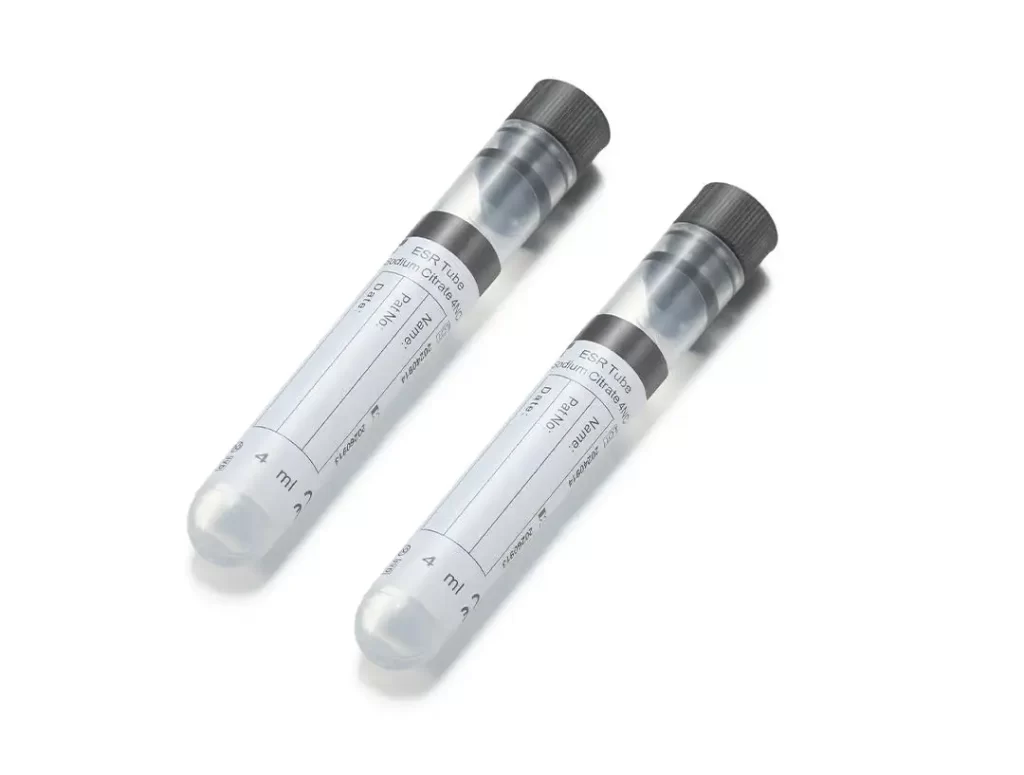
⚫ Lab ESR Tube (Black cap – e.g., GT210-1004PP)
•Additive: Sodium citrate (3.2% or 3.8%), sometimes with a special diluent.
•Clinical use: Erythrocyte sedimentation rate (ESR) – a non-specific marker of inflammation.
•How it works: Citrate anticoagulation keeps red blood cells intact, and the tube's internal shape (Westergren method) standardizes the settling distance.
✅ Trustlab product: Lab ESR Tube GT210-1004PP – clear graduation marks and a straight, uniform bore ensure accurate 60-minute reading of erythrocyte sedimentation.
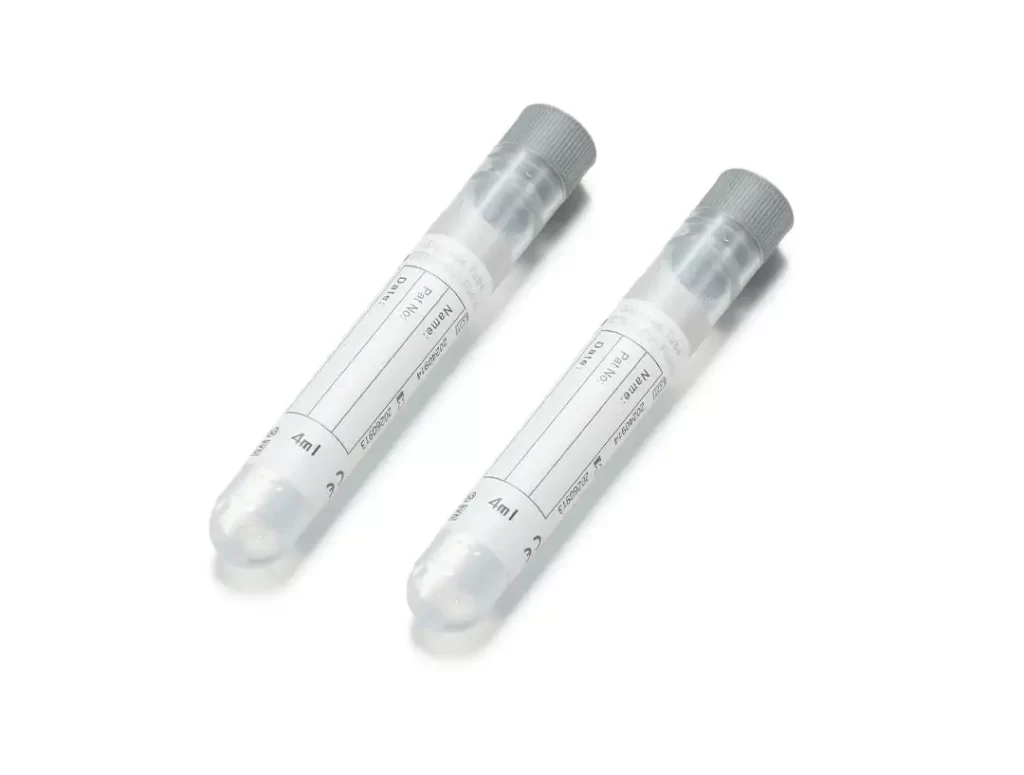
⚪ Glucose Test Tube (Grey cap – e.g., GT210-1002PP)
•Additive: Sodium fluoride (glycolysis inhibitor) + potassium oxalate (anticoagulant).
•Clinical application: measurement of glucose, lactate, and alcohol.
•Principle: Enolase, a glycolytic enzyme, is fluoride-sensitive. Fluoride anticoagulants block erythrocytes' ability to metabolize glucose after blood collection. Oxalate removes calcium to prevent clotting.
✅ Trustlab product: Glucose Test Tube GT210-1002PP – requires a manual, gradual fill to prevent hemolysis. Hemolysis may increase potassium, resulting in inaccurate glucose test results. The stable cap maintains sample integrity for three days.
Trustlab and Quality Standards
Trustlab Non-Vacuum Blood Collection Tubes undergo extensive, sample-based testing to verify performance. The production of Tubes adheres to highly controlled international quality requirements.
•Worldwide compliance: All Tubes are CE marked and compliant to ISO 6710 standards. Tubes are single use, venipuncture blood collection Tubes.
•Sterility and safety: Tubes can be used in routine diagnostic services and assure the safety of the patient and laboratory staff. Tubes are sterile and leak proof.
•Reliable, consistent coating: Spray-drying produces a consistent coating and makes it easy and effective to coat tubes with EDTA and heparin, or clotting activators.
•Batch traceability: Tubes are traceable to the batch of their production and the raw materials used.
•World-wide confidence: Trustlab products can be found in over 130 countries and are trusted by hundreds of hospitals and laboratories for diagnostic services.
Where Are These Non-Vacuum Tubes Used?
These Non-Vacuum Blood Collection Tube systems are applicable in all blood collection scenarios. Examples include:
•Healthcare and diagnostics: Drawing blood as part of routine tests for patients in outpatient and emergency services. This method is preferred in blood collection in Intensive Care Units (ICU) because of restricted control/limited time on blood collection.
•Scientific Research: This pertains to research involving animal studies, clinical pharmacokinetics studies, and laboratory techniques and innovations requiring manual dexterity and precision.
•Education & Training: Non-vacuum tubes are used by medical and nursing schools when teaching blood collection to prevent the risk of vein collapse due to the vacuum.
•Veterinary Medicine: Trustlab tubes are also suited to dogs, cats, and livestock as manual control helps to prevent venous collapse and reduces draw volume.
•Point-of-Care Testing (POCT): Non-vacuum tubes allow collection of capillary blood which can then be applied directly to test cartridges for immediate on-site results.
Logistics & Packaging
Trustlab has built an all-inclusive delivery system that transports every Non-Vacuum Blood Collection Tube to every user in perfect condition.
•Protective Packaging: Non-Vacuum Blood Collection Tubes are shipped in special protective packaging to ensure integrity.
•Clear Labeling: Labeling of tubes and boxes clearly shows logistics as well as lot and expiration information, and additives.
•Export-Grade Cartons: Cartons are fully sealed, palletized bulk shipments per pallet.
•Flexible Shipping: Shipping by air, sea, and land for both time sensitive and time non-sensitive shipments is available.
•Trusted Logistics: Due to the supply chain vulnerabilities, trustworthy carriers ship freight internationally.
Why Use a Non-Vacuum Blood Collection Tube in Your Lab?
Vacuum Blood Collection Tubes dominate blood collection. However, Non-Vacuum Tubes can be more clinically effective for a collection and offer more advantages.
•Controlled filling stops Hemolysis: Filling can be stopped when the collection reaches the desired volume.
•Better for small or delicate veins: The collection method is soft and easy for Pediatrics, Geriatrics, and Cancer patients.
•Compatible with capturary sampling: Heel and Finger stick blood sampling is possible with Non-Vacuum micro tubes and is an important step in expanding on-site Point Of Care Testing.
•Convenient for emergency or field usage: No vacuum loss, no tube collapsing. Just capture, cap, and dispatch to the lab.
•Cost-effective for low-volume facilities: Laboratories processing fewer than 50 samples per day can reduce waste and reagent costs.
Trustlab combines these operational benefits with strict quality control, delivering Non-Vacuum Blood Collection Tube systems that you can rely on every day. From the clot activator in the red-capped GT210-1008PP to the fluoride in the grey-capped glucose tube, every color tells a story of additive science and precise engineering. Understanding that story is the first step toward error-free diagnostics – and a safer outcome for every patient.
For more technical data or to request samples of Trustlab non-vacuum tubes, please contact our global support team.
FAQs
Q1: What does the color of a blood collection tube indicate?
A: The color indicates which additive (e.g., EDTA, heparin, clot activator) is inside, determining which clinical tests the tube is designed for.
Q2: Which PT tube should I choose?
Q3: What is the purpose of the purple cap EDTA tube in CBCs?
A: The use of the EDTA tube in CBCs is because EDTA will bind calcium to stop the clotting cascade. EDTA also preserves the cellular morphology of leukocytes, and so will preserve the morphology of white blood cells and platelets.
Q4: What are the risks of reusing Non-Vacuum Blood Collection Tubes?
A: No. All Trustlab tubes are safe from contamination and designed for a single use. The tubes are made sterile and as a waste free solution.
Q5: What is a key difference in a plasma tube and a serum tube?
A: Plasma tubes, which are green or purple, contain the anticoagulants EDTA or heparin. Serum tubes (yellow or red cap) contain clotting factors.