


Updated 5 months ago
Specimen Observation and Testing in Modern Laboratory Diagnostics
sidrahafeez754
Specimen Observation and Testing
Quality Control Standards in Specimen Observation and Testing for Reliable Laboratory Results
Specimen observation and testing are one of the greatest foundations of contemporary healthcare and laboratory science. It bridges the gap between the crude biological samples and the correct medical knowledge. Any outcomes since the initial diagnosis of the disease by the sophisticated pathological analysis are based on the quality of observation, processing, and testing of a specimen.
In the modern laboratory diagnostics systems, accuracy is all. No matter whether it is clinical specimen observation, biological specimen testing, or laboratory specimen analysis, all the steps are significant in building a clear medical image. The current laboratories are based on sophisticated equipment, streamlined operations, and orderly testing processes to guarantee accuracy and reliability.
TrustLab China has come up with laboratory technologies that will be used to aid in the evaluation of high-level diagnostic specimens to improve the speed and accuracy of clinical environments.
Knowledge of Specimen Observation and Testing in Clinical Laboratories
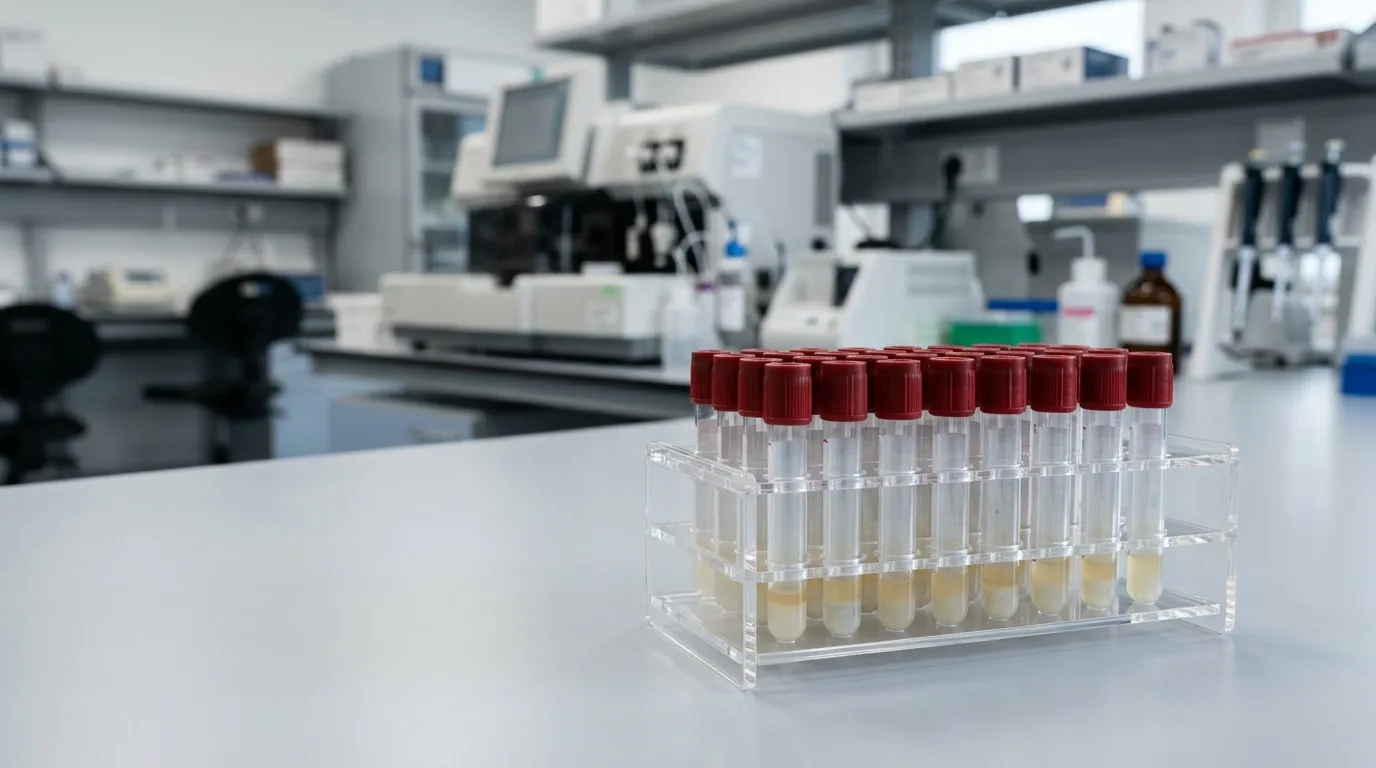
The scientific examination of biological samples such as blood, tissue, urine, or cellular material is known as specimen observation and testing. It aims at identifying abnormalities, disease identification, and aiding in medical decision-making.
Key components include:
- Chemical and biological markers testing of laboratory specimens.
- Clinical laboratory tests to diagnose a patient.
- Analysis of a pathological specimen to determine the disease.
- Cell structure is studied by the use of microscopes on specimens.
- Biological sample functional and structural analysis.
The existing clinical testing procedures incorporate different methods, including microscopy analysis, testing of biochemical assays, and molecular diagnostic testing.
These procedures make sure that all specimens are tested with scientific precision and clinical significance.
Workflow and Method of Investigation of Laboratory Diagnostics
An organized laboratory diagnostics process guarantees uniformity and dependability in the examination of the specimen.
Typical workflow includes:
• Specimen collection procedures
• Biological sample handling
• Sample preparation techniques
• Laboratory specimen preparation
• Diagnostic examination process
• Reporting and interpretation of results.
All of these stages aid clinical pathology testing and enhance the credibility of medical conclusions. Automated laboratory systems and biomedical testing systems are also used in laboratories to minimize human error and enhance efficiency in high-volume testing settings.
Methods of Specimen Collection and Sample Preparation
Proper collection and preparation is the first step to accurate testing. Even the most sophisticated tools cannot give credible results without this basis.
Some of the important preparation techniques are:
• Fixation and processing of tissues.
• Slide preparation methods
• Biological samples.
• Testing control of contamination.
• Specimen inspection methods
These measures will make sure that samples are not contaminated or lost in the course of analysis. The observation of clinical specimens is better handled to enhance the clarity of the results and help in the detection of diseases.
Microscopic and Histological Specimen Observation Methods
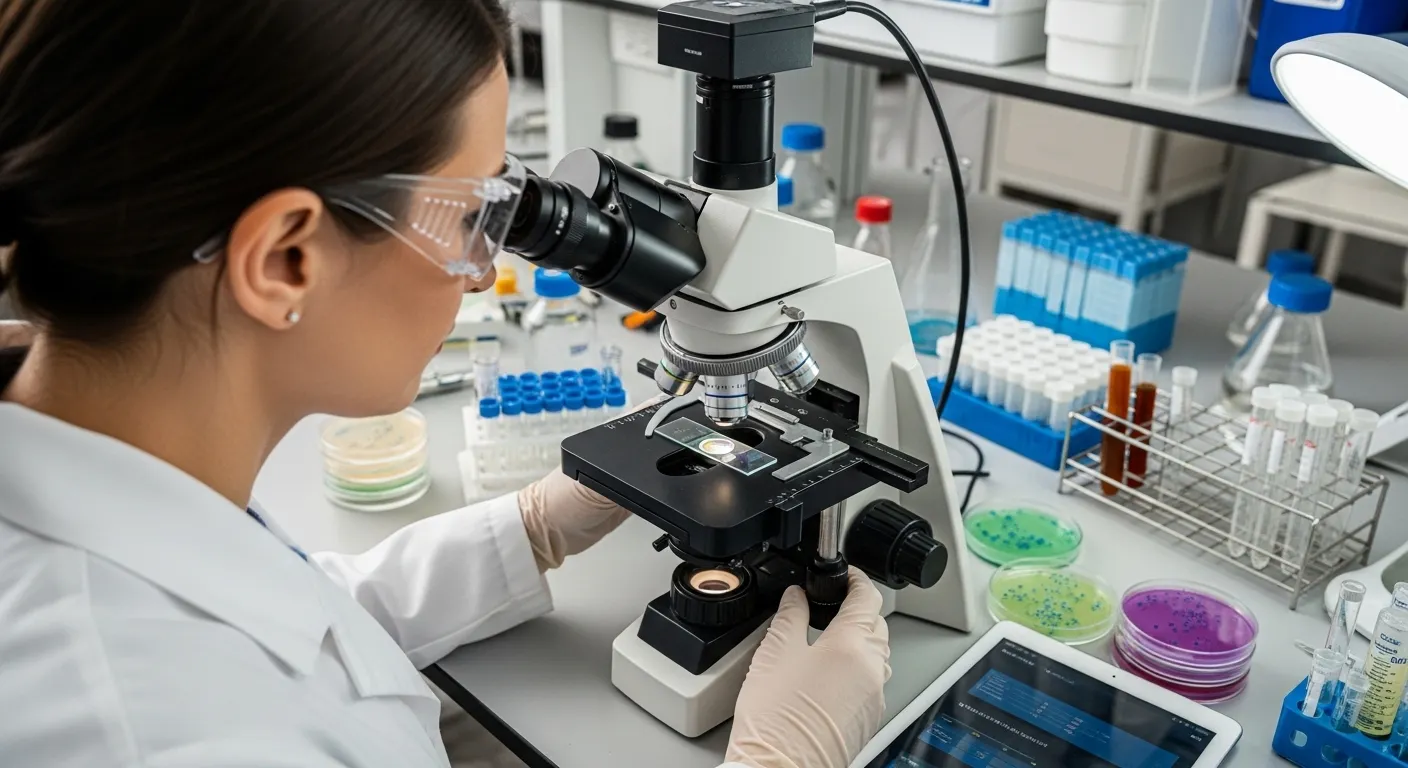
Microscopy is an important part of contemporary lab science. Scientists are able to view the details of the cells that cannot be seen with the naked eye with the assistance of a microscope.
Important observation techniques:
- Cellular structure analysis
- Tissue morphology assessment
- Histological evaluation
- Cellular morphology study
- Slide analysis and staining
- Bio-sample observation
The procedures are common in laboratory diagnostic testing of specimens and histological testing of specimens.
High-level microscopy is also involved in the pathology laboratory analysis, whereby the disease can be identified at the cellular level at an early stage.
Sophisticated Methods of Analysing Biological Samples
Current laboratories have adapted to the use of more sophisticated scientific methods that surpass the old-fashioned observation.
The most important developed techniques are:
• Molecular diagnostic testing
• PCR-based specimen testing
• Immunohistochemistry analysis
• Digital pathology imaging
• Biochemical assay testing
• Advanced microscopy techniques
• Lab-based analytical methods
These technologies enhance the testing of specimens in diagnostics, which enables quicker and more precise identification of infections, genetic disorders, and chronic illnesses.
Centrifugation and Processing of the Specimen
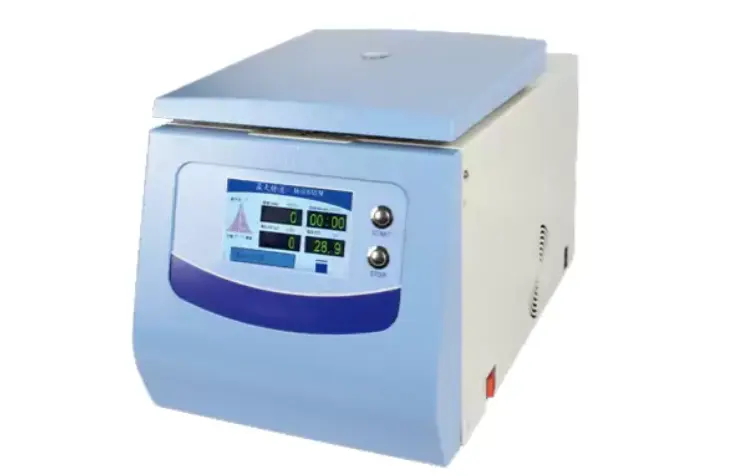
Centrifugation is a simple laboratory science technique. It assists in isolating elements of a sample in accordance with density, and it is less complicated to examine particular biological samples.
The Tabletop Micro Refrigerated Centrifuge of TrustLab China is one of the most reliable instruments in the laboratories.
Why centrifugation matters:
• Separates plasma, serum, and cellular.
• Favors testing of biological specimens.
• Increases the purity of samples to be analyzed.
• Enhances the accuracy of laboratory tests.
• Refrigerates temperature-sensitive samples.
This equipment is important in laboratory investigation procedures and enhances the efficiency of the workflow in the clinical testing systems.
Clinical Significance of Specimen Observation and Test
The real value of specimen observation is that it adds value to health care and the diagnosis of an illness.
Clinical importance includes:
• Disease diagnosis support
• Infection detection testing
• Patient sample evaluation
• Medical sample interpretation
• Laboratory-based diagnosis
• Pathological assessment techniques
Clinical pathology assessment assists doctors in identifying illnesses at a tender age and curing them in good time.
Best Practices in Correct Testing of Laboratory Specimens
Laboratories adhere to the finest practices in order to be precise in discoveries.
Key guidelines include:
• Correct collection of specimen
• Use of sterile equipment
• Controlled laboratory environment
• Labeling and tracking.
• Standardized testing protocols
• Regular equipment calibration
The practices enhance the analysis of diagnostic specimens and minimize the chances of laboratory errors.
TrustLab China and Advanced Laboratory Solutions
TrustLab China is dedicated to providing quality laboratory equipment to support modern-day diagnostics. TrustLab China, with its emphasis on accuracy and innovation, assists the laboratories in attaining:
• State-of-the-art clinical laboratory test.
• Good biomedical testing systems.
• Good laboratory diagnostics procedure.
• Sample visualization methods of high performance.
Their tools are prevalent in research laboratories, clinical, and diagnostic environments.
Future of Biomedical Testing Systems
The future of specimen observation and testing is shifting towards automation, integration of AI, and digital pathology.
Emerging trends include:
- The process of diagnostic examination with the help of AI.
- Intelligent laboratory research techniques.
- Tissue imaging on a digital basis.
- Automated systems of sample processing.
- Live data analysis program.
The innovations will simplify the work of clinical tests and increase the quality and speed of laboratory diagnostics.
Conclusion
The observation and testing of specimens is a laboratory activity and the basis of modern medical discovery. Each step leads to the development of human health, from microscopic analysis to sophisticated molecular tests.
The novel solutions offered by TrustLab China can be implemented in real-world clinical problems for laboratories that are interested in enhancing their performance and reliability.
Study and practice with the finest laboratory equipment in TrustLab China and take your diagnostic skills to a new level.