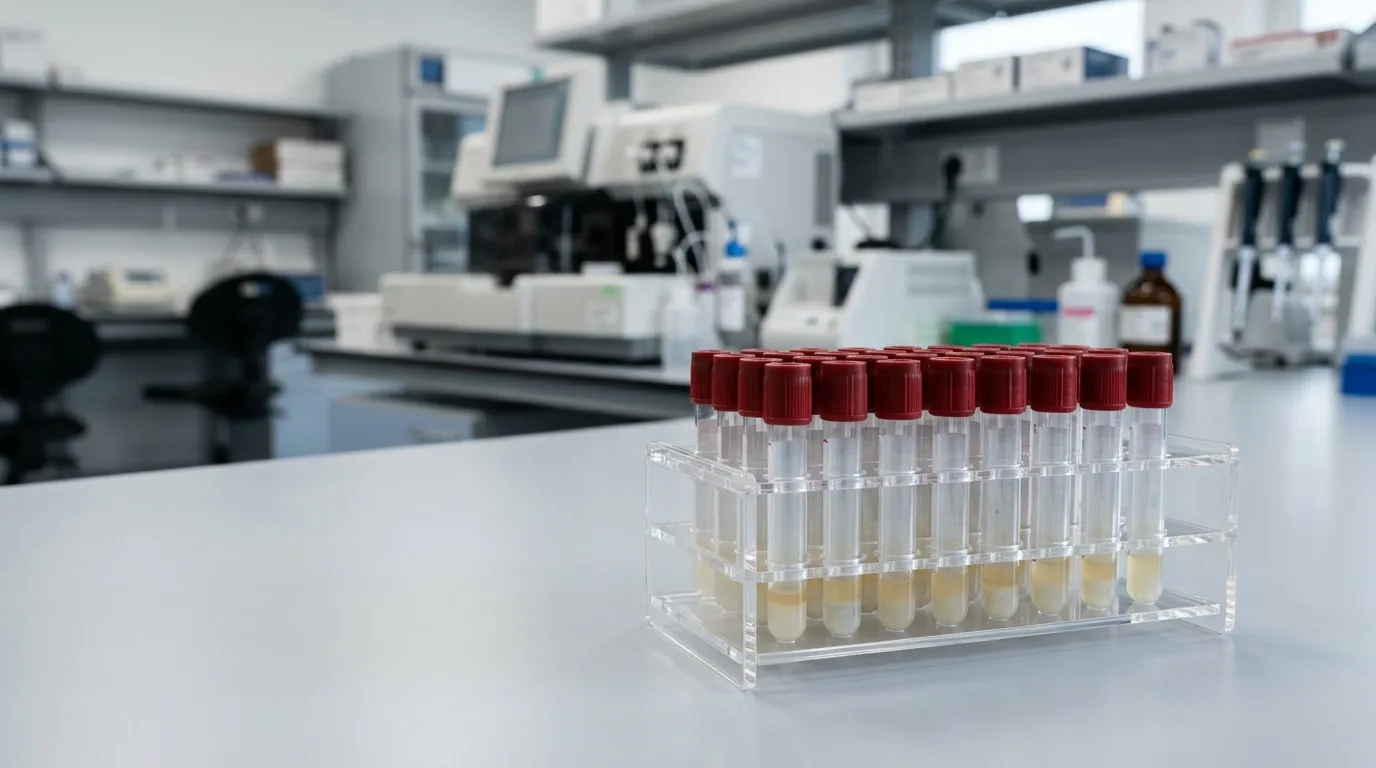



Updated 5 months ago
Specimen Slide Staining Techniques | Histology & Laboratory Methods
sidrahafeez754

Specimen Slide Staining
Specimen Slide Staining and Its Impact on Accurate Tissue Morphology Interpretation
One of the most important procedures of the modern laboratory diagnostics, particularly of the histology, pathology, and microbiology, is the specimen slide staining. In the absence of the appropriate staining, the microscopic structures become virtually invisible, and the cellular patterns, disease markers, or abnormalities in the tissue are hard to see. In a simple definition, staining is a procedure that transforms a clear biological map that can be read by scientists and pathologists by transforming a clear sample.
Staining on specimen slides is not only a routine process in modern, sophisticated medical laboratories but also a crucial scientific process that ensures accuracy in diagnosis, research, and detection of diseases.
Slide Staining of Specimens in the Modern Laboratory Science
Staining of biological samples on glass slides using chemical dyes to make them visible under a microscope can be termed as specimen slide staining. It is a crucial part of laboratory slide staining processes, and is crucial in the microscopic analysis of specimens.
Histology labs have tissues that are transparent in nature. A powerful microscope, such as a light microscopy system or electron microscopy set, cannot clearly show the structural details without staining, even when it is very powerful. It is necessary to stain.
Important Slide Staining Uses:
• Enhances cell morphology.
• Improves biological sample visualization
• Facilitates histopathology diagnosis.
• Assists in laboratory work on clinical samples.
• Enhances accuracy in laboratory diagnosis in pathology.
It is regularly used in hospitals, research centers, and diagnostic laboratories to diagnose infections, cancers, and tissue abnormalities.
Preparation and Processing of Specimens Using a Microscope
Before staining, it is essential to prepare the microscopic slide properly. This step is done to make sure that the sample is clean, stable, and prepared to be analyzed.
Preparation of Slides: Step-by-Step Overview:
- Swab or biopsy tissue.
- Laboratory specimen processing
- Addiction to chemicals (formalin)
- Embedding, sectioning, and labelling of tissues.
- Placing on glass slides to stain.
In this case, fixation and staining of the specimen are employed to fix the structure of the tissue and make it more visible.
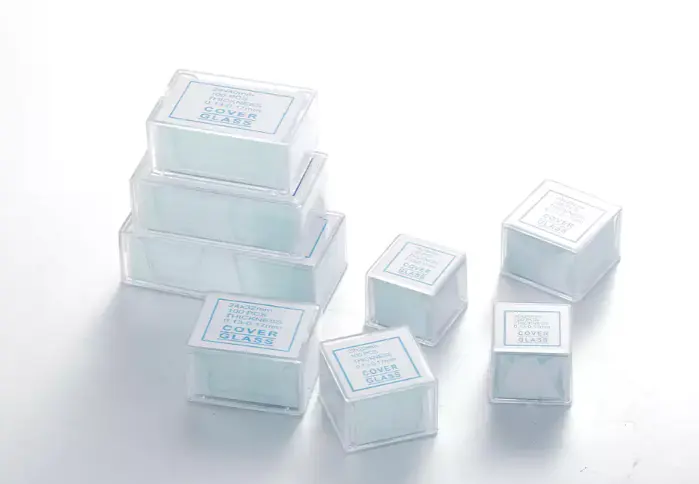
Quality accessories such as glass cover slips are likely to be used by the laboratories to ensure good quality output, maintain the sample, and offer optical clarity.
Laboratory How to Stain Slides
The technique and chemical interaction must be known in order to know how to stain the specimen slide in the laboratory. The procedure depends on the staining procedure adopted, but the overall procedure is similar.
Standard Staining Procedure:
1. Deparaffinization of tissue section.
2. Hydrated alcohol series graded.
3. Staining reagents and dyes.
4. Cleaning up the excess stain cautiously.
5. Counterstaining to add contrast.
6. Mounting and dehydration with a cover slip.
It is a step-by-step slide staining process on samples that will result in a clear view of tissues under a microscope.
Proper execution improves:
• Diagnostic clarity
• Staining consistency
• Laboratory efficiency
• Accuracy in interpretation
Methods of Slide Staining and Tissue Analysis in Histology
The histology staining of the histology slides helps in the study of the tissue structure. This involves disease pattern identification, cell structures, and abnormal growth.
Typical Histological Staining Methods:
Hematoxylin and Eosin (H&E Staining)
• Differential staining methods
• Immunohistochemical staining
• Acid-base staining methods
Staining of Slides Using Fluorescence
Each of the techniques highlights different parts of the cell or tissue, and they help scientists to analyse tissue samples with great accuracy.
For example:
- Hematoxylin is blue or purple.
- Eosin is pink in the cytoplasm.
- Gram staining: The type of bacteria is distinguished.
The techniques are quite helpful in staining of histopathology and clinical research.
Modern Laboratories: Slide Staining, State-of-the-Art
In modern laboratories, the more sophisticated staining methods are employed to enhance the accuracy and quality of the imaging in the diagnosis.
Key Advanced Techniques:
- Gram staining of bacteria.
- The Ziehl-Neelsen technique of staining acid-fast bacteria.
- Wright-Giemsa of blood cells.
- Staining of molecular imaging with fluorescent dye.
- Immunohistochemistry of antigen detection.
These techniques supplement cell structure visualization techniques and allow a more detailed insight into disease processes.
They are particularly significant in:
• Cancer diagnostics
• Infectious disease identification
• Cytology slide evaluation
• Medical research studies
Applications of Slide Staining in Diagnostic and Pathology Labs
Staining is a fundamental aspect of medical laboratories. In its absence, a proper diagnosis could hardly be made.
Importance in Diagnostics:
• Improves the analysis of diagnostic slides.
• Improves histological interpretation.
• Favors early detection of diseases.
• Helps to identify the trends of infection.
• Enhances quality control in the labs in the staining of slides.
Staining is applied in the pathology labs on a daily basis in the analysis of clinical specimens and in the identification of disease tissue. It gives visual clarity, which aids the doctors in making life-saving decisions.
Specimen Slide Staining is Important in Microscopy
The value of staining of specimen slides in microscopy cannot be overestimated. It converts the invisible biological data into visual data in an orderly way.
Key Benefits:
• Enhances microscopic visibility
• Favors lab work.
• Improves research accuracy
• Helps in the visualization of biological samples.
• Improves medical laboratory tests.
The sophisticated microscopes are not able to give any significant diagnostic results without staining.
Enhancing Diagnostic Accuracy Using Staining Techniques
In contemporary healthcare, the enhancement of diagnostic accuracy is an important aspect. Staining should aid in all observations being reliable.
The benefits of Proper Staining:
• More elaborate explanation of tissue structures.
• Faster disease detection.
• Quality cytology slide.
• Enhanced histopathology diagnosis.
• Enhanced laboratory consistency
This enhances the effectiveness and scientificity of specimen preparation in detecting diseases.
Standard Procedures in the Histology Lab
The histology laboratories have strict standard procedures in all laboratories to obtain consistent results.
These include:
- Controlled fixation timing
- Standardized staining reagents
- Calibration of laboratory equipment.
- Proper mounting and preparation of slides.
- Quality control checks are regularly.
Such standards are used to make sure that the processing of the laboratory specimen is correct and reproducible among various samples.
Conclusion:
The process of Specimen Slide Staining is more than a laboratory procedure; it is the cornerstone of contemporary diagnostic science. Until the more advanced immunohistochemical methods, including the histology slide staining, every method will assist in getting a more advanced visualization and a more accurate medical interpretation. It improves the pathology procedures and offers reliable results in clinical diagnostics when appropriately conducted.
In the world of microscopy, clarity is everything, and the key to it is staining. To get good materials and correct accessories that are applied in laboratories where quality is scientifically correct, go to Trustlab-China.