




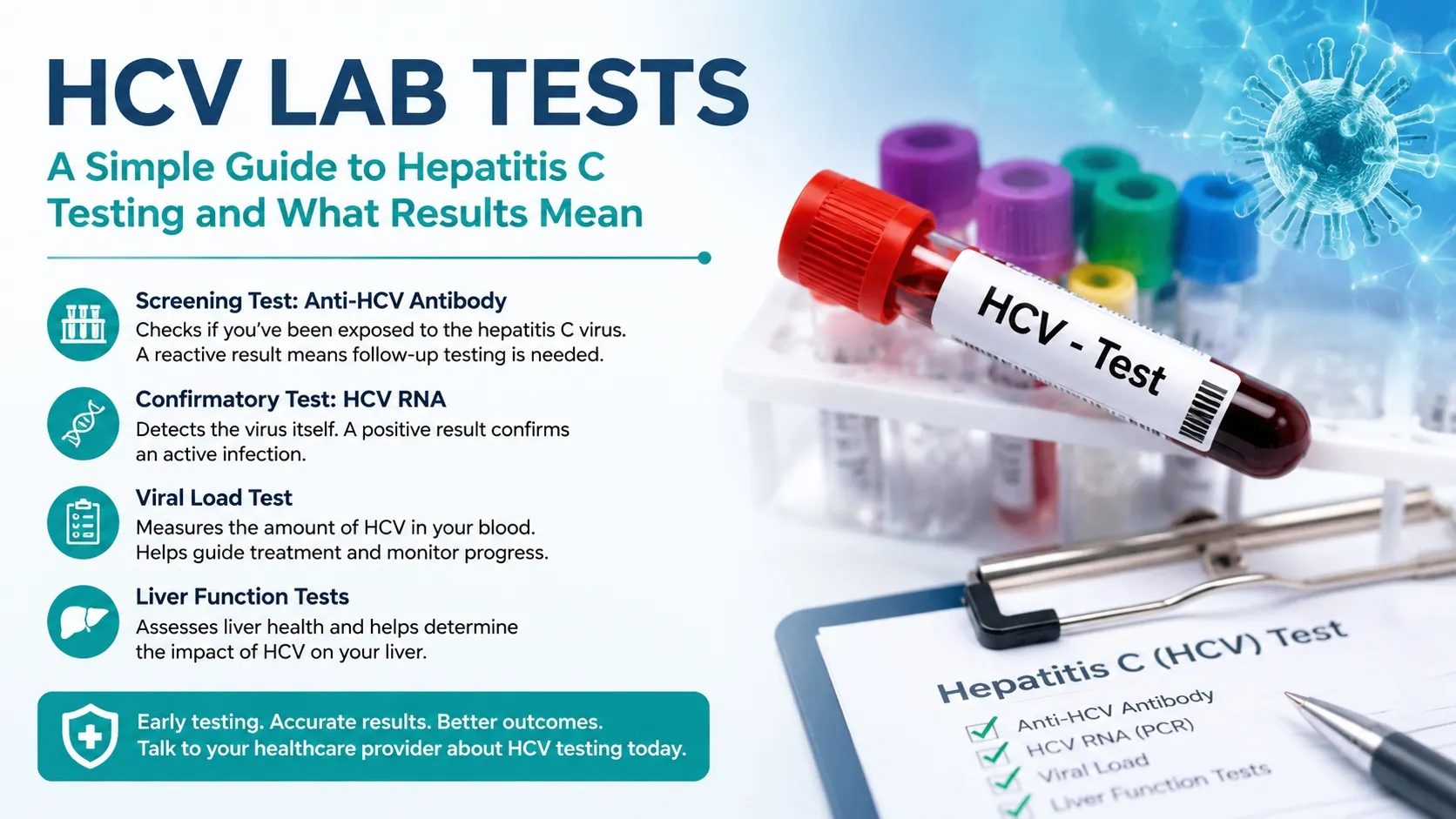
tests for hcv
Hepatitis C virus (HCV) infection continues to pose a large public health problem in the world, with millions of people infected. Early detection and accurate diagnosis are critical in preventing complications, such as liver cirrhosis, hepatocellular carcinoma, and chronic liver disease. Laboratory testing of HCV is critical to the diagnosis of infection, monitoring of disease and treatment decisions. To get involved, the guide gives a comprehensive overview on the laboratory tests used for HCV diagnostics, their significance and the strategies used towards HCV testing across the globe.
Understanding HCV and Its Impact
HCV is a blood-borne virus, which is most commonly spread by exposure to infected blood. The most frequent ways it is spread are by sharing needles, receiving unsafe blood transfusions or exposure to contaminated medical equipment. For many people with HCV, symptoms don't occur for many years, and regular testing is important to detect the disease early. If left untreated, chronic HCV may cause progressive liver disease and systemic effects.
Types of HCV Laboratory Tests
There are two major types of laboratory tests for HCV, screening tests and confirmatory tests. Each one is used for a specific reason in the diagnosis and treatment of the infection.
1. HCV Antibody Test (Anti-HCV)
HCV antibody test is the initial blood test to help diagnose people who might have been exposed to the virus. This is a blood test that identifies proteins (antibodies) made by the immune system as a response to an HCV infection. Key points include:
- Method: Typically performed using enzyme immunoassays (EIA) or chemiluminescent immunoassays (CLIA).
- Interpretation: A positive result indicates exposure to HCV but does not confirm an active infection.
- Follow-up: Positive results require confirmatory testing to determine current infection status.
2. HCV RNA Test (PCR)
The HCV RNA test is a molecular assay that detects the presence of viral genetic material in the blood, confirming an active infection. This test is critical for:
- Diagnosis: Confirms whether HCV infection is ongoing.
- Monitoring: Tracks viral load during antiviral treatment.
- Guiding treatment: Helps healthcare providers determine treatment duration and response.
PCR (polymerase chain reaction) techniques are highly sensitive and can detect low levels of viral RNA, making this test essential for early and accurate diagnosis.
3. HCV Genotype Testing
HCV exists in multiple genotypes (1–6), each with variations that impact treatment response. Genotype testing provides:
- Personalized treatment: Identifies the most effective antiviral therapy.
- Epidemiological insights: Helps track the distribution of HCV strains globally.
Understanding the genotype ensures that patients receive targeted therapy, optimizing outcomes and minimizing resistance.
4. Liver Function Tests (LFTs)
Liver function tests, although not specific to HCV, are important to liver function. Increased alanine aminotransferase (ALT) and aspartate aminotransferase (AST) could mean inflammation or damage to the liver from HCV. LFTs help:
- Evaluate disease severity.
- Monitor liver response to treatment.
- Identify complications early.
5. Liver Fibrosis Assessment
Progressive HCV infection may result in liver fibrosis and cirrhosis. Non-invasive tests and imaging methods (FibroScan or serum fibrosis markers) assess liver scarring without a liver biopsy. Such testing is very helpful in:
- Guiding treatment urgency.
- Monitoring disease progression.
- Reducing the risks associated with invasive procedures.
Global Testing Guidelines
HCV testing strategies vary across countries, reflecting differences in healthcare infrastructure, prevalence, and public health policies. The World Health Organization (WHO) recommends:
- Screening high-risk populations, including people who inject drugs, recipients of blood transfusions, and individuals with HIV.
- Offering universal testing in areas with high HCV prevalence.
- Integrating testing into routine healthcare visits to increase early detection rates.
Many countries now emphasize reflex testing, where a positive antibody test automatically triggers RNA confirmation, reducing delays in diagnosis and treatment initiation.
The Importance of Early Detection
Early detection of HCV is critical for several reasons:
- Preventing liver damage: Timely treatment reduces the risk of cirrhosis and liver cancer.
- Reducing transmission: Identifying and treating infected individuals helps curb the spread of HCV.
- Guiding effective therapy: Laboratory tests ensure patients receive appropriate, genotype-specific treatment.
Modern antiviral therapies, such as direct-acting antivirals (DAAs), have revolutionized HCV management, achieving cure rates above 95% when infection is diagnosed early.
Challenges in HCV Testing
Despite advancements, HCV testing faces several challenges:
- Limited access: In some regions, laboratory facilities and trained personnel are scarce.
- Asymptomatic nature: Many individuals are unaware of their infection, delaying testing.
- Stigma: Social barriers can prevent individuals from seeking testing and care.
Efforts to expand point-of-care testing, mobile clinics, and community-based screening programs are crucial in overcoming these obstacles.
Innovations in HCV Diagnostics
Technological advances are transforming HCV testing:
- Rapid diagnostic tests (RDTs): Enable on-the-spot screening with results in minutes.
- Dried blood spot (DBS) testing: Facilitates sample collection in remote or resource-limited areas.
- Next-generation sequencing (NGS): Provides detailed viral information, aiding research and public health surveillance.
These innovations are making the drug more accessible, more early diagnosis and more contribution to global elimination efforts.
Conclusion
Laboratory testing is the foundation of proper diagnosis, therapy and management of HCV. These tests can be valuable for healthcare professionals and patients from antibody screening to RNA confirmation and genotype analysis. Accurate lab testing can lead to early detection, which can help avoid severe liver complications, enhance treatment and lessen the spread of the virus across the globe.
As HCV testing technology continues to evolve and international efforts to eradicate the virus drive an expansion in the availability of timely, effective care for HCV throughout the world. Knowledge, regular testing, and following guidelines for testing are essential to a world free of HCV.