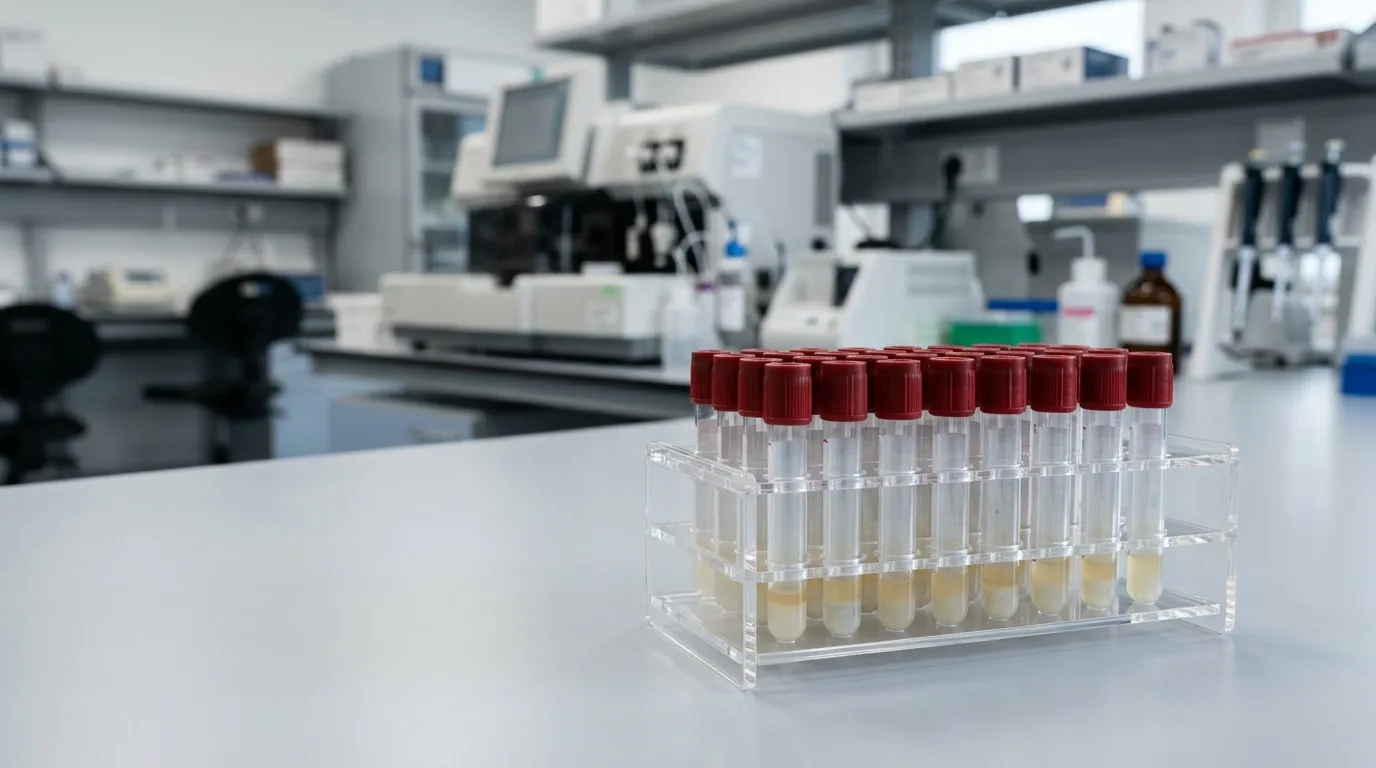




vacuum blood collection tubes
Phlebotomy, or blood collection, is a critical component of healthcare, allowing for precise diagnosis and effective treatment. One of the most efficient, safe and reliable tools in phlebotomy is the vacuum blood collection tube. Here, we'll outline how they work, what they contain and why they're the preferred choice in laboratories worldwide.
How Do Vacuum Blood Collection Tubes Work?
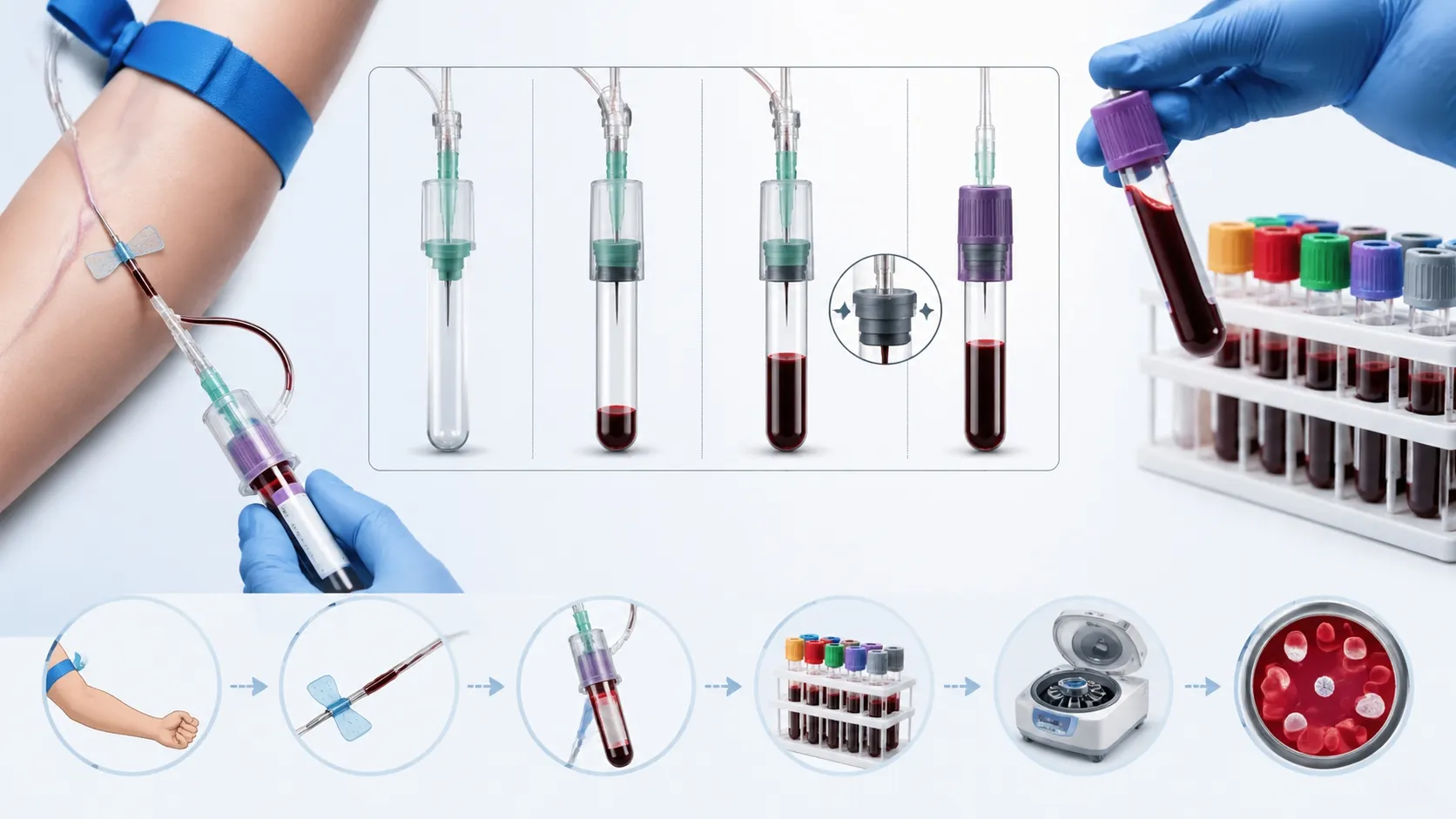
Negative pressure is the key to how vacuum blood collection tubes work. Here's how they work:
- Tube Preparation: Each tube comes pre-evacuated with a specific vacuum level suitable for the intended volume of blood. The tube also contains additives such as anticoagulants, clot activators, or gel separators depending on the type of test.
- Needle Insertion: A sterile, double-ended needle is attached to a holder. One end goes into the patient’s vein, and the other punctures the tube’s rubber stopper.
- Blood Draw: Once the tube is punctured, the vacuum pulls blood from the vein directly into the tube. The process is automatic, precise, and typically takes only a few seconds.
- Mixing Additives: If the tube contains additives, gentle inversion ensures proper mixing of blood with the chemical reagents, preventing clotting or preparing the sample for specific tests.
- Safe Removal: After filling, the tube is removed from the needle, and the needle is safely disposed of in a sharps container. The collected sample is then labeled and ready for laboratory analysis.
Types of Vacuum Blood Collection Tubes
Vacuum blood collection tubes come in various types depending on their additives and purposes:
- EDTA Tubes: Contain anticoagulants used for hematology tests. These tubes preserve the shape and size of blood cells for accurate counting.
- Citrate Tubes: Used for coagulation studies. Citrate prevents clotting while maintaining the blood’s clotting factors.
- Serum Separator Tubes (SST): Contain gel that separates serum from blood cells after centrifugation, ideal for biochemistry tests.
- Heparin Tubes: Contain heparin to prevent clotting in samples for clinical chemistry or plasma studies.
- Specialty Tubes: Designed for molecular diagnostics, glucose testing, or trace element analysis, often with unique additives.
Advantages of Using Vacuum Blood Collection Tubes
Vacuum blood collection tubes offer multiple benefits that make them a standard in modern laboratories:
- Efficiency: Automatic blood draw reduces collection time and allows multiple tubes to be filled from a single venipuncture.
- Safety: Minimizes exposure to blood and lowers the risk of needle-stick injuries.
- Accuracy: Pre-measured vacuum ensures the correct blood volume, improving test reliability.
- Versatility: Available in different sizes and additive types for diverse diagnostic tests.
- Sample Integrity: Special additives and separator gels maintain the quality of blood samples during transport and storage.
Global Use and Standards
These special blood collection tubes have gained universal acceptance because of their standardised designs and safety features. They adhere to rigorous standards, including ISO 6710 and CLSI guidelines, ensuring quality and safety. Vacuum tubes are used in laboratories across Asia, Europe, North America and other parts of the world for their reliable performance in standard and advanced tests.
Tips for Proper Use
To maximize the efficiency and safety of vacuum blood collection tubes, consider these best practices:
- Always check the expiration date before use.
- Choose the appropriate tube type based on the test requirements.
- Gently invert tubes containing additives to mix thoroughly.
- Follow proper infection control protocols to prevent contamination.
- Label samples immediately after collection to avoid errors.
Conclusion
Vacuum blood collection tubes are essential in diagnostics, ensuring safe, fast, and convenient blood sampling. Standardised structure, user-friendliness and versatility with many different tests make them essential in hospitals, laboratories and blood donation centres across the globe. Health-care professionals can ensure diagnostic accuracy, better patient outcomes and streamlined laboratory workflows by knowing how they work and their advantages.
To ensure laboratories have access to reliable and high-quality vacuum blood collection tubes, working with trusted suppliers guarantees sample quality and compliance with international safety standards.