



what is laboratory glassware
Laboratory Glassware is the backbone of scientific research and experimentation. Whether in a chemistry lab, a medical laboratory, or anywhere in between, having the right and correct glassware is crucial to making accurate measurements, handling chemicals safely, and conducting experiments that will have a successful outcome. This complete guide discusses the various types, applications, and tips for using lab glassware in a laboratory setting, ensuring safety and efficiency.
What is Laboratory Glassware?
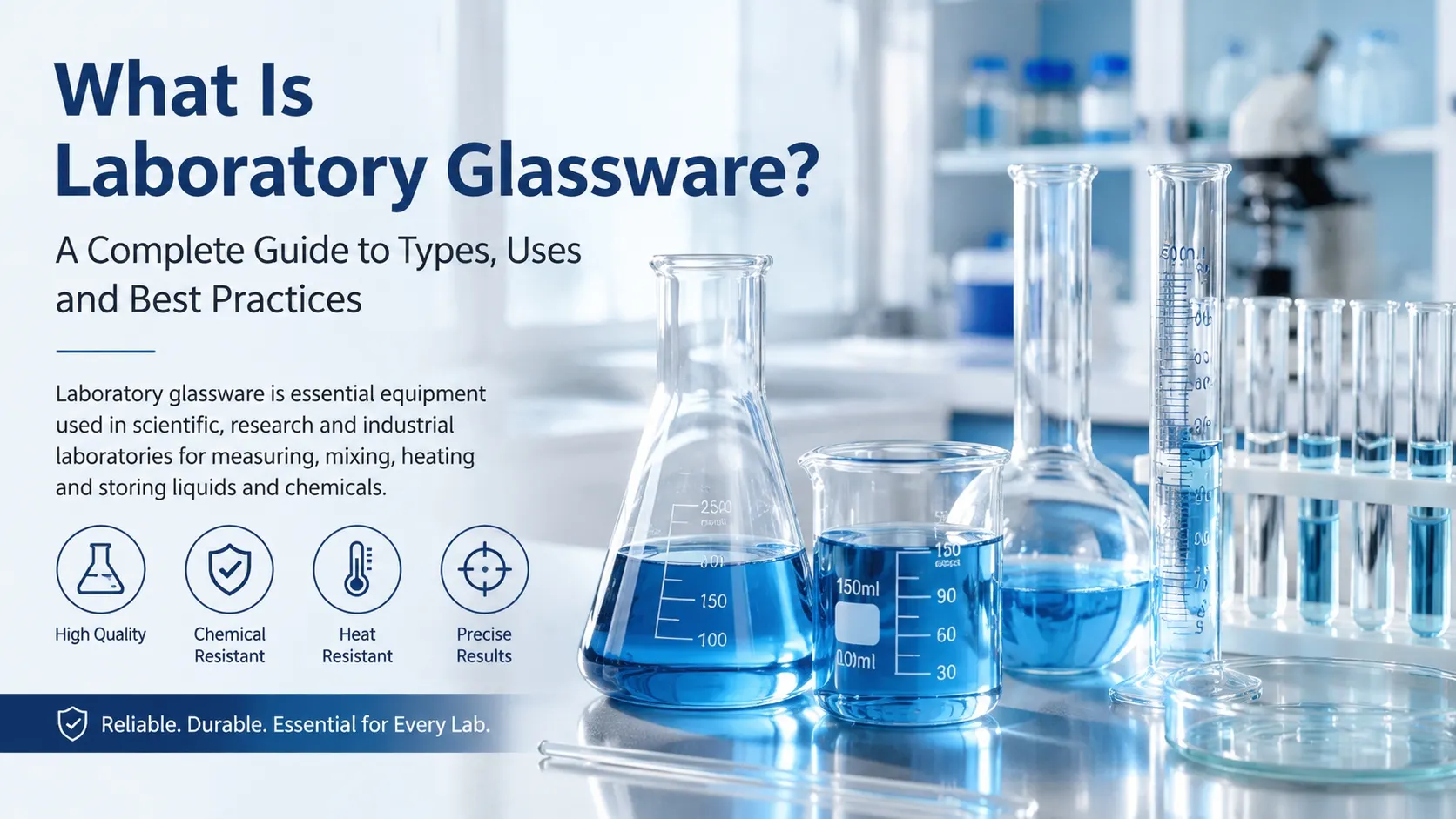
Laboratory glassware: These are glassware and instruments which are used in scientific experiments. Laboratory glassware is manufactured to resist physical and chemical stresses and high temperatures, as well as to prevent contamination.
Today, the majority of laboratory glassware is produced from borosilicate glass, which has high resistance to heat shock and chemical corrosion. For special applications, additional materials such as soda-lime glass or other plastic materials can be used, but these may not be as durable as quartz.
Common Types of Laboratory Glassware
Laboratory glassware is available in a variety of shapes and sizes to serve a particular purpose. It is essential to learn these types to ensure that the proper apparatus is used for the experiment.
- Beakers
Beakers: Cylindrical containers with a flat bottom and a spout through which to pour. They are used in many applications for mixing, heating and measuring liquids. They are not suitable for accurate measurements, but are useful for most other laboratory work. - Flasks
Flasks, such as volumetric flasks and Erlenmeyer flasks, are used to keep liquids in securely and reduce spills. Conical-shaped Erlenmeyer flasks are best for swirling to mix the contents and volumetric flasks are best for measuring liquid volume. - Test Tubes
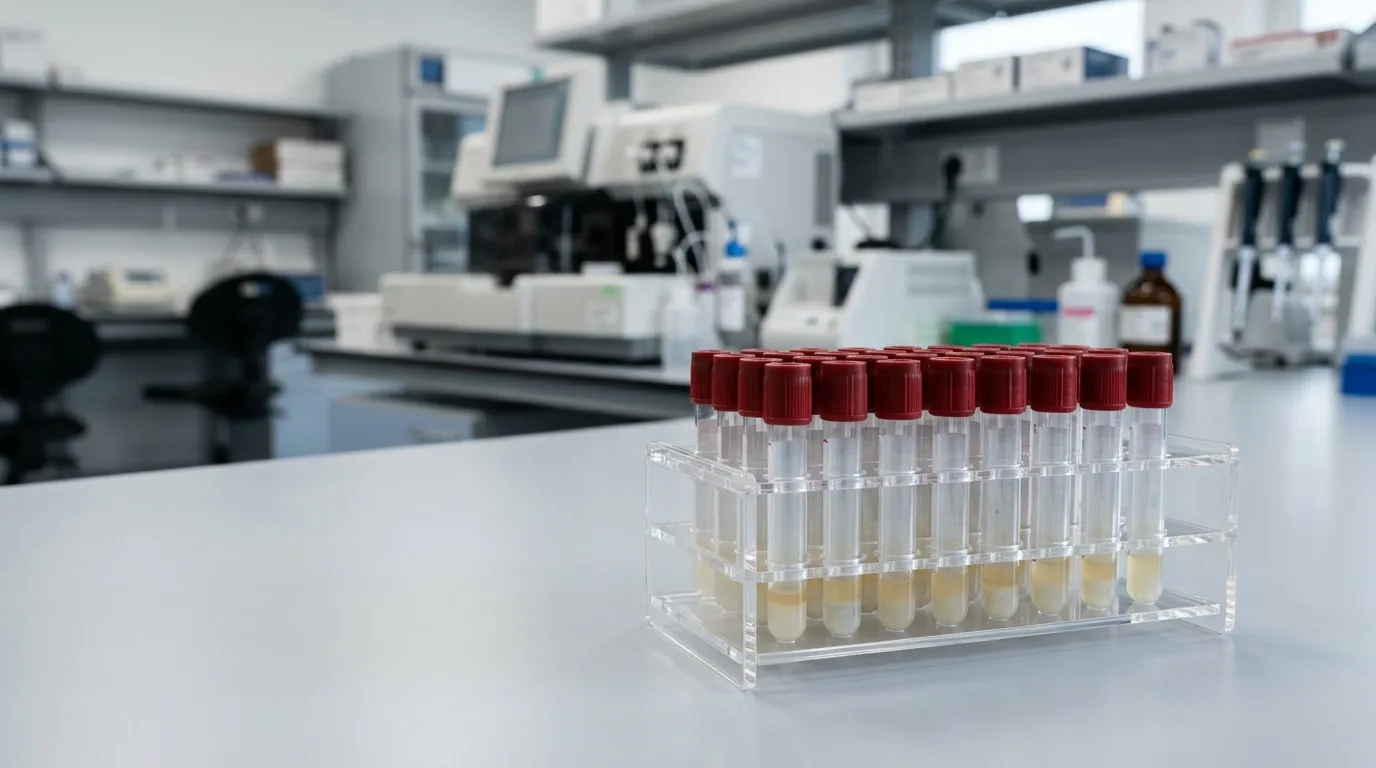
Test tubes are small cylindrical tubes that are used for the manipulation and heating of small quantities of chemicals. They are often used for reactions on a micro-scale and for culturing biological samples. - Pipettes and Burettes
Precise measuring and transferring devices of liquids. Pipettes and burettes. The pipette may be a mechanical or electronic device and the burette is frequently employed in a titration experiment to add a controlled amount of reagent. - Petri Dishes
Petri dishes are shallow, cylindrical glass petri dishes that are widely used in microbiology to culture bacterial or fungal cultures. These enable scientists to monitor growth and carry out controlled experiments. - Condensers and Tubing
In distillation and chemical synthesis, special equipment like condensers and tubing is used. Tubing can link various parts of the glassware to allow reactions or transfer of substances, and condensers can be used to cool vapors back into a liquid.
Best Practices for Using Laboratory Glassware
Proper handling and maintenance of glassware are essential to prevent accidents, ensure accuracy, and extend the lifespan of equipment. Here are key best practices:
- Inspect Before Use
Always check glassware for cracks, chips, or contamination before using it. Damaged glassware can break under pressure or heat, posing a safety risk. - Proper Cleaning
Cleaning is crucial to avoid cross-contamination. Use appropriate detergents, brushes, and rinsing procedures. For certain experiments, sterilization using autoclaves or chemical disinfectants may be required. - Correct Storage
Store glassware in designated racks or cabinets to prevent accidental breakage. Keep frequently used items within easy reach and fragile or specialized glassware stored securely. - Safe Heating
When heating glassware, use equipment designed for laboratory use, such as Bunsen burners or hot plates. Never expose glass to sudden temperature changes, as this can cause thermal shock and breakage. - Labeling and Identification
Always label glassware with contents, date, and relevant hazard information. This ensures safety and accuracy, especially in busy laboratory environments.
Choosing the Right Glassware for Your Lab
The choice of laboratory glassware relates to the type of experiment, chemical properties of reagents and the level of accuracy required. For instance, volumetric flasks are used for making standard solutions, and beakers are used for mixing in general. These are some criteria to consider when selecting glassware:
- Chemical Compatibility: Ensure the glassware material can withstand the chemicals used. Borosilicate glass is generally safe for most acids, bases, and solvents.
- Volume and Size: Choose glassware that matches the volume requirements of your experiment to avoid spillage or inaccurate measurements.
- Durability: For labs with frequent handling or heating, durable glassware reduces the risk of breakage.
Advantages of Using High-Quality Laboratory Glassware
Investing in high-quality glassware provides several benefits:
- Accuracy: Precision glassware ensures reliable measurements and reproducible results.
- Safety: Resistant materials reduce the risk of chemical reactions, breakage, and contamination.
- Durability: Laboratory-grade glass lasts longer, minimizing replacement costs and interruptions.
Innovations in Laboratory Glassware
Recent developments have added special glassware to meet the needs of high throughput, automatic and micro-scale work. As an example, complex reactions can be easily assembled using modular glassware systems, or disposable glass or plastic systems can be used to decrease cleaning time and contamination.
Conclusion
Laboratory glassware is essential to science and plays a vital role in research, ensuring accuracy, safety, and flexibility in various fields. Once laboratories know the different types of glassware, their handling and the materials associated with them, they can maintain a high level of efficiency and safety.
Whether you are a scientist, researcher, or lab manager, the right lab glassware and best practices will help to improve the quality of your experiments and minimize risk. In today's UK and international laboratories, high quality glassware is not simply a tool, it's the cornerstone of successful scientific research.