


Updated 4 months ago
How High-Quality Butterfly Blood Collection Sets Guarantee Smooth Flow

Admin
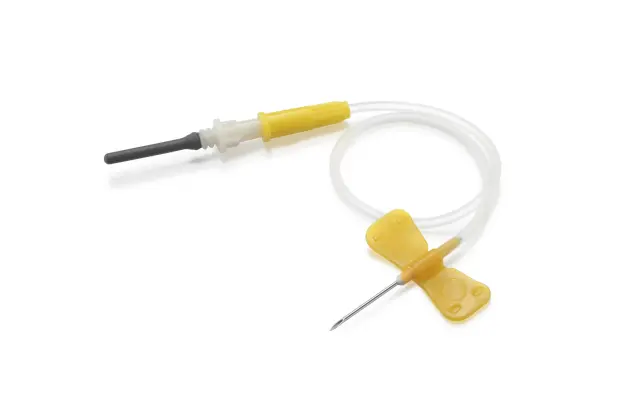
Butterfly Blood Collection Sets
In clinical settings, having to start over a blood draw due to slow circulation or an interruption is more than an inconvenience. This leads to hemolysis, and discomfort in the patient, and requires basically sticking them again. For procurement specialists and phlebotomy managers, Butterfly Blood Collection Sets are not about just enabling the comfortable draw, but also diagnostic accuracy and the uninterrupted workflow.
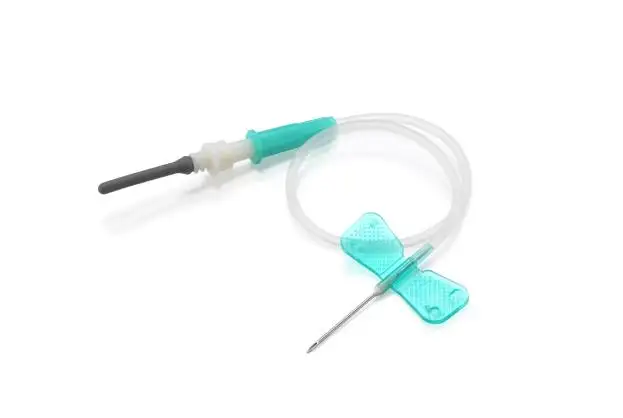
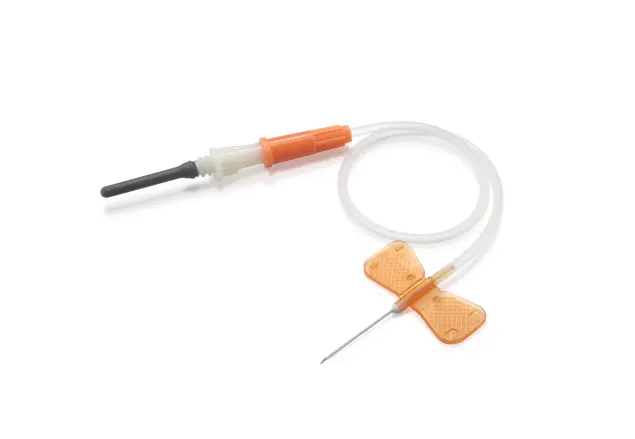
By the end of 2026, no end in sight for the increasing demand of consistent venipuncture devices. Automated collection and high throughput labs rely on consumables that must perform within defined specifications. Butterfly Blood Collection Sets of inferior quality add more variables to the already compromised sample. The Trustlab Standard Blood Collection Needle (GT210-1010) is one of the high quality, more optimal options available.
In the following paper, we will analyze how blood collection on the venipuncture devices, provide uninterrupted draws and the elimination of harm, and promote the newest of blood collection practices.
The Interruptions in Flow are Costly
During the phlebotomy draw, it is not uncommon for the phlebotomist to reposition the needle. This is a very painful and difficult topic for the patient. The collection sample can also be compromised. Turbulence and flow caused by a poorly designed venipuncture device or a collapsed vein can lead to hemolysis (the breakdown of red blood cells).
Laboratory analyzers will reject hemolysis samples. This will also lead to a redraw, and a more costly situation for both the patient and the lab due to an increase in delay in diagnosis. High-quality Butterfly Blood Collection Sets minimize this risk through three specific features: needle sharpness, tube wall stability, and secure hub connections.
Why Needle Bevel Design Directly Affects Flow Rate
The most overlooked factor in venipuncture is the needle bevel. A blunt or poorly ground bevel tears tissue rather than separating it. Functionally, vein wall contraction results in reduced lumen diameter and flow due to inflammatory response and venous spasm.
The sharp, medical-grade stainless steel needle on the GT210-1010 from Trustlab solves this. The bevel geometry achieves the following:
•Cutting through tissue results in the least amount of patient trauma. This geometry reduces the insertion drag force.
•Sustaining lumen patency is achieved as clean entry prevents vein wall collapse.
•Sustaining gliding flow is achieved as the geometry of a tube has smooth interior surfaces.
Unlike Trustlab, butterfly blood collection sets are manufactured with duller steel. This results in Fill Time Variability inflating resistance to flow.
Effects of Ergonomic Wing Design
Flow disruption comes from movement of the needle. Further disruptions come from the phlebotomist having to hold the needle in the vein. In these case situations, the needle cuts off a portion of the vein. This is where the design comes into play.
The GT210-1010 has large textured wings that are designed to do a few things:
•Gloved hands can grip the wings more securely as the textured wings limit rotational movement.
•The wings have a wider contact area. This feature distributes hand pressure and reduces fatigue.
•These wings limit controlled movement from the phlebotomist. This is design that focuses on patient care.
Similarly, more sophisticated butterfly blood collection set designers advocate for the use of wing texture as a clinical component rather than an aesthetic one.
Avoiding Disconnections With a Secure Hub
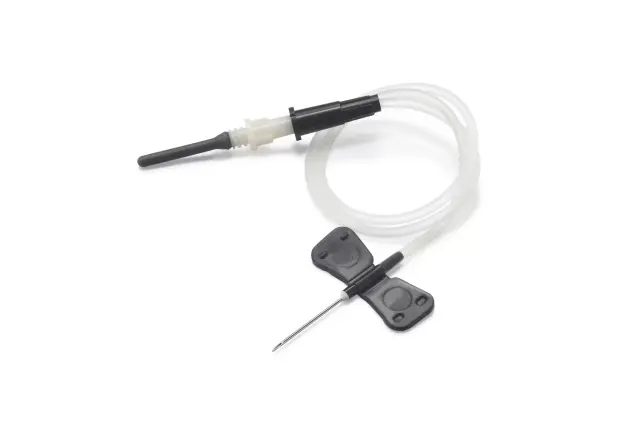
Interruption of flow happens when the collection tube hub disconnects from the needle assembly. Low-cost devices are prone to breaks here. A gap affects either sample volume or sterility by introducing air gaps or blood leaks.
With a secure hub connection, Trustlab hones in on avoiding disconnections. The hub is designed for:
•Vacuum seal integrity: A pressure differential is intact, ensuring an uninterrupted blood sample.
•Standard holder compatibility: Integrates seamlessly with blood collection systems.
•Reduced biohazard blood exposure: Phlebotomy users and patients stay blood free.
This hub reliability focuses on systems which use automated systems blood collection. Machines are not designed to handle loose fittings.
Consistent Performance From Sterility & Material Quality
One of the least predictable qualities of phlebotomy supplies is the inconsistency between batches. Trustlab for example, GT210-1010, takes abuse from blood collection systems. Blood flow issues are a bane for clinical employees and a waste of time.
•EO sterile processing: Until the time of use, the sterility of the unit is individually preserved by the pouch.
•Corrosion resistant, Medical grade, stainless steel: Needles keeping sharp and intact for storage.
•Distinguished Certification (ISO, CE, MDMA): The Compliance and Quality Assurance Specialists ensure third party audits to reinforce audit compliance and consistency across all the dimensions worldwide, from 19G to 27G.
With every unit performing the same way, phlebotomists become confident and keep accurate timings. It plays an important role in minimizing flow-related issues.
Applications Where Quality of Flow is Critical
Smooth flow should never be considered a luxury in these clinical situations. Quality collections are important for:
•Clinical venipuncture and infusion: Faster blood collection reduces the instance of blood being drawn multiple times and increases efficiency for the patient.
•Automated blood collection: Steady blood collection allows for robotic venipuncture without stopping the collection.
•Laboratory testing and evaluation: Limited flow helps in minimizing hemolysis.
•Donation and transfusion: Improved flow increases the comfort of donors.
Flow is everything. In every case, the implications of flow cast a wide effect. Products that ensure flow control reduce frustration among staff and anxiety in patients and the likelihood of rejection in the lab.
Conclusion: Flow Quality is Key for the Procurement Process
For buyers in 2026, the flow of Butterfly Blood Collection Sets alongside the purchasing price should be considered in equal measure. The cost of a hemolyzed sample or second venipuncture is far more than the savings from purchasing a low-quality device.
The Trustlab GT210-1010 shows how sharp bevel geometry, textured wings, a secure hub, and consistent control work together to control flow from poor quality to boundless. These are not marketing claims. These are responses to engineering tough problems.
For reliable Butterfly Blood Collection Sets that are fully manual and automated for your laboratory or hospital, prefer flow control. The rest will follow.
FAQs
Q1: Most adult draw venipunctures use which gauge size to obtain maximum flow rates?
A: Down to 21g and 22g.
Q2: Are butterfly blood collection sets compatible with fully automated blood collection systems?
A: Of course. Trustlab GT210-1010 sets that have a properly seated hub connection with consistent tolerances may be used.
Q3: Does sharpness of the needle affect hemolysis risk?
A: A sharp bevel is less traumatic to tissue resulting in a venous spasm. This causes less turbulence encroachment which is the main cause of red blood rupture.
Q4: Are Butterfly Blood Collection Sets offered in sterile single units?
A: Yes, our premium sets are individually packaged and terminally EO sterilized to ensure an untouched sterile field until the moment of use.
Q5: What certification should you check when buying from overseas suppliers?
A: Most of the time, you should check that the supplier has ISO, CE, and MDMA certification. This is proof that the supplier has pioneered supremely safe medical products.