


Updated 4 months ago
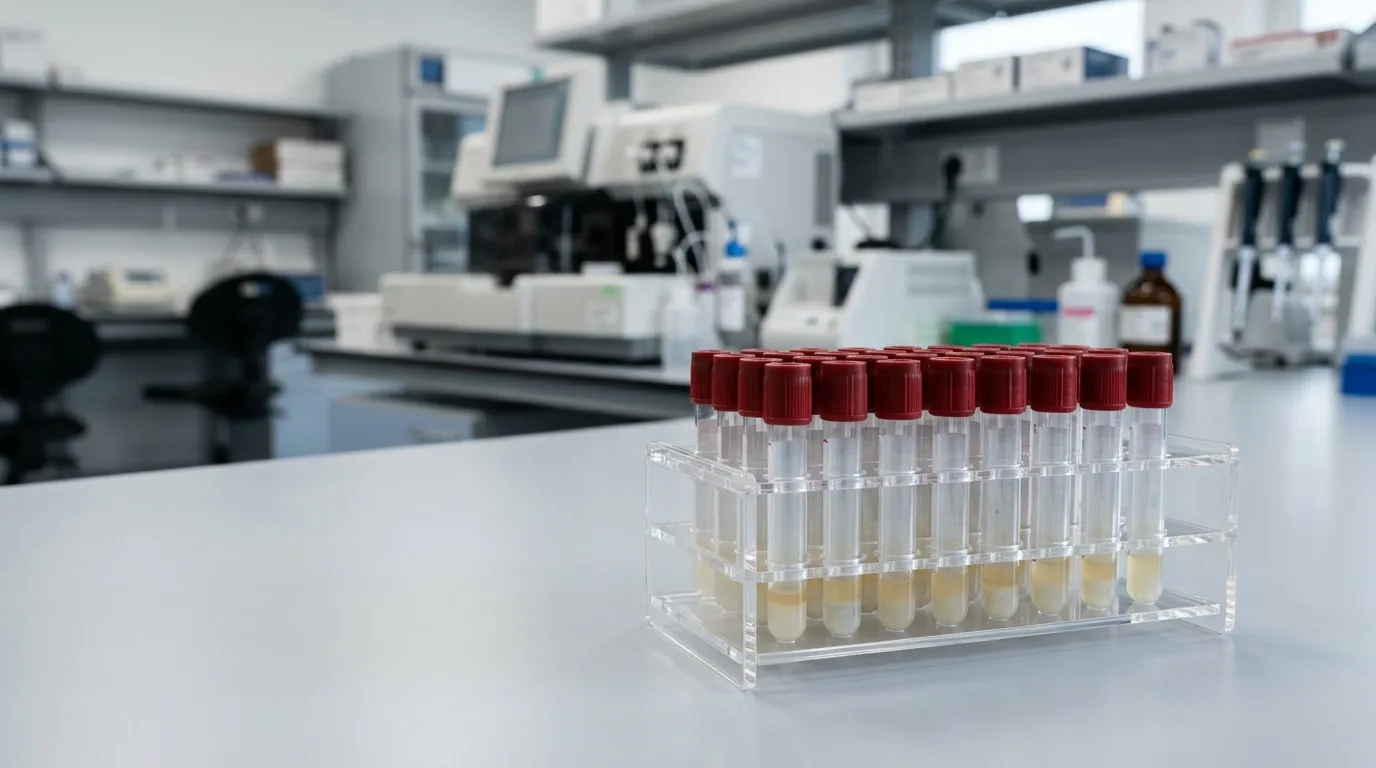
what supplies are needed to perform an evacuated blood collection

Admin
what supplies are needed to perform an evacuated blood collection
Blood collection is an integral part of medical diagnostics, and is crucial to disease detection, patient monitoring and laboratory testing. The quality of the blood collection equipment and techniques used are key to the accuracy and reliability of laboratory results. This guide will discuss key blood collection instruments, its uses, and safety and efficiency tips for the clinical environment.
Understanding Blood Collection Equipment
Blood collection equipment includes various devices that are used to safely and efficiently collect blood samples from patients. These tools play a vital role in patient comfort, health care worker safety, as well as accurate diagnostics. Some common examples of blood collection equipment are:
- Needles and Syringes
- Hypodermic Needles: Used for venipuncture or arterial blood draws, available in various gauges to suit patient needs. Smaller gauges (e.g., 23G, 25G) are typically used for pediatric or sensitive patients, while larger gauges (e.g., 18G, 20G) are preferred for adults or rapid collection.
- Syringes: Often paired with needles for manual blood collection, syringes allow precise control over suction, which is particularly useful in patients with fragile veins.
- Vacutainer Systems
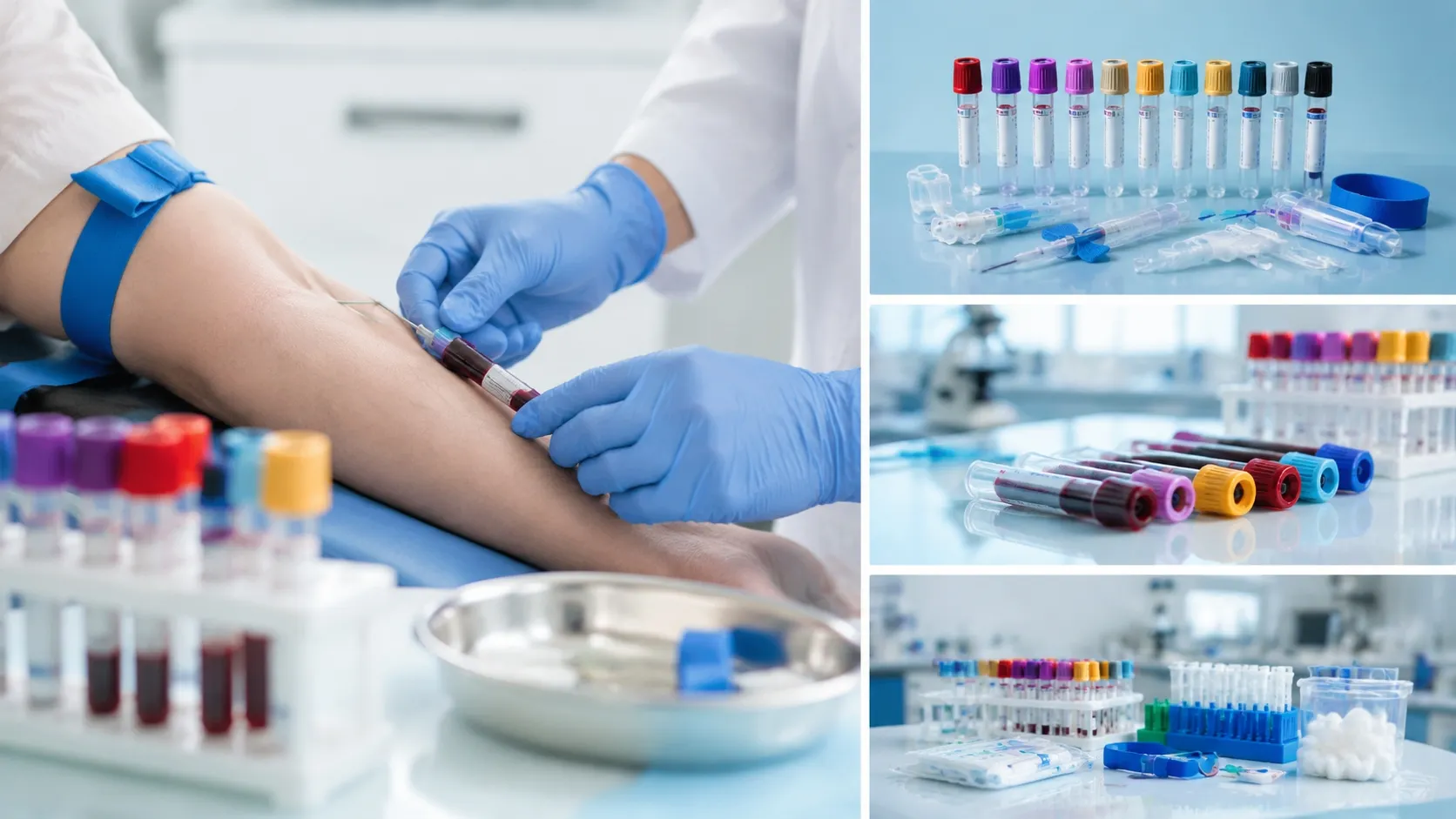
Vacuum system is one of the most popular systems used to collect blood samples in the modern laboratory. Requires a pre evacuated tube, a needle and a holder. The vacuum in the tube pulls blood automatically to reduce the chances of contamination and allows for proper volume collection. Vacutainer tubes come in a range of different colors for various additives and uses, including:- EDTA tubes for hematology tests
- Serum separator tubes (SST) for chemistry tests
- Citrate tubes for coagulation studies
- Butterfly Needles
Also known as winged infusion sets, butterfly needles are ideal for patients with small or difficult veins, such as children and the elderly. The soft wings allow for greater control and a more comfortable to handle, and the tubing enables the phlebotomist to have a secure grip. - Capillary Collection Devices
Capillary collection may be used for collecting a small amount of blood. The method is called fingerstick or heelstick and the blood is drawn into microcollection tubes for testing. A less invasive method (Capillary Collection) is used and preferred for pediatric or diabetic patients.
Safety Features in Modern Blood Collection
Ensuring the safety of both patients and healthcare providers is paramount. Modern blood collection equipment incorporates several features to minimize risks:
- Safety-Engineered Needles: These retractable or shielded needles prevent accidental needlestick injuries.
- Closed System Collection: Devices such as vacutainers and certain butterfly sets minimize exposure to blood, reducing the risk of cross-contamination.
- Sterility Assurance: Pre-sterilized, single-use devices ensure infection control in clinical settings.
Best Practices for Blood Collection
Proper blood collection technique is as important as the equipment itself. Following best practices helps ensure accurate results and patient safety:
- Patient Preparation: Ensure the patient is comfortable, informed, and properly positioned. Verify identification and check for any special requirements (e.g., fasting).
- Equipment Selection: Choose the appropriate needle gauge, collection tube, or device based on patient age, vein condition, and the type of test required.
- Aseptic Technique: Use gloves, disinfect the puncture site, and avoid touching sterile surfaces.
- Proper Handling of Tubes: Invert tubes with additives gently to mix without causing hemolysis. Label each sample accurately with patient information.
- Post-Collection Care: Apply pressure to the puncture site, monitor for adverse reactions, and dispose of needles in approved sharps containers.
Geographic Considerations for Blood Collection Equipment
The availability and selection of blood collection tools can vary depending on the region. Factors influencing this include:
- Regulatory Standards: Different countries have specific safety and sterility requirements for medical devices.
- Climate and Storage Conditions: Some regions require equipment that withstands high temperatures or humidity without compromising sterility.
- Supply Chain and Logistics: Remote or rural areas may have limited access to advanced equipment, making portability and multi-use systems more practical.
In areas where health and safety regulations are rigorously enforced, healthcare staff might be more inclined to use FDA-approved or CE-marked devices, whereas in developing markets, there might be a greater emphasis on the affordability and versatility of the equipment, without sacrificing safety.
Innovations in Blood Collection
Technological advancements continue to improve blood collection efficiency and safety:
- Needle-Free Devices: Using vacuum or microfluidic technology, these devices reduce discomfort and infection risk.
- Integrated Collection Systems: Combining multiple functions, such as sample collection, labeling, and storage, streamlines workflow and minimizes human error.
- Smart Tracking and Barcoding: Modern tubes with embedded barcodes or RFID tags ensure traceability and accurate patient identification.
Conclusion
Blood collection equipment becomes far more than a set of tools, it becomes a crucial part of patient care and laboratory accuracy. Choosing the proper devices, following safety guidelines and keeping up with technological advances result in quality diagnostics and patient satisfaction. From healthcare providers and lab technicians to facility managers, the need for dependable, safe, and region-specific blood collection equipment is vital for modern medicine.
Overall, this focus on safety, comfort, and efficiency can help healthcare professionals conduct blood draws more precisely and with care, ultimately enhancing patient outcomes and confidence in healthcare services.