


Updated 4 weeks ago
96-Well PCR Plate Supplier for Reliable Routine Testing
trustlabofficial
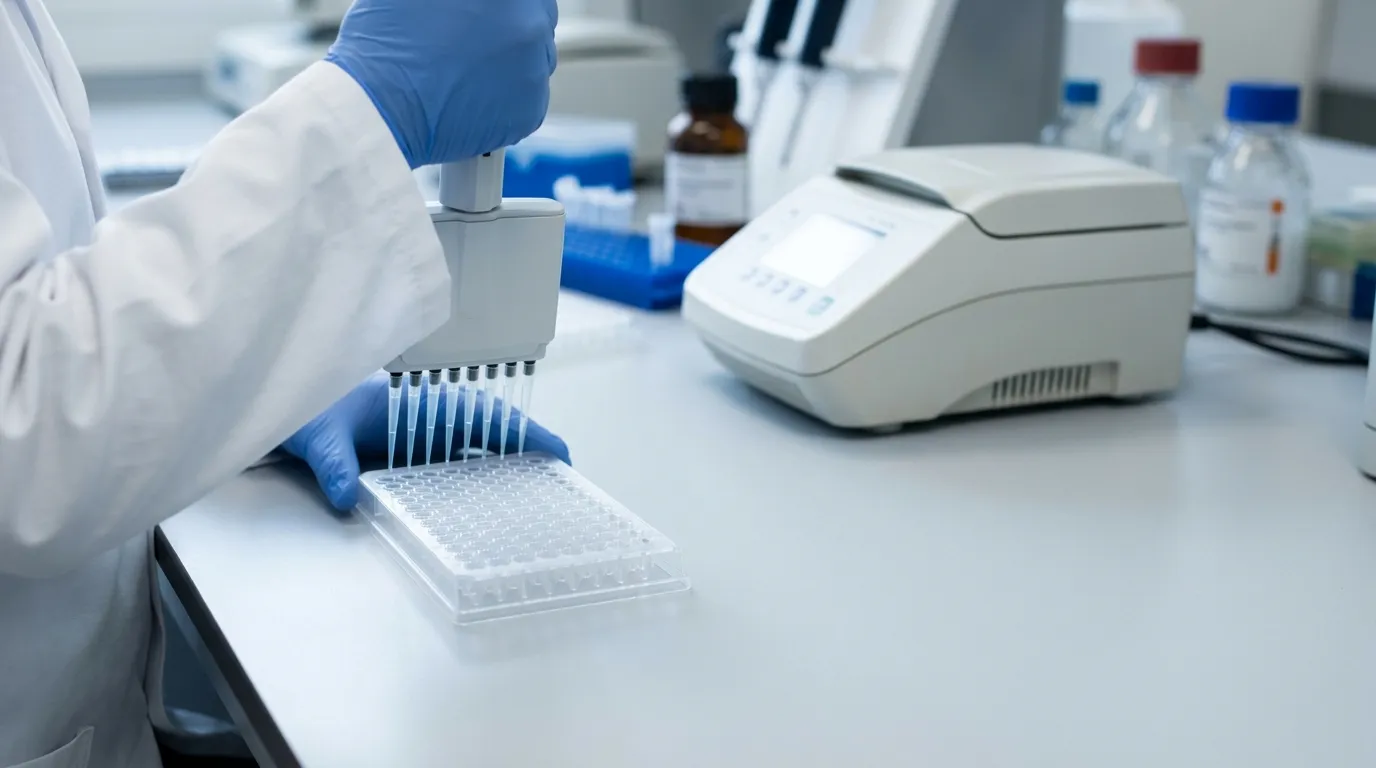
96-well PCR plate on a lab bench with a multichannel pipette above it
Choosing a 96-well PCR plate supplier involves more than comparing prices. Plate quality, lot-to-lot consistency, and contamination control directly affect the reproducibility of your results. Trustlab supplies 96-well PCR plates for routine laboratory workflows. As a pcr plates manufacturer, Trustlab produces PCR consumables for diagnostic, clinical, and research laboratories worldwide.
This page explains what to verify when evaluating a supplier, how plate format choices affect your workflow, and what Trustlab offers for routine PCR testing.
What Is a 96-Well PCR Plate?
A 96-well PCR plate is a rigid, polypropylene consumable arranged in an 8×12 grid that allows laboratories to run multiple PCR reactions simultaneously under identical thermal conditions. The plate fits directly into a thermal cycler block and is compatible with multichannel pipettes, making it a standard tool for medium-to-high-throughput workflows such as genotyping, gene expression analysis, and pathogen detection.
PCR plates are available in several format variations. Choosing the correct one depends on your thermal cycler model, reaction volume, and whether samples are processed manually or by automation:
- 0.1 mL wells — designed for fast-cycling protocols and reduced reaction volumes
- 0.2 mL wells — the conventional standard for most thermal cyclers and routine PCR
- Non-skirted plates — flexible, fit most cyclers, and are often sealed with adhesive film
- Semi-skirted plates — provide additional rigidity while maintaining broad cycler compatibility
- Full-skirted plates — most rigid, preferred for robotic handling and automation
- Low-profile plates — reduce the distance between the heated lid and the sample, enabling faster thermal cycling
- High-profile plates — standard height, required by certain thermal cycler models
The working volume of a well is lower than its total capacity. This distinction matters for PCR because leaving an appropriate air gap prevents sample evaporation and cross-contamination during thermal cycling.
What to Verify Before Choosing a 96-Well PCR Plate Supplier
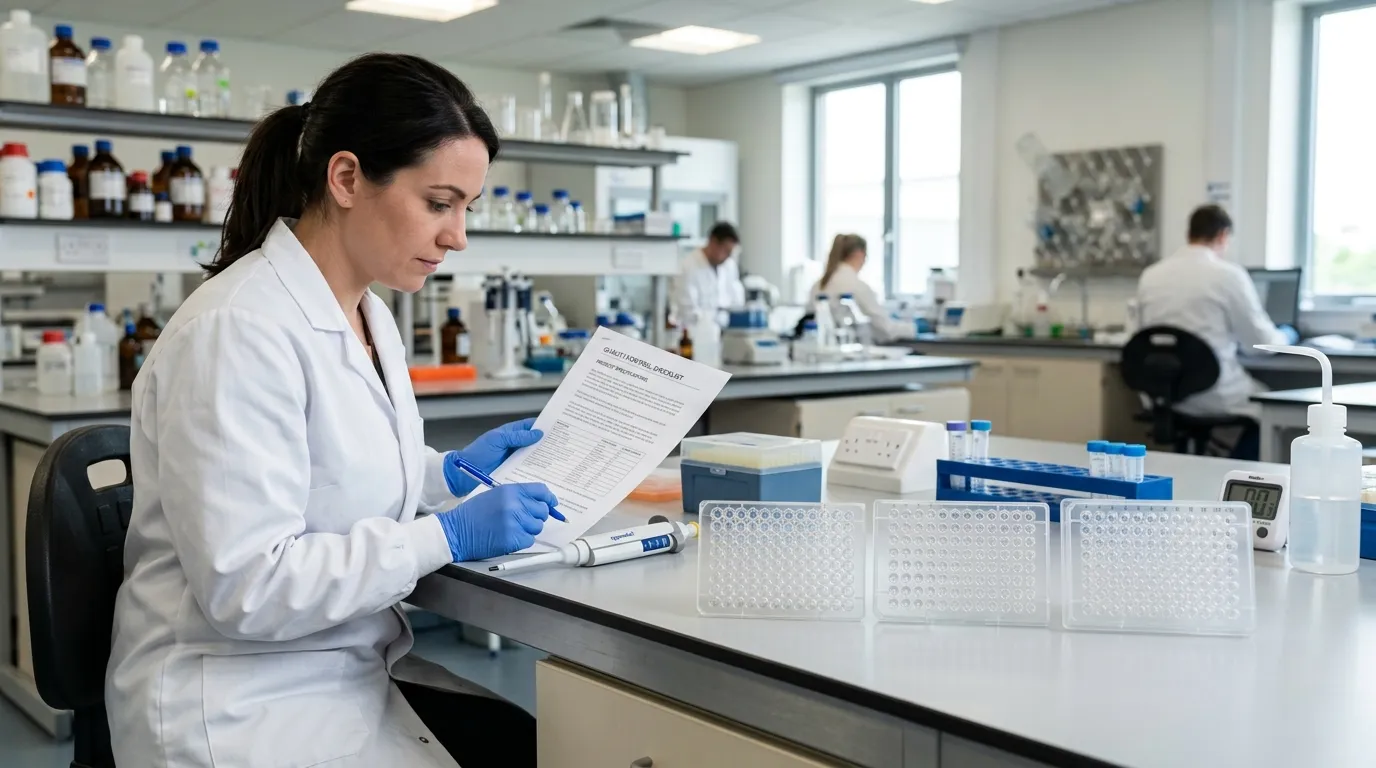
A supplier's product page may state that plates are "high quality" or "RNase-free," but reliable sourcing requires verification. Routine testing depends on consistent plate performance across batches. Ask these questions before committing to a supplier:
- What contamination controls are in place? Plates used for PCR must be free of nucleases that could degrade samples. Confirm whether the supplier tests for DNase, RNase, and human DNA and whether they provide certificates of analysis.
- What manufacturing environment is used? Clean-room manufacturing reduces the risk of particulate and biological contamination during production. Ask about the clean-room classification, not just whether a clean room exists.
- How is lot-to-lot consistency verified? PCR results should be reproducible when you reorder plates. Ask whether the supplier tests each production lot and whether they will provide lot-specific documentation.
- What material is used? Medical-grade virgin polypropylene is the industry standard because it withstands thermal cycling without leaching contaminants. Confirm that plates are made from virgin material rather than recycled resin.
- Does the plate meet dimensional standards? Plates that do not conform to ANSI/SBS footprint standards may sit incorrectly in thermal cycler blocks or cause problems with automated handling.
- Will the supplier provide documentation? A reliable supplier shares certificates of analysis, specification sheets, and quality-control information when requested.
Key Quality Certifications and What They Mean
Certification language is often misunderstood. These distinctions matter when evaluating a PCR plate supplier:
- DNase/RNase-free means the product has been tested to confirm the absence of these enzymes, which would otherwise degrade nucleic acids. This claim should be supported by a certificate of analysis or batch test record.
- Clean-room manufacturing reduces particulate and biological contamination, but it is not the same as sterility.
- Sterile refers to the absence of viable microorganisms, verified through a sterilization process. A plate can be sterile but still contain nucleases if it was not also treated or tested for their removal.
- Endotoxin-free is a separate claim that matters for certain cell-based applications, not routine PCR.
When a supplier states a certification, ask for the supporting document. A certificate of analysis for a specific lot provides more confidence than a general statement on a product page.
How to Assess Lot-to-Lot Consistency
PCR is highly sensitive, and subtle differences in plate material, surface properties, or manufacturing residues can affect amplification efficiency. Laboratory professionals have reported inconsistent qPCR results after switching to a new lot of plates, emphasizing the importance of confirming lot-to-lot consistency with your supplier before ordering in bulk.
Ask suppliers whether they:
- Test each production lot for nuclease contamination
- Monitor physical dimensions across lots
- Provide lot-specific certificates of analysis on request
- Use consistent raw material suppliers
For regulated workflows, request documentation that demonstrates the supplier's quality management system is regularly audited.
Trustlab 96-Well PCR Plates for Routine Testing
Trustlab manufactures PCR plates and tubes as part of its Life Science product line. The PCR Plate & Tube category includes consumables designed for standard thermal cycling workflows, with options that can be explored through Trustlab's product documentation.
For laboratories integrating PCR into their workflows, Trustlab's Life Science range also includes deep-well plates for higher-volume applications, colored PCR tubes for sample identification, and related consumables such as reagent reservoirs. Trustlab additionally offers OEM consumable supplies for buyers who require custom labeling, packaging, or specification development.
Available Formats and Options
Trustlab's PCR plate and tube range supports common 96-well configurations used in routine testing. Because specific availability of well volume, skirt type, and plate profile can vary, confirm the exact format and packaging options directly with Trustlab before ordering.
For laboratories with established PCR protocols, the most direct path is to request the current specification sheet and confirm that the plate format matches your thermal cycler's block configuration.
Matching 96-Well Plates to Your PCR Workflow
The correct plate format depends on your instrument and application. The table below maps common workflows to recommended plate configurations:
| Workflow | Recommended Plate Format | Reason |
|---|---|---|
| Routine endpoint PCR | 0.2 mL, non-skirted or semi-skirted | Standard block compatibility; broad sealing options |
| Fast or low-volume PCR | 0.1 mL, low-profile | Reduced thermal mass; faster cycling |
| Quantitative PCR (qPCR) | Low-profile; white plates where available | Optical clarity or fluorescence signal enhancement |
| Automated or robotic processing | Full-skirted | Rigidity supports robotic gripping and handling |
| Long-term storage at −20°C or −80°C | Heat-seal-compatible plates | Secure seal integrity during storage |
| High-throughput manual pipetting | Non-skirted or semi-skirted with alphanumeric labeling | Easy well identification; multichannel pipette access |
Sealing compatibility is another factor. Adhesive films are common for routine PCR, while heat seals provide a stronger barrier for storage. Cap strips and 8-tube strips offer an alternative for lower-throughput workflows. Confirm that your chosen sealing method is compatible with the plate's skirt style and material.
Automation and High-Throughput Considerations
Laboratories using automated liquid handling systems require plates with consistent dimensions and sufficient rigidity. Full-skirted plates are typically preferred because the skirt reinforces the plate structure and prevents warping during thermal cycling. Robotic grippers also handle rigid plates more reliably than flexible non-skirted alternatives.
ANSI/SBS footprint compliance is the relevant standard for automation. Plates that conform to this standard have defined external dimensions and well spacing, allowing them to be used interchangeably across instruments from different manufacturers. When evaluating a supplier for automated workflows, ask whether their plates are manufactured to ANSI/SBS specifications and whether dimensional data is available for verification.
How to Procure 96-Well PCR Plates from Trustlab
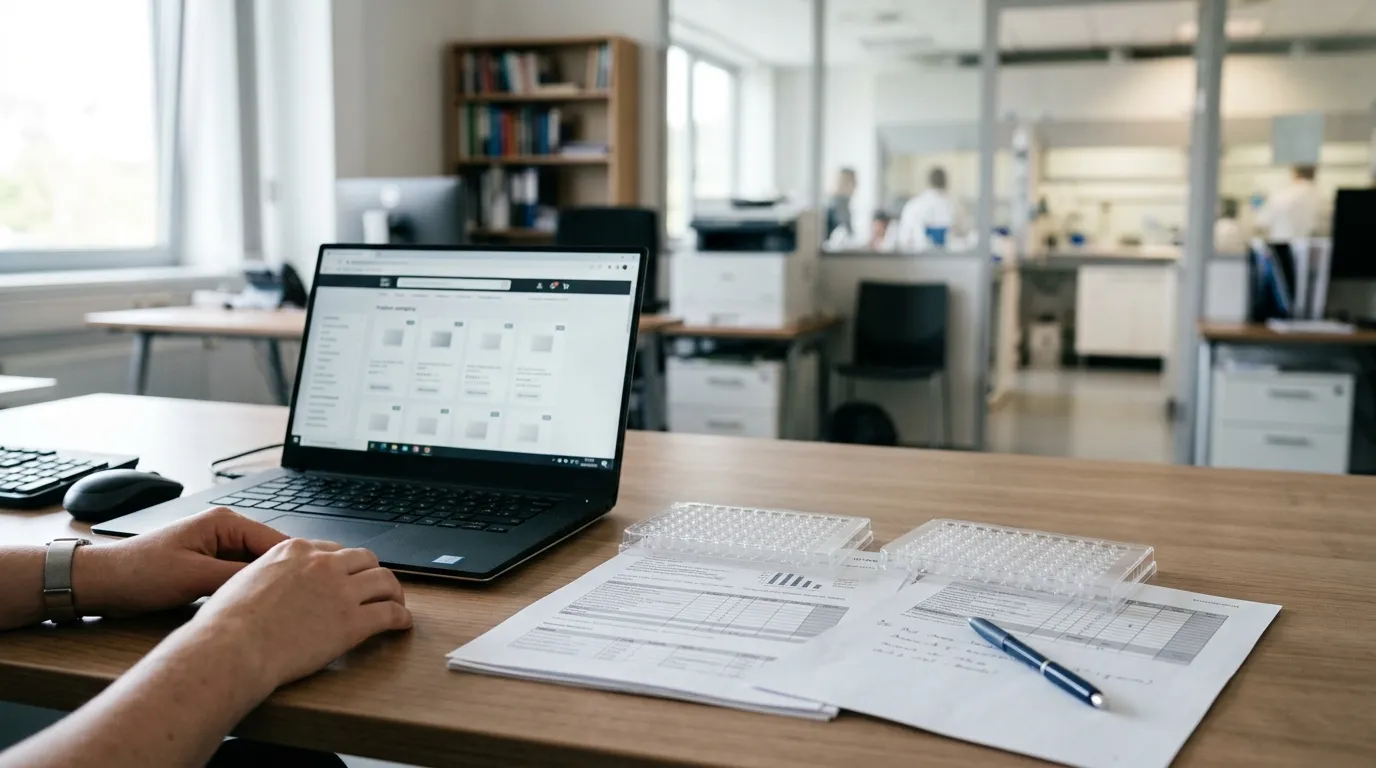
Procuring 96-well PCR plates from Trustlab follows a straightforward path:
- Review the product category — Visit the PCR Plate & Tube category page to see the available product range within Trustlab's Life Science consumables.
- Confirm specifications — Contact Trustlab to confirm well volume, skirt style, profile, packaging quantity, and any documentation required for your quality system.
- Request samples or documentation — For regulated workflows, request the current specification sheet, certificate of analysis, or other quality documentation before placing a bulk order.
- Discuss OEM requirements if needed — Buyers requiring custom packaging, labeling, or private-label products can explore Trustlab's medical consumable supplies OEM program.
Trustlab's range of liquid handling and automation products, including multi-channel pipettes and automated liquid handling systems, supports the full workflow around 96-well plate processing.
Contact Trustlab to confirm 96-well plate specifications, request samples, or discuss your laboratory's procurement requirements.