


Updated 6 days ago
Wholesale Microscope: Plan a Product Range Around Your Customers’ Needs
Arafatshuvo
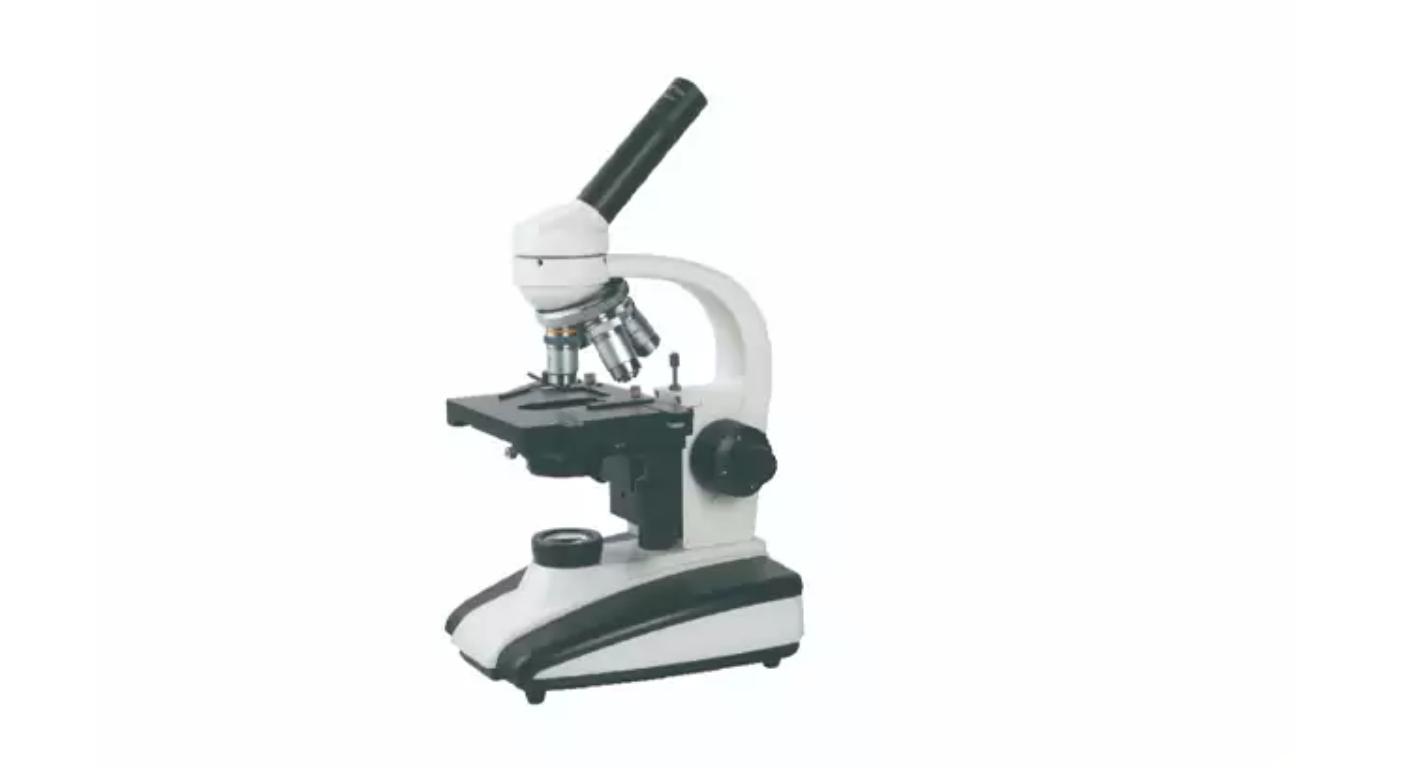
Wholesale Microscope
If the configuration of a bulk microscope order is not compatible with the users, they can end up being expensive stock. A school might require simple viewing, a laboratory might want a long easy viewing and a training centre may want the images captured for discussion.
These differences are the starting points for a successful Wholesale Microscope programme. The objective for distributors and institutional buyers is to establish a manageable product range, approve samples that are representative of the range and order repeatable configurations that can be understood by the customers and supported by the teams.
Design the Assortment to Support Customer Tasks
Begin by discussing the samples that customers will be using the results to examine and the uses they will put them to. Biological slides are prepared, visual examination and documentation with a digital microscope all have their different priorities, even though all enquiries are for a microscope.
Inquire about who will conduct the observations, the duration of the observations and whether the images have to be shared or kept. These questions can help distinguish between necessary functions and what can be included as a feature that will improve the length of the catalogue description.
Trustlab offers various types of microscopes ranging from biological to binocular, trinocular and integrated digital microscopes. These names refer to characteristics that are not mutually exclusive: A biological microscope can also be binocular. Instead, to compare the actual configuration, rather than each label as an application class.
Describe a Repeatable Core Observation Model
When customers are using primarily eyepieces, consideration must be given to viewing comfort and control of the specimen as well as magnification. Daily usage is impacted by head adjustment, focusing feel, stage movement and easy to reach illumination controls.
The published specification for the GT-XSP-136C binocular microscope from Trustlab is that it offers a hinged viewing head, mechanical stage and halogen illumination. It is a handy reference to discuss a basic observation model, and has been tested for suitability with the customer's specimens and method.
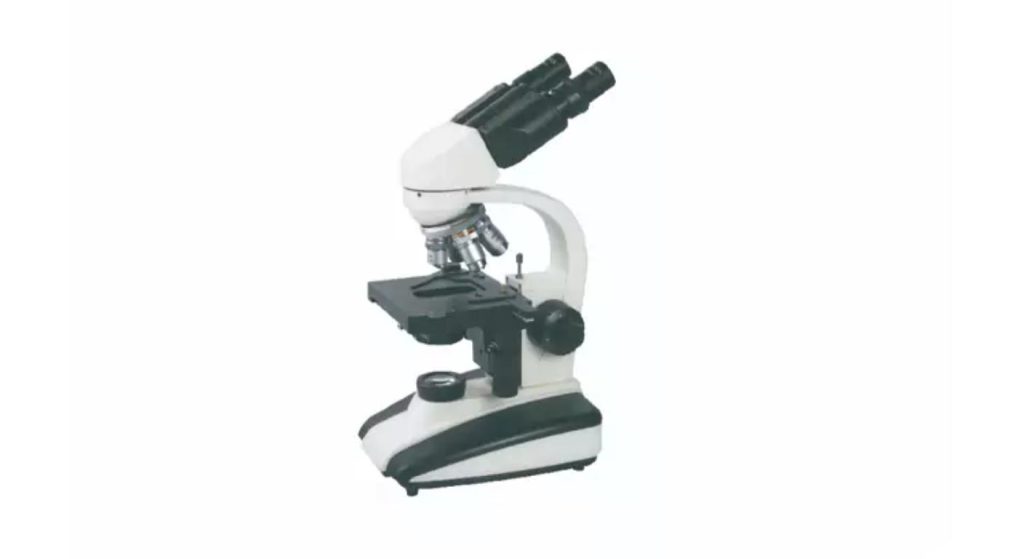
Do not increase the variety of instruments that are very similar unless the differences in the variety can be defined in terms of customer needs. Clearly defined models, albeit a smaller number, can make it easier to demonstrate, train, plan for spares and repeat orders.
Write down the objective lenses, eyepieces, condenser, light source and accessories provided with each approved version.
If you wish to document images in a separate manner, create a Separate Route for Image Documentation.
A customer in need of pictures needs more than a microscope and magnification. The imaging path can include a camera, an adapter, connection mechanism, a display and imaging software or storage configuration.
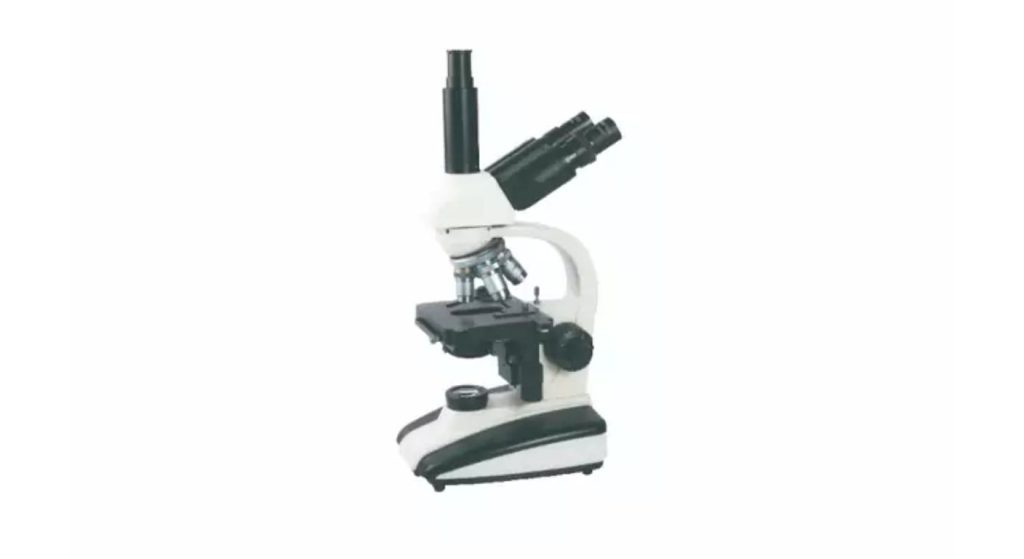
Trustlab's GT-XSP-136D trinocular microscope features a special camera port. The Buyer must verify the adapter and camera compatibility, as well as details of what is included in the quote. Having a port does not mean that a camera is provided.
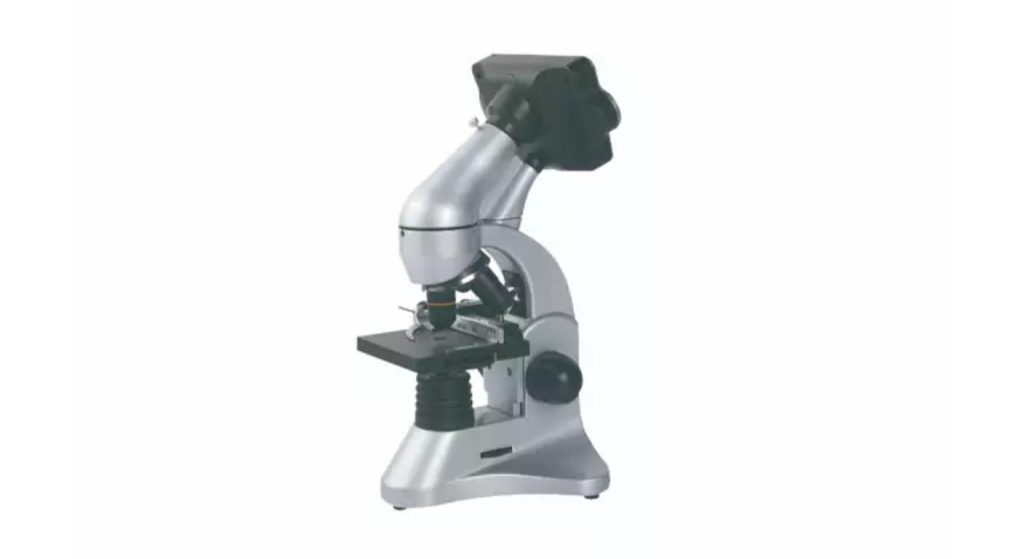
An integrated option fulfills another buying need. The GT-GXSP-45LCD digital biological microscope is integrated with the LCD monitor and digital camera, and features image storage, which can cut down the number of separately specified parts in suitable applications.
| Imaging Component | Published Specification |
| Camera sensor | 2.0 MP CMOS |
| Camera image resolution | 1600 × 1200 pixels |
| Integrated display | 3.6-inch TFT LCD |
| LCD resolution | 960 × 240 pixels |
| Storage and connection | SD card slot; USB 2.0 Mini |
Look at each of these paths to the customer's documentation chore. Before promising reporting and/or measurement functions, confirm the requirements of the images to be captured, arrangements for transfer, and software compatibility. Digital zoom is not in itself a way to increase optical resolving power, but to enlarge an image.
Inspect Optical Specifications Without Magnification Hunting
It's easy to tout maximum magnification, but that isn't enough to determine useful observation. The result is dependent on objective quality, illumination, specimen preparation, and detail the customer is trying to make out.
The GT-XSP-136A biological microscope is listed with a set of objectives which includes an oil-immersion objective from Trustlab. This arrangement results in increased handling and maintenance needs that should be made known to customers not just as a bigger "headline number.
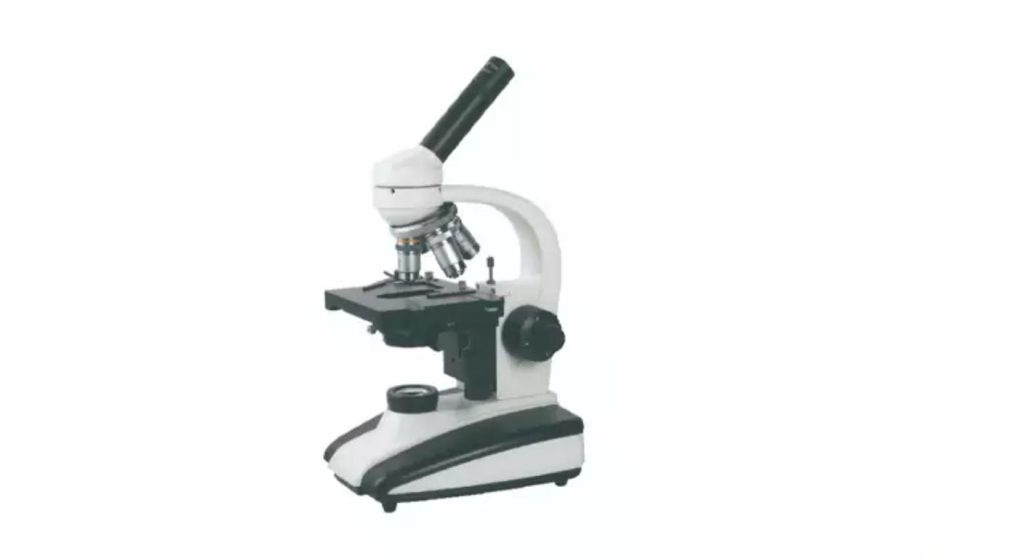
Never assume that all the objectives are necessary for all customers. Decide which of the features of the specimen should be seen and assess representative slides at appropriate settings. Be sure to enquire about the optical specification and any documentation required, rather than assuming what it is capable of based on the magnification range.
Also, differentiate between live and saved picture. Screen size, display resolution and camera image resolution refer to different aspects of a digital system, and should NOT be mixed in sales literature.
Approve samples that will be Customer-Facing Reference Units
Do a test order of a representative sample of each proposed configuration before committing to a larger order. Utilize suitable slides and involve individuals who are familiar with observation task planned.
Test focusing, stage movement, objective changes, lighting and viewability. On imaging models, test capture, storage and transfer with the specific accessories and software items that are being proposed for delivery.
Record agreed configuration and keep an agreed reference (where practical). Change of objectives with a demonstration or upgrading of the camera to a better model does not create acceptance of a shipment that is not as specified.
Determine what will be used to determine the conformity of shipment, and any sampling system that might be used. Distinguish between configuration testing and performance testing for the application so that a cosmetic inspection is not confused with evidence that all observation requirements were met.
Be sure to maintain consistency on Wholesale Order Details.
A Wholesale Microscope quotation should specify the exact type of microscope, the configuration of the microscope, the quantity needed, the scope of accessories and the commercial terms. Inquire if there are minimum quantities – either per model or per order – and if the model(s) are available.
If an OEM supply is proposed, specify the scope of branding, labelling, manual and packagings that is approved. Please do not assume that OEM availability means changes in optics/electronics or imaging compatibility.
Verify voltage, plug type, instruction language and documentation. The distributor's description of the product(s) must correspond with the goods supplied, particularly if an optional accessory is depicted in the image.
Optical instruments are also concerned with packing. Document the agreements about protective packaging, carton identification and arrival inspection procedures and the reporting and evaluation of transport damage/Missing-components.
Plan Support – Before Launching the Range
Outline the responsibilities of supplier and distributor for troubleshooting, assessing warranties, replacing parts, and training customers. Make sure the optical instrument and the digital accessories are supported.
For the approved configuration, talk about routine maintenance needs and consumable/replaceable parts. For digital models, define supported connection and software environment; don't guarantee it will be compatible for any length of time.
When it comes to product information, uniformity helps to minimize the chances of providing an incorrect replacement part and eliminate set up issues.
Conclusion
A Wholesale Microscope programme will be more effective if there is a clear range of assortment that is representative of actual need for observation and documentation. Choose a core viewing model, specify imaging options and confirm final configurations prior to ordering volume quantities.
Relate sample assessment to specifications, packaging and support applications. This provides a range that distributors can confidently explain to customers and customers with equipment that they can work with.
FAQs
Q1. What are the difference between a biological and a binocular microscope?
The terms refer to various attributes. Biological is an application category and binocular is a two-eyepiece viewing.
Q2. Is there any microscope that comes with a camera?
No - Quote the camera, adapter, software, etc. separately.
Q3. Is there a case for wholesale buyers to always opt for the highest magnification?
No. Correctly match the optical set-up to the specimen and the required detail, and evaluate representative slides.
Q4. Are any changes requested by the OEM permitted on the order?
Not automatically. Don't approve an order until the permitted branding, packaging, and technical changes have been agreed on.
Q5. Which are the items that should be kept after an item has been approved as a sample?
Maintain configuration record, accessory list accepted and evaluation results. Follow up on shipments and reorder using these reference.