



What are the components of a Blood Collection System?
Blood collection systems are vital methods of healthcare in the contemporary world, as they provide the opportunity to diagnose the patient accurately, make a transfusion without risks, and monitor the disease. These systems are used in hospitals, laboratories or mobile clinics and they are aimed at providing efficiency, safety, and integrity of samples. This blog will discuss the key elements of a blood collection system, how they work together and why they are important to the healthcare processes.
The Blood Collection Systems Introduction.
A blood collection system is a collection of tools and devices that assist in the safe collection, storage and transportation of blood samples. They are developed to reduce contamination, avoid infection, and preserve the quality of the samples to test them correctly.
As the need to provide diagnostic tests and blood donation is growing across the globe, knowledge of the elements of these systems is vital to healthcare providers, procurement experts, and medical device manufacturers.
Important parts of a Blood Collection System.
1. Blood Collection Needles
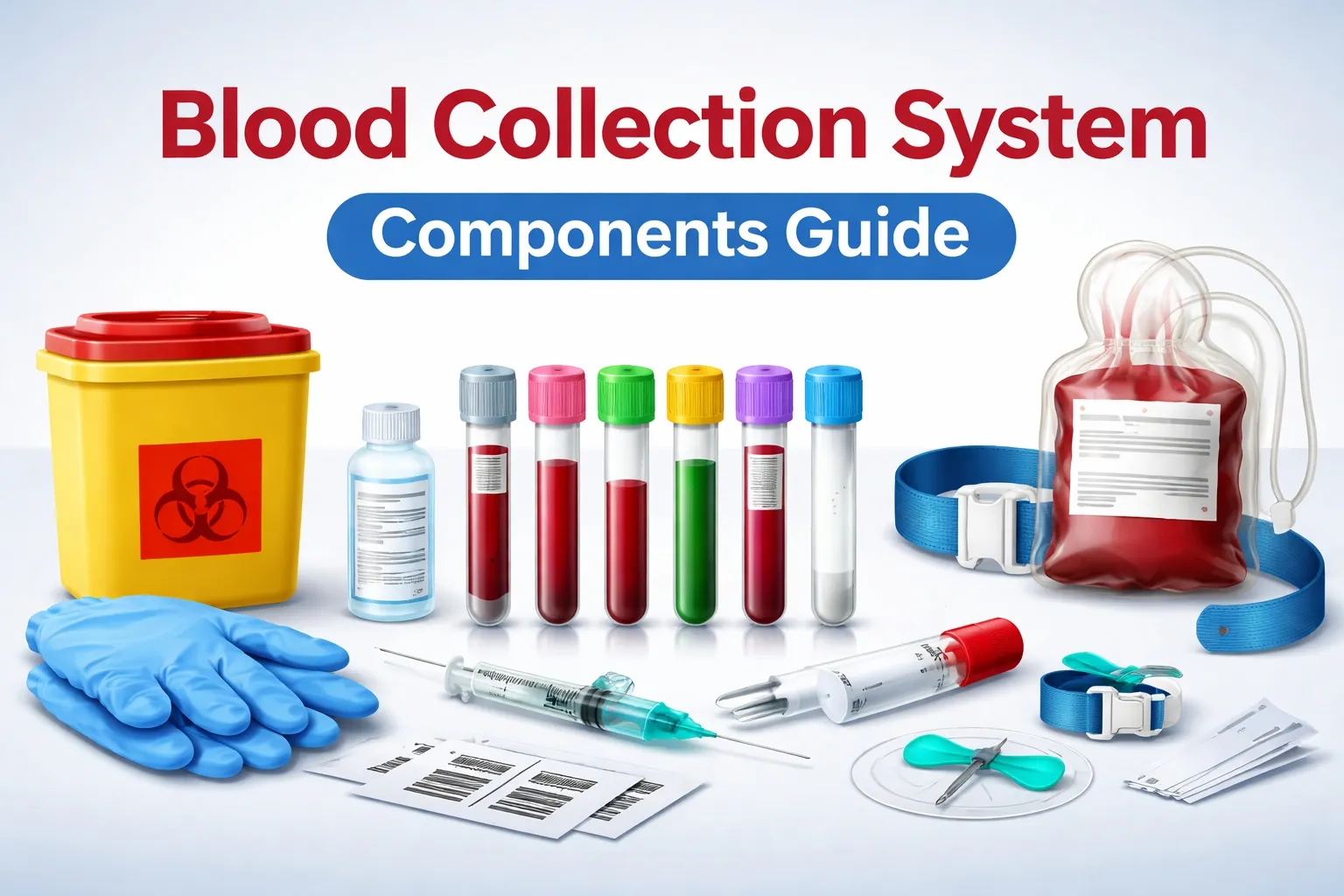
The most common tool that is used to reach veins and draw blood is the blood collection needles. They are normally constructed using stainless steel and can be of different sizes (gauges) according to the patient requirements.
· Straight Needles: These are commonly used to do routine venipuncture.
· Butterfly Needles (Winged Infusion Sets): The Butterfly needles are perfect to use with patients who have small or weak veins like children or the aged.
The use of safety-engineered needles is gaining more and more popularity as the method of minimizing the risk of needlestick injuries, which is why they are an essential part of the modern healthcare environment.
2. Blood Collection Tubes
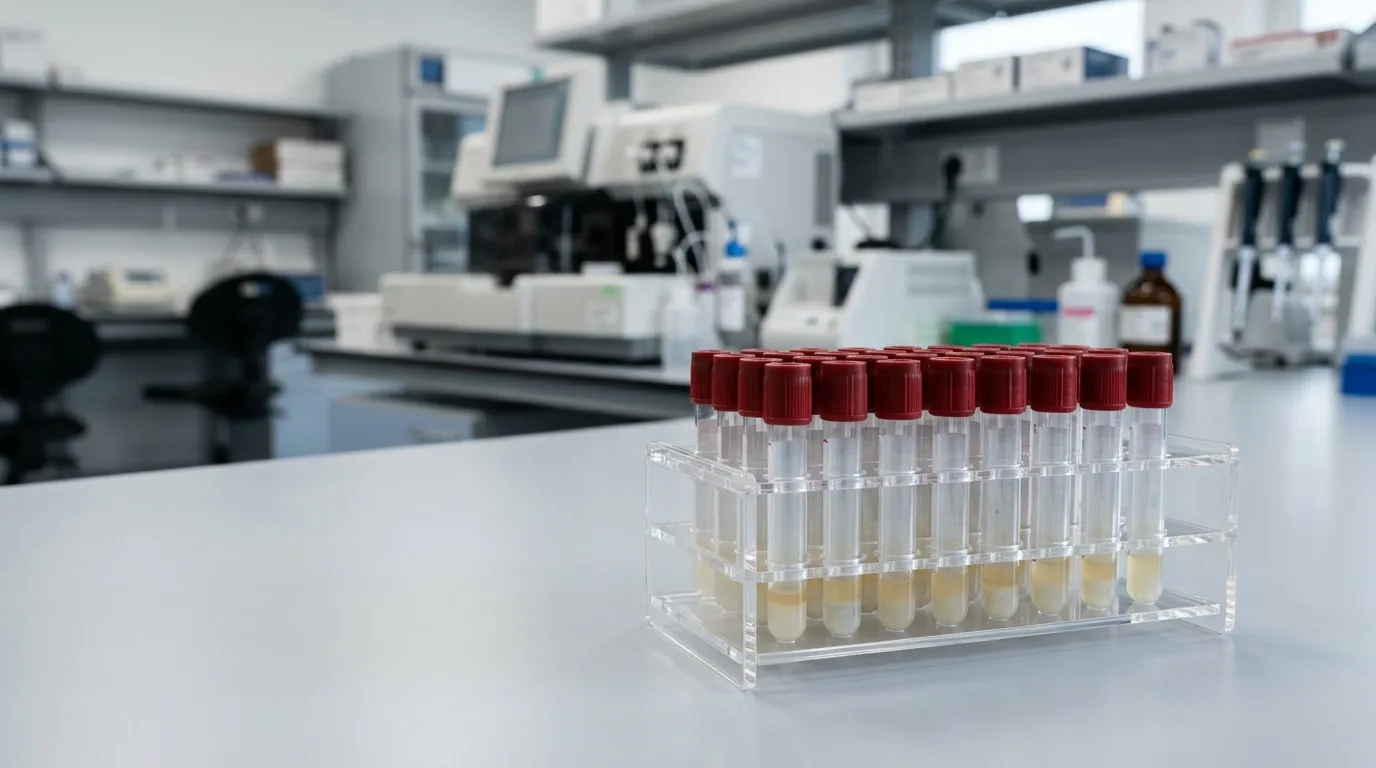
Blood collection tubes are vacuum-sealed samples that store blood samples. They may have additives that preserve or prepare the sample to undergo certain tests.
Common types include:
· Serum Tubes: This type of tubes is utilized in chemistry and serology.
· Plasma Tubes: Have anticoagulants so as to avoid clotting.
· EDTA Tubes: intended to be used in hematology.
· Heparin Tubes: Are used in suitable plasma determinations.
The color-coded caps enable the healthcare professionals to select the kind of tube and its intended use easily, making it more efficient and less prone to errors.
3. Tube Holders (Adapters)
Adapters (tube holders) are used to connect the needle with the blood collection tube. They enable the filling of many tubes with a single venipuncture, which increases convenience and decreases the pain to the patient.
Such holders are usually plastic and single use to avoid cross-contamination.
4. Blood Collection Bags
The main use of blood collection bags is in blood donation facilities. These are sterile and flexible bags that are designed to collect and store more massive amounts of blood.
Features include:
· Pre-filled anticoagulant solutions
· Several components separation compartments (plasma, platelets, red cells).
· Safe transport and storage materials that are durable.
They play a vital role in blood banks and transfusion services.
5. Tourniquets
During venipuncture, tourniquets are applied to limit blood flow and increase the visibility and accessibility of veins. They are also easy to release and apply and are normally made of elastic material.
In most environments, disposable tourniquets are used mostly to ensure hygiene and avoid the spread of infection.
6. Alcohol Swabs and Disinfectants
Before drawing blood, it is necessary to prepare the skin properly. The puncture area is cleaned with alcohol swab or antiseptic solution to minimize the chances of infection.
Common disinfectants include:
· Isopropyl alcohol
· Chlorhexidine
This measure provides safety of patients and integrity of samples.
7. Lancets
Lancets are tiny, sharp blades that are used to collect capillary blood, frequently on a fingertip or heel (in infants). They are widely used in point-of-care testing, such as glucose monitoring.
New lancets are single-use devices with safety measures to avoid unintentional harm.
8. Syringes
Syringes are at times used in place of vacuum systems especially with hard veins. They enable more control of the blood draw procedure.
Upon collection, the blood is transferred to proper tubes to be analyzed.
9. Labels and barcoding Systems.
Correct labelling plays a key role in blood collection. Barcoding and labels make sure that the samples are properly identified and followed during testing.
Benefits include:
· Less chance of misidentification.
· Improved workflow efficiency
· Enhanced traceability
This is a vital element within large volume laboratories and hospitals.
10. Personal Protective Equipment (PPE)
Blood collection is highly concerned with safety. PPE is used by health workers to safeguard themselves and patients.
Common PPE includes:
· Gloves
· Face masks
· Protective gowns
· Eye protection
Effective use of PPE can keep the clinical setting safe.
11. Sharps Disposal Containers
Needles and lancets which have been used should be safely disposed to avoid injury and contamination. Sharps containers are special containers that are used to get rid of sharps.
They are well marked and should be disposed as per the medical waste disposal laws.
12.Transport and Storage Systems.
Blood samples should be stored and transported under controlled conditions to ensure that the sample remains intact once collected.
Components include:
· Insulated transport boxes
· Temperature monitoring devices
· Refrigeration systems
Such systems are crucial in ensuring proper diagnostic outcomes particularly where samples are referred to off-site laboratories.
Importance of an Integrated Blood Collection System
An effective blood collection system will make sure:
· Accuracy: Correct components minimize mistakes and contamination.
· Safety: Guards patients and health care providers.
· Efficiency: Can streamline workflow in busy clinical environments.
· Compliance: Abides by regulatory and quality standards.
Medical institutions need to select quality components to make sure that they perform best and yield better results to patients.
Blood collection Technology Trends.
The blood collection business is still developing and the improvements include:
· Safety-engineered devices
· Digital tracking and automation.
· Eco-friendly materials
· More comfortable patient designs.
Such innovations are transforming the future of diagnostics and healthcare delivery in the world.
Conclusion
Knowledge of the elements of a blood collection system is vital to anyone engaged in healthcare, diagnostics, or medical supply chains. Needles and tubes, labeling systems and transport solutions, are all critical elements in achieving the safe and accurate collection of blood.
With the increasing need of diagnostic testing in the world, the need to invest in quality and reliable blood collection systems will always be a priority among healthcare providers and organizations.
When sourcing blood collection products or seeking to streamline your healthcare operations, understanding these components clearly can guide them to make informed decisions and enhance the overall efficiency.