


Updated 5 months ago
What is a Micro Blood Collection Tube and when is it used?

Admin

What is a Micro Blood Collection Tube and when is it used?
Understand the concept of a micro blood collection tube, its varieties, applications in pediatric and neonatal practice, and why it is so important in small-volume blood sampling in contemporary laboratories and health facilities.
Introduction
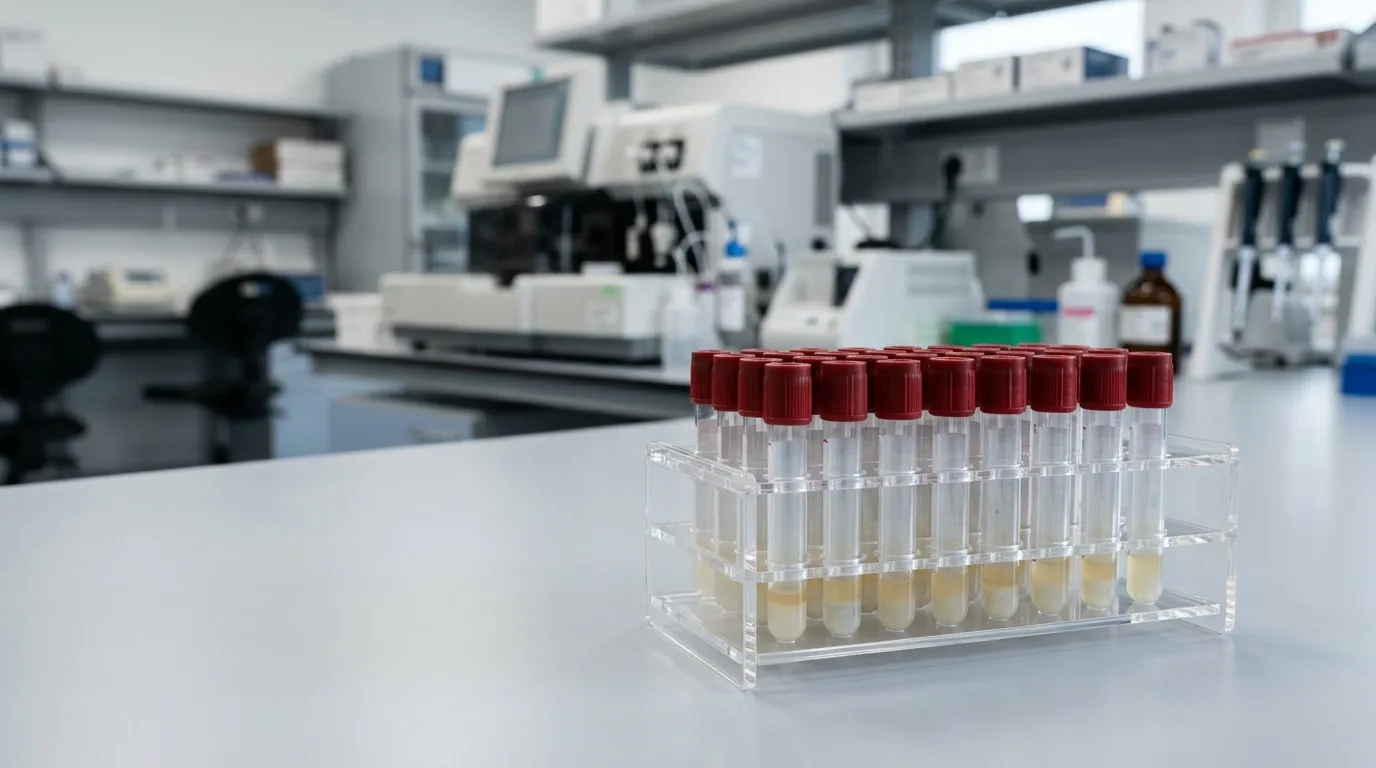
A micro blood collection tube is a special laboratory vessel that is used to store and collect extremely small amounts of blood samples, usually between 0.25 mL and 1 mL. They have extensive application in clinical diagnostics, particularly in cases where a small amount of blood can be safely obtained by tube in a patient.
Micro blood collection tubes are now of significant importance in the healthcare of children, neonatal intensive care units (NICUs), geriatrics and in cases where frequent blood sampling is necessary but the patient blood volume should not be lost.
This paper discusses the meaning of micro blood collection tubes, their design, the varieties, uses, and the importance of such tubes in medical diagnosis.
What is a Micro Blood Collection Tube?
A micro blood collection tube is a small sized vacuum or non-vacuum tube that is used to gather a small amount of capillary or venous blood sample. Micro tubes are positioned to sample accurately as compared to standard blood collection tubes that need more volume (typically 2-10 mL).
These tubes can be utilized together with capillary blood collection techniques like finger sticks, heel sticks (in infants) or micro-venous sampling.
Key Characteristics:
· Low volume capacity of the sample (0.25-1 mL on average)
· Lightweight and compact design
· Various additives have color-coded caps.
· May have anticoagulants or clot activators.
· Appropriate to vulnerable groups of patients.
Micro Blood Collection Tubes Structure.
Micro blood collection tubes can be deceptively easy to look at yet they are well designed to provide laboratory precision and sample stability.
1. Tube Body
Typically manufactured in medical grade plastic, like polypropylene, which is durable and chemically stable.
2. Additives
Tubes can contain:
· EDTA (anticoagulant, hematology)
· Heparin (to test plasma)
· Clot activator (to separate serum)
· Gel separators (clean serum/ plasma separation)
3. Color Coding System
Micro tubes are similar to standard ones except that they have color-coded caps:
· Purple: EDTA (hematology tests)
· Green: Heparin (chemistry tests)
· Red/Gold: Serum tests
4. Cap Design
Secure sealing caps are used to ensure that samples are not contaminated or evaporated away, preserving their integrity during transportation and storage.
When are micro Blood collection tubes used?
Micro blood collection tubes are applicable in clinical situations where the volume of blood needs to be reduced yet the accuracy of diagnosis should be preserved.
1. Pediatric and Neonatal Care.
Among the most crucial applications is in newborns and children. Babies have a small blood volume and thus repeated or excessive draws are detrimental. Micro tubes enable safe testing with little loss of blood.
Common tests include:
· Bilirubin levels
· Blood glucose
· Complete blood count (CBC).
· Electrolyte analysis
2. Geriatric Patients
Older patients tend to have weak veins and less blood. Micro collection assists in minimizing the pain and problems like anemia due to repeated sampling.
3. ICU and Critical Care.
Intensive care patients usually need frequent monitoring. Micro tubes enable clinicians to repeat tests without significant influence on the volume of the blood.
4. Point-of-Care Testing
Micro blood collection finds extensive applications in bedside tests or emergency cases where quick results are needed with minimum sample preparation.
5. Research and Laboratory Studies.
Small blood volumes are only offered in biomedical research, particularly animal studies or micro-sampling human trials, and micro tubes are therefore necessary.
The benefits of Micro Blood Collection Tubes.
1. Minimally Invasive
They also decrease large blood draws and make it a safer and more comfortable procedure to patients.
2. Preserves Blood Volume
Particularly useful in neonates and in the intensive patients.
3. Lessens the risk of Iatrogenic Anemia.
Repeated blood transfusion with regular tubes may cause hospital acquired anemia, and micro tubes may be able to prevent it.
4. Precise and trustworthy Results.
Though their volume is small, they have a high diagnostic accuracy because of the development of sophisticated additives and separation technology.
5. Efficient Sample Handling
Portable, labeled and can be easily processed in the laboratory.
Disadvantages of Micro Blood Collection Tubes.
Although most helpful, they are limited:
· Unsuitable to all forms of tests that use more sample volumes.
· Increased risk of clotting if not handled properly
· Needs trained staff to use capillary collection methods.
· Limited repeat testing from a single tube
Difference Between Micro Tubes and Standard Blood Collection Tubes
Characteristic Micro Blood Collection Tube Standard Blood Collection Tube.
· Volume 0.25–1 mL 2–10 mL
· Type of patient Neonates, pediatrics, elderly.
· Method of collection Capillary/venous small sample Venous blood draw.
· Frequency of use High in critical care Routine diagnostics.
· Blood Loss Effect Minimal Moderate
Importance in Modern Healthcare
As the importance of patient safety and as least invasive procedures grows, micro blood collection tubes have become an inseparable element of modern diagnostics. They are in line with the global healthcare objectives like:
· Reducing patient discomfort
· Enhancing health among at-risk groups.
· Optimizing laboratory processes.
· Supporting precision medicine
With the changes in healthcare systems, the need to employ micro-sampling technologies has been on the rise.
Frequently Asked Questions (FAQ)
1. What is the main purpose of a micro blood collection tube?
It is employed in the gathering and storing of very minute blood samples to undergo a diagnostic test, particularly in patients who are unable to provide large amounts of blood without any harm.
2. Are micro blood collection tubes only used for babies?
No. Although typically employed in neonates and children, they are also applied in the adult setting of ICU, geriatrics, and research.
3.Is it possible to perform all blood tests in micro tubes?
Not all tests. There are those that will need a greater volume of samples, and numerous routine tests such as CBC, glucose, and electrolytes are possible.
4. What is the volume of a micro tube of blood?
0.25 mL to 1 mL (usually) depending on design.
Conclusion
One of the small, but essential devices in the contemporary medical diagnostics is a micro blood collection tube. It allows safe, effective and minimally invasive blood collection, especially in patients at risk like newborns and the elderly. As the focus on patient-centered care and accuracy of diagnosis grows, micro blood collection tubes will likely be an indispensable part of laboratories and medical institutions in all countries of the world.
Knowing their structure, uses and advantages, health care professionals can optimize the use of these tools to enhance patient outcomes and diagnostic accuracy.