


Updated 5 months ago
Biological Specimen Analysis Guide, Techniques and Tools
sidrahafeez754
Biological Specimen Analysis
The Role of Precision Technologies in Biological Specimen Analysis Across Healthcare Systems
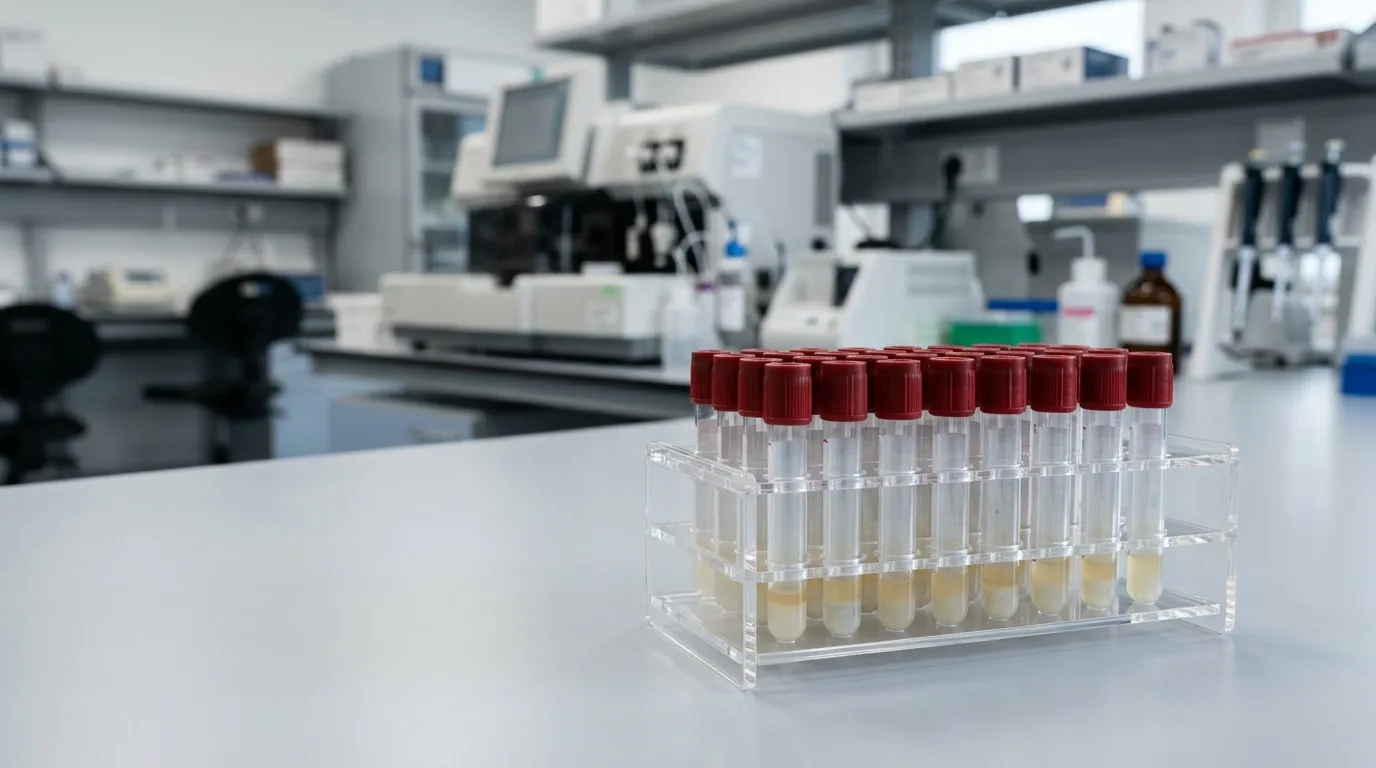
The foundation of modern science and medicine is biological specimen analysis. It transforms small, usually unseen samples into valuable information that informs diagnosis, research, and innovation. In clinical labs and in the most sophisticated research centers, the analysis of biological samples defines the way we perceive life in its cellular and molecular aspects.
Accuracy is important in the modern world of laboratory diagnostics, which is fast-paced. Each drop of blood, each slice of tissue, and each cell that has been cultured contains valuable information. By using the appropriate specimen assessment methods and instruments, researchers can identify concealed trends, diagnose illnesses at an early stage, and assist in making breakthroughs.
What is Biological Specimen Analysis?
It is the scientific examination of biological material like blood, tissues, cells, and microorganisms. It involves testing of biological specimens, laboratory specimen testing, and scientific specimen testing through sophisticated methods of analytical biology.
This is done in several steps:
• Collection and handling of specimens.
• Sample preparation techniques
• Laboratory sample analysis
• Reporting and interpretation of data.
The steps are important in the achievement of reliable results in specimen-based diagnostics.
Importance in Research and Medicine
The significance of the analysis of biological specimens in research cannot be overemphasized. It promotes clinical and scientific innovations.
Clinical specimen analysis is useful in clinical settings in:
• Disease detection methods
• Diagnostic specimen evaluation
• Monitoring patient health
• Identifying diagnostic biomarkers
Biological sample analysis in the research setting helps in:
• Biomedical analysis
• Laboratory research methods
• Molecular diagnostics and genetic analysis.
• Development of new therapies
Modern medicine would not be precise and reliable without proper biological testing procedures.
Steps Involved in Biological Sample Analysis
Knowledge of the procedures to be followed during the analysis of biological samples will guarantee improved quality control and reproducibility.
1. Collection and Handling of Specimen
Contamination and degradation are avoided through proper handling and collection of specimens. This involves sterile equipment, appropriate containers, and labeling.
2. Specimen Preservation Methods
To ensure integrity, samples should be kept under temperature control, with chemical stabilizers or fixed.
3. Sample Preparation Techniques
This includes:
• Preparation and staining of slides.
• Histological analysis of tissue slices.
• Biochemical analysis of the specimen by centrifugation.
4. Laboratory Specimen Investigation
Laboratory examination methods are used at this stage with specialized equipment.
5. Data Analysis and Reporting
Findings are discussed based on laboratory workflow analysis and reported to be used either in clinical or research practices.
Techniques in the Laboratory
The contemporary laboratories are based on the combination of the conventional and the modern methods and tools of the biological analysis of the specimens.
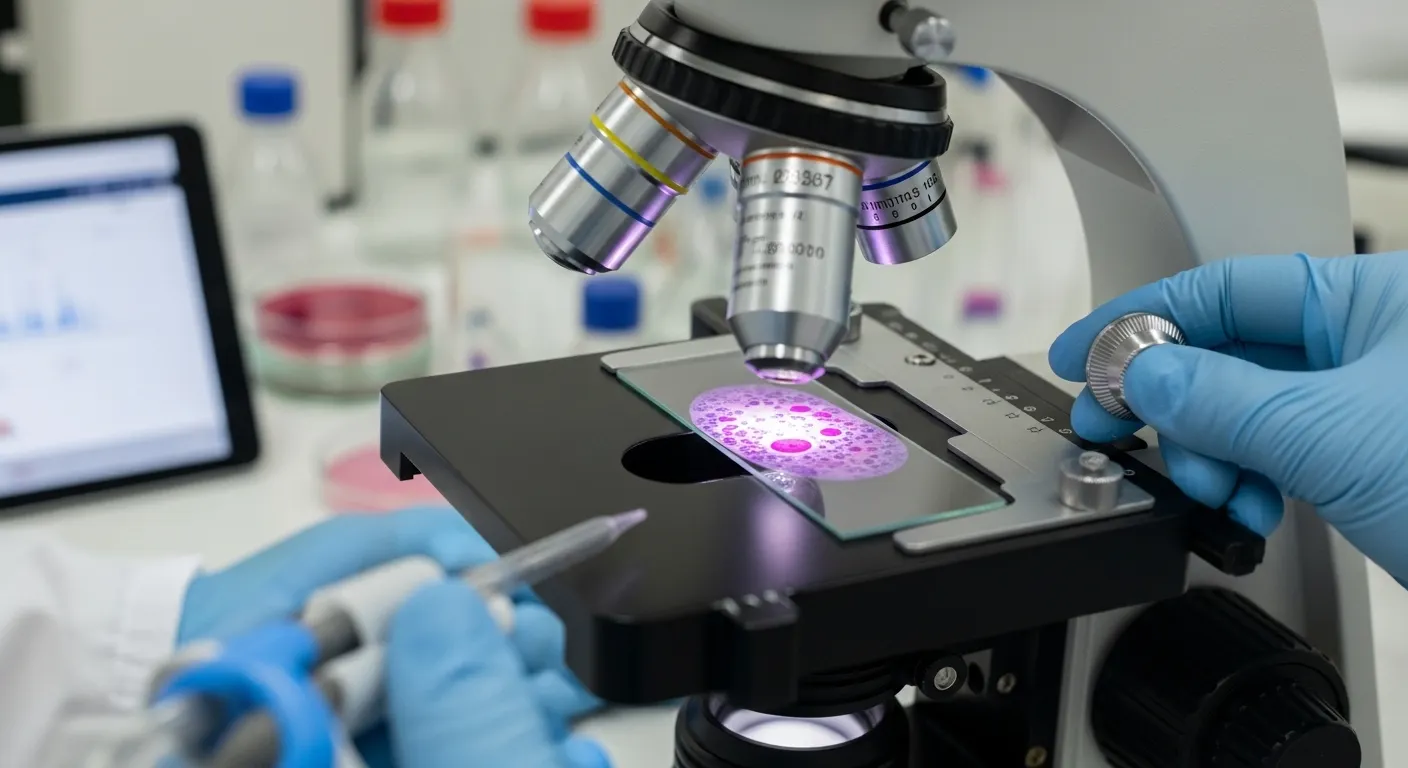
Microscopic Analysis
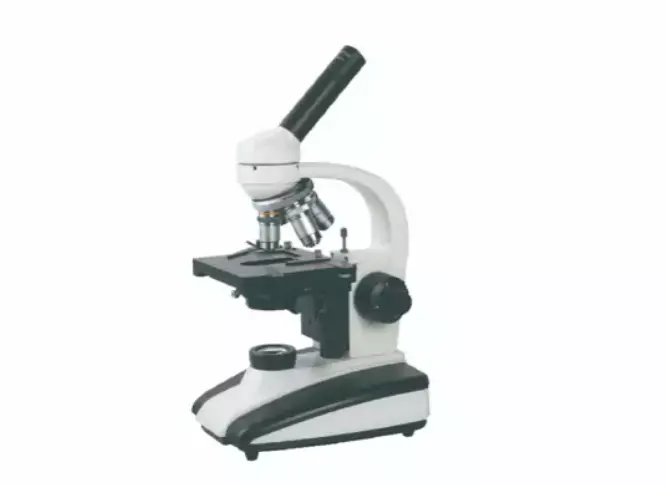
Microscopic analysis is one of the fundamental techniques. It enables the observation of specimens and the morphology of cells in detail. High-quality instruments like those found at trustlab enhance imaging and visualization methods. These microscopes offer:
• High-resolution optical systems
• Variable magnification to study cells.
• Long work in the laboratory with an ergonomic design.
• Accurate tissue examination through precision focusing.
Molecular Biology Specimen Analysis
This includes:
• DNA analysis of biological specimens
• PCR specimen testing
• Mutation detection by genetic analysis.
These methods play a critical role in molecular diagnostics and pathogen detection.
Microbiological Specimen Analysis
Microbiological analysis determines bacteria, viruses, and fungi. It is necessary that:
• Infection diagnosis
• Antibiotic sensitivity testing
• Environmental monitoring
Histology and Cytology
Histological analysis of the specimen is concerned with tissues, whereas cytological analysis of the specimen is concerned with the individual cells.
Common methods include:
- Histopathological examination
- Cytology and histology staining.
- Digital microscopy of cells and tissues.
Biochemical and Immunological Analysis
The chemical processes in cells are studied by means of biochemical analysis of the specimen, and the immune responses are identified by immunological analysis of the specimen.
Applications include:
• Enzyme activity measurement
• Hormone analysis
• Antibody detection
State-of-the-Art Biological Specimen Analysis Methods
With the changing technology, laboratories are adopting new and better methods of analyzing biological specimens to enhance accuracy and efficiency. These are used to aid in the sophisticated laboratory specimen research and increase reproducibility.
Key innovations include:
• High-throughput screening
• Laboratory automation systems
• Bioinformatics of the specimen analysis.
• Drug testing using cell culture.
• Analysis of forensic biological specimens.
Quality in the Analysis of Biological Specimens
The quality control in the analysis of biological specimens guarantees the reliability and repeatability of the results.
Important practices include:
• Standardized sample processing procedures.
• Regular equipment calibration
• Quality assurance in laboratories
• Labeling and tracking systems of specimens.
• Laboratory safety procedures
Biological Specimen Analysis to Diagnose Diseases
In medical laboratories, biological specimen analysis is a key component in the diagnosis of diseases.
It helps detect:
• Microbiological specimen analysis in case of infectious diseases.
• Cancer by histopathology.
• Molecular diagnostics of genetic disorders.
• Metabolic conditions through biochemical analysis.
Proper specimen analysis in the laboratory facilitates early diagnosis, which enhances the therapeutic results.
Microscopy in the Observation of Specimens
Microscopy is at the heart of specimen observation techniques. It fills the void between crude samples and perceptible revelations.
Modern biological microscopes aid:
- Digital microscopy to improve imaging.
- Live cell visualization of cellular structures.
- State-of-the-art slide preparation and staining.
It is important to select quality equipment. Solutions such as those offered by Platforms such as TrustLab offer innovative solutions to laboratory diagnostics and research requirements.
Trends in the Analysis of Biological Samples
Biological sample testing methods have a bright and dynamic future.
Emerging trends include:
• AI-driven laboratory diagnostics
• Combination of bioanalytical techniques and automation.
• Genetic analysis-based personalized medicine.
• Improved imaging with digital microscopy.
Such innovations will transform the specimen-based diagnostics and enhance the healthcare systems worldwide.
Why is the Analysis of Biological Specimens More Important?
The use of analysis is on the rise in a world that is confronted with emerging health issues. It is a vital pillar of science, whether in response to a pandemic or in personalized medicine. The fact that it converts the analysis of biological samples into practical results renders it an essential tool in research and clinical practice.
Conclusion
Biological Specimen Analysis is not a mere lab job; it is the key to the secrets of life. Laboratories can be as precise and reliable as they are with the right tools, proper processes, and sophisticated techniques.
To take your laboratory to the next level, consider new solutions at TrustLab. Learn about the high-performance equipment that will help to improve all the steps of the biological analysis. Go to trustlab and make your scientific accuracy go to the next level.