


Updated 5 months ago
Specimen Viewing Techniques in Biology and Laboratory Science
sidrahafeez754

Specimen Viewing
Specimen Viewing in Modern Laboratory and Biological Science
One of the most basic processes in biological and medical science is specimen viewing. It is the gateway to the knowledge of the behavior of life on the microscopic level. Beginning with cells and then proceeding to tissues, the story of each structure has a tale to tell when seen under the proper conditions. It has become a very accurate scientific procedure in contemporary laboratories with the help of.
What is Specimen Viewing in Laboratory Science?
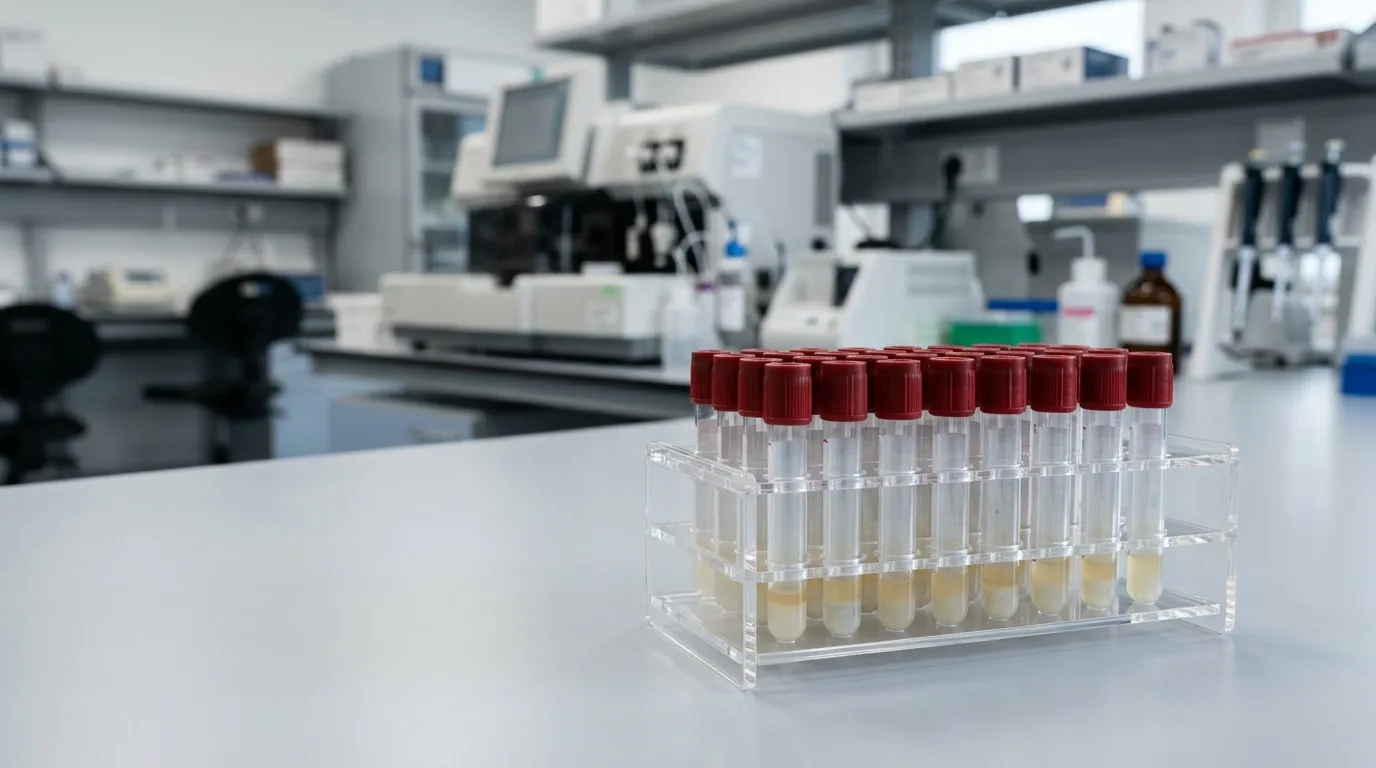
Specimen viewing is a systematic laboratory observation of biological specimens with the help of visual or microscopic devices. It finds extensive application in histology, pathology, microbiology, and clinical diagnostics. Simply put, it is the study of a biological sample in order to determine its structure, functioning, and potential abnormalities.
It involves:
- Optical or electron microscopy of specimens.
- Sample analysis to be biologically interpreted.
- Cell and tissue microscopic tests.
- Prepared slide observation in the laboratory.
- Structural and diagnostic study of the tissues.
Viewing of biological specimens is not just observation in contemporary science. It is a systematic procedure comprising preparation, staining, magnification, and interpretation.
Importance of Specimen Viewing in Biology and Medical Science
The importance of viewing specimens in biology cannot be overstressed. It is the basis of diagnostic laboratory processes and scientific studies.
Key Importance Areas:
• Helps in diagnosing diseases with the help of a microscope.
• Helps in the examination of histology and examination of pathology samples.
• Permits cell structure analysis studies.
• Helps in clinical laboratory examination to diagnose patients.
• Enhances the accuracy of interpretation of biological samples.
Modern diagnostic science would be deprived of its accuracy and dependability without the appropriate viewing.
Laboratory Specimen Viewing Workflow
It is a routine laboratory process. All steps are clear, accurate, and reproducible. Procedure of Viewing Specimen Step by Step:
1. Sample Collection
- Tissues, blood, or fluids are taken as biological samples.
- Proper labeling is used to provide traceability.
2. Fixation and Preservation
- Chemical fixatives maintain cell structure.
- Prevents degeneration of tissues.
3. Microscopic Preparation of Samples
- Tissue samples, thin slicing.
- Location on microscope slides.
4. Staining Methods of Specimen Viewing
- Hematoxylin and Eosin (H&E) staining.
- Cellular stains.
- Enhances contrast to see with the microscope.
5. Microscope Slide Preparation
- Coverslipping and mounting
- Stabilizes the sample.
6. Microscopic Viewing
- Light or electron microscopy.
- Structural and functional interpretation.
7. Documentation and Analysis
- Recording laboratory report findings.
- Diagnosis by analysis of biological samples.
Specimen Viewing in Biology
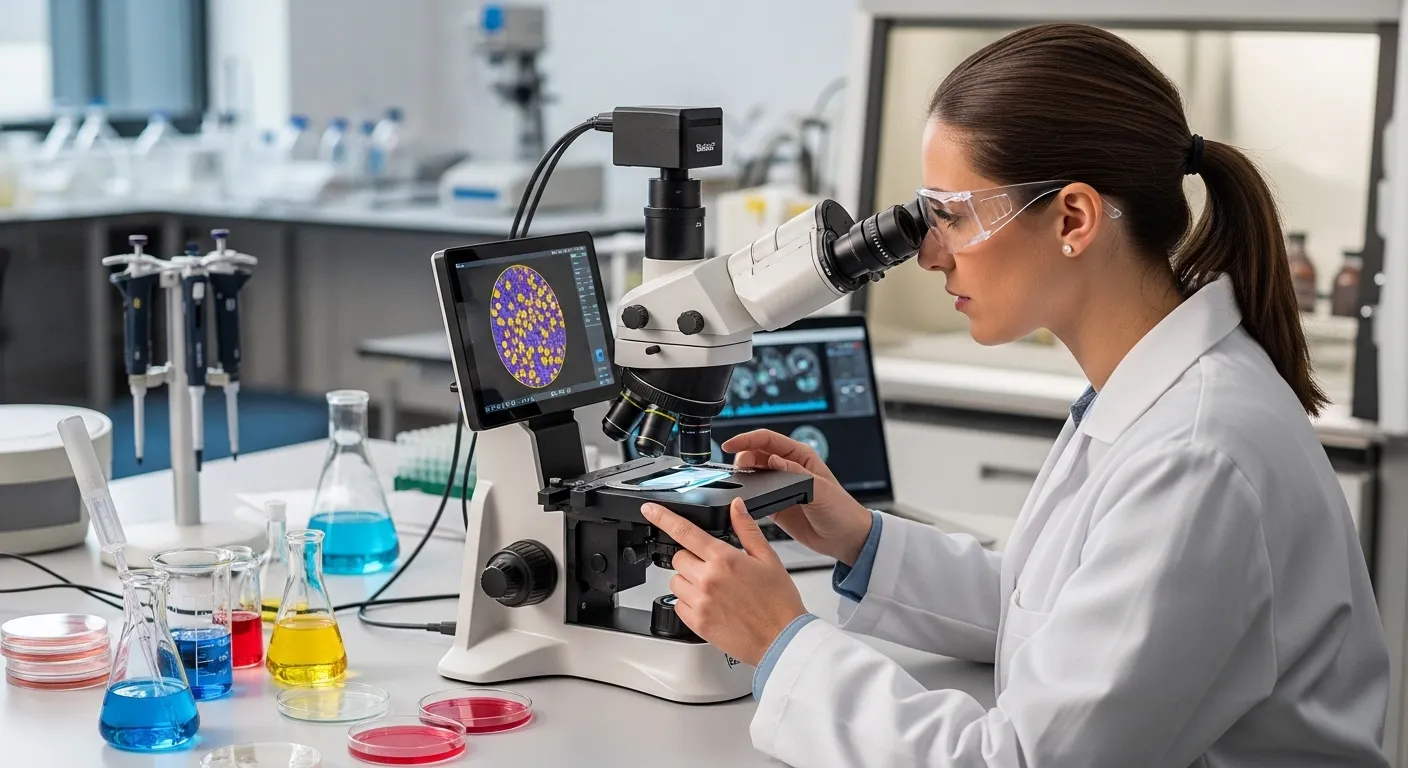
Biological specimen viewing techniques have several advanced methods, which rely on research or diagnostic requirements.
1. Light Microscopy Analysis
This is the most widely used technique in the laboratories. It includes:
• Bright field microscopy
• Phase contrast microscopy
• Fluorescence microscopy
2. Electron Microscopy Observation
Used in the drawing of the minutest detail:
• Scanning Electron Microscopy (SEM)
• Transmission Electron Microscopy (TEM)
• Cellular structure analysis at high resolution.
3. Histological Viewing
Applied in the analysis of tissues:
• Histological section viewing
• Tissue morphology study
• Histopathological examination
4. Cytology Examination
Concentrates on the single cells:
• Cancer cell detection
• Fluid sample analysis
• Cellular structure evaluation
Viewing Tools
In the contemporary world, laboratories are well furnished with advanced equipment to observe laboratory samples.
Essential Tools Include:
- Compound microscopes
- Hinge binocular microscope systems.
- Digital imaging microscopes
- Microtomes: Microtomes of tissue.
- Reagents and staining kits.
One of the most reliable tools in the laboratory is the hinge binocular microscope, which is supposed to be accurate and comfortable whenever one is making lengthy observations.
Diagnosis Using the Microscope in Clinical Science
Viewing of specimens is an important aspect of diagnosis in clinical settings.
Applications Include:
• Pathology specimen observation
• Identification of disease under the microscope.
• Blood and tissue clinical laboratory analysis.
• Biological samples to be tested.
Physicians and technologists use diagnostics based on microscopes to identify infections, cancers, and cellular abnormalities.
Viewing of Specimens in Pathology and Histology
Histology and pathology are two fields where specimens have to be viewed.
- Concentrates on tissue structure.
- Uses histological section viewing techniques
- Studies the structure and morphology of cells.
- Pathology Specimen Review
- Determines tissue changes with disease.
- Used in cancer diagnostics
- Supports clinical decision-making
Both are reliant on microscopic observation of tissues and proper laboratory analysis.
Best Practices in Histology
Laboratories are also guided by strict guidelines in order to come up with the right results.
Best Practices:
- Proper preparation and staining of the specimen.
- Use of calibrated microscopes.
- Laboratory observation conditions under control.
- Accurate magnification settings
- Clean slide preparation techniques
These ensure that the tissue specimen is well viewed and that the diagnosis is correct.
Scientific and Technical Insights in the Specimen Tool
Contemporary science incorporates the use of sophisticated ideas in the examination of specimens.
Key Technical Areas:
• Cellular structure analysis
• Tissue morphology study
• Biomedical imaging techniques
• Optimization of laboratory microscopy workflow.
• Cytologic examination of cells.
These methods improve the accuracy of the interpretation of biological samples and research-based evaluations.
Applications and Biological Research
In biological studies, the use of a viewing tool is common.
Applications Include:
- Biological research methods in the university.
- Laboratory testing processes in pharma.
- Scientific methods of observation in genetics.
- Research on microbiological specimen analysis.
It also assists scientists in knowing the development of diseases at a microscopic level.
Modern Methods of Specimen Viewing
Technology has changed conventional microscopy to sophisticated digital systems.
Innovations Include:
- Digital microscopy systems
- AI-assisted image analysis
- Automated slide scanning
- High-resolution biomedical imaging
- Intelligent laboratory diagnostic processes.
These inventions are more efficient in analyzing the biological specimen and reducing human error.
Trustlab China and Laboratory Equipment Solutions
Trustlab China provides quality equipment that is accurate and long-lasting to attain the most appropriate laboratory equipment and microscopy solutions.
They promote their product range:
• Histology analysis
• Pathology specimen review
• Clinical laboratory workflows
• Biological sample processing
Such reliable instruments as the hinge binocular microscope can assist laboratories to be more accurate in viewing and carrying out diagnostic work on the specimen.
Conclusion:
Observation of specimens is not a laboratory process but a peek into the unknown world of biology. It has been applied in microscopic studies up to the most recent biomedical imaging techniques, and it continues to impact the sphere of medical science and research innovation.
With the development of technology, the viewing of specimens will be even more accurate, automated, and informative. The future of diagnostics and biological discovery will be in the laboratories that will adopt modern tools and techniques.
Trustlab China can offer you high-quality microscopy services that are accurate, comfortable, and long-term in case you need to upgrade your laboratory. Test their devices and modernize your scientific process without any difficulties.