


Updated 4 months ago
Biopsy Specimen Observation Guide, Analysis & Lab Workflow
sidrahafeez754

Biopsy Specimen Observation
Unlocking Precision Medicine with High-Resolution Biopsy Specimen Observation
In the heart of medical diagnostics of contemporary medicine lies Biopsy Specimen Observation. It bridges the gap between laboratory science and the actual patient outcomes. Each minute tissue Biopsy is a story, and when it is analyzed in an appropriate way can provide essential details about the disease, its evolution, and therapy.
The current healthcare scenario does not insist on the examination of biopsy specimens under a microscope on the slides. It encompasses precision, technology, and skills. All these are valuable steps that start with the preparation of the biopsy specimen and end with the digital pathology biopsy observation.
Clinical Practice Knowledge: Biopsy Specimen Observation
It refers to the direct observation of the tissue samples of the human body. Testing the samples is done to identify abnormalities, malignancies, or infections.
It is essential to:
- Biopsy diagnosis of diseases.
- Cancer diagnosis through tissues.
- Biopsy-based clinical decision-making.
- Early disease-detection methods.
It is achieved by clinical observation of biopsy, laboratory biopsy examination, and observation of the pathological specimen, which collaborate to give a particular diagnosis. To begin with, it is a mixture of both analysis of tissues and microscopic analysis of tissues, which assists professionals in familiarizing themselves with the changes in tissues that are linked to diseases.
Why is it That Biopsy Specimen Observation is Significant in Diagnosis?
Hardly can the significance of observation of a biopsy specimen in diagnosis be overestimated. It is typically referred to as a gold standard to verify diseases.
Then, because it is important:
• Directly tests the disease on the cellular level.
• Helps in proper diagnosis through the assistance of a biopsy.
• Assists in tumor biopsy.
• Helps in the planning of the treatment and prognosis.
In contrast to imaging, biopsy-examination describes morphologic cell and tissue architecture. These clues play important roles in identifying minute changes in pathological tissue analysis that are minute.
Procedures for the Biopsy Specimen Analysis
The knowledge of the procedures for analyzing biopsy specimens assists in providing confidence and reliability.
Collection and Tracking of the Biopsy Samples
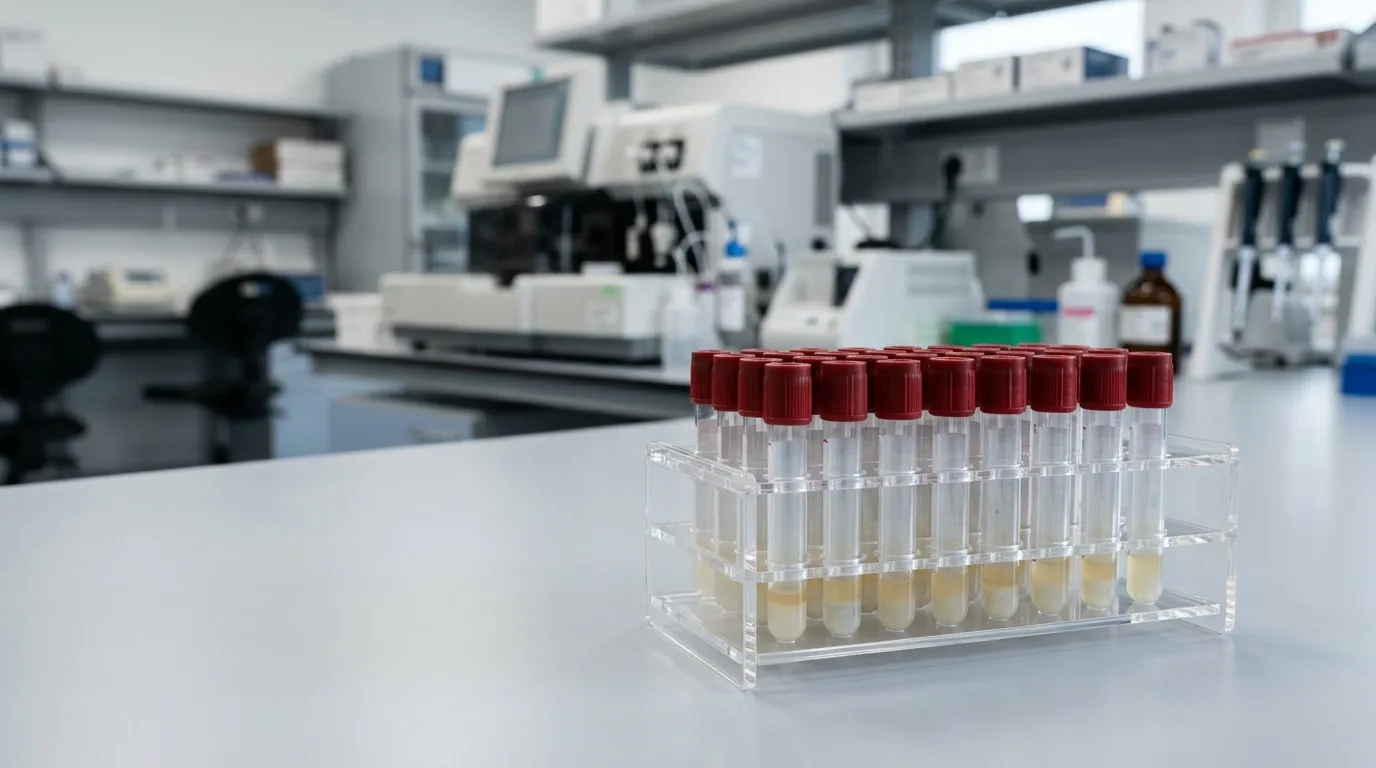
The procedure starts with the testing of biopsy samples in which tissue is collected carefully. It is highly necessary to manage so as to prevent contamination.
Fixation and Viewing of Specimens
Formaldehyde fixation is a preservation method of tissue structure. This is to avoid cell degradation and preserve cell integrity.
Biopsy Specimen Processing
In the process of biopsy specimen, tissues are dehydrated, cleared, and embedded. This will make sure that sectioning is prepared.
Preparation and Attachment of the Tissues
Microtomes are used in making thin slices. The following sections will be included in the slides that will be discussed.
Tissue Staining and Observation (Biopsy)
One of the biopsy observation methods, such as Hematoxylin and Eosin staining, is a staining method that brings out the contents of the cell. This is done to improve microscopic biopsy analysis.
Microscopic Evaluation
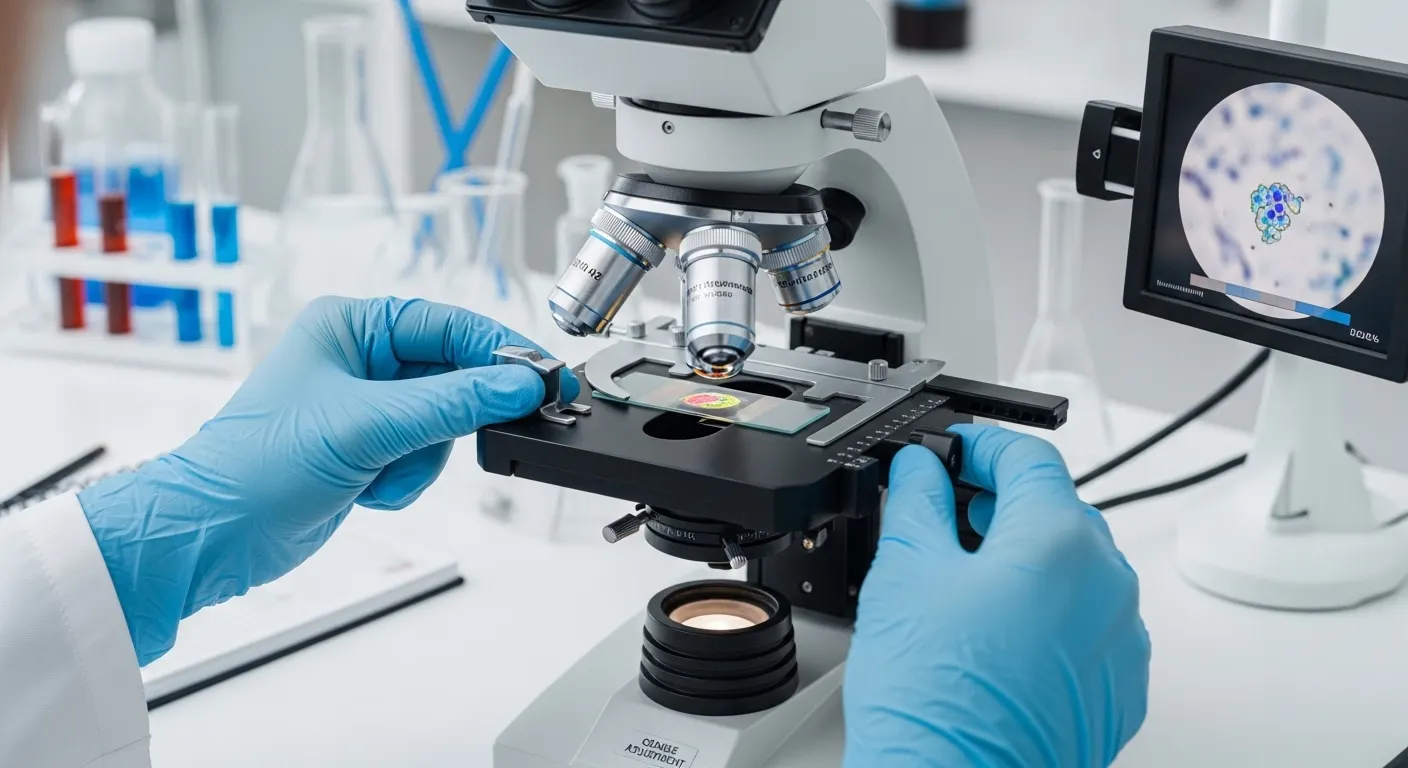
In a biopsy, specialists carry out the observation of cell structure and the observation of the histology specimen. This reflects the trends and manifestations of diseases.
Pathological and Histological Hints in Biopsy Observation
A histological biopsy (observation) is interested in the structure of the tissues; the analysis of a histopathological process of the biopsy is quite interested in the changes associated with the disease.
Key aspects include:
• Microscopic structure analysis
• Cellular abnormality detection
• Histopathology interpretation
• Tissue morphology observation
The expertise aids the pathologists in performing a thorough investigation of the biopsy sample and detecting illnesses like inflammation, infections, and malignancies.
Basic Lab Tests to See the Biopsy
The contemporary labs have the quality laboratory procedures of biopsy analysis.
Some of the major strategies are:
• Slide Preparation Techniques
Correct preparation methods of the biopsy slide make the slide clear to the eye.
• Microscopy-Based Observation
Microscopic examination of tissues can also be done accurately with the use of high-resolution microscopes.
• Specimen Preservation Techniques
Long-term analysis can be stored in such a way that the quality of the samples is not lost.
Clinical Laboratory Role in the Evaluation of Biopsy Specimen
Clinical laboratories are the foundation of the observation of biopsy specimens.
They ensure:
- Correct examination of the specimen in medicine.
- Normalized pathology lab practices.
- Effective workflow in managing specimens.
- Excellent clinical laboratory diagnosis.
Modern technologies in laboratories are combined with clinical specimen observation, which is critical for high accuracy of diagnosis in pathology.
The Modern Approaches to Looking at Biopsy Samples
The industry is rapidly advancing in technology.
Biospy Observation: Immunohistochemistry
It involves the use of antibodies that are used in identifying certain proteins. It is significant in biomarker tissue detection.
Biopsy Molecular Diagnosis
Molecular tissue diagnostics involves RNA and DNA. This assists in identifying genetic malformations and in directing specific therapy.
Biospy Observation Digital Pathology
It is possible to use remote analysis of digital pathology and artificial intelligence diagnostics. It increases precision and accelerates the work.
Tumor Tissue Profiling
Tumor tissue profiling gives information on the behavior of cancers. It promotes accuracy in the diagnostic process and individual medicine.
This modern diagnostic of pathology is changing the meaning of the method of biopsy specimen.
Quality Evaluation of Biopsy Specimen Observation
Reliability is guaranteed by the quality evaluation of the biopsy specimen.
Key factors include:
- Sufficient fixation and preservation.
- Adequate labeling and keeping of records.
- Minimal tissue damage
- Adequate sample size
The finest analysis of the biopsy sample can result in errors even without quality control.
The Most Effective Methods of Bio-Specimen Observation in Modern Laboratories
Laboratories adopt good strategies in order to produce the best results.
- Use standard biopsy handling procedures.
- Be congruent with staining.
- Introduce new imaging technology.
- Educate the train staff on the ways of interpreting biopsy specimens.
- Proper sectioning and fixation of tissues.
These are the best methods of observation through tissue embedding cassette of biopsy specimens, which improve reliability and efficiency.
The Biopsy Observation Role in Cancer Detection
A biopsy is one of the most important uses of biopsy in cancer detection through observation.
It helps in:
• Identifying malignant cells
• Tumor grade and type.
• Assessing disease progression
• Guiding treatment decisions
Biopsy testing and biomarker analysis on biopsy samples can be useful in helping clinicians create specific treatments to increase the chances of survival.
Modern Technology and Pathology
The study of the pathology of specimens has been revolutionized by technology.
Modern labs use:
• Automated staining systems
• Camera digital pathology.
• Advanced microscopy tools
• Biopsy data interpretation that is data-driven.
These kinds of technologies make it easier to evaluate the biopsy slide and enhance the diagnostic laboratory analysis.
How to Select the Best Lab Equipment for Accurate Laboratory Results
The quality of equipment has a direct impact on the results.
High-performance tools improve:
• Tissue morphology observation
• Microscopic biopsy examination
• Biopsy specimen processing
• Diagnostic biopsy evaluation
Laboratories wishing to be of good standards should invest in reliable products.
Prognosis on the Future of Biopsy Specimen Observation
We are in a bright future. Emerging trends include:
• AI-powered diagnostics
• Real-time digital biopsy pathology pictures.
• Advanced molecular analysis
• Personalized medicine approaches
Such solutions will transform how we conduct the analysis of biopsy specimens and enhance patient care in the world.
Conclusion:
The Biopsy Specimen Observation is not an easy laboratory procedure, but it is a hint at the right diagnosis and successful treatment. The end product is determined by each step that involves the preparation of the biopsy sample, from the right to the high-tech molecular examination.
Whenever you need accuracy, reliability, and ingenuity in the laboratory procedure, time to modernize your equipment and procedures in the lab. Find out the solutions of the highest quality in TrustLab China and bring high-quality solutions to the entire diagnosis.