


Updated 5 months ago
Specimen Observation Procedure Guide | Clinical Analysis Methods
sidrahafeez754

Specimen Observation Procedure
A Complete Laboratory Guide for Accurate Biological and Clinical Analysis
The specimen observation procedure is the workhorse of any laboratory investigation. It is the methodical study of biological, clinical, or pathological specimens under controlled conditions. The process is used to facilitate high-accuracy diagnosis, research, and medical decision-making.
The modern laboratory process of specimen observation is a blend of science, precision, and technology. It involves a complete laboratory examination procedure, which starts with the collection of a specimen and ends with a detailed interpretation. It may be a tissue sample, blood smear, or microbial culture, but each of them must be founded on a strict diagnostic observation process.
Laboratory Science: Familiarity with the Specimen Observation Process
Laboratory specimen observation is a systematic procedure that is used to analyze biological samples. It entails a macroscopic evaluation procedure and a microscopic analysis process, which is founded on the type of specimen.
This is generally used in:
• Clinical pathology labs
• Microbiology laboratories
• Histology departments
• Biomedical research centers
• Diagnostic healthcare facilities
The aim is simple: to ensure that the assessment of the biological sample and the diagnostic results are accurate. An appropriate specimen analytical protocol will ensure that all the information about the sample is recorded without any contamination or error.
Stepwise Observation of Specimen
A scientific process is a typical step-by-step process of specimen observation. All steps play a crucial role in accuracy and reliability.
Collection and Handling of Specimen
This begins with proper handling of specimens. The sample should be collected using sterile tools to avoid contamination.
Common tools include:
• Sterile containers
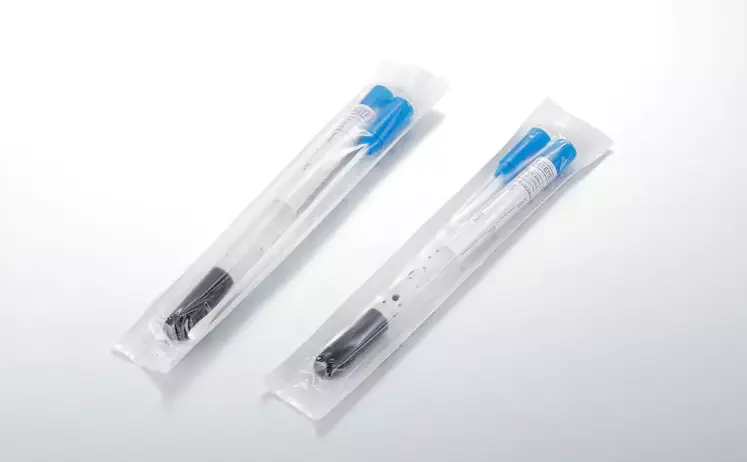
• Swabs
• Transport media
• Collection tubes
Proper handling ensures the integrity of the clinical specimen assessment.
Specimen Preparation Workflow
After collection, the sample undergoes the specimen preparation process. This includes labeling, sorting, and preservation.
Key steps include:
- Compulsion to preserve tissue structure.
- Preparation and analysis of slides.
- Staining and mounting.
- Sample preservation protocol
This is done to ensure that the sample is ready to be subjected to a laboratory diagnostic procedure.
Macroscopic Examination
The visual examination method is a microscopic evaluation that does not involve the use of a microscope. Scientists investigate size, shape, color, and texture.
This is a significant move towards:
• Tissue examination process
• Pathological sample review
• Clinical diagnostic evaluation
It helps in the identification of obvious abnormalities before microscopic analysis.
Microscopic Examination Workflow
The microscopic observation of the specimen is the beginning of the detailed analysis. Visual observation is examined using a microscope to reveal cell structures and abnormalities.
This includes:
• Cellular morphology analysis
• Histological analysis process
• Cytological examination procedure
• Microbiological observation process
This is the essence of laboratory work in science.
Contemporary Laboratory Methods of Specimen Study
In contemporary labs, the application of advanced techniques of specimen observation is to improve accuracy and speed.
Common techniques include:
• Bright-field microscopy
• Electron microscopy
• Fluorescence imaging
• Immunohistochemistry analysis workflow
• Molecular diagnostic evaluation
These techniques are used in conjunction with the diagnostic interpretation method and assist in the proper morphological evaluation process.
Specimen Examination Procedure in Clinical Diagnostics
The observation of clinical specimens is an important aspect of healthcare diagnostics. It helps in the detection of diseases, infections, and abnormalities.
Key applications:
• Analysis of the specimen to identify the disease.
• Infection identification procedure
• Biomedical analysis process
• Diagnostic examination of patient sample.
This measure will ensure appropriate medical laboratory diagnosis and treatment decisions.
Lab Specimen Analysis and Control
To have a reliable laboratory specimen examination, quality control is required. Without it, the outcomes may be untrustworthy.
Quality control includes:
• Standard operating procedures
• Calibration of equipment
• Sample contamination checks
• Accuracy validation
• Re-testing protocols
This ensures a safe and reliable laboratory testing chain.
Specimen Analysis Procedure in Microbiology and Histology
Different methods of observation are used in different disciplines.
Histology:
The histopathological evaluation procedure is preoccupied with the structure of tissues. It includes:
• Tissue fixation
• Sectioning
• Staining
• Histological analysis process
Microbiology:
The procedure of microbiological observation includes:
• Culture observation
• Colony identification
• Infection detection
Both sciences are based on the scientific methodology of observation.
Advanced Specimen Viewing Technologies
Modern science has elaborate methods of deeper analysis.
Advanced approaches include:
• Cellular pathology examination
• Molecular diagnostic evaluation
• Biomarker detection process
• Experimental specimen analysis
• Immunohistochemistry analysis workflow
These improve diagnostic accuracy and ease laboratory medicine procedures.
Best Practices of Handling and Observing Specimens
Proper handling and observation of the specimen is an assurance of proper results.
Best practices:
• Always use sterile equipment.
• Follow the sample processing protocol.
• Maintain temperature control
• Avoid cross-contamination
• Use the correct labeling systems.
These provisions encourage an orderly laboratory testing procedure.
Objectives of Specimen Observation in Disease Diagnosis
Observation of clinical lab specimens is a vital procedure in the diagnosis of diseases.
It supports:
• Early disease detection
• Infection analysis
• Cancer diagnosis
• Tissue disorder identification
Evidence-based laboratory analysis provides doctors with a better chance to make treatment decisions.
Specimen Observation Procedure Protocol and Guidelines
The level of specimen observation protocol and guidelines is high in all labs to guarantee international standards.
These include:
- WHO laboratory standards
- ISO diagnostic protocols
- Workflow rules in clinical pathology.
- Safety and biosafety policies.
This gives consistency in the laboratory diagnostic process throughout the world.
Observation of Specimen at Trustlab China
Accuracy at Trustlab China is coupled with technology in the laboratory. It is geared towards offering quality diagnostic lab swabs that can support an appropriate observation process of biological specimens. Each of the steps, beginning with the collection up to the final analysis, is supported with reliable laboratory consumables and diagnostic solutions.
The instruments are handy in making sure that the laboratories are of high quality in the laboratory specimen observation process, and to improve the accuracy of diagnosis.
Conclusion:
The specimen observation procedure is not a mere laboratory process. It is a complete scientific procedure that transforms raw biological material into useful medical knowledge. Beginning with the specimen preparation workflow, to the microscopic examination workflow, all the steps play a vital role in diagnosis and research.
Modern laboratories rely on methodological procedures, advanced apparatus, and quality control to attain accuracy in all the specimen observation processes. With trusted solutions like those provided by Trustlab China, laboratories will be in a position to be more accurate and dependable in their diagnostics.
Get reliable diagnostic equipment in Trustlab China and enhance your diagnostic accuracy today.