


Updated 5 months ago
Live Specimen Observation Guide, Tools and Real-Time Analysis
sidrahafeez754

Live Specimen Observation
Live Specimen Observation Techniques That are Transforming Biological Research
Live observation is not just a laboratory practice, but also a peephole into life at work. This method enables scientists to study dynamic biological processes in real time since the initial observation of cell division, until the current days, when it is possible to trace the movement of microorganisms. It provides extra layers to research, enhances diagnostics, and gives insights into complicated biological systems. Here you will learn all about live specimen observation, methods, equipment, advantages, and applications, all simply and entertainingly.
What is Live Specimen Observation?
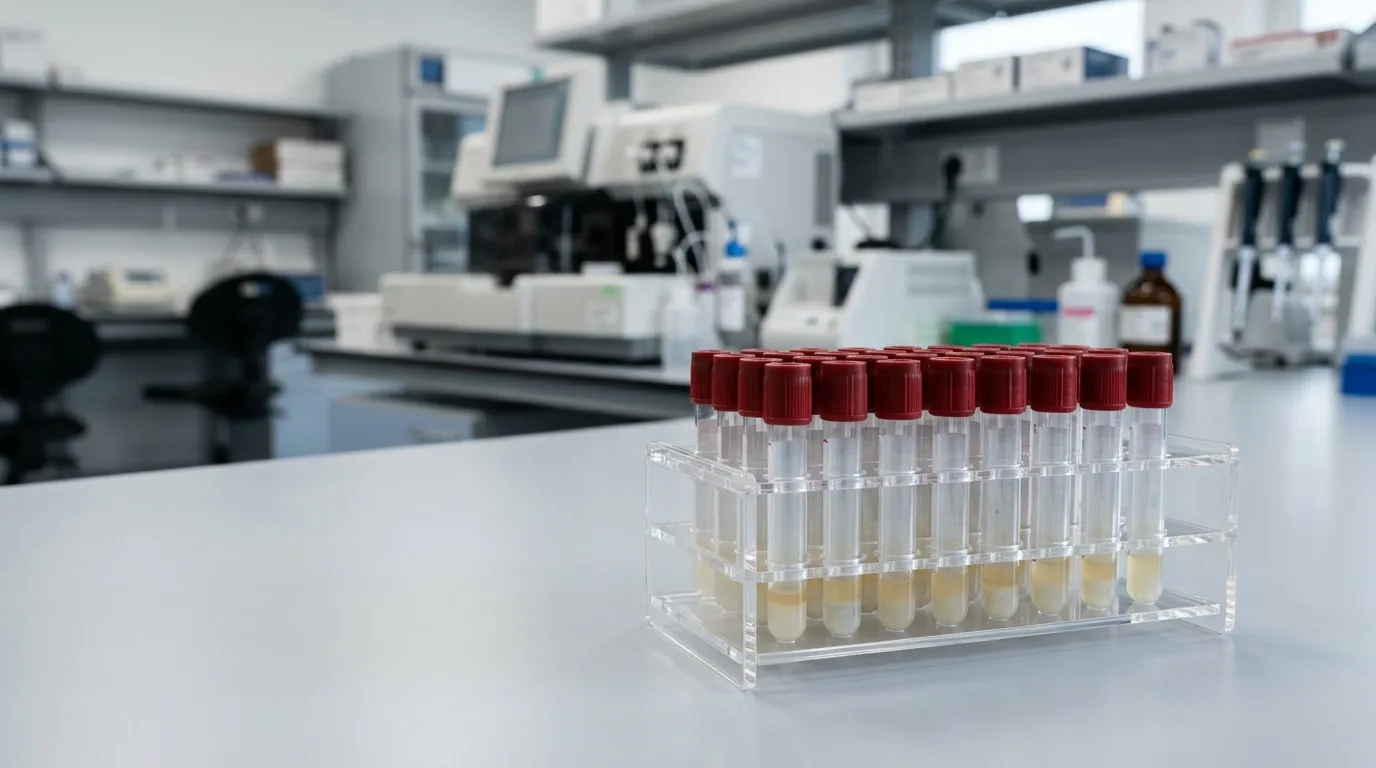
It is a method of observing living specimens under controlled laboratory conditions. The approach is based on real-time biological measurements, and natural cellular dynamics are measured, in contrast to fixed or stained samples.
It enables:
• Direct specimen visualization
• Real-time cellular observation
• Living organism analysis
• Active specimen tracking
This method is normally employed by scientists to track cell movement, growth, and interaction without modifying the natural structure of the specimen.
The Importance of Real-Time Specimen Observation in Modern Scientific Research
Simple pictures cannot teach one about life on a microscopic level. Biological systems can be studied in real-time by observing the behavior of the specimen.
It is significant since:
- Assists in the study of moving specimens.
- Funds biological monitoring studies that are alive.
- Enhances precision in the clinical specimen observation.
- Allows real-time biological analysis to be used in diagnostics.
- Gives information on the observation of physiological behavior.
Put simply, it assists researchers to perceive life as it is and not merely snapshots of life.
Basic Methods of Live Specimen Observation
The different methods of specimen observation are applied based on the type of sample and the objective of the study.
Phase Contrast Microscopy
It is a contrast enhancement method that does not stain. It is effective with clear cells and is applicable in live cell imaging.
Live Cell Fluorescence Microscopy
Live imaging is a technique that is used to identify a few structures in the cells by using fluorescence. It is ideal for tracking proteins and cellular components.
Brightfield Microscopy
A simple but useful exercise of examining microscope specimens that is regularly employed in the laboratory.
In Vivo Observation Techniques
These techniques include observation of specimens in the natural habitat, which helps in the research of specimens in vivo.

Process Stepwise
To observe live specimens in the laboratory, you can follow the simplified procedure in the following manner:
Sample Collection
New biological sample to preserve viability.
Slide Preparation
Place the sample on good-quality microscope slides. To make sure that the observation is clear and precise, lab-quality slides, such as those offered at trustlab, will be used.
Mounting the Specimen
Provide an appropriate medium to preserve the specimen alive.
Microscope Setup
View well with controlled lighting, focus, and magnification.
Observation and Recording
Real-Time Tracking of Cellular Activity for Accurate Data Capture and Analysis
It is a live specimen observation process, which is conducted step-by-step and provides consistency and reliable results. The instruments make a major contribution to the effectiveness of live sample observation in the laboratory.
Essential Equipment
• Live specimen microscope
Live Microscope
• Laboratory observation tools
• Live imaging systems
Advanced Technologies
• Live imaging systems with high resolution.
• Electronic monitoring of specimen.
• Non-invasive observation techniques
These technologies can help to track the specimen at any time and enhance the quality of data collected. Another place to explore the opportunities of locating professional-quality lab solutions and equipment is at TrustLab, a reputable source of lab supplies.
Observing a Live Cell Under a Microscope: Unlocking the Dynamics of Cellular Life
Microscopic observation of living cell specimens aids in the observation of complex biological behaviors.
You can observe:
• Cell movement observation
• Cell growth and cell division.
• Interaction between cells
• Reaction to environmental changes.
This live microscopic examination is very important in disciplines such as microbiology and biomedical research. In various industries, live observation of specimens is necessary.
Microbiology Labs
Microbiology observation is used to study bacteria, fungi, and other microorganisms.
Clinical Diagnostics
The samples of clinical diagnostics are found to enhance disease and patient care detection.
Pathology
In pathology, observation is applied to help in early diagnosis by observing live tissues.
Research Laboratories
Live specimen analysis is a research-based analysis and enables scientists to experiment with live observation and discoveries.
Key Advantages of Observation in Modern Biological Studies
This approach has a number of benefits compared to traditional approaches.
• Allows active biological processes to be explored.
• Allows real-time study of specimen behavior.
• Assists in establishing the viability of specimens.
• Gives proper biological monitoring procedures.
• Improves dynamic tissue examination knowledge.
It is particularly applicable in the real-time study of living cells and the study of their natural behavior.
Important Considerations in Making the Observation
Some factors should be properly managed to get credible results.
- Environmental Conditions
- Temperature control
- Proper humidity
- Adequate light exposure
- Specimen Handling
- Light treatment to preserve viability.
- Proper mounting techniques
- Equipment Quality
The advanced microscopic processes are used to guarantee the transparency and precision.
Prospects of Observation
New technologies are transforming the field at a high rate. Emerging trends include:
• On-the-fly laboratory analysis with AI help.
• Live cell imaging systems.
• Improved online monitoring of samples.
• Combination of biomedical observation methods.
These inventions are making live observation of biological specimens quicker, more precise, and convenient.
Good Live Specimen Analysis
To achieve the most successful results, it is recommended to remember the following tips:
- Always fresh specimens.
• Keep the laboratory clean.
• Select an appropriate microscopy method.
• Monitor specimens continuously
• Record observations carefully
These are precautions that guarantee correct and significant outcomes of live specimen examination.
Conclusion:
The science of living organisms changes the perception of biology. It records life in action, the behind-the-scenes processes, and scientific and medical breakthroughs. In the research laboratories and in clinical diagnostics, its influence cannot be neglected.
To be able to produce correct, clear, and reliable results, quality equipment and reliable laboratory supplies have to be invested in. Discover the new level of solutions in Trustlab and take your laboratory to a new level. Begin to see life as it is because each moment under the microscope is a story.