


Updated 4 months ago
Multi-Sample Mastery: How The Right Needle for Blood Collection Cuts Lab Turnaround Time

Admin
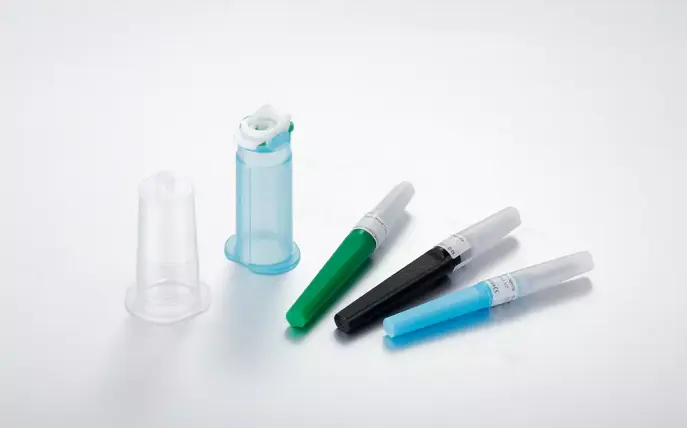
Visible Flashback Type Blood Collection Needle
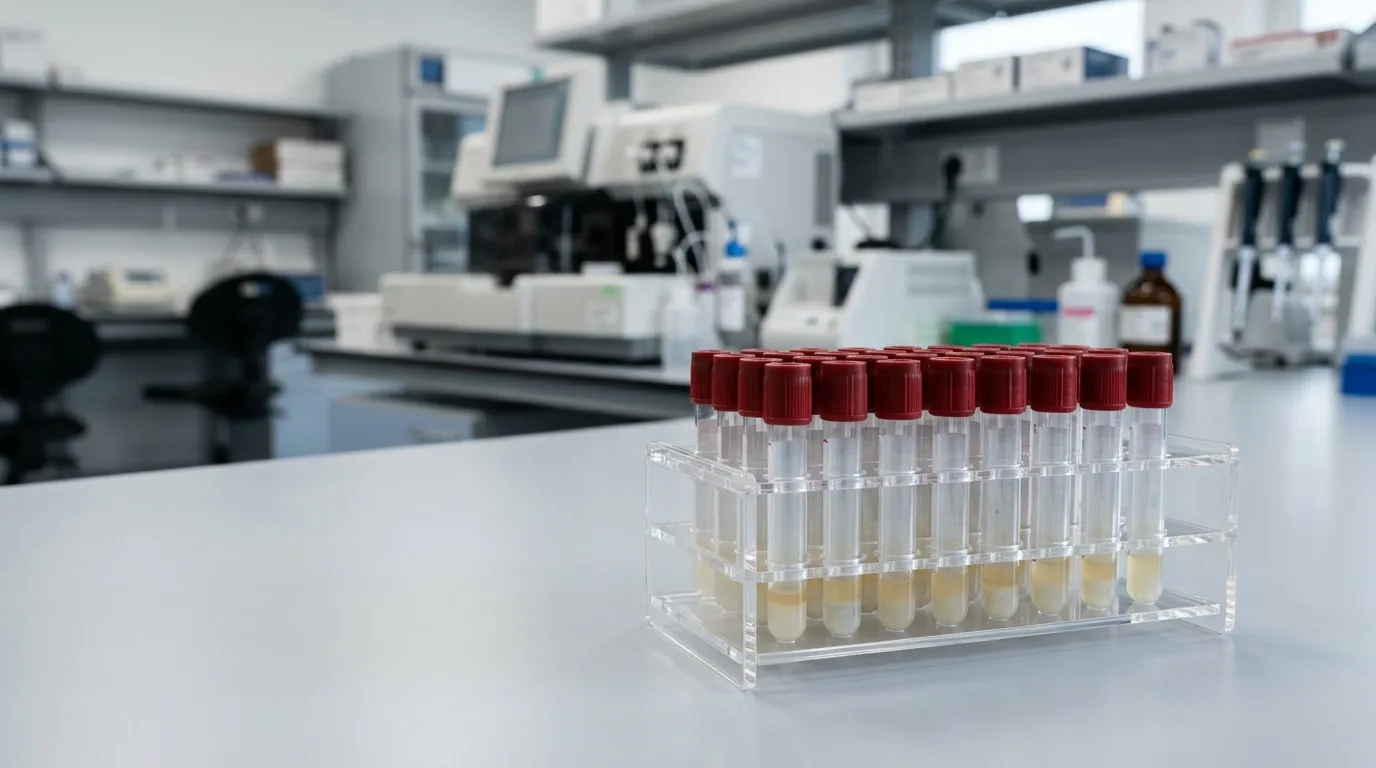
For any clinical laboratory, turnaround time (TAT) is the single most visible metric of efficiency. Delays in sample collection create ripple effects—extended patient wait times, backed-up analyzers, and frustrated staff.
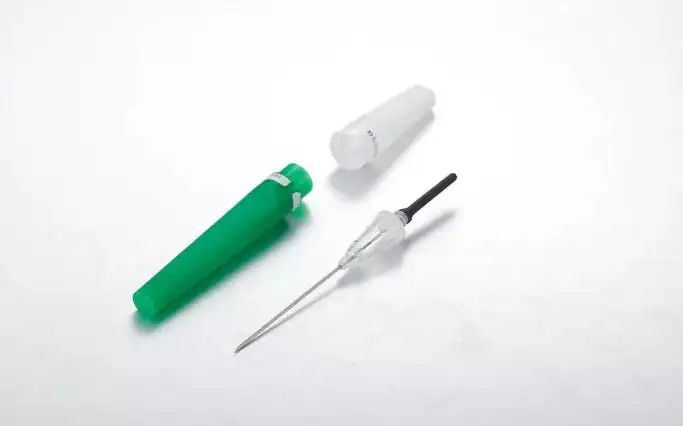
The process begins long before the sample reaches the centrifuge. It starts with the Needle for Blood Collection used at the bedside. Choosing the wrong device adds seconds per draw. Over hundreds of daily draws, those seconds become hours.
This is where multi-sample design makes a measurable difference. A properly engineered Needle for Blood Collection allows phlebotomists to fill multiple tubes from a single venipuncture. No needle changes. No second sticks. Just continuous, uninterrupted flow.
Below is how the Trustlab GT210-1009A Multi-Sample Needle helps laboratories reduce TAT without compromising safety or sample quality.
Why Multi-Sample Capability Directly Impacts TAT
High-volume labs process hundreds of patients daily. Each draw requiring a separate needle change adds 30 to 45 seconds of handling time. Multiply that by 200 draws, and you lose nearly two hours of productive labor.
A true multi-sample Needle for Blood Collection eliminates that waste.
•The needle remains in the vein while tubes are swapped: This continuous access prevents the need for repositioning or re-insertion.
•Tube changes take under two seconds: Threaded or friction-fit holders allow rapid exchange without a needle's position change.
•There are fewer opportunities for error with fewer device changes: The swapping of needles often carries minor risks which include delay or loss of venipuncture site.
For the phlebotomist, this translates directly to completing morning rounds earlier. For the lab, it means samples arrive at analyzers while patients are still being processed.
Hemolysis Prevention: A Hidden Factor in TAT
Fast collection is useless if the sample is compromised. Hemolysis—the rupture of red blood cells—remains a leading cause of sample rejection in clinical laboratories. When a sample is hemolyzed, the lab must request a redraw. That redraw adds 30 to 60 minutes to the final result time.
The design of the Needle for Blood Collection influences hemolysis rates significantly.
•Optimizing internal diameter helps lower shear stress: Needles that are too narrow constrict blood flow at higher pressures, damaging blood cells.
•Smooth inner surfaces reduce turbulent blood flow: Irregularities inside the needle can disrupt blood flow and damage blood cells.
•Appropriate gauge selection is crucial: 21G or 22G needles strike the best balance of blood flow rate and blood cell integrity for the majority of routine blood analysis.
The GT210-1009A uses the best, safest, and high-grade stainless steel, and has a unique interior that reduces mechanical damage to blood cells in the process of blood transfer. In comparison to their competitors, labs that use this needle report a lower percentage of hemolysis.
Regarding Ergonomics and Operator Confidence
TAT encompasses more than only the instrument. It must focus on the person that is holding the needle. For example, a phlebotomist who is struggling to use a poorly designed tool is both slower and more prone to making mistakes.
The GT210-1009A has unique ergonomic features to remedy this.
•Activation using only one hand: The safety release is triggered by the same hand that is holding the needle, and the other hand is completely free to manage tubes or even regard the patient.
•Clarified flashback verification: With this proof of flashback, confirmed instant vein access is quick and secure. This eliminates the hesitation of “is it in or not?” that slows down experienced draw experts.
•Lightweight construction: Reduced hand fatigue means consistent performance through the entire shift, not just the first hour.
When a Needle for Blood Collection supports confident, comfortable use, draws proceed faster. Fewer second-guesses mean fewer delays.
Real-World Impact on High-Volume Assays
The benefits of an optimized multi-sample needle become most visible in specific testing scenarios.
•Hematology draws: Require precise fills without under- or over-filling. Multi-sample control allows measured tube changes.
•Biochemistry panels: Often need multiple serum tubes from one draw. Patient frustration is eliminated with single-stick collection.
•Immunology testing: Sample quality is critical for sensitive assays. Fewer hands reduces contamination.
•Research laboratories: High-volume processes require collection workflows that are consistent and repeatable.
In all scenarios, Needle for Blood Collection serves as the first quality control checkpoint. A clean, efficient draw yields the analyzer.
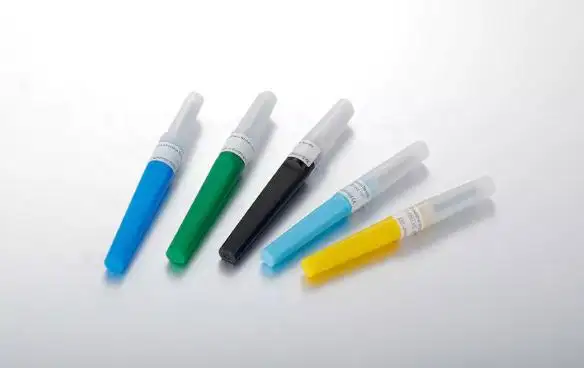
Delivering Safe, High-Volume Workflows
The cost of safety cannot be speed. The GT210-1009A integrates passive safety features that help, not hinder, the operator.
The safety shield deploys automatically after use.
•Beveled tip for less injury: Triangular shaped tip with less tissue damage allows for less movement of the patient.
•A design for one-time use with built-in safety: Constructed of materials and designed to be compliant with the US FDA standards for safety, the use of that shield and less injury to patients make the shield compliant.
These features allow laboratories to maintain high throughput while meeting OSHA and WHO needlestick prevention standards.
Conclusion
Reducing laboratory turnaround time requires attention to every step of the pre-analytical phase. The Needle for Blood Collection is too often overlooked as a simple commodity. In reality, it is the gatekeeper of sample quality and collection speed.
The Trustlab GT210-1009A Multi-Sample Needle delivers three specific advantages for busy laboratories:
•Multi-sample capability eliminates needle changes and second sticks
•Hemolysis-minimizing design reduces costly and time-consuming redraws
•Ergonomic, intuitive operation keeps phlebotomists confident and comfortable
For procurement managers and lab directors seeking measurable gains in daily throughput, evaluating the blood collection needle is a practical starting point.
[Contact Trustlab] for sample evaluation or to request certification documentation for the GT210-1009A.
FAQs
Q: What are the different gauge sizes for the GT210-1009A Multi-Sample Needle?
A: GT210-1009A is designed for 19G, 20G, 21G, 22G, 23G, 24G, 25G, and 27G gauge sizes, enabling labs to pick the best size for their patient demographic and the needs of their tests.
Q: Is it compatible with all luer-adapter tube holders?
A: GT210-1009A is designed to be universally compatible with almost all standard luer-adapter tube holders and, as such, can be used in most clinical and lab environments.
Q: What is the mechanism that prevents accidental exposure to used needles?
A: With the GT210-1009A, the safety surely prevents possible insertion of the tip. The safety mechanism is where tip is to be, locking the safety, as it is designed to be triggered and functions, with one hand post withdrawal.
Q: Is this needle suitable to be used on patients with difficult and delicate vein structures?
A: The GT210-1009A is suitable for difficult IV access. The ultra-sharp, 3-bevel, tip has a flashback indicator which ensure deep vein entry, while minimizing tissue trauma.