


Updated 5 months ago
Cell Specimen Observation Guide | Microscopic Cell Analysis
sidrahafeez754

Cell Specimen Observation
What Makes Cell Specimen Observation Essential in Biological Research and Testing?
Cell Specimen Observation is one of the simplest foundations of modern biological and medical studies. It is also interested in the minute study of cells through the application of advanced microscopy techniques, which allow scientists to examine structure, behavior, and function at a microscopic level. The procedure is also referred to as microscopic cell observation, cellular specimen analysis, and cell microscopy observation, which vary according to the laboratory environment and procedure.
In modern laboratories, particularly in clinical diagnostics and research centers, the need to have accurate cellular examination and biological cell inspection has greatly risen. Scientists employ the structured cell observation under the microscope techniques to ensure that they are correct in diagnosing diseases, studying microorganisms, and assessing the health of tissues.
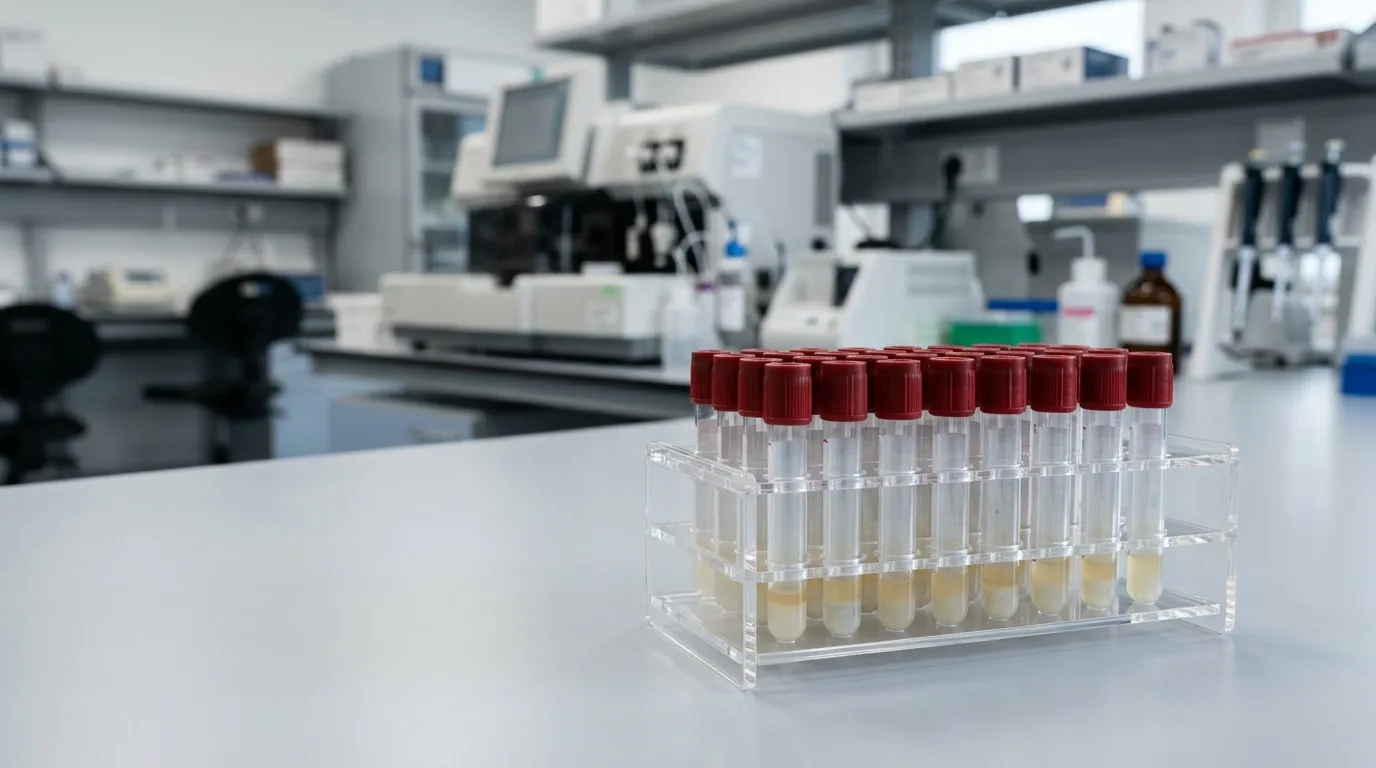
In TrustLab China, advanced laboratory tools such as specimen containers, petri dishes, and microscopy accessories are customized to support the high-quality observation processes.
The Microscopy in Cell Specimen Observation
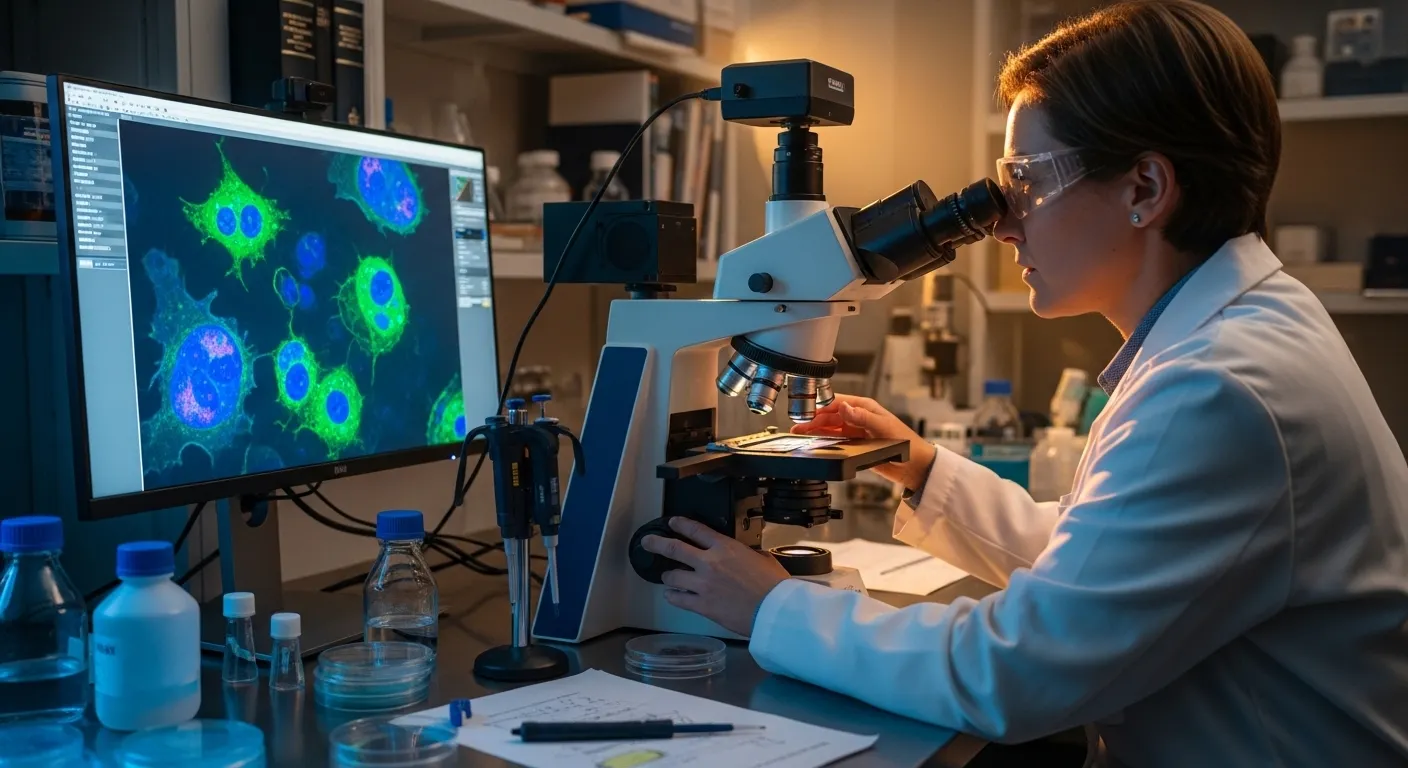
Microscopy is based on microscopy. In its absence, there would be no information about microscopic life forms. Light microscopy is commonly used during general cell slide analysis, but electron microscopy can provide ultra-structural data about organelles. Cell imaging and observation. Fluorescence microscopy is a common genetic and molecular method of imaging and observing cells. The most commonly used are:
- Observation of cells on light microscopy.
- Cell study using an electron microscope.
- Cell imaging by fluorescence microscopy.
- Confocal cell imaging
The two methods provide different levels of clarity and depth, and they help researchers to perform adequate cell structure analysis and cell morphology analysis.
Microscopy Step-by-Step Cell Observation Process
The proper preparation of cell specimens is the key to proper results. Any ill-stained slide can be misinterpreted, and this is a major problem in cell examination in a lab.
The typical workflow comprises:
- Collection and preservation of samples.
- Fixation and staining of cells.
- Preparation of slides to study cells.
- Microscopic visualization techniques
- Digital cell imaging and image capturing.
All the steps ensure that the end cell visualization procedure is clear and reliable.
H&E staining and Gram staining are common staining methods in various laboratories to increase contrast. The methods are crucial in establishing structural differences in cells, as they are cytologically observed and in the histological study of cells.
The Cutting Edge in Cell Microscopy Observation
Cell microscopy observation has tremendously changed with technology. Modern technology has enabled scientists to have sophisticated systems that offer high-resolution images and digital analysis.
Key techniques include:
- Phase contrast microscopy of a transparent specimen view.
- Molecular imaging of cells by fluorescence.
- Confocal microscopy of the 3D structure of cells.
- Digital cell imaging systems for real-time monitoring.
Such technologies enhance the visualization of the cells and the precision of the analysis of the cell samples. Cell-based laboratory testing is also used in modern laboratories in diagnostics, where accuracy is crucial in identifying diseases at a cellular level.
Importance of Cell Structure Study in Biological Research
The significance of the study of cell structure cannot be overestimated. It forms the basis of the study of biological systems, the diagnosis and treatment of diseases. Research in biological microscopy can help scientists in research facilities to study:
- Cell behavior and activity.
- Microscopic disease progression.
- Cell culture response to drugs.
- Tissue abnormalities.
This renders cell observation processes an important aspect of cellular biology studies and diagnostic cell observation in healthcare systems.
Materials Required to Perform Good Microscopy
The laboratory tools play a role in making sure that the observation of the cell specimen is correct. Good quality instruments will guarantee clarity and accuracy in each step.
Common tools include:
- Electron microscopes and light microscopes.
- Glass coverslips and glass slides.
- Petri dishes for cell culture (available at TrustLab China)
- Digital imaging systems
- Kits and staining reagents.
These tools assist in the assessment of the specimen cells and give consistency in the laboratory cell testing conditions.
Clinical Laboratory Cell Imaging and Analysis
In clinical practice, cell analysis in medical laboratories plays an important role in the diagnosis of infections, cancers, and genetic diseases. It is done by meticulous microscopic observation of cells with a state-of-the-art imaging apparatus.
Key applications include:
- Cancer cell detection
- Blood cell analysis
- Tissue pathology studies
- Microbial infection identification
This renders cellular diagnostics one of the most significant applications of cell specimen observation in healthcare.
Techniques of Accurate Cell Observation
In order to obtain reliable results, scientists adhere to standardized procedures of observing cells in laboratories.
Best practices include:
- Well-prepared slide of a cell study.
- Controlled staining procedures
- Calibration of microscopes
- Use of sterile laboratory conditions
- Recording of findings electronically.
Such techniques minimize errors and enhance the quality of cellular analysis techniques.
Cellular Observation Digital Revolution
Contemporary laboratories have switched to digital cell imaging systems, which enable real-time monitoring and storage of data. These systems support:
- High-resolution microscopy
- Automated cell counting
- AI-based cell recognition
- 3D cellular visualization
These innovations enhance effective cell examination methods and the efficiency of research processes.
Importance of Cell Observation in Biology Labs
Cell observation is not just significant in research within biology laboratories. It is very important in education, as it assists students in learning the microscopic anatomy of cells and biological processes.
It also supports:
- Hands-on experience in microscopy.
- Understanding cell morphology
- Development of laboratory skills
- Institute of Higher Medical Education.
This makes it an essential part of cytology studies and cell structure analysis.
Conclusion:
Cell Specimen Observation is an introduction to a secret world where each structure narrates a scientific tale. Since the study of microscopic cells up to the advanced fluorescence imaging of cells, this area has continued to influence contemporary biology and medicine. Researchers are now able to gain unparalleled accuracy in comprehending life at the smallest scale with the changing technologies and better laboratory equipment.
TrustLab China is dedicated to helping you in your scientific career with the best laboratory supplies that are accurate and reliable. Get to know our products and improve your research abilities today. Get to know us at TrustLab and take your Cell Specimen Observation to a new level.