


Updated 4 months ago
Specimen Preparation for Observation: Advanced Laboratory Techniques
sidrahafeez754
Specimen Preparation for Observation
Specimen Preparation for Observation in Microscopy: Improving Accuracy and Clarity
The basis of any accurate laboratory diagnosis and scientific discovery is specimen preparation for observation. It may be the preparation of biological specimens, the preparation of histological specimens, or the preparation of microscopic specimens, but the quality of the results is greatly dependent on the quality of the sample preparation before the observation.
The modern-day laboratories do not just prepare the specimens as a routine. It is a systematic process, and it involves specimen fixation, tissue processing, staining process in microscopy, and preparation of slides to be utilized in microscopy. All of the stages will stabilize the sample, clear it, and prepare it to be examined in detail under a light microscope specimen preparation system or even an electron microscope sample preparation system.
Laboratory Science: Preparation of Specimens
The process of converting raw biological material into a form for analysis in biology and clinical sciences is called specimen preparation. It involves handling and preparation of samples, conditioning of the sample to be analyzed, and pre-analytical processing of the sample.
This process ensures:
- Sample preparation: Preparation of samples to be viewed under microscopes.
- High-quality imaging results
- Appropriate laboratory diagnostic tests.
- Reliable research data
When it comes to laboratory specimen preparation, a small mistake can have an impact on the whole process of specimen preparation in laboratories.
Steps Involved in Specimen Preparation for Observation
In any diagnostic or research context, a systematic specimen collection to observation workflow is crucial. It may be divided into the following:
1. Collection and Handling of Specimens
The correct handling and preparation of samples starts with safe and contamination-free collection.
2. Methods of Fixation and Preservation
Fixation of biological tissues is used to fix and preserve tissues. Fixatives are typically solutions of formaldehyde.
3. Tissue Processing and Embedding
This stage involves:
- Embedding and the processing of tissues in paraffin.
- Use of lab embedding cassette systems.
- Dehydration and clearing.
Embedded cassettes ensure the safety of tissues in processing and structural integrity.
4. Sectioning and Slicing
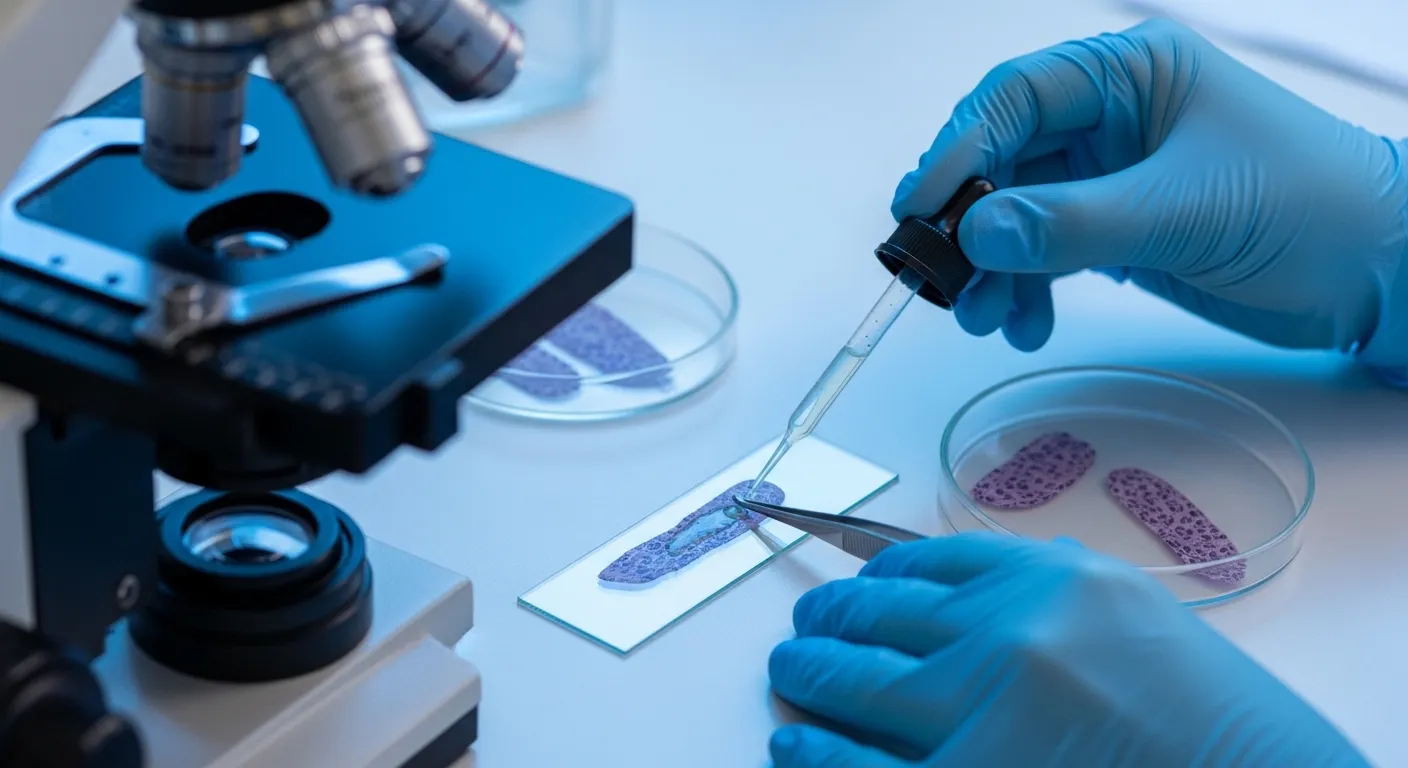
Microtomy and sectioning allow the preparation of ultra-thin slices that can be studied under a microscope.
5. Staining and Labeling
Microscopy is done with staining to enhance contrast and cellular structures.
6. Mounting and Coverslipping
Mounting is a process in microscopy that is applied to make long-term observations of slides.
Advanced Biological Specimen Preparation Techniques
Preparation of specimens is a controlled process in the laboratory that is biological. It includes:
- Diagnostic quality of the processing of biological samples.
- Storing specimens over a long period.
- Procedures of sample preparation to make it reproducible.
- Laboratory standard operating procedures (SOPs) compliance
There are also histology and cytology preparations, which require proper fixation and processing of tissues, to be clear under the optical microscopy sample prep conditions.
Preparation of Microscopic Slides for High Magnification Viewing
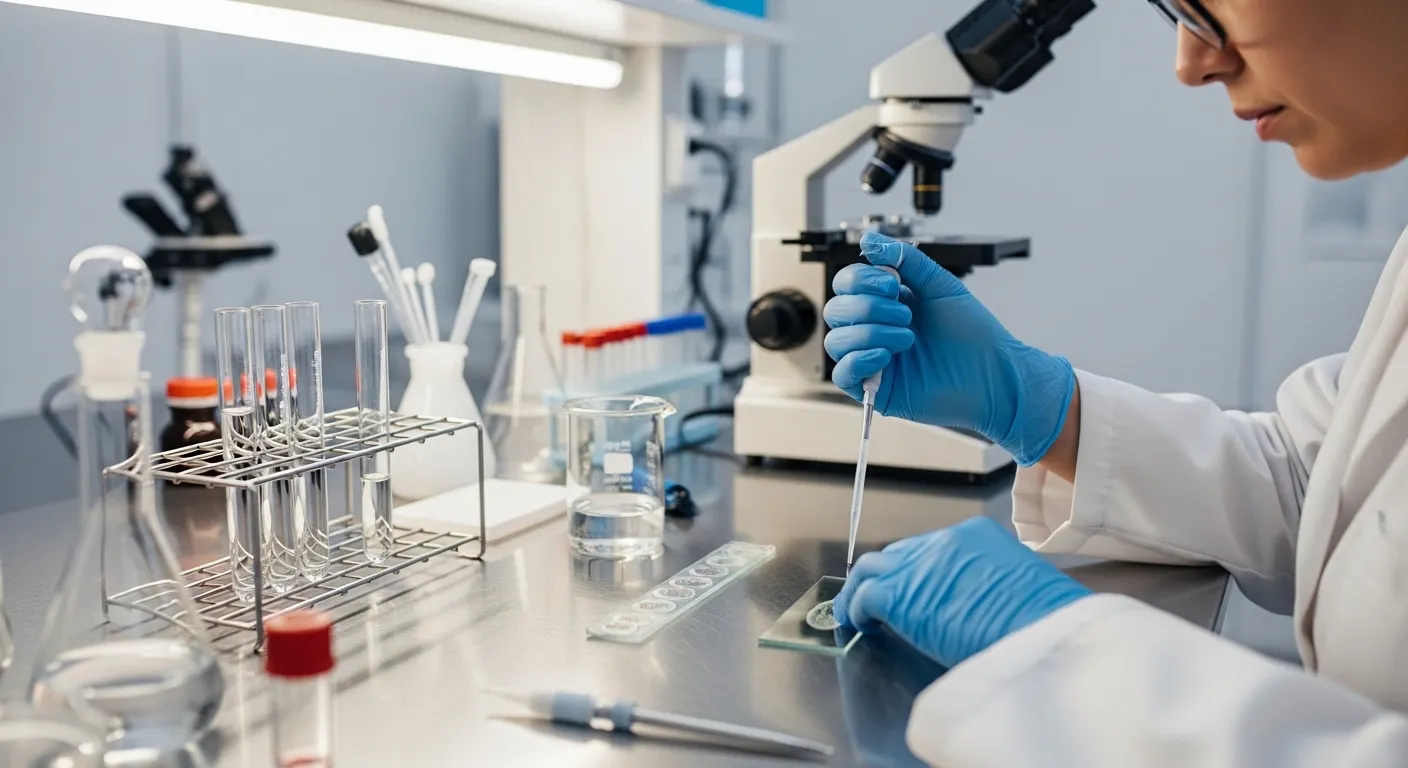
The preparation of a specimen to be observed is very important and involves microscopic preparation of slides. It has a direct influence on the quality of the imaging of the biological slide staining procedure, as well as the processing of electron microscopy samples.
Key techniques include:
- Steps in microscopy slide preparation.
- Contrast enhancement methods
- Imaging-ready specimen preparation
- Specimen visualization techniques
In more complex applications, sample preparation for electron microscopy and specimen preparation for SEM or TEM must include extra coating and dehydration procedures to stabilize the electron beam.
Clinical, Pathology, and Forensic Uses
Preparation of specimens is crucial in a variety of scientific disciplines:
Clinical Specimen Preparation
Applied in the diagnosis of diseases and testing of patients in hospitals.
Pathology Specimen Preparation
Makes tissue samples that will be used in diagnosis using a histopathology workflow.
Microbiology Specimen Preparation
Familiar with the manipulation and staining of microbial cultures.
Forensic Specimen Preparation
Used in court cases to investigate biological evidence.
Both disciplines use laboratory diagnostic procedures and biomedical sample preparation standards to guarantee accuracy.
Importance of Preparation of Specimen in Microscopy
The importance of specimen preparation in microscopy can hardly be overestimated. Inadequate preparation results in:
- Distorted cellular structures
- Low contrast imaging
- Misinterpretation of results
High-quality preparation ensures:
- Microscopic visualization methods.
- Appropriate analytical laboratory techniques.
- Preparation criteria of good research samples.
Modern Labs: Advanced Techniques of Preparation of Specimens
In modern laboratories, the advanced systems are used to enhance efficiency:
- Automated systems of tissue processing.
- High-precision microtomy devices
- Cryosectioning of sensitive samples.
- Coating of an electron microscopy specimen.
- Digital slide imaging systems.
These innovations increase the sample's preparedness for observation and diagnostic accuracy.
Quality Control During Preparation of Specimens
The quality of the specimen prep should be assured to provide credible results. It includes:
- Specimen integrity maintenance
- Contamination prevention methods
- Laboratory SOPs consistency.
- Tracking of tissue processing cycle.
- Staining procedures validation.
Even the sophisticated microscopic techniques may give unreliable results without quality control.
Cassette Implantation in Tissue Processing
Lab Embedding Cassette is a significant instrument in the procedure of preparing histological specimens. It supports:
• Processing safe tissue handling.
• Good clearance and dehydration processes.
• Compatibility with the paraffin embedding technique
• Laboratory systematic surveillance of specimens.
This small tool is an excellent means of increasing the productivity of work in the laboratories of biological specimen preparation and histology.
Research and Standards in the Preparation of Specimens in the Laboratory
The research sample preparation standards assure global consistency of laboratory results. These standards support:
• Analytical laboratory techniques
• Accuracy of biomedical sample preparation.
• Pretreatment of specimen processing.
• Reproducible experimental outcomes
The international research partnership entails the use of standardized procedures.
Internal Laboratory Solutions by Trustlab China
Trustlab China possesses the finest laboratory equipment that is accurate and efficient in preparing specimens to be observed. Introducing systems embedded in the preparation of the slides, each product helps in quality laboratory operations.
Conclusion
The art of making specimen preparation for observation is not a laboratory process, but the basis of scientific fact. Fixation and embedding to staining and microscopic analysis since fixation and embedding to staining and microscopic analysis, every step determines the clarity of the results.
Trustlab China offers credible solutions to laboratories to enhance efficiency, consistency, and scientific confidence. Enhance your laboratory processes with accurate instruments from Trustlab China and enjoy a new level of accuracy in preparing the specimen to be observed.