


Updated 1 week ago
Centrifuge for Sample Preparation: Match Each Spin to Your Required Sample Fraction
Arafatshuvo

Centrifuge for Sample Preparation
The centrifugation step can only be useful if it can be used to produce the material appropriate for the next step in the method. At times, the goal is to gather drops at the bottom of a tube. In other procedures, a clarified supernatant, a defined separated layer or a pellet is the valuable material.
The selection of a Centrifuge for Sample Preparation thus starts with the desired result. Laboratory personnel must relate the separation goal to equipment ability, container compatibility, handling technique and condition of the recovered fraction.
Determine what must go on to next step
Determine the fraction to be loaded in the method before loading tubes. If the liquid is cleaned up, the supernatant will typically be retained, and if the material is collected the liquid is typically concentrated.
When more than one preparation step is performed in succession, it is easy to get these objectives confused. Instructions should specify what is kept in each transfer, as what is lost in one may be kept in another.
Also specify the desired target. Droplet collection, visible pellet and reduction of suspended particles are different results. The success of a spin should be assessed and evaluated according to the procedure's acceptance criteria and not just sediment alone.
| Record Field | Example Entry |
| Original sample ID | SP-024 |
| Preparation step | Centrifugation 1 |
| Retained fraction | Supernatant |
| Receiving tube ID | SP-024-S1 |
| Next procedure reference | SOP-PREP-02 |
An effective way to separate the sample from the blood cells.
A short spin-down removes liquid from the walls or lid of a tube without necessarily providing the desired separation as would a longer spin down. It is helpful in the preparation process but shouldn't be confused with an explicitly prescribed centrifugation step.
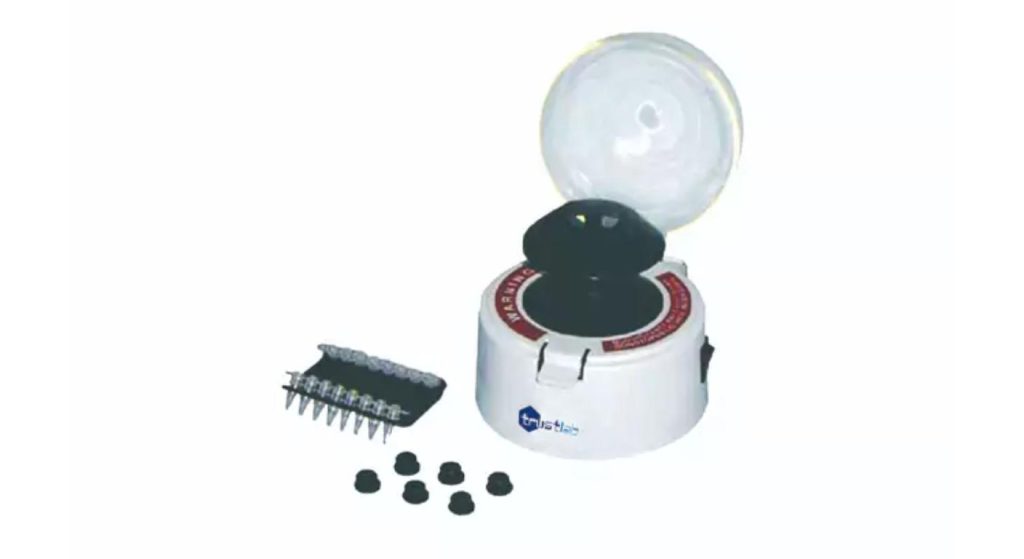
Trustlab mini centrifuge machine works with microtubes or PCR tubes with different rotor arrangements. If the proven operating range of this type of compact equipment is appropriate to the procedure then it can be considered for appropriate small volume tasks.
Match of the force, duration and temperature required to an appropriate instrument for more demanding work.
Use validated procedure, do not increase speed until sample is “separated” in appearance. If the recovered material is treated excessively or improperly, it can alter the material and comparisons between preparations may not be as reliable.
Convert Method to Rotor-Specific Conditions.
When deciding upon operating conditions, use the relative centrifugal force indicated by the method used. RCF is dependent on the rotational speed and the radius of the rotor and coping RPM from another instrument may not copy the original treatment.
Make sure to know the correct rotor reference and radius convention for any conversion. Verify the instrument, rotor, adapter and tube permitted limits and adhere to the lowest of the three limits.
There is also a need to define the duration of the run, which should be agreed upon. Identify the method as related to total elapsed time or time at the operating setpoint based on the timing behaviour of the equipment and the procedure in the laboratory.
If the method calls for acceleration or braking, make sure the instrument chosen allows for the desired control. Not all models will offer those options or the quickest stopping option will be appropriate for all separations.
Select a Container With Recovery
Sample preparation involves both spinning and retrieving material afterwards. Choose the container to be used, taking into account the initial volume, the fraction volume required, chemical compatibility and method of recovery.
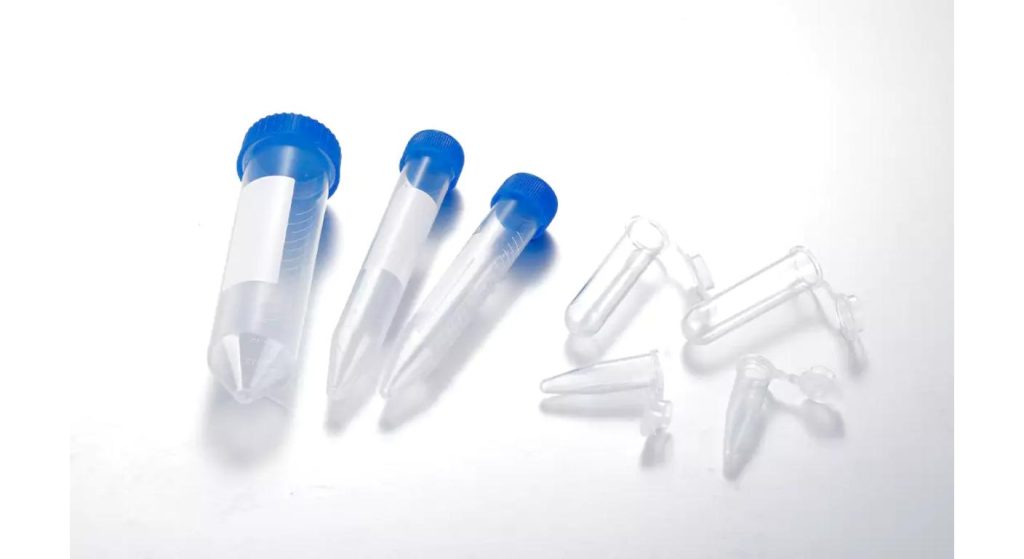
Trustlab's micro centrifuge tubes contain small volume to be used for laboratory preparation workflows. It offers larger volumes with screw cap centrifuge tubes, that offer various bottom configurations. Verify the details of size, closure and operating ratings for intended use.
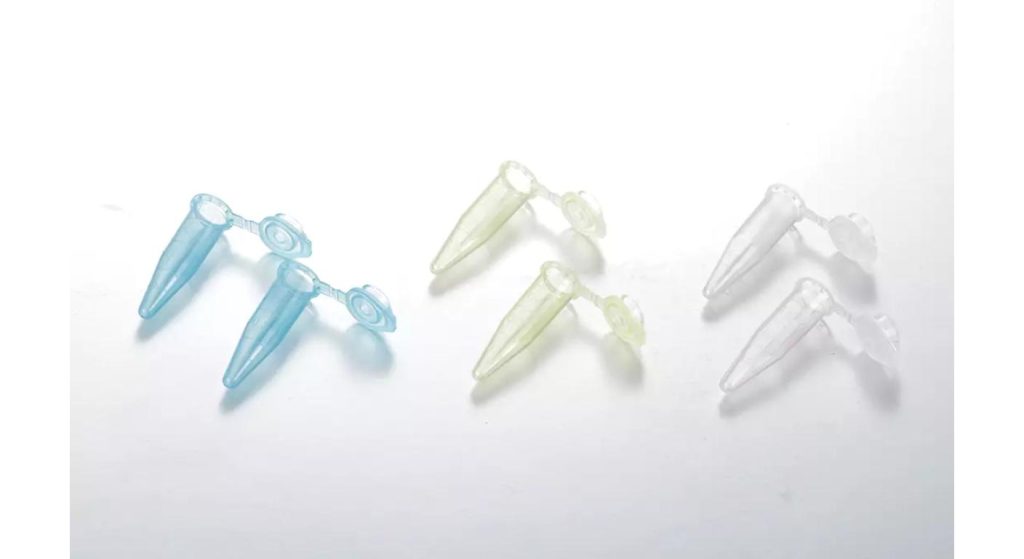
Take into account the ease of access to the target fraction. It may be hard to distinguish a small pellet; a narrow opening can be an issue in relation to pipette access.
The nominal capacity of a tube does not necessarily mean that it is the allowed fill for each tube run. Use appropriate container and rotor directions with all necessary precautions for sample density, fill level and closure.
If the Procedure requires it, Control Temperature
Preparations that are sensitive to temperature require more than a cold starting sample. Equipment selected should ensure the necessary conditions for the corresponding section of the processing.
For small-volume work, trustlab provides table-top micro-refrigerated centrifuges with controlled temperature. Consider the specific model and rotor in consideration of the intended method, not just the product category.
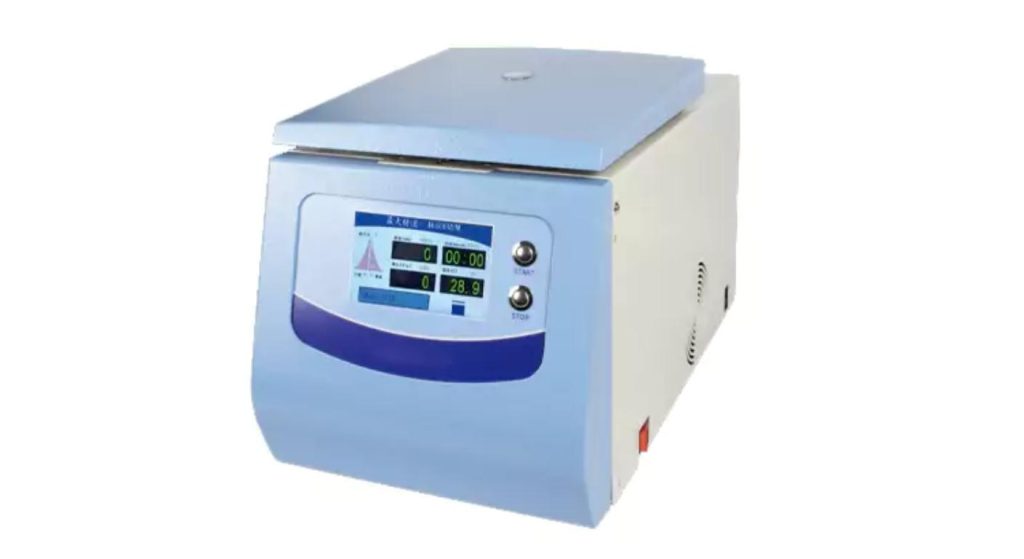
Verify pre-cooling requirements, operating conditions, and how the temperature shown is related to the measurement system of the instrument. Do not use the setpoint as a literal measurement in each sample tube.
Think about what you're going to do when you're transferring, and when you make the run. A temperature controlled procedure can be compromised if tubes are on a bench waiting for the process. Before beginning to process, set up receiving vessels and storage configuration, as per sample specific method.
Consistent loading and separation.
Before use, check tubes, closures and rotor for inspection and load according to manufacturer's instructions. Assemble and balance the complete assemblies within a tolerance by mass, and employ a symmetrical arrangement according to the requirements.
When samples have different compositions, equal volumes of liquid will not necessarily have the same mass. The assembly is also balanced with the addition of adapters, caps and other elements.
Once the rotor has come to a halt, treat tubes in such a way as to maintain the desired fraction. Any rough handling or improper braking would upset a delicate pellet or interface. Apply braking conditions, if supported by the instrument.
Use the approved transfer technique to recover the material required. Never disrupt an unwanted pellet during the collection of supernatants or keep or throw away fractions without directions. Don't make up another spin due to an uncertain recovery.
Before proceeding: Check Recovered Fraction
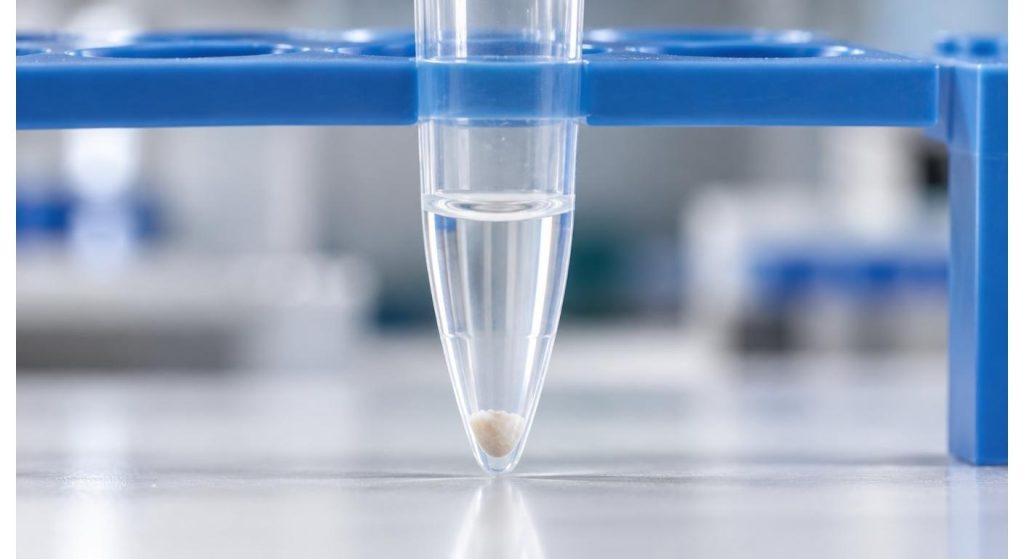
Evaluate the outcome in relation to the downstream method requires. Although appearance can be used as an indicator of information, clear liquid cannot prove purity, recovery of the analytes, sterility, or freedom from interfering substances.
Repeat treatment if endpoint is not reached; retest and review procedure if necessary. Using any further centrifugation will change recovery and should not be a “hidden” correction.
Write down the instrument, rotor, force, time, temperature, and the fraction that was retained. These details can help to identify if the separation issue is a separation issue rather than losses created in the transfer or during the subsequent handling.
Conclusion
The choice of Centrifuge for Sample Preparation should be based on the material which needs to be moved to the next step. Differentiate between spin-down and separation, verify rotor conditions and select containers that ensure safe processing and recovery.
The quality of the prepared sample is related to consistent loading, the appropriate temperature control and careful handling of fractions related to the centrifuge run. Write that down so that you can do it again and check it.
FAQs
Q1. Does a spin down count as a separation run?
No – collecting droplets does not prove that the necessary separation has taken place. Apply its designated force, time and temperature requirements.
Q2. Which pellet/supernatant should be kept?
It depends on the location of the target to be. The required fraction should be found at each step in the procedure.
Q3. Is it possible to copy the same RPM from one centrifuge to another?
Not without an inspection of rotor geometry. Match RCF and verify applicable instrument/container limits.
Q4. If the sample doesn't have a precipitate, does that mean that the sample is pure?
No. Clarity does not set the purity of chemicals, the recovery goal or fitness for subsequent analysis.
Q5. What needs to be done if recovery is inconsistent?
Check operating conditions, compatibility of containers, temperature, transfer of fractions. Investigate using the approved method prior to changing the run.