


Updated 5 months ago
DNA Specimen Observation Techniques | Laboratory DNA Analysis Guide
sidrahafeez754

DNA Specimen Observation
DNA Specimen Observation in Clinical and Research Laboratories
DNA specimen observation is one of the most important assumptions of modern biological science. It is the science of genetic material at a molecular and cellular level in order to understand structure, function, variation, and patterns of heredity. In simple terms, it helps scientists to visualize the invisible code of life.
The application of DNA observation techniques is now trendy in clinical genetics, forensic science, biotechnology, and molecular diagnostics. The process of detecting diseases to tracing of ancestry all begin with an appropriate analysis of a DNA specimen.
Modern laboratory tools, such as genome sequencing observation systems, molecular diagnostic observation platforms, and high-resolution genetic imaging techniques, are employed to ensure that the results of modern laboratories are accurate.
What Happens When DNA is Being Looked at?
When conducting DNA analysis in the laboratory, scientists follow a systematic workflow to ensure accuracy and reliability. This includes:
- Biological sample collection.
- DNA purification and extraction.
- Microscopic specimen evaluation
- Molecular structure observation
- Genetic data interpretation
All these are part of the laboratory DNA observation methods, where every procedure is highly controlled to prevent contamination and ensure a high-quality DNA sample analysis.
Step-by-Step DNA Sample Observation Process
The DNA sample observation process begins with careful specimen collection and preservation to prevent contamination. The sample is then prepared and extracted to isolate DNA. Next, amplification techniques like PCR are used, followed by visualization through electrophoresis or imaging. Finally, results are analyzed and interpreted for accurate genetic identification or diagnosis.
Sampling and Sample Preparation
The process begins with collecting biological evidence such as blood, saliva, or tissue. High-quality tools include sterile swabs. An example is Trustlab, which has special collection tools such as the following:
These tools simplify the work with genetic samples and help to maintain the integrity of samples during transportation.
DNA Isolation and Extraction
This involves breaking up cells to release nucleic acids. Scientists use biochemical methods to isolate DNA and remove proteins and contaminants.
The most significant semantic methods are:
• Isolation and staining of DNA.
• detection of nucleic acid in the laboratory.
• biochemical specimen inspection
Molecular DNA Analysis Techniques
Once extracted, the DNA is then exposed to the advanced equipment, such as PCR machines and sequencing systems. This helps in screening and detection of mutations in the genome.
Microscopic Specimen Evaluation
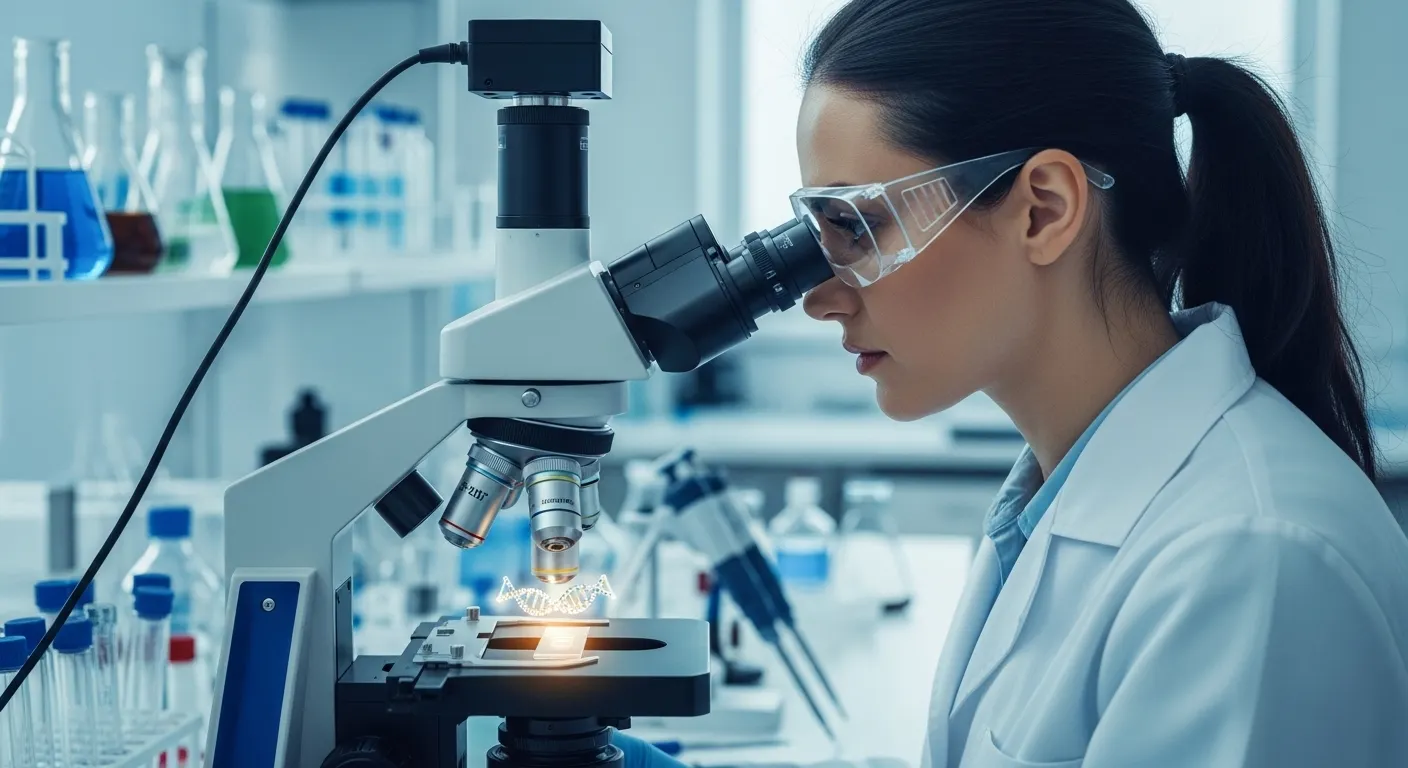
DNA is microscopic, though using advanced imaging methods, scientists can perform microscopic DNA structure analysis, which can help to visualize the patterns and abnormalities of chromosomes.
Genetic Data Interpretation
The final step is to convert raw data into valuable biological data. This includes:
- Hereditary pattern identification
- Analysis of DNA mutations.
- learn how genetic variation occurs.
DNA Observation in Modern Science
Molecular Diagnostic Observation
The technique helps in the detection of diseases at the genetic level. It is usual in clinical genetic testing procedures and genetic observation on the basis of pathology.
Genome Sequencing Observation
Next-generation sequencing allows researchers to study entire genomes within a limited time. This is useful in real-time genetic analysis systems used in advanced laboratories.
DNA Specimen Analysis
This is a method of criminal investigation, and it is employed to determine individuals based on highly accurate DNA profiling methods.
Bioinformatics DNA Analysis
Large genetic datasets are processed with the help of computational tools, which increases the accuracy of molecular biology observation procedures and research.
Clinical and Laboratory DNA Observation
DNA Specimen Observation is a significant aspect in healthcare and diagnostics. It supports:
• Clinical genomics assessment
• Disease-related DNA analysis
• Patient DNA profiling techniques.
• DNA analysis and observation in the laboratory.
Hospitals and diagnostic centers apply molecular diagnostics techniques to help physicians early detect genetic diseases and develop personalized therapy.
Importance of DNA Specimen Observation in Genetics
Not only is DNA observation a scientific process, but it is a window to the knowledge of life as such.
Key Importance Areas:
• Identifies hereditary diseases
• Supports genetic counseling
• Helps in precision medicine.
• Improves forensic identification
• Enhances biotechnology research
Through genetic material analysis and chromosomal structure analysis, scientists are able to understand how the traits are passed on to the generations.
Advanced Technology in the Observation of DNA Specimens
Modern laboratories have highly advanced systems that include:
- DNA analysis using AI.
- High-resolution genetic imaging.
- Next-generation sequencing observation platforms.
- Molecular diagnostic systems that are automated.
These technologies improve speed, accuracy, and reliability in DNA sample analysis.
Laboratory Materials to Help in the Observation of DNA
Laboratory equipment should be of good quality to provide accurate results. The tools used to observe DNA samples are:
- Sterile swabs to sample.
- DNA separation centrifuges.
- PCR amplification machines.
- sequencing devices for genome analysis.
An aluminum swab product of Trustlab, which can be used extensively in clinical observation of DNA specimens because of its capacity to ensure clean and reliable collection of samples. These instruments make it easier to perform biomedical DNA sample observation processes and reduce the risk of contamination.
Analytical and Research-Based DNA Observation
In research laboratories, DNA is studied with:
• Genomic research techniques
• Molecular biology observation.
• Bioinformatics DNA analysis
• Hereditary pattern identification
These techniques allow scientists to explore genetic variation and evolutionary biology.
The Future of DNA Specimen Observation
DNA analysis is moving towards artificial intelligence and automation. We are entering into an era of:
• Real-time genetic analysis systems.
• AI-driven genome interpretation
• Ultra-fast sequencing platforms
• personalized genetic medicine
This will make DNA specimen observation more accessible, accurate, and effective in healthcare and research.
Conclusion:
DNA specimen observation is not only a laboratory process, but it is a journey to the blueprint of life. It is a science-meets-real-world-medical-discovery, beginning with genetic material analysis, through advanced techniques of molecular observation. DNA analysis is faster, smarter, and more precise with the advancement of technology. Trustlab continues to develop this science using quality laboratory equipment and solutions based on innovation.
Trustlab offers solutions that can assist you in streamlining your laboratory process or enhancing the precision of specimen collection. Learn more today.
Visit the site of Trustlab-China.com and get to know the high-tech equipment that is applicable to enable high-precision DNA Observation in the framework of contemporary science and diagnostics.