


Updated 3 weeks ago
Fluoride Oxalate Tube Manufacturer for Glucose Sample Collection
trustlabofficial

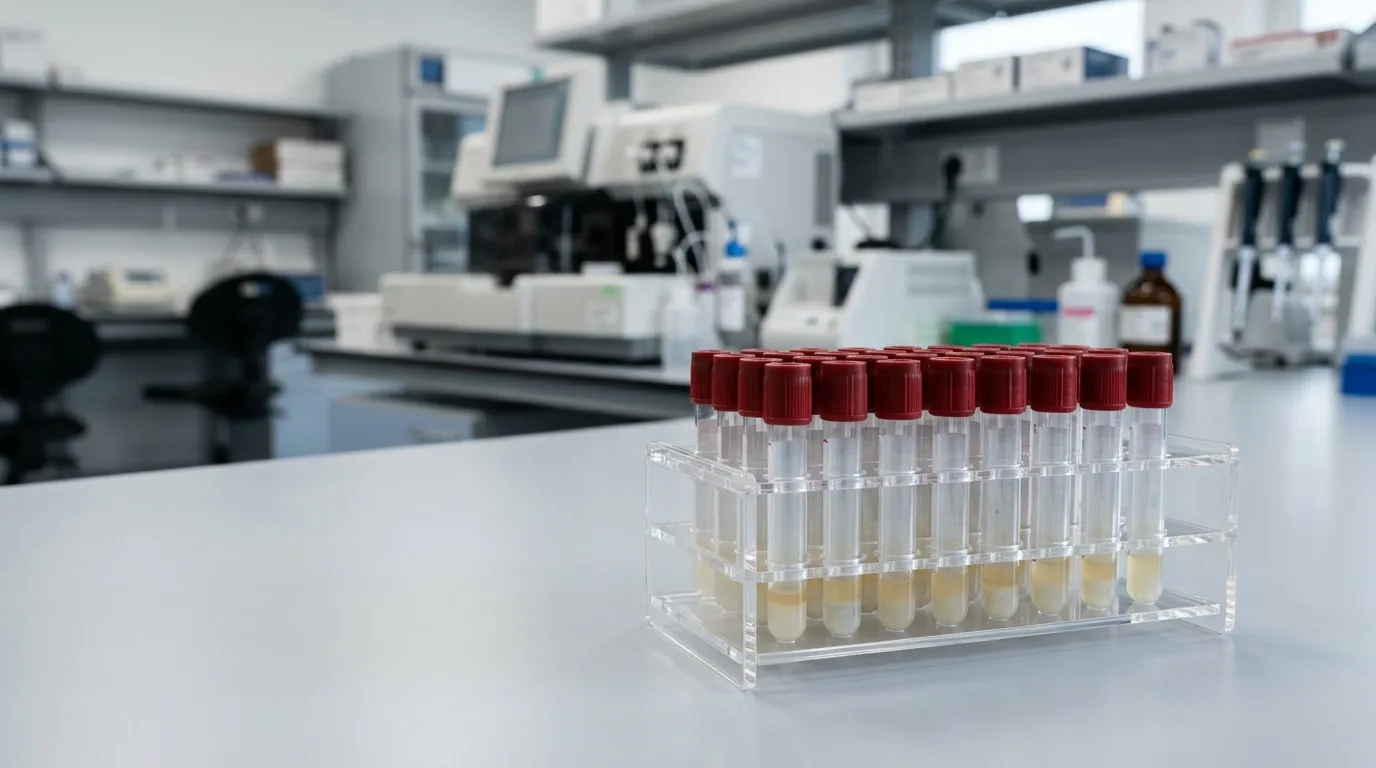
Gray-top fluoride oxalate blood collection tubes upright in a laboratory rack for glucose sample collection.
Trustlab manufactures gray-top fluoride oxalate blood collection tubes designed for glucose sample collection. These tubes contain two essential additives—sodium fluoride and potassium oxalate—that work together to preserve blood samples for accurate glucose testing. This page explains how these tubes function, what specifications to verify with any manufacturer, and how to evaluate suppliers before placing an order.
As part of our blood collection systems, Trustlab offers fluoride oxalate tubes for clinical laboratories, hospitals, and diagnostic distributors worldwide. Whether you need standard configurations or OEM/private-label production, understanding the technical requirements before procurement helps ensure you receive tubes that perform reliably in your specific application.
What Is a Fluoride Oxalate Tube?
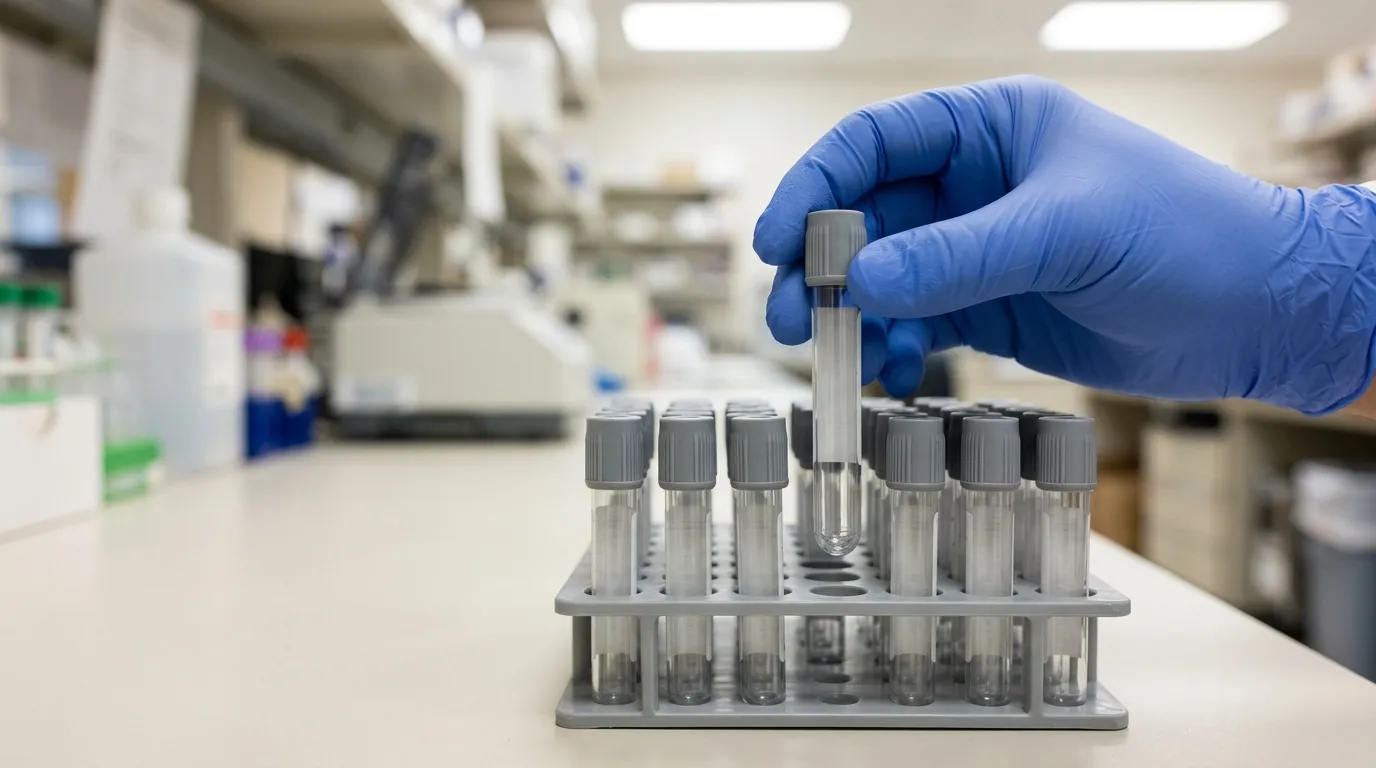
A fluoride oxalate tube is a blood collection tube with a gray cap that contains two dry additives:
- Sodium fluoride (NaF) — a glycolysis inhibitor that preserves glucose in the sample
- Potassium oxalate (K₂C₂O₄) — an anticoagulant that prevents blood from clotting
When blood enters the tube, the potassium oxalate binds calcium ions to prevent coagulation. The sodium fluoride stops the blood cells from consuming glucose, which would otherwise lower glucose measurements over time. This combination makes gray-top tubes the standard choice for glucose and lactate testing in clinical laboratories.
The gray cap color follows international color-coding conventions for blood collection tubes. Laboratories use this system to quickly identify tube contents and ensure the correct additive for each test requirement.
How Sodium Fluoride Preserves Glucose
Sodium fluoride works by inhibiting enolase, an enzyme in the glycolysis pathway. Glycolysis is the process by which cells break down glucose for energy. After blood collection, red blood cells continue to consume glucose. Without intervention, glucose levels in a blood sample can decline measurably within hours.
By blocking enolase, sodium fluoride halts this cellular glucose consumption. The glucose concentration in the sample remains stable, allowing laboratories to obtain accurate measurements even when analysis is delayed.
The typical concentration range for sodium fluoride in blood collection tubes is 2–4 mg per milliliter of blood, with potassium oxalate at 1–3 mg per milliliter. These ranges come from published manufacturing patents and represent common industry formulations—individual manufacturers may specify different concentrations, so buyers should always request the exact specification sheet from their supplier.
Applications for Fluoride Oxalate Tubes
Fluoride oxalate tubes serve specific diagnostic purposes. According to regulatory documentation and manufacturer product information, these tubes are intended for:
- Glucose determination — the primary application, used in diabetes screening, glucose tolerance testing, and routine blood glucose monitoring
- Lactate determination — a secondary application for measuring lactic acid levels in conditions such as sepsis, shock, or exercise physiology studies
The United States Food and Drug Administration (FDA) reviewed BD's fluoride blood collection tubes for these intended uses, establishing glucose and lactate determination as recognized applications for this tube type. Major manufacturers including Greiner Bio-One list the same intended uses for their sodium fluoride/potassium oxalate product lines.
Important limitation: Fluoride oxalate tubes are not suitable for HbA1c testing. HbA1c measurements require EDTA tubes with lavender caps, as the fluoride/oxalate additive combination does not support the required assay methodology. Laboratories should follow established collection protocols for each test type.
Another consideration: dry additives in blood collection tubes can interfere with certain downstream assays. Researchers have documented that sodium fluoride and potassium oxalate may affect ion-selective electrode measurements and some enzymatic methods. If your laboratory runs assays beyond glucose and lactate using these tubes, validation against your specific analyzer is recommended.
Specifications to Verify with Your Manufacturer
Before ordering fluoride oxalate tubes from any manufacturer, request the complete specification sheet and compare it against your laboratory's requirements. The table below shows the key parameters to verify:
| Specification | Typical Industry Range | Buyer Action |
|---|---|---|
| Nominal volume | 2 mL, 3 mL, 4 mL, 5 mL | Confirm the exact volume(s) your laboratory uses |
| Tube material | PET (plastic) or glass | PET is shatter-resistant and common for export; glass offers specific handling properties |
| Cap color | Gray | Verify color consistency across batches |
| Sodium fluoride concentration | 2–4 mg/mL blood (typical) | Request exact mg/tube from manufacturer |
| Potassium oxalate concentration | 1–3 mg/mL blood (typical) | Request exact mg/tube from manufacturer |
| Sterility status | Sterile or non-sterile per product specification | Request sterility certificate if product is marked sterile |
| Shelf life | Varies by manufacturer | Request documented shelf life for inventory planning |
| Mixing requirement | 8–10 gentle inversions | Confirm mixing instructions in the IFU |
| Centrifugation | Typically 1,300 × g for 10 minutes | Confirm recommended parameters before method validation |
| Packaging | 100 tubes/rack or similar | Confirm packaging configuration and case quantity |
PET (polyethylene terephthalate) is the most common material for fluoride oxalate tubes in current manufacturing. It provides durability during transport and eliminates the breakage risk associated with glass tubes. However, some laboratories still specify glass for specific applications or regulatory requirements. Your manufacturer should clearly state the material for each product variant.
Mixing and centrifugation parameters directly affect test accuracy. Most manufacturers recommend 8–10 gentle inversions immediately after blood collection to ensure the additives dissolve fully into the sample. Centrifugation separates plasma from cells before analysis—typically at 1,300 × g for 10 minutes—but the exact parameters should be specified in the manufacturer's instructions for use (IFU).
Request the IFU and product specification sheet during supplier evaluation. These documents contain the handling, storage, and performance information your laboratory needs for validation.
Quality and Documentation: What Buyers Must Request
Buyers evaluating fluoride oxalate tube manufacturers often encounter vague certification language. "CE certified," "ISO compliant," and "medical grade" appear across supplier websites without clear meaning. Understanding the documentation hierarchy prevents costly procurement errors.
ISO 13485 is a quality management system (QMS) certification at the company level. It confirms that the manufacturer has implemented a quality management system for medical devices, covering processes such as design control, production, and complaint handling. ISO 13485 does not mean that every product from that manufacturer is individually certified, CE-marked, or approved for specific diagnostic use. A company-level QMS certificate must never be interpreted as product-level regulatory approval.
CE marking is product-specific and jurisdiction-specific. It indicates that a product conforms to applicable European Union regulatory requirements at the time of assessment. Buyers should request the CE declaration of conformity for the exact tube product they intend to purchase—not a general company statement.
When evaluating a manufacturer, request the following documentation:
| Document | What It Confirms | Why You Need It |
|---|---|---|
| ISO 13485 certificate | Company-level QMS implementation | Baseline quality system verification |
| CE declaration of conformity (if claiming CE) | Product-specific EU regulatory conformity | Confirms regulatory status for the exact tube |
| IFU (Instructions for Use) | Handling, storage, mixing, centrifugation, intended use | Must match your laboratory protocols |
| Product specification sheet or PSDS | Additive concentration, material, volume, dimensions, packaging | Confirms technical compliance with your procurement requirements |
| Sterility certificate (if tube is marked sterile) | Batch-specific sterility assurance | Required for sterile product lines |
| Certificate of Analysis (COA) | Batch-specific quality test results | Confirms each shipment meets specification |
The distinction between company-level and product-level documentation matters. An ISO 13485 certificate demonstrates that the manufacturer maintains a quality system—it does not prove that a specific tube product has passed regulatory review for sale in any particular market. For regulatory compliance, request the product-specific declaration of conformity and registration documents for your destination market.
Laboratory accreditation is another separate claim. ISO 15189 accreditation applies to medical laboratories, not to tube manufacturers. If a manufacturer website mentions laboratory accreditation, verify what entity holds that accreditation and what scope it covers.
For a more detailed supplier evaluation framework, see our guide on how to evaluate blood collection system supplier quality.
Procurement Path: Samples, OEM, and Export Requirements
Once you have a complete specification list, the procurement process for fluoride oxalate tubes follows a standard B2B workflow.
Step 1: Request product documentation. Before requesting samples, obtain the specification sheet, IFU, and available certificates. Review them against your laboratory's requirements to confirm the tube configuration is suitable.
Step 2: Request samples. Most medical device manufacturers provide samples for evaluation. Request a small quantity that matches your target configuration—volume, material, and packaging. Sample evaluation should include testing on your laboratory's analyzers to confirm compatibility.
Step 3: Evaluate the samples. Test the samples using your standard glucose and lactate protocols. Verify mixing performance, centrifugation behavior, and measurement accuracy. Document the results for your procurement record.
Step 4: Confirm commercial terms. After sample approval, discuss pricing, minimum order quantities (MOQ), packaging configuration, and lead time. MOQ varies by manufacturer and product type—no standard industry figure applies across all suppliers.
Step 5: Finalize OEM specifications. If you require private-label packaging, specify your labeling requirements, packaging design, and any custom barcode or catalog identifiers. Trustlab supports OEM manufacturing for vacuum blood collection tubes and related collection products. Custom labeling, packaging configuration, and export carton specifications should be confirmed in writing before production.
Export logistics. For international distribution, confirm the manufacturer's export experience, packaging robustness for your shipping route, and any destination-market documentation requirements. You may need additional registration documents for the tube product in your target market.
When preparing a Request for Quotation (RFQ), include: product specifications (volume, material, cap color), additive concentration requirements, annual quantity estimates, packaging preferences, destination country, and required documentation. This reduces back-and-forth and ensures the manufacturer quotes the correct configuration.
How to Evaluate a Fluoride Oxalate Tube Supplier
Supplier selection depends on more than price. A reliable manufacturer should demonstrate consistent quality across documentation, samples, and commercial communication.
Verify documentation before samples. Request certificates and technical documents in the initial inquiry. A reputable manufacturer should provide these without hesitation. If documentation is vague, delayed, or does not match the claimed product scope, treat that as a risk signal.
Request samples for QC verification. Sample testing protects your laboratory from batch-to-batch inconsistency. Verify that the sample tubes meet the specification sheet, handle correctly on your equipment, and produce accurate glucose readings.
Ask about quality control processes. A manufacturer's quality system should cover raw material sourcing, in-process inspection, and final release testing. You may request an overview of these processes during supplier qualification, though detailed proprietary information may be confidential.
Evaluate export experience. For international buyers, ask about shipping experience to your region. Confirm packaging standards, export documentation, and any regulatory filings the manufacturer maintains for destination markets.
Confirm certificate scope. When a manufacturer mentions ISO 13485 or CE marking, verify that the certificate covers the product you intend to purchase, and that the certifying body is accredited. The certificate itself should list the applicable scope.
For a broader evaluation framework covering production capacity, logistics, and supplier due diligence, see our guide on how to evaluate blood collection system supplier quality. Trustlab also offers a range of different types of vacuum blood collection tubes beyond the fluoride oxalate line, including EDTA, citrate, and serum separator tubes.
Frequently Asked Questions
What color tube is used for glucose testing?
Gray-top tubes are the standard for glucose testing. The gray cap indicates the tube contains sodium fluoride and potassium oxalate, which preserve glucose in the blood sample.
How many times should a fluoride oxalate tube be inverted?
Fluoride oxalate tubes should be inverted gently 8–10 times immediately after blood collection. This ensures the blood mixes thoroughly with the dry additives.
Can fluoride oxalate tubes be used for HbA1c testing?
No. HbA1c testing requires EDTA tubes with lavender caps. The fluoride/oxalate additive combination does not support HbA1c assay methodology.
Contact Trustlab for Specifications and Samples
Trustlab manufactures fluoride oxalate tubes for glucose sample collection and supports OEM configurations for medical distributors worldwide. If you are evaluating suppliers for gray-top tubes, request our product specification sheet and current documentation by contacting our sales team.
Prepare your RFQ with the specifications that matter for your application—volume, material, packaging, and destination country. We will respond with product details, sample availability, and commercial terms for your review.
Contact the Trustlab sales team to begin your fluoride oxalate tube procurement evaluation.