



general laboratory test
When looking at lab test results, it can be difficult to identify the meaning behind all those numbers, highlighted values and abbreviations, when you're just staring at a page of it. Knowing some of the basics of routine laboratory tests, though, can give you great insight into your health and provide you with a healthier discussion with your health care professional.
One of the most important tools for modern medicine is lab tests. They aid physicians in diagnosing infection, controlling chronic disease, assessing organ function and detecting disease in its early stages before symptoms develop. Blood tests offer valuable information on your body's function and health as you might need them for an annual wellness checkup or if you have an emergency.
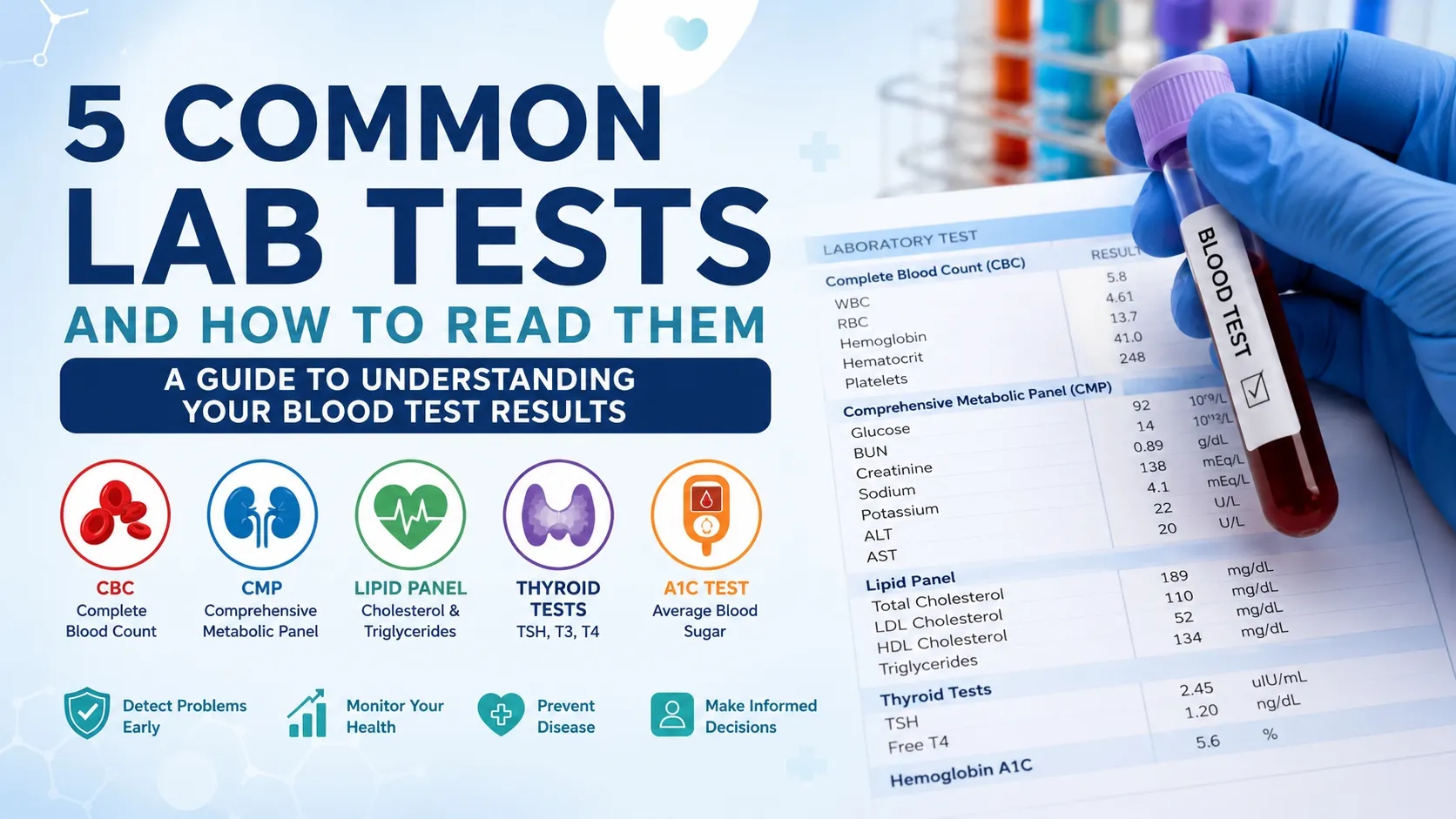
This guide discusses five of the most frequent lab tests, what their results indicate and how they should be interpreted in an easy-to-understand and beginner-friendly way.
Why Lab Tests Matter
Blood and laboratory tests give you a picture of your general health. Lab tests are ordered frequently to:
- Detect infections and inflammation
- Monitor diabetes and cholesterol levels
- Evaluate liver and kidney function
- Check for nutritional deficiencies
- Assess heart health
- Monitor medications and treatments
A large number of routine tests are available as panels, which enable the assessment of several body systems in a single test. An abnormal test does not necessarily indicate something is severely amiss, but trends over time can provide a lot of information about health.
1. Complete Blood Count (CBC)
One of the most commonly ordered blood tests is known as the Complete Blood Count (CBC). It counts the levels of all blood cells, such as red blood cells, white blood cells, and blood platelets.
What a CBC Measures
A CBC typically includes:
- Red Blood Cells (RBCs): Carry oxygen throughout the body
- White Blood Cells (WBCs): Help fight infections
- Hemoglobin (Hgb): Oxygen-carrying protein in red blood cells
- Hematocrit (Hct): Percentage of blood made up of red blood cells
- Platelets: Help blood clot properly
What Abnormal Results May Mean
High White Blood Cell Count
A high WBC count may indicate:
- Infection
- Inflammation
- Stress
- Immune system disorders
Low Hemoglobin or Hematocrit
Low levels can suggest:
- Anemia
- Iron deficiency
- Blood loss
- Nutritional deficiencies
Low Platelet Count
This may increase bleeding risk and can be associated with:
- Viral infections
- Autoimmune conditions
- Bone marrow disorders
CBC testing is often the first step doctors use to investigate fatigue, weakness, fever, or unexplained symptoms.
2. Comprehensive Metabolic Panel (CMP)
CMP test is used to check the metabolic and organ functions. Tests electrolytes, blood sugar, kidney and liver enzymes.
Key Components of a CMP
Glucose
Measures blood sugar levels.
- High glucose may indicate diabetes or prediabetes
- Low glucose can result from fasting, medications, or metabolic conditions
Sodium and Potassium
These electrolytes help regulate hydration, nerves, and muscle function.
Abnormal levels may point to:
- Dehydration
- Kidney disease
- Hormonal imbalances
- Medication side effects
Creatinine and BUN
These markers help evaluate kidney function.
Elevated levels may suggest:
- Kidney dysfunction
- Dehydration
- High protein intake
ALT and AST
These liver enzymes rise when liver cells are damaged.
High levels can occur due to:
- Fatty liver disease
- Alcohol use
- Hepatitis
- Medication-related liver stress
CMP panels provide a broad overview of overall health and are commonly included in annual physical exams.
3. Lipid Panel
A lipid panel measures fats in the blood and helps assess cardiovascular risk.
Main Components of a Lipid Test
Total Cholesterol
Measures the overall amount of cholesterol in the blood.
LDL Cholesterol (“Bad” Cholesterol)
High LDL levels can contribute to plaque buildup in arteries.
HDL Cholesterol (“Good” Cholesterol)
HDL helps remove excess cholesterol from the bloodstream.
Triglycerides
These are another type of blood fat linked to heart disease risk.
How to Interpret Lipid Results
High cholesterol may increase the risk of:
- Heart disease
- Stroke
- High blood pressure
Doctors often recommend lifestyle changes such as:
- Improving diet
- Increasing exercise
- Reducing sugar intake
- Quitting smoking
In some cases, cholesterol-lowering medications may also be prescribed.
Because cardiovascular disease remains one of the leading causes of death worldwide, lipid testing is considered a critical preventive screening tool.
4. Thyroid Function Tests
The thyroid gland controls metabolism, energy production, and hormone balance. Thyroid blood tests evaluate how well the gland is functioning.
Common Thyroid Tests
TSH (Thyroid-Stimulating Hormone)
This is usually the primary thyroid screening test.
T3 and T4
These hormones help regulate metabolism and energy levels.
Signs of Abnormal Thyroid Results
High TSH
Often associated with hypothyroidism, which may cause:
- Fatigue
- Weight gain
- Depression
- Cold intolerance
Low TSH
May suggest hyperthyroidism, leading to:
- Anxiety
- Weight loss
- Rapid heartbeat
- Excess sweating
Thyroid disorders are extremely common and can affect energy, mood, and overall health if left untreated. Regular monitoring helps doctors adjust medications and manage symptoms effectively.
5. Hemoglobin A1C Test
The Hemoglobin A1C test measures average blood sugar levels over the previous two to three months.
Unlike a single glucose reading, A1C provides a longer-term view of blood sugar control.
Understanding A1C Results
- Below 5.7%: Normal
- 5.7%–6.4%: Prediabetes
- 6.5% or higher: Diabetes
Why A1C Testing Matters
A1C testing helps:
- Diagnose diabetes
- Monitor treatment effectiveness
- Assess long-term glucose control
Poorly controlled blood sugar can damage:
- Blood vessels
- Kidneys
- Eyes
- Nerves
- Heart
Because diabetes often develops gradually, regular A1C screening plays a major role in early detection and prevention.
How to Read Lab Results Correctly
Many people panic when they see an “H” or “L” beside a lab result. However, it’s important to understand that reference ranges can vary between laboratories.
Key Tips for Understanding Your Results
Look at the Reference Range
Each lab provides its own normal range based on its testing methods.
Consider Trends Over Time
A single abnormal value may not be significant, but consistent changes can reveal important health patterns.
Don’t Self-Diagnose
Lab results should always be interpreted alongside symptoms, medical history, medications, and physical exams.
Ask Your Doctor Questions
Healthcare providers can explain:
- What each result means
- Whether follow-up testing is needed
- If lifestyle changes are recommended
Common Lab Test Abbreviations
Here are a few abbreviations frequently seen on lab reports:
| Abbreviation | Meaning |
|---|---|
| CBC | Complete Blood Count |
| CMP | Comprehensive Metabolic Panel |
| HDL | High-Density Lipoprotein |
| LDL | Low-Density Lipoprotein |
| BUN | Blood Urea Nitrogen |
| ALT | Alanine Aminotransferase |
| AST | Aspartate Aminotransferase |
| TSH | Thyroid-Stimulating Hormone |
| A1C | Average Blood Sugar Test |
Understanding these abbreviations makes reading lab reports much easier and less intimidating.
Final Thoughts
Lab tests are highly effective instruments that can be used by physicians for diagnosing disease, tracking chronic disease and assessing health. From a CBC to a metabolic panel, cholesterol test, a thyroid screen or an A1C test, there's a lot to understand, and doing so can help you take more of an active role in your healthcare.
Keep in mind that lab tests are just a small component of the entire problem. The levels are a little out of the normal range, but this doesn't necessarily mean that someone is seriously ill. The key first step is to share your findings with a professional health care provider who can analyze your findings in light of your medical history.
Reading the lab tests and understanding what they mean will help you feel more confident, informed and prepared when you attend your next medical appointments.