




how is cord blood collected?
Stem cells found in umbilical cord blood can be invaluable in the treatment of a range of blood and immune system disorders. Many parents are now aware of the benefits of "banking" their baby's cord blood, so it can be stored for future use. So, what happens to the cord blood? Knowing what happens can help inform parents about cord blood banking.
Collection: A Simple, Safe Process
The collection of cord blood is a simple process. The cord blood is collected immediately after the cord is clamped and cut, but before the placenta is delivered. It is a safe process for mother and baby, and takes a few minutes. The cord blood is then securely packaged and shipped to the lab.
It's important that cord blood be transported to the laboratory in controlled conditions. Maintained at an optimal temperature, the stem cells stay alive and secure until they reach the storage site.
Processing: Preserving Stem Cells Effectively
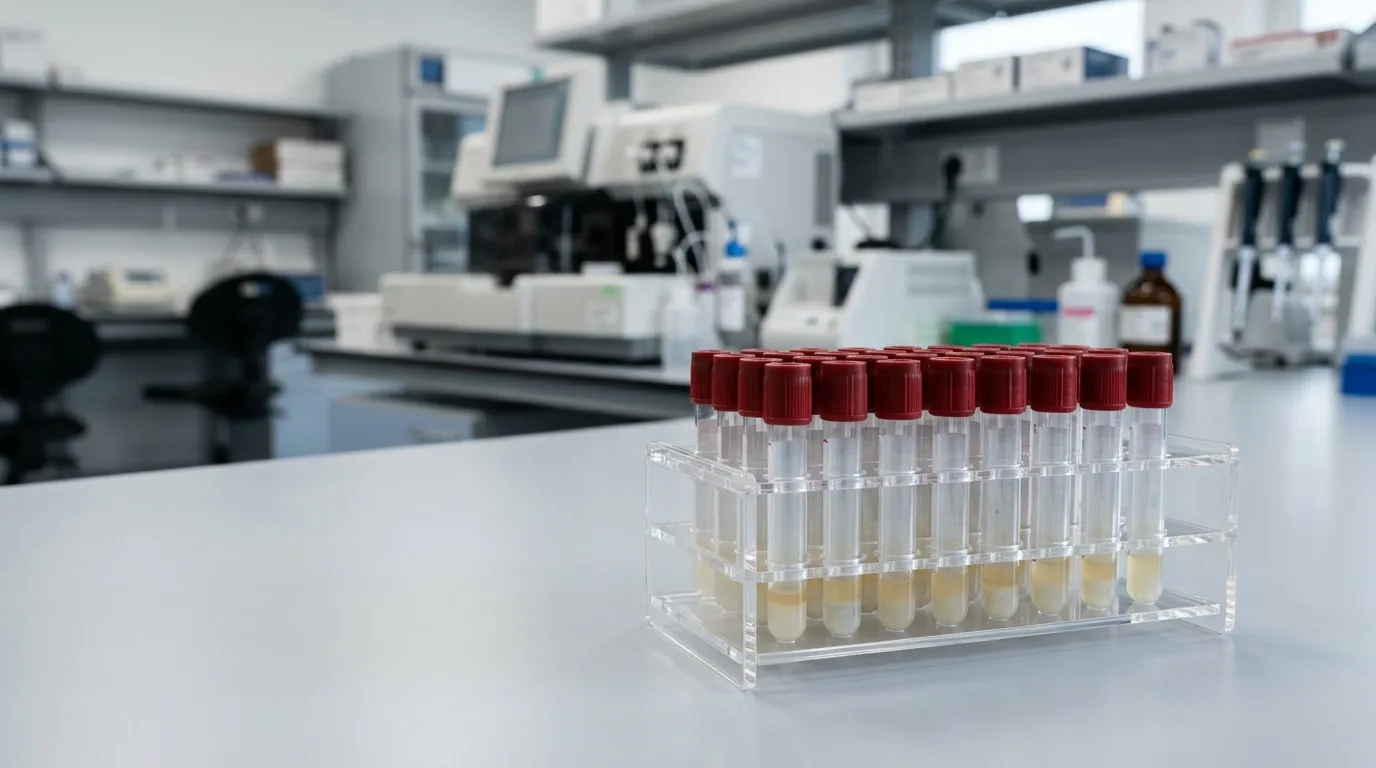
Upon reaching the lab, the cord blood is processed carefully. This involves isolating and preserving the stem cells and getting rid of unwanted parts. Here's how it works:
- Testing and Quality Check: The first step is to test the cord blood for infectious diseases and cell count. Ensuring safety and sufficient stem cell concentration is critical.
- Separation of Components: Using advanced techniques like density gradient centrifugation, the stem cells are separated from red blood cells and plasma. This step maximizes the number of stem cells preserved.
- Cryoprotectant Addition: A cryoprotectant solution is added to protect the stem cells from damage during freezing. This ensures that the cells remain viable for decades.
- Aliquoting: The processed cord blood may be divided into multiple portions to allow flexibility in future treatments, if needed.
Storage: Long-Term Cryopreservation
Once the stem cells are processed, it's time for storage. Cord blood is stored in liquid nitrogen storage tanks at less than -196°C. Low temperatures drastically slow down many of the processes that occur in cells, meaning stem cells can be preserved indefinitely.
Cord blood banks can be private (the blood is stored only for the family) or public (the blood is stored for any patient who needs it). It's important to select a high-quality storage provider with rigorous safety and quality control measures.
Why Proper Processing and Storage Matter
The processing and storage of cord blood is critical for future use of the stem cells. Processed cord blood is more likely to be effective in treating diseases such as leukemia, anemia and immune deficiencies. And secure storage ensures your investment is protected; parents can rest assured the valuable stem cells are stored correctly.
Choosing the Right Cord Blood Bank
When selecting a cord blood bank, consider the following factors:
- Accreditation and Certification: Look for banks accredited by national and international organizations for stem cell storage.
- Experience: A bank with years of experience demonstrates reliability in handling and preserving cord blood.
- Storage Infrastructure: Advanced cryogenic storage systems and rigorous monitoring protocols ensure long-term safety.
- Accessibility: Make sure you understand how and when the stored stem cells can be retrieved if needed.
Conclusion
Cord blood banking is a present of possible health protection for your baby. The collection and long-term freezing (cryopreservation) procedures are designed to optimise the stem cells' survival. By knowing how the cord blood of your baby is preserved for storage, you can make informed decisions about storing your baby's cord blood, ensuring you are taking the best steps to preserve a valuable medical resource for your child.