



how to collect blood culture?
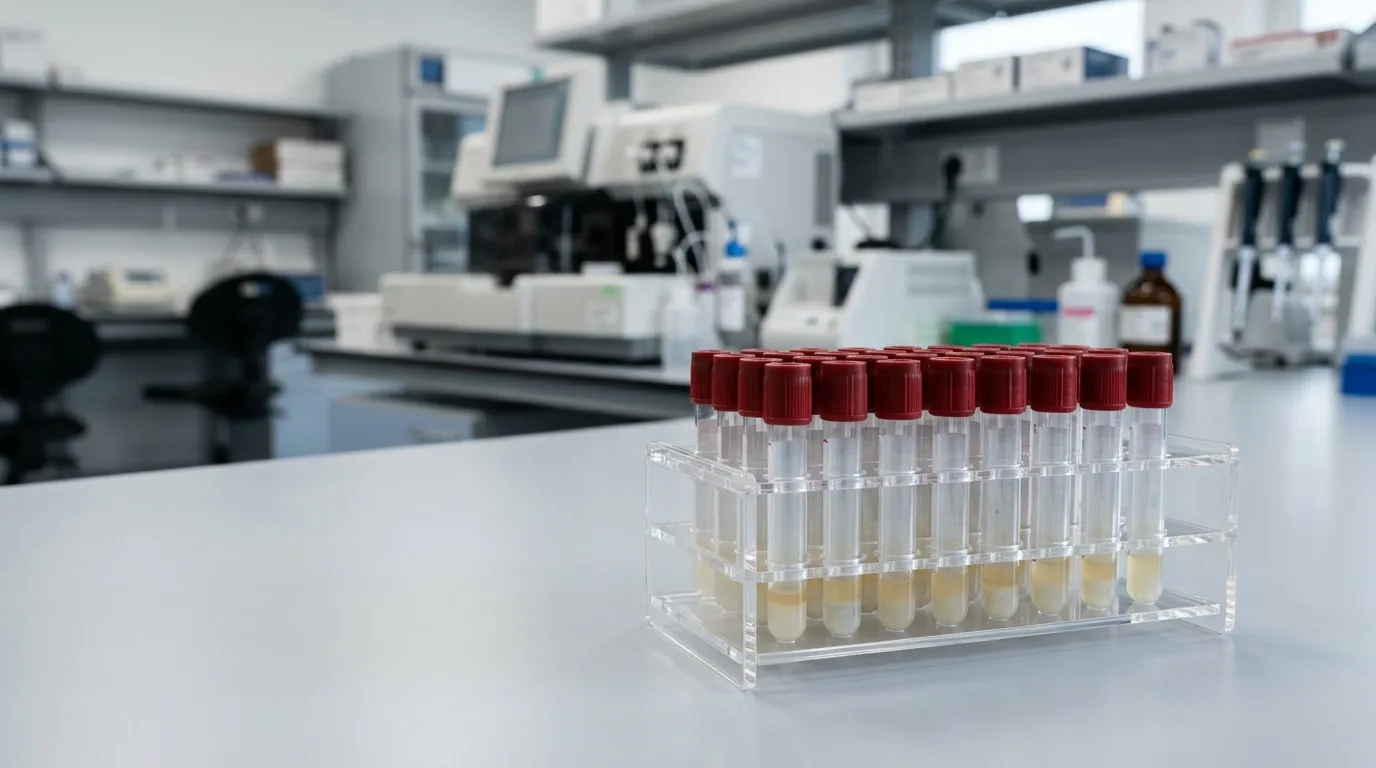
Blood culture is crucial for diagnosing bloodstream infections, facilitating targeted treatment, and enhancing patient care. Proper blood collection, transport and processing is crucial to prevent contamination and yield accurate results. This article outlines the optimal methods of blood culture collection, including patient preparation and post-collection management, for health care workers in hospitals, clinics and laboratories.
Importance of Proper Blood Culture Collection
The diagnosis of bloodstream infections (sepsis, bacteremia and fungemia) depends on the timely detection of pathogens. Blood culture tests can help health-care professionals identify the pathogens and test their antibiotic susceptibility. But incorrect collection procedures, insufficient sample volume or contamination may result in false positives or a delay in diagnosis, which can impact patient outcomes and drive up costs.
Key benefits of proper blood culture collection include:
- Accurate pathogen identification: Reduces misdiagnosis and unnecessary antibiotic use.
- Improved patient outcomes: Enables early and targeted treatment.
- Reduction in healthcare costs: Minimizes repeat testing and hospital stays.
Preparation Before Blood Collection
Before collecting blood, healthcare professionals should ensure proper patient identification and readiness. Essential steps include:
- Verify Patient Information: Confirm the patient’s full name, date of birth, and medical record number.
- Explain the Procedure: Inform the patient about the process to reduce anxiety and improve cooperation.
- Hand Hygiene and PPE: Wash hands thoroughly and wear appropriate personal protective equipment (gloves, mask, and gown if necessary).
- Check Blood Culture Bottles: Verify expiration dates and ensure bottles are at room temperature.
Selection of Venipuncture Site
Proper site selection is critical to avoid contamination. The preferred venipuncture sites include:
- Median cubital vein: Most commonly used due to accessibility and low complication risk.
- Cephalic or basilic veins: Alternative options when the median cubital vein is not available.
- Avoid sites with infection or hematoma: This prevents false-positive results.
Skin Antisepsis and Aseptic Technique
Contaminated skin is a leading cause of false-positive blood culture results. To minimize contamination:
- Clean the site with 70% isopropyl alcohol and allow it to dry completely.
- Apply a chlorhexidine-based antiseptic for optimal sterilization, especially for patients at high risk.
- Do not touch the site after cleansing to maintain asepsis.
Blood Collection Volume and Number of Sets
The volume of blood collected directly affects the sensitivity of the test:
- Adults: 20–30 mL per set, divided into aerobic and anaerobic bottles.
- Pediatrics: 1–5 mL depending on age and weight.
Collecting multiple sets from separate venipuncture sites increases the likelihood of detecting pathogens and differentiating contaminants from true infections.
Blood Culture Collection Steps
- Label Bottles Properly: Include patient details, collection time, and collector initials.
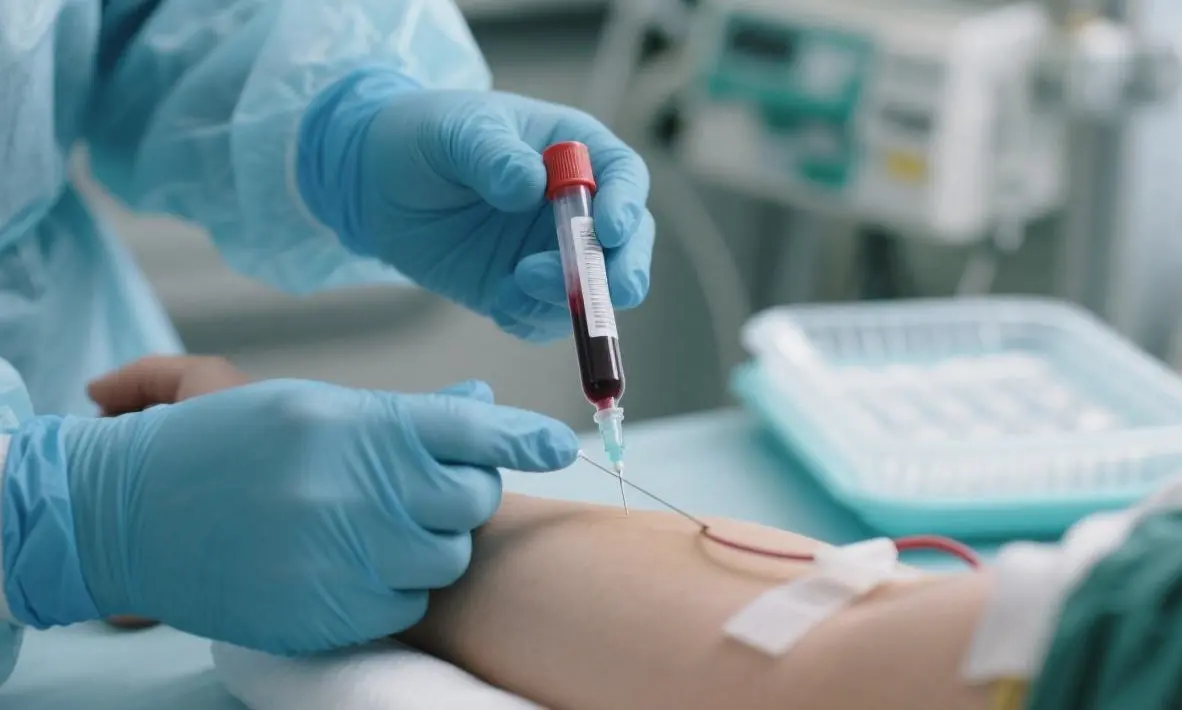
- Draw Blood Using Sterile Technique: Insert the needle and collect the recommended volume.
- Mix Bottles Gently: Invert bottles 5–10 times to mix blood with culture media.
- Transport to Laboratory Promptly: Deliver within 2 hours at room temperature or store according to laboratory guidelines.
Handling and Transport
Timely transport ensures viability of microorganisms:
- Avoid extreme temperatures: Do not refrigerate unless instructed.
- Use biohazard bags: Ensure safe handling and compliance with regulatory standards.
- Document transportation time: Helps trace delays affecting results.
Post-Collection Care
After blood draw, proper post-collection care is essential:
- Apply pressure to puncture site to prevent hematoma.
- Observe for adverse reactions such as dizziness or bleeding.
- Dispose of sharps and materials safely according to hospital policy.
Common Errors and How to Avoid Them
Blood culture accuracy depends on minimizing errors:
- Contamination: Caused by improper skin antisepsis or touching the site.
- Insufficient volume: Reduces sensitivity; always adhere to recommended volumes.
- Delayed transport: Can lead to microbial death or overgrowth of contaminants.
Special Considerations
- Patients on Antibiotics: Consider timing before the next dose to improve yield.
- Neonates and Children: Use appropriate collection techniques and smaller volume bottles.
- Multiple Site Cultures: Collect from different veins to distinguish true pathogens from contaminants.
Conclusion
Blood culture collection is a critical part of diagnosing and treating infections. Adhering to established protocols for patient preparation, aseptic collection, volume requirements and transport times, healthcare workers can achieve consistent results and improve patient outcomes. Healthcare facilities should offer ongoing education and quality assurance to reduce errors and enhance laboratory performance.