



what are the tubes called that collect blood?
Collecting blood is a vital part of medical diagnosis, research and testing. Selecting the appropriate blood collection tube is crucial for the integrity of laboratory tests and safety. There are various types of tubes, each with its own purpose, making it important for health workers, lab workers and other clinical staff to know what they are.
1. Introduction to Blood Collection Tubes
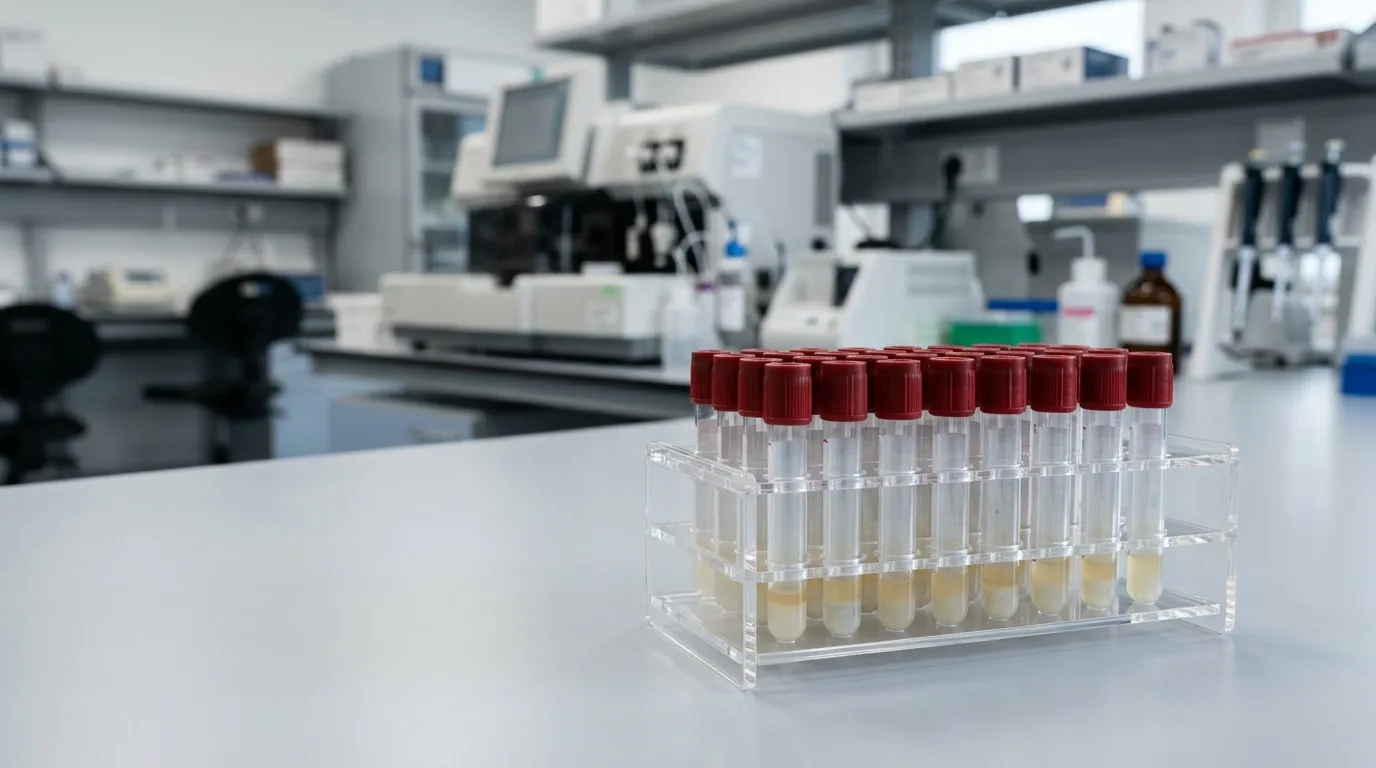
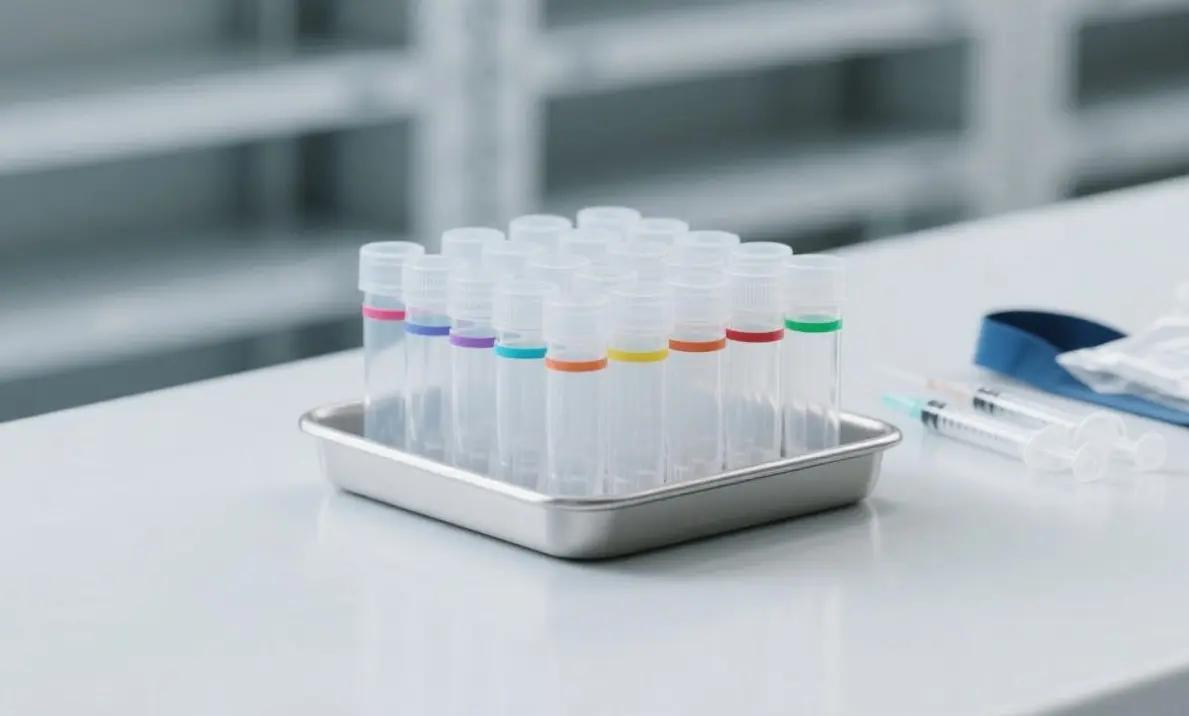
Blood collection tubes, or vacutainers, are tubes designed to hold blood samples. They preserve the sample and prevent contamination. They may contain substances like additives, anticoagulants or preservatives, depending on the requirements of the lab. The tubes are colour-coded to show what additive is present, so medical professionals can easily choose the right tube.
2. Types of Blood Collection Tubes
a) Serum Tubes
Serum tubes are used to obtain blood for serum tests. These typically contain a clot activator to promote blood clotting. The serum is then pipetted from the clot and tested for various biochemical analyses such as liver function, cholesterol and hormone levels, among others. These have cap colors such as red and gold (SST).
b) Plasma Tubes
Plasma tubes have anticoagulants added to them. This enables the collection of plasma after centrifuging blood. There are various kinds of plasma tubes:
- EDTA Tubes (Lavender Cap): Ideal for complete blood counts (CBC), molecular testing, and hematology studies. EDTA preserves cellular components effectively.
- Citrate Tubes (Light Blue Cap): Used primarily for coagulation tests such as PT and APTT. Citrate binds calcium to prevent clotting.
- Heparin Tubes (Green Cap): Suitable for plasma chemistry testing and some specialized tests like cytogenetics.
c) Blood Culture Tubes
These are used for culturing blood for the presence of bacterial or fungal infection. These tubes have media to encourage microbial growth and may include both aerobic and anaerobic bottles. Proper handling and transport is important to prevent contamination and false negatives.
d) Specialized Tubes
Some blood collection tubes are tailored for specific testing:
- Trace Element Tubes: Free from contamination, these tubes are used for measuring metals like lead or zinc in blood.
- Glucose Tubes: Contain additives to stabilize glucose levels for accurate measurement in diabetes monitoring.
- DNA/RNA Preservation Tubes: Protect nucleic acids for molecular biology testing and genetic studies.
3. Choosing the Right Tube
The choice of tube is determined by the test performed, blood volume needed and lab processing procedures. Selecting an inappropriate tube can affect sample quality and yield unreliable results. Here are some key considerations:
- Test Requirement: Verify if serum or plasma is needed. Some tests may require whole blood.
- Additives: Understand the anticoagulant or preservative required for the specific assay.
- Volume: Ensure sufficient blood is collected for all necessary tests without overfilling or underfilling the tube.
- Handling and Storage: Follow lab protocols for temperature and time-sensitive samples.
4. Advantages of Using Color-Coded Tubes
Using color-coded tubes enhances lab efficiency and accuracy. Laboratory personnel can easily recognize the tube type and additives, facilitating proper processing. The universal system helps meet laboratory accreditation standards and improves patient safety.
5. Best Practices in Blood Collection
- Always label tubes immediately after collection with patient information, date, and time.
- Use aseptic techniques to prevent contamination.
- Mix tubes gently if required to activate additives but avoid vigorous shaking.
- Transport samples according to the lab’s instructions, considering temperature and time constraints.
6. Conclusion
The variety of blood collection tubes is critical for laboratory precision, patient safety and workflow. Using the right tubes and techniques supports accurate diagnosis, whether in the hospital, clinic or laboratory. Adhering to established guidelines and selecting appropriate tubes can help health care practitioners enhance blood testing and patient outcomes.