


Updated 1 week ago
Laboratory Consumables Equipment: Plan a Connected Sample Workflow
Arafatshuvo

Laboratory Consumables Equipment
Even with reliable instruments and consumables of a good quality, a laboratory can lose time due to the lack of synergy between the two. Poor fitting of the tip, the need for a non-available adapter for the tube, or the heating block having an incompatible well configuration can disrupt regular sample preparation.
Laboratory Consumables Equipment planning should be coupled with purchases and tied in to the sample journey for lab managers and teams that are establishing new workstations. Before increasing capacity, start with the procedure, match the interfaces and make sure the whole operation is successful.
Draw the path of the Sample Trip BEFORE Products are selected!
Explain the way a sample progresses through the laboratory from the time it is received to its time being prepared, processed and stored. Determine the volume (amount) at each step and if material is moved to a different container.
This displays the relationships that shopping lists don't show. An additional benefit of increasing the number of samples processed in a single instrument is that there may be an increased need for tips, tubes, racks and space in other areas of the bench.
Identify items used in routine work that need to be replaced and items that will be in use. They need to be replenished and maintained according to different plans, both of which encourage the same procedure. A workstation is considered ready when all of the necessary accessories and supplies are available.
Use Pipettes & Tips as Working Pair.
Matching the volume range printed is not the only requirement for liquid handling. The interface between the pipette cone and the tip must allow for proper sealing, but not make it too difficult to attach or remove.
There are several volume ranges of Gilson pipette tips in polypropylene offered by Trustlab. These are intended as a guide for selection but individual purchasers should check compatibility for the actual pipette model used on the bench.
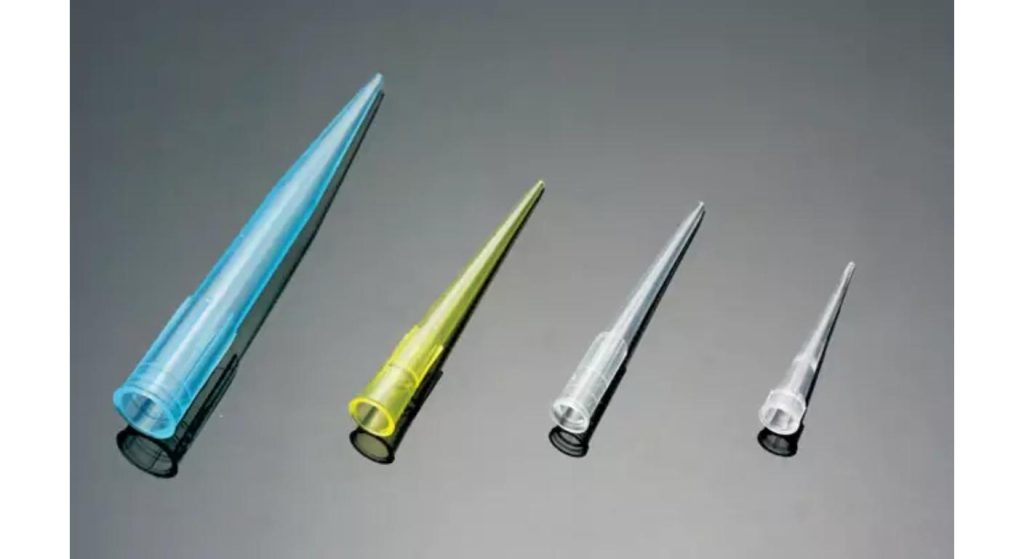
Check the proposed combination in performance checks set up by the laboratory. Watch the attachment, liquid retention, dispensing and ejection, do not just look at the suitability.
Packaging to match tasks, too. Organised access could be facilitated by racked tips, but other presentations could be appropriate for other procedures. Verify any sterility, filter or cleanliness specifications for the particular application, don't assume that all tips have the same properties.
Match Tubes to Rotors & Adapters
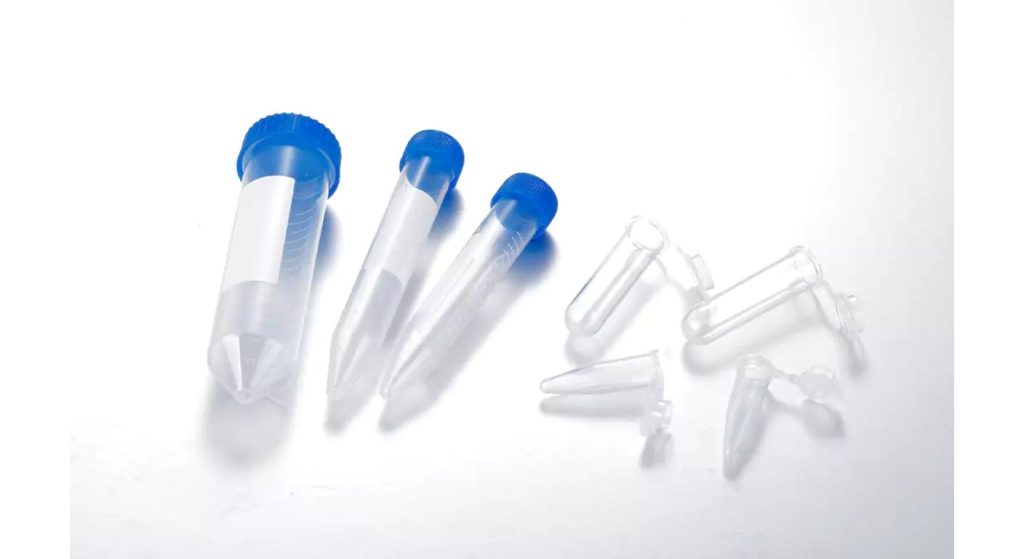
The tube, rotor, adapter and operating conditions must be agreed for the centrifugation. Compatibility does not simply exist with nominal capacity alone, but with the diameter of the tube, overall height, shape of the bottom and clearance of the cap.
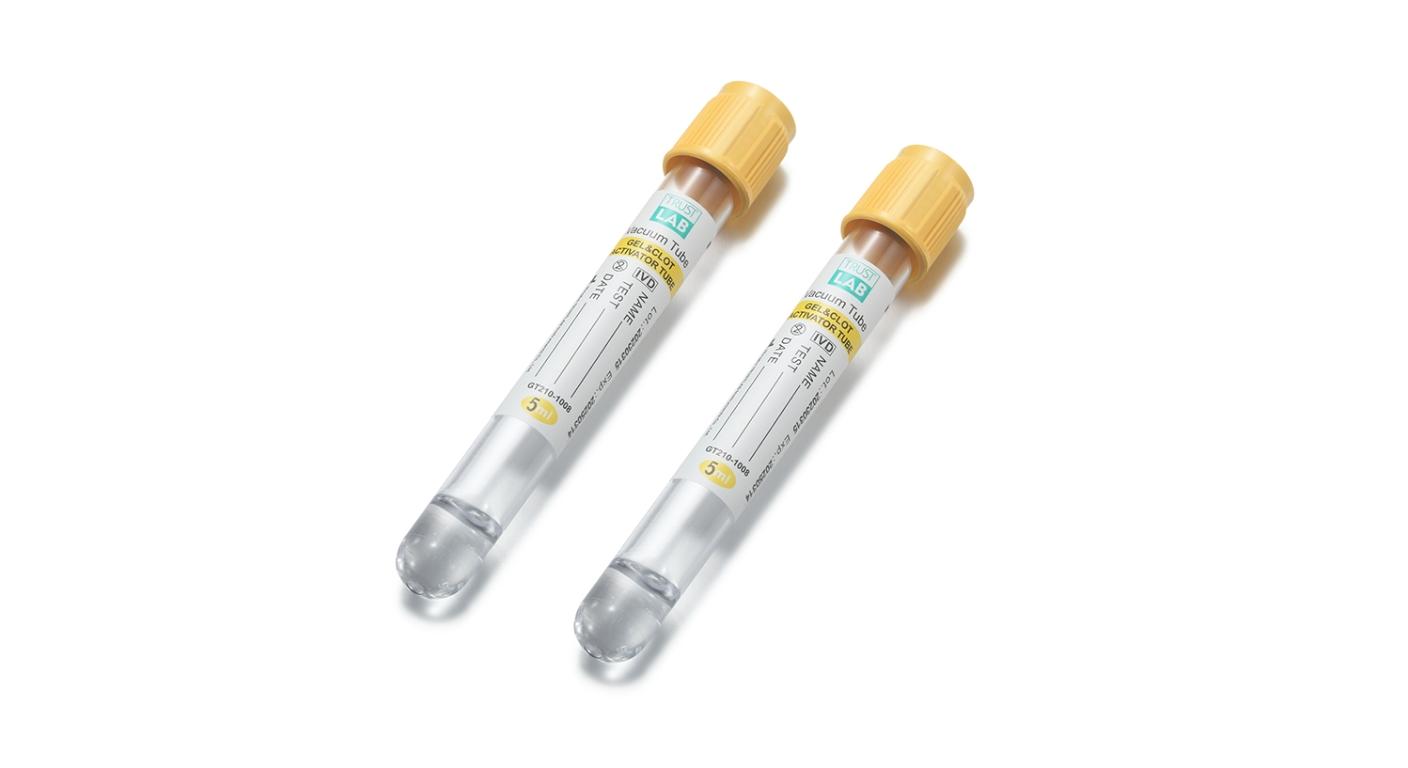
The micro centrifuge tubes are small-volume tubes for sample preparation and laboratory-related processes from Trustlab. Larger containers are available for its screw-cap centrifuge tubes, which come in conical and self-standing models. These shapes are to be verified for the use in the planned rotor and support system.
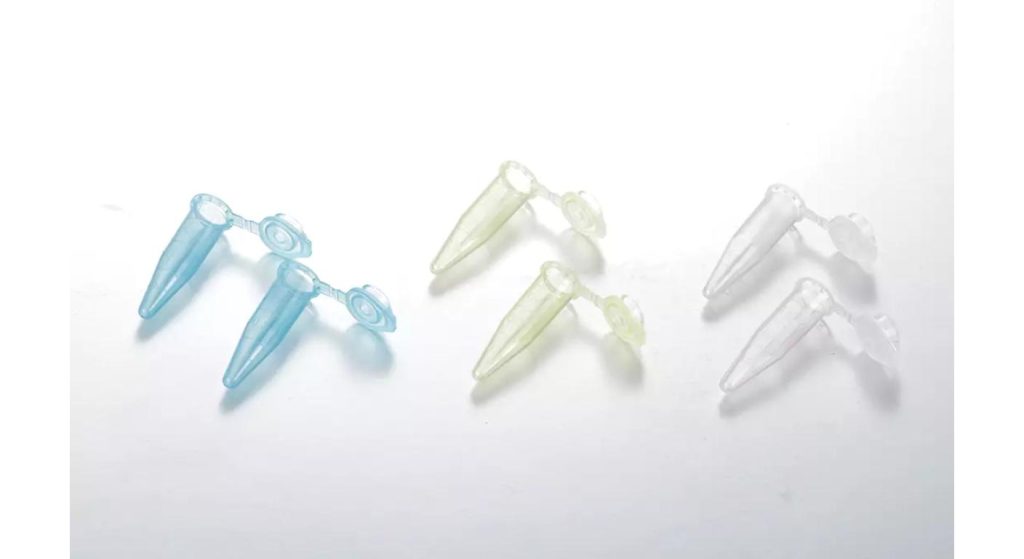
Get the allowed CF for the specific tube setup; follow the rotor instructions of the equipment manufacturer. Having a tube in place does NOT mean that it is approved for the intended run.
When comparing specifications, be sure to differentiate between centrifugal force and the speed in revolutions per minute (RPM). Always ask for confirmation if a page doesn't have all the information required to approve a combination before buying. Never assume an operating limit based on the material of the tube or material name.
Compare Heating Blocks to the actual Heating Blocks Container dimensions
Also a dry bath and their sample containers should be viewed as one. Seating and thermal contact are influenced by well diameter, well depth, and geometry of the container; caps should be of a geometry which provides adequate clearance for normal handling.
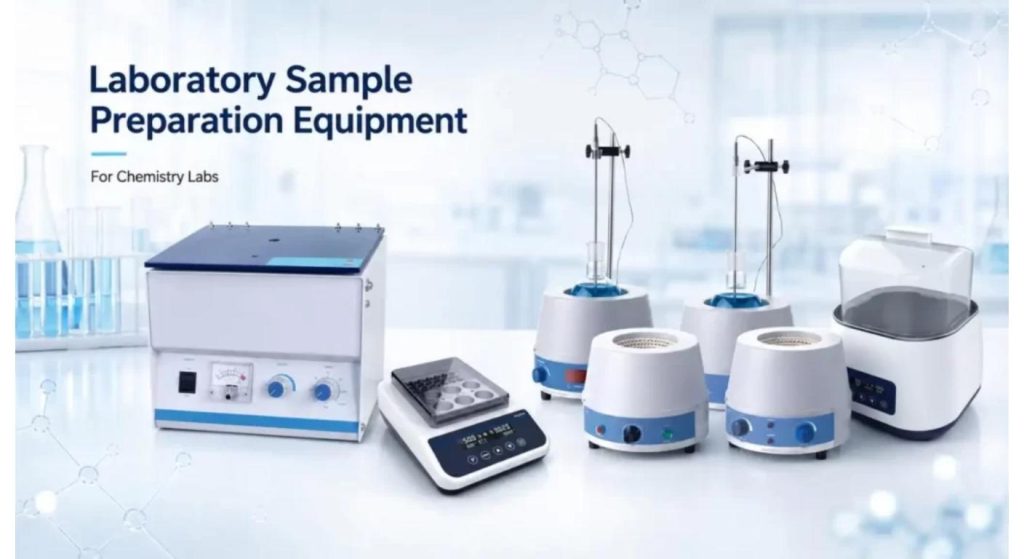
TLHB60-S lab mini dry bath is one of the small heating devices used in the laboratory. Please make sure that any block configuration listed is correct, and that the container formats it supports are listed, before ordering, don't assume pictured accessories are included.
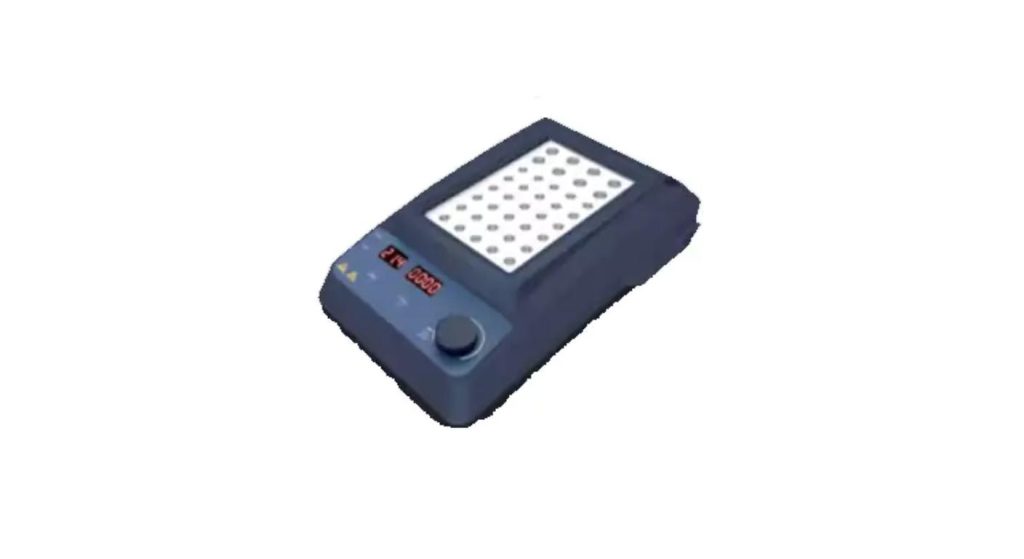
Review the temperature for the entire procedure with the temperature rating of the instrument, tube and closure. The overall temperature resistance of a material does not make it suitable for a specific heating application.
If temperature is a factor, check the temperature of conditions using the arrangement of the sample to be used as per the laboratory procedure. The temperature of a block and sample temperature should not just be assumed to be the same during a heating process.
Ensure Sample Identifiable between Stages.
Identification is maintained in a compatible workflow, too. It is important for labels to be legible as containers are transferred from preparation, to centrifugation, to incubation and/or storage, and to not obstruct the equipment fit.
Take into account the location of a label prior to approving a container. A label placed around a small tube can interfere with seating and if multiple tubes are opened at the same time, if the label is written on the cap it can be hard to follow.
Employ consistent identification method appropriate for handling conditions. Ensure racks and storage locations are in the same system, avoiding the need for staff to devise a new naming system with each transfer.
Test a Complete Workstation before Scaling Up
Test the proposed material setup with representative materials prior to ordering larger quantities. Set up the actual pipette, tips, tubes, racks, adapters, heating accessories etc., that staff will be using.
Operate a typical workflow as per approved laboratory procedures and record disruptions. Multiple moves, problematic closures, lost connectors or unusual access could indicate that a technically compatible setup is unusable in the field.
Add the individuals that will carry out the work. Their feedback can detect handling difficulties which are not mentioned in the catalogue specifications. Write down the combinations that were accepted and the restrictions in case a component is replaced later with an incompatible component!
Schedule Consumables Needs with Equipment Needs
Having equipment isn't much use when you don't have the supplies you need, on a regular basis. Estimate consumption based on finished procedures, including for controls, repeats and the usual workload fluctuations of the laboratory.
| Planning Item | Illustrative Assumption | Calculated Requirement |
| Daily sample tubes | 48 samples + 4 controls | 52 tubes |
| Pipette tips | 3 fresh tips per sample/control | 156 tips |
| Processing batches | 24 usable positions per batch | 3 batches |
Plan stock separately from stocking of instruments, while synchronizing the timing. Planned service intervals could impact order quantities and the launch of a new instrument could require extra consumables prior to predictable routine ordering.
Properly order from product references and check product substitutions before delivery. Trustlab's product catalogues can assist teams to structure enquiries on consumables and instruments and provide final configuration which can be verified with up-to-date quotes and technical data.
Conclusion
When buying Laboratory Consumables Equipment, it is best to identify a sample workflow for each purchase. Test interfaces between components, verify operating limits, evaluate whole workstation and update purchase quantities.
This yields a more clearly defined set of plans for equipment and an more reliable supply plan. Compatibility becomes a documented decision as opposed to a problem that is found post delivery.
FAQs
Q1. Laboratory consumables vs equipment: What is the difference?
Consumables are laboratory supplies, which include tips, tubes and other items that need to be replaced as they are being used. Equipment refers to items which are utilized for more than one procedure such as an centrifuge and drybath.
Q2. Is it a fact that the same volume of the tube is an equal compatibility for the rotor?
The correct combination has to be checked for dimensions, bottom shape, adapters, cap clearance and permitted operating conditions.
Q3. Can pipette tips from different brands be used in the same pipettor?
Not automatically. Verify the actual model of the pipette and evaluate the pipette fit and performance with the laboratory's established pipette checks.
Q4. Are there any polypropylene tubes that could be used in a dry bath?
No. Check the exact tube and closure specifications, block fit and tube compatibility for the proposed temperature and procedure.
Q5. What needs to be kept upon a workstation trial?
Maintain approved component references and accessory information, operating limits, and evaluation record. These offer a reference for any changes suggested and the repeat purchases.