


Updated 2 weeks ago
Disposable Medical Products: How to Select Supplies for Clinical Workflows
Arafatshuvo

Disposable Medical Products
Items in a medical catalogue which are disposable can seem alike but are actually used for different purposes. Using a collection tube containing a different additive, or a container having a different closure or containing an unexpected format can cause an otherwise familiar workflow to be interrupted.
Selection for hospital buyers and distributors, as well as for diagnostic laboratories, starts with the procedure and ends with a product specification agreed to by all parties. The goal is to buy what is needed and for it to be in the condition they need it and to be consistent when ordering the same materials over and over again.

Don't begin with the Catalogue, begin with the Procedure instead
Determine how the product will be applied and what its objectives are. Materials, dimensions, closures and packaging have different requirements for blood collection, the transport of the specimens and the handling of the samples in the laboratory.
Using a general term like ‘disposable container' is not sufficient to properly quote. The buyer must specify the specimen, the necessary capacity, the way in which it must be handled and any requirements of the receiving laboratory.
Differentiate between must and like. The right colour of cap can be a factor in local organisation; the right additive, or specified sterile presentation can make or break the product. This separation makes it easier to compare the different suppliers and minimises unwarranted replacement.
Ensure that Blood Collection Products match the Test
Collection materials should be chosen as parts of a functioning system for the collection of blood. Before an order is approved a number of factors must be considered – tube dimensions, draw volume, additive and compatibility with collection device.
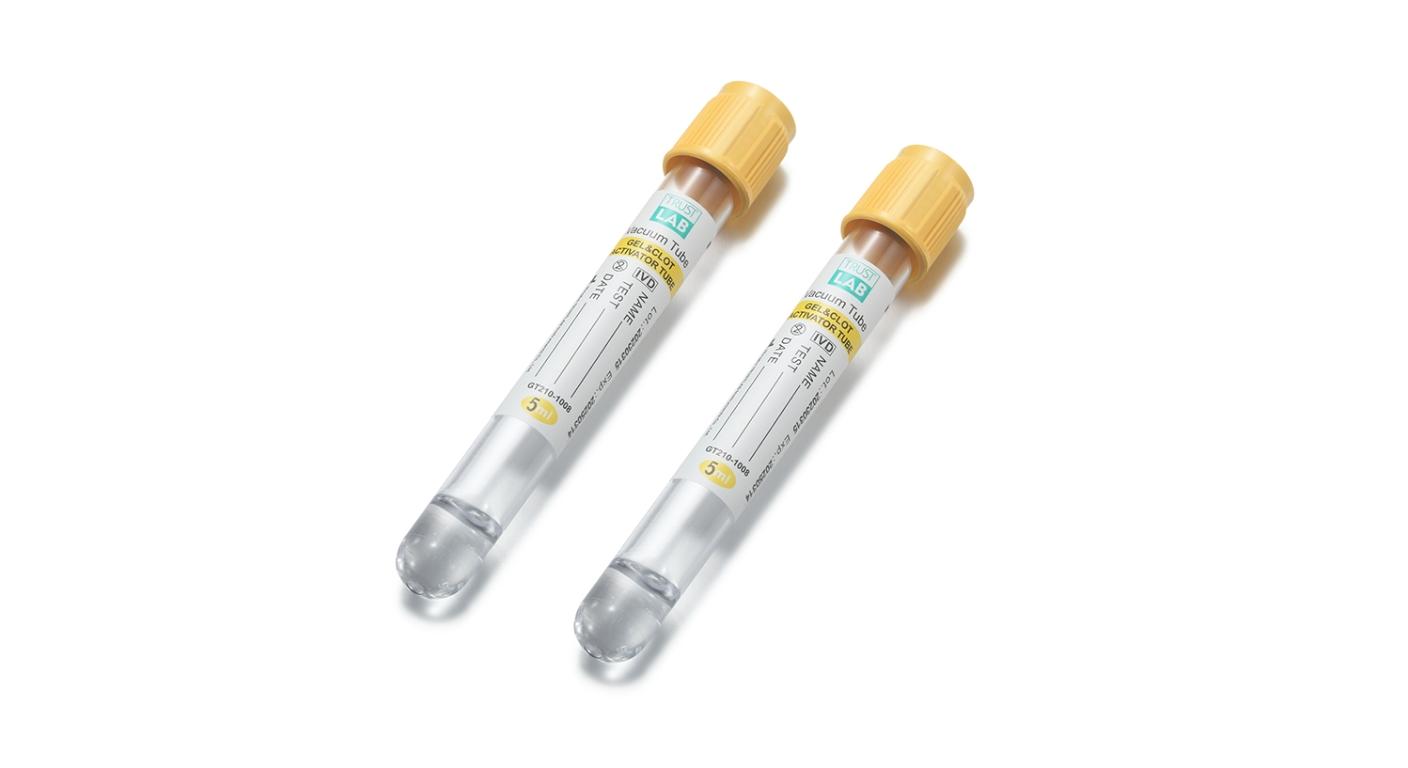
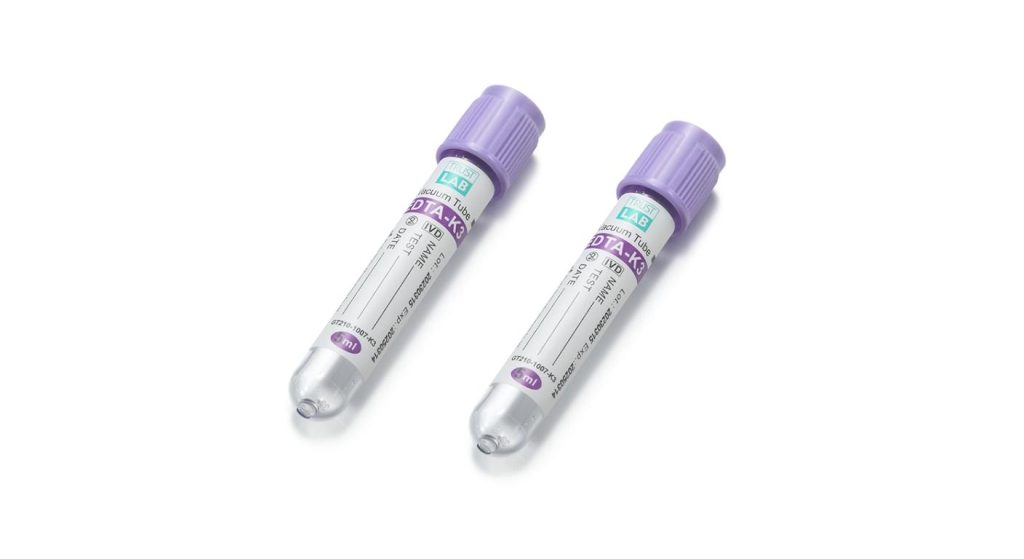
The name of a product is not enough, as is the case for the EDTA blood collection tubes from Trustlab. It also has K2EDTA and K3EDTA variants designed for use in haematology. It is important to note that not all purple-cap tubes are necessarily the same formulation and configuration and a buyer should check what is required with the laboratory before purchasing.
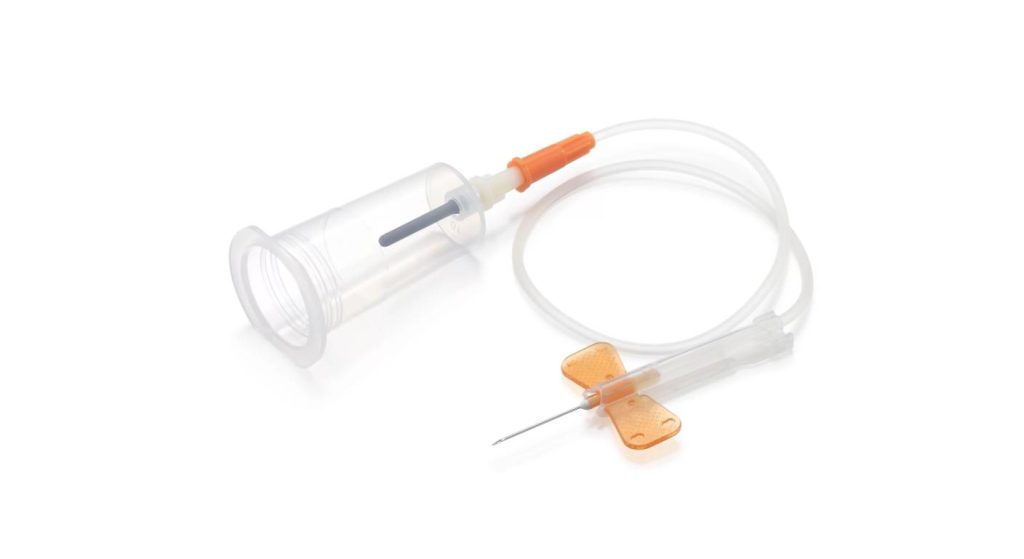
The same care should be taken with the collection device. These safety blood collection needles by Trustlab come with a safety mechanism and are available in various gauges. The detailed configurations, compatibility and staff knowledge of instructions of the device must also be taken in to consideration in purchasing decisions.
A safety feature needs to be considered in the context of the overall handling. Before introducing a different product confirm that users understand the design provided, and that the facility has an adequate disposal scheme.
Choose Specimen Containers Around Collection and Transport
The nominal capacity of specimen containers is just a starting point. How convenient it is for a sample to move from its point of collection to its arrival at the laboratory may be influenced by: Opening width, Closure design, Identification space, Ease of handling.
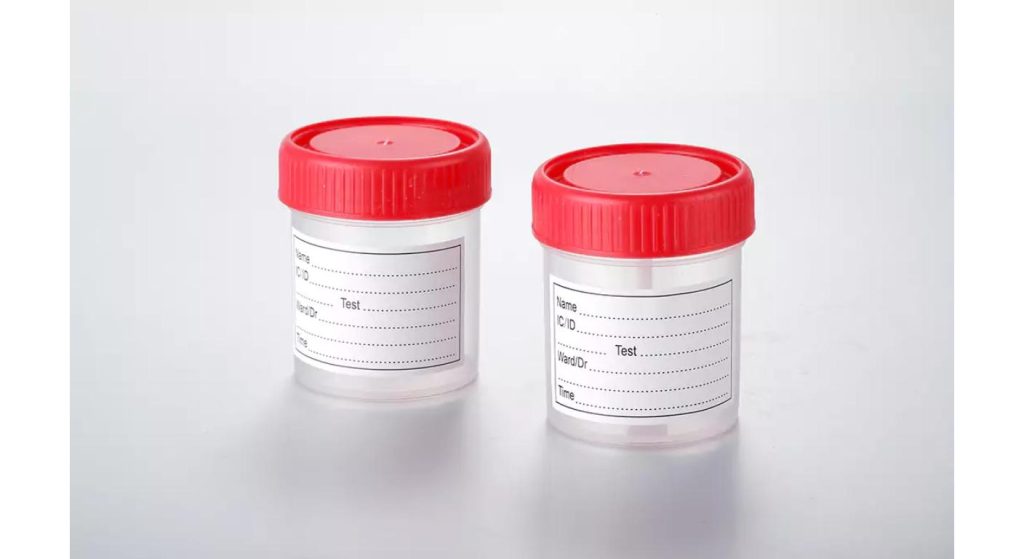
Trustlab's urine specimen containers are made from polypropylene and have screw caps and are available in various configurations. It is important to verify the model and not assume that all containers are identical in size, accessories, etc., and packaging.
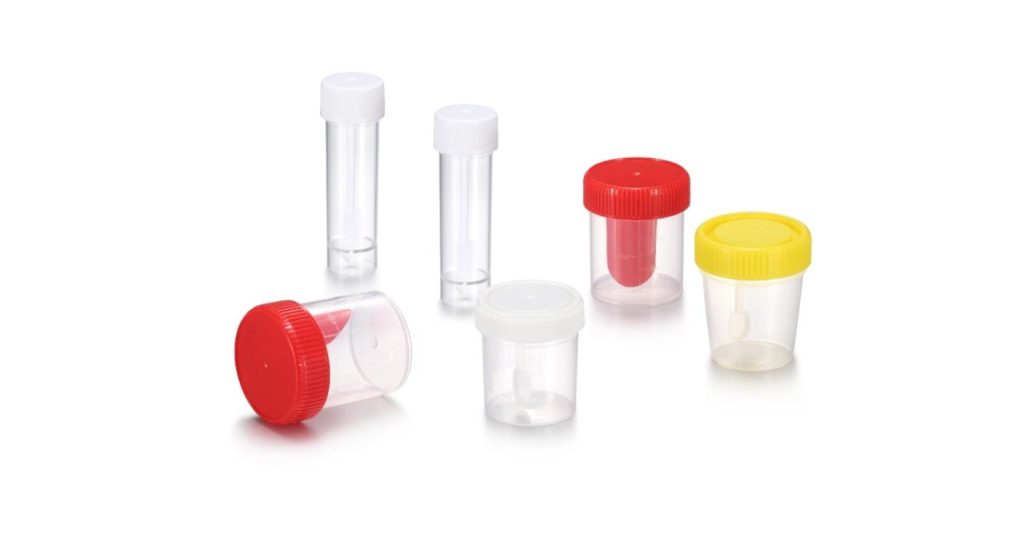
Another set of practical requirements are associated with stool collection. The company's stool specimen container line features stool specimen containers with built-in sampling spoon and various capacities. These features should be compared to the instructions that are used by the receiving laboratory for collection.
Consider the container along with the plan for transportation. The secure primary closure alone does not imply that the entire shipment will comply with all the proper transport requirements.
Verify sterility and packaging for each item.
Disposable refers to usage cycle only, and is not inferring sterility. Establish the quotation for the precise item and packaging configuration, particularly if the product family has a number of presentations.
If a sterile product is needed, check the information on the product and verify the conditions of use, shelf life and method of sterility from the manufacturer. The word sterile should not be used for an individually packed product because it is wrapped.
Packaging has an impact on how the business operates on a day to day basis. Packed product could be best for point of use distribution and bulk presentation could be best for other approved workflows. Compare the way the staff stores, opens and provides the supplies before selecting the lowest price.
Ensure that samples are evaluated prior to volume orders being approved.
A physical sample will provide information that photos can't. The buyer can evaluate how well the closure functions, how visible the graduation is, how convenient the packaging is, and if the item will fit into existing storage or equipment.
Use samples for the order configuration that is proposed. An unpacked demonstration item does not create a condition of the final packaged product and another capacity may perform differently than it does when purchased.
Establish acceptance criteria in advance of evaluating the product. Make notes of practical observations made against the above criteria, include intended users and seek technical queries from the responsible laboratory team. Keep the approved reference and product code for future deliveries to check against.
Access the Review Documentation at Product Level.
Supplier documentation should be related to the particular product and its final destination. A general company certificate or statement on a website does not constitute that each of the items will have the same regulatory status or approved application.
Ask for the latest relevant documents to be requested for the purchase and have them checked by relevant procurement and/or regulatory officers. Verify that the product names, manufacturer, model references and document scope match those of the products quoted.
Product specifications should also specify mandatory and optional features. Include identification areas in the order in writing or sterile packaging or specific materials, if necessary, and not on the basis of a picture in the catalogue.
| Approval Area | Suggested Reviewer | Approval Record |
| Intended application | Laboratory or clinical lead | Application accepted |
| Sample performance | End-user representative | Sample reference approved |
| Product documentation | Regulatory or quality team | Documents reviewed |
| Commercial terms | Procurement team | Quotation and delivery agreed |
Seeking to plan delivery around actual consumption.
Comparisons are more valid when two products are compared when the package sizes are the same. Compare same product configuration and compute the cost/usable item including appropriate freight and handling charges.
Make assumptions about the amount of demand based on the amount consumed and give time for replenishment. Having too much stock can waste storage space and put stock at risk of expiry and having too little stock can disrupt normal work flow.
Verify with the supplier: carton quantities, shipment dimensions, lead time, and shelf life (where applicable). When distributors receive products with consistent product codes and packaging descriptions, they will also find it easier to receive, manage stock and reorder for their customers.
Conclusion
When it comes to picking the appropriate disposable medical products, it is important to choose a familiar shape or even a competitive price. Start with the process, verify the actual configuration, and sample and documentation prior to ordering in larger volume.
There is a clear specification linking clinical needs to purchasing. It also provides the buyer and supplier a mutual reference for delivery checks, repeat orders and any proposed changes.
FAQs
Q1. Is everything disposable to do with medicine sterile?
No – Don't assume sterility based on the word "disposable" – check the product and packaging for correctness of sterility statement.
Q2. Are similar looking blood collection tubes interchangeable?
Just looking good isn't enough. The laboratory shall verify the type of additive, volume, dimensions and application for testing prior to approving a substitution.
Q3. Which of the following are important for a buyer to check in a specimen container sample?
Evaluation of closure, handling, identification area and fit with collection workflow. Ensure that the test sample is the same as the one being ordered.
Q4. Does supplier's company certificate suffice for procurement?
Not by itself. Examine the documents related to the particular product, use and destination needs with the appropriate staff.
Q5. What is the way forward for distributors to be consistent for repeat orders?
Maintain Approved Specification, Product Code and Reference Sample. Make any requested material, dimension or packaging changes only if they are communicated prior to shipment.