



Safe Practices for Handling Laboratory Glassware
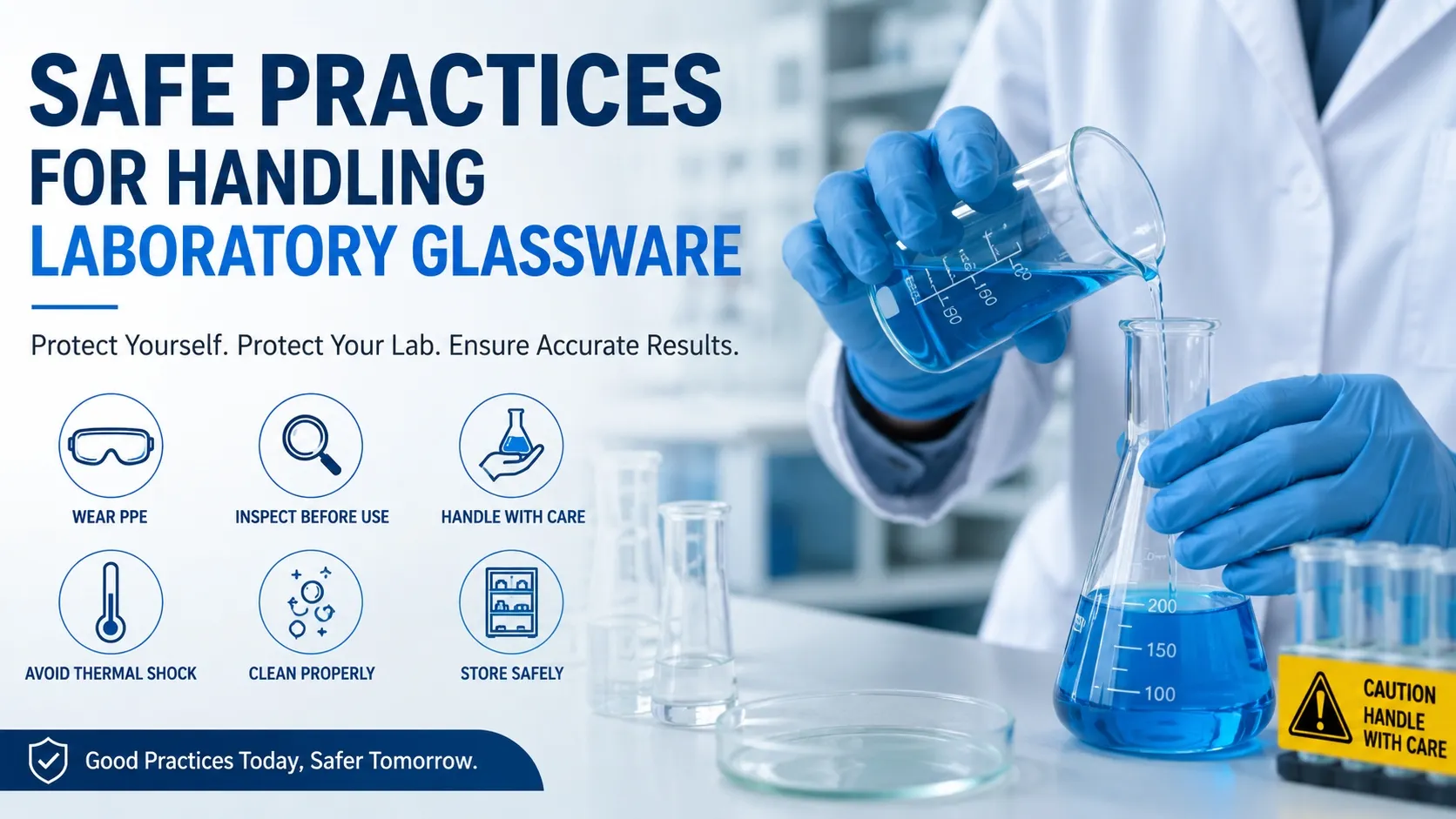
Laboratory glassware is required for scientific research, medical testing, pharmaceutical production and education laboratory. Glassware is important to everyday lab use from beakers and flasks to pipettes and test tubes. But mishandling can cause contamination, damage equipment, cause chemical exposure and result in serious injuries. Safe Laboratory Glassware Use is essential to maintaining accuracy, safety and longevity of laboratory equipment.
This guide discusses good practices for the safe use of laboratory glassware, and to enhance laboratory efficiency and adherence to the modern standard of safe practice.
Why Laboratory Glassware Safety Matters
Laboratories may contain hazardous chemicals, high or low temperatures, and fragile equipment. Safety hazards, loss of experiments and higher operating costs can result from broken or contaminated glassware. A lab will benefit from proper handling procedures by:
- Prevent cuts and injuries
- Reduce chemical contamination
- Improve experimental accuracy
- Extend glassware lifespan
- Maintain regulatory compliance
- Increase workplace efficiency
Within a research laboratory, education lab, or industrial environment, laboratory safety with regards to glassware should be a part of regular laboratory practice at all times.
Common Types of Laboratory Glassware
Knowing the function of various glassware will help to ensure the safe handling of the glassware and its use.
Beakers
Beakers are often used to measure, heat and transfer liquids. They are tough, but may crack when temperatures change quickly.
Erlenmeyer Flasks
These flasks are made to be able to swirl liquids without spilling. They are generally employed in chemistry and microbiology laboratories.
Test Tubes
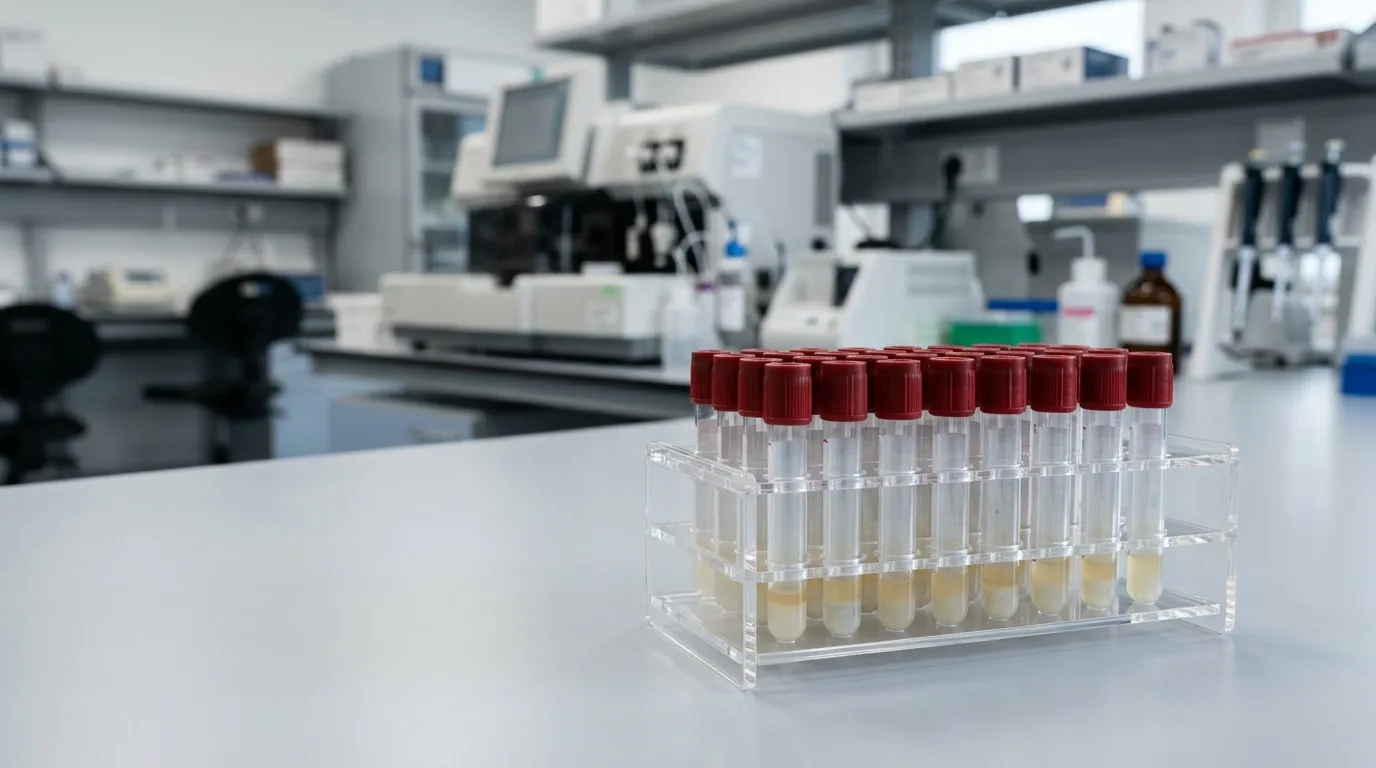
Test tubes are used for small-scale reactions and for the storage of samples. Breakage can occur if the item is heated or cooled incorrectly or if it is cooled too quickly.
Graduated Cylinders
Graduated cylinders are used to measure liquids accurately, and must be handled with care to avoid contamination by tipping over.
Pipettes and Burettes
They are precision instruments, very sensitive, and must be cleaned and stored properly to ensure accurate results.
Inspect Glassware Before Use
Checking all glassware prior to use is one of the most crucial lab safety procedures. It is possible that slight failures can lead to dangerous conditions during experiments.
Check for:
- Cracks
- Chips
- Scratches
- Cloudiness
- Weak joints
- Damaged rims
If glassware is broken, it should never be used as it may break under pressure or heat. A routine inspection process ensures that laboratories remain free of unwanted accidents and the consistent results that they need.
Use Appropriate Personal Protective Equipment
Lab glassware requires the use of personal protective equipment (PPE). PPE reduces the risk of injuries caused by broken glass, chemical splashes or thermal burns.
The laboratory PPE recommended is:
- Safety goggles
- Chemical-resistant gloves
- Lab coats
- Closed-toe shoes
- Face shields when necessary
Depending on the chemicals and temperatures used, there are various requirements for specialized protection in different laboratory procedures.
Handle Glassware Carefully During Experiments
One of the more common sources of glassware accidents in laboratories is improper handling. There are some techniques for handling that can minimize breakage.
Avoid Excessive Force
Do not insert glass tubing into rubber stoppers or connectors without lubrication. Insufficient pressure will result in no melting and the glass will crack.
Use Both Hands
Use both hands to hold large glass containers, particularly liquids or hot containers.
Keep Workspaces Organized
Occupied workstations are more likely to be accidentally hit or spilt. Keep laboratory bench clean and tidy at all times.
Avoid Sudden Temperature Changes
Little heating or cooling rates may cause thermal stress and crack laboratory glassware. Let hot glassware cool slowly before washing and moving to a cold place.
Safe Heating Practices for Laboratory Glassware
Many laboratory operations require some kind of heating. Not all glassware is heat resistant.
Use Heat-Resistant Glassware
Borosilicate glass is commonly used in laboratories because it withstands thermal expansion better than regular glass.
Inspect Before Heating
Do not heat cracked or broken glassware. Small flaws can result in breakage during heating.
Use Proper Heating Equipment
If possible, avoid direct flames. There are more controlled heating environments, such as hot plates, heating mantles, and water baths.
Never Heat Sealed Containers
Fires inside closed containers can build up pressure and may cause an explosion. When substances are heated, always ensure adequate ventilation.
Proper Cleaning Procedures
Contaminated glassware can introduce errors in an experiment and can be a hazard. Cleaning should be done following laboratory protocols depending on the substances being used.
Rinse Immediately After Use
Residues become more difficult to remove if left to dry. Prompt rinsing helps preserve glassware quality.
Use Appropriate Cleaning Solutions
Different contaminants require specific detergents or solvents. Avoid abrasive materials that may scratch the glass surface.
Deionized Water Rinse
Final rinsing with deionized or distilled water helps prevent mineral deposits and contamination.
Dry Properly
Allow glassware to air dry on laboratory drying racks or use lint-free materials to avoid contamination.
Correct Storage of Laboratory Glassware
Proper storage minimizes breakage and contamination while improving laboratory organization.
Store by Type and Size
Organized storage systems help prevent overcrowding and accidental impacts.
Use Stable Shelving
Shelves should be level, secure, and capable of supporting glassware weight safely.
Avoid Stacking Fragile Items
Stacking may create stress points and increase breakage risk.
Protect Precision Instruments
Pipettes, burettes, and volumetric flasks should be stored in protective holders or cabinets.
Safe Disposal of Broken Glassware
Broken laboratory glass should never be discarded in regular trash bins. Improper disposal can injure laboratory personnel and cleaning staff.
Use Designated Glass Disposal Containers
Laboratories should maintain puncture-resistant containers specifically for broken glass.
Do Not Pick Up Broken Glass by Hand
Use brushes, tongs, or dustpans to collect broken fragments safely.
Label Hazardous Waste Properly
Glassware contaminated with chemicals or biological materials must follow hazardous waste disposal regulations.
Preventing Chemical Contamination
Cross-contamination can compromise research quality and produce inaccurate results.
Label Glassware Clearly
Proper labeling reduces confusion and accidental mixing of chemicals.
Use Dedicated Equipment
Certain chemicals require dedicated glassware to avoid reactions or contamination.
Follow Sterilization Procedures
Microbiology and pharmaceutical laboratories often require sterilization through autoclaving or chemical treatment.
Training and Laboratory Safety Culture
Laboratory safety depends heavily on proper staff training and consistent procedures.
Conduct Regular Safety Training
Employees and students should receive ongoing instruction on glassware handling and emergency procedures.
Establish Standard Operating Procedures
Written protocols help maintain consistency across laboratory operations.
Encourage Incident Reporting
Reporting near misses and accidents helps identify risks and improve safety measures.
Choosing High-Quality Laboratory Glassware
Investing in durable, high-quality laboratory glassware improves safety and long-term cost efficiency. Laboratories should prioritize:
- Borosilicate glass construction
- Chemical resistance
- Thermal shock resistance
- Precision manufacturing
- Certified laboratory standards
Reliable glassware suppliers help laboratories maintain consistent performance and safety compliance.
Conclusion
The handling of laboratory glassware should be done safely to keep the laboratory safe and efficient. The proper inspection, cleaning, storage and disposal will minimize accidents and increase research accuracy. Adopting established laboratory safety practices can help reduce the risks to personnel and the longevity of equipment, as well as maintain quality and reliable scientific outcomes.
While laboratories are increasingly using high-tech equipment and safety procedures, they still need to follow practices to handle glassware safely and effectively. Safety considerations not only minimize operational hazards but also help ensure the quality of scientific research and compliance with regulatory standards.