


Updated 5 months ago
Specimen Collection for Observation | Methods & Laboratory Guide
sidrahafeez754
Specimen Collection for Observation
Reliable Medical Testing and the Importance of Specimen Collection for Observation
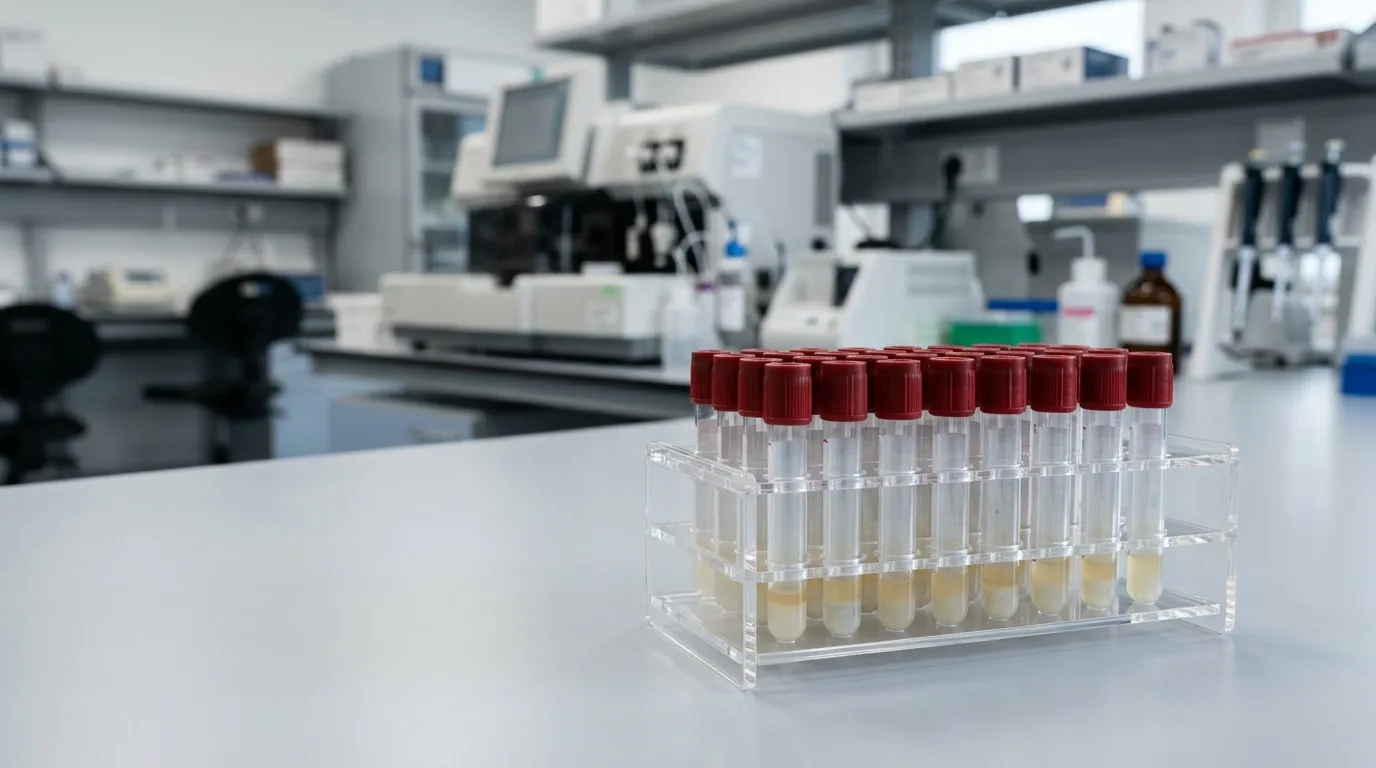
The basis of any accurate laboratory finding is specimen collection for observation. It can be biological specimen collection, clinical specimen collection, or laboratory specimen collection, but the quality of the sample determines the quality of the diagnosis.
In modern medical practice and research, any slight misstep in the process of specimen collection procedures may lead to inaccurate results. That is why there are strict protocols in the collection of biological samples in labs and aseptic collection of samples to be accurate.
In hospitals, research centers, and the whole diagnostic system, the quality of sample collection, preservation, and analysis is crucial. This is not merely a technical process, but it is also very sensitive and highly structured.
Knowledge of the Role of Specimen Collection in Diagnostics
All medical tests start with a sample. The sample must be representative of the real biological condition, be it blood, urine, tissue, or microbial culture.
Correct collection of specimens to be observed in the laboratory assures:
• Accurate laboratory diagnostics
• Good samples of microscopy observation.
• Correct biological sample analysis
• Reduced diagnostic errors
Even with highly advanced laboratory equipment, a bad sample will result in misleading results.
Types of Specimen Collection
1. Biological Specimen Collection
The collection of biological specimens entails the collection of biological materials like blood, urine, saliva, and tissues. It helps in testing samples of clinical diagnostics and helps in understanding the internal body conditions.
2. Clinical Specimen Collection
In hospitals, the collection of patient samples is of concern for clinical specimen collection. It includes screening of samples of infections and retrieval of diagnostic samples.
3. Laboratory Specimen Collection
The collection of laboratory specimens is regulated and organized. It adheres to laboratory sample collection process guidelines so as to have consistency in results.
4. Microbiological Specimen Sampling
This technique is based on microbial analysis with sterile sampling techniques to prevent contamination.
A Step-by-Step Specimen Collection
By collecting the specimen to observe in proper steps, quality results and safe handling can be attained.
Step 1: Identification and Preparation of the Patient
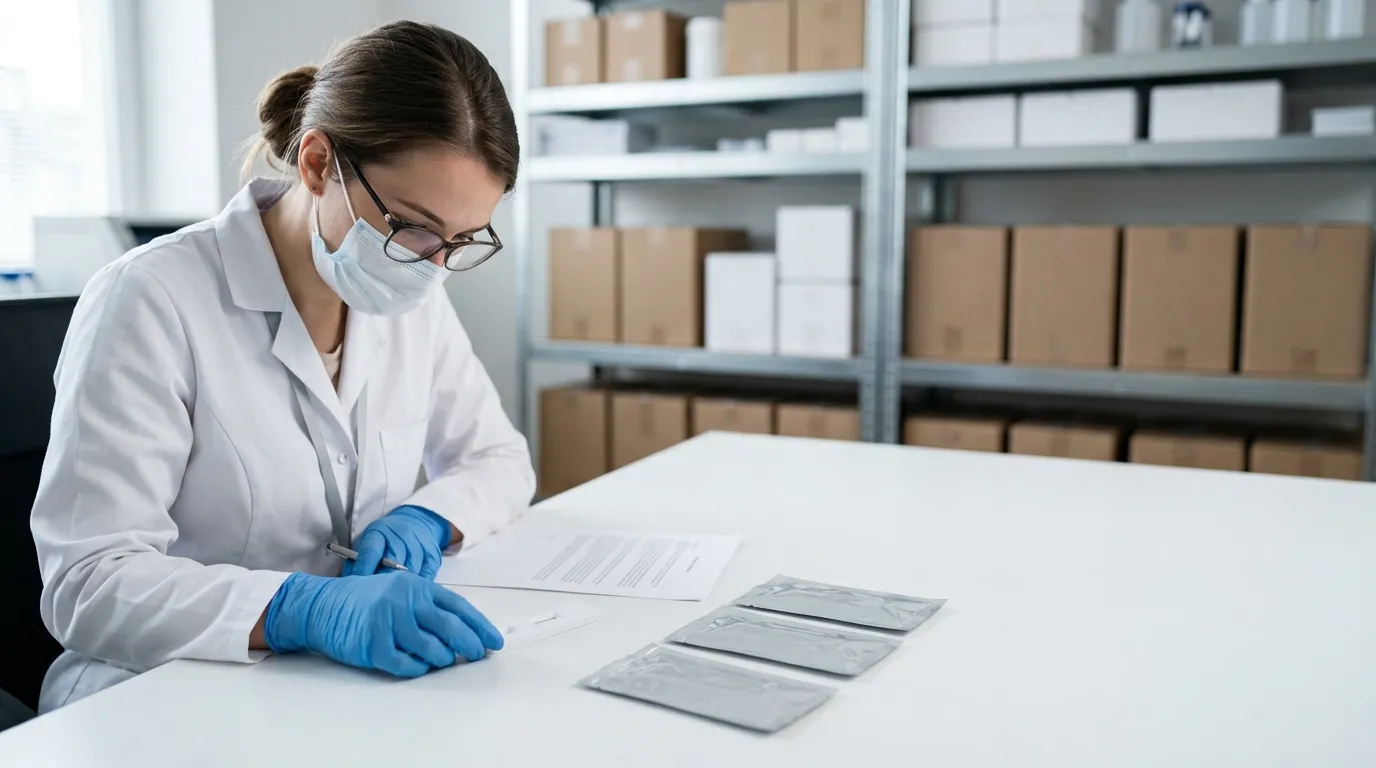
It has to be properly labeled and documented before collection. Here, the chain of custody in handling the specimen starts.
Step 2: Collection Method
The sampling of biological material is chosen depending on the requirements of the test and includes:
- Procedures of blood sample withdrawal.
- Urine sample collection
- Tissue sampling methods
Step 3: Aseptic Collection Techniques
Aseptic specimen collection procedures assure that there is no contamination of the sample.
Step 4: Sample Labeling
The workflow of laboratory diagnostics involves sample labeling and documentation, which helps to trace the work.
Step 5: Safe Transport and Storage
Preservation of specimens and cold chain specimen transportation keep the specimens stable until analysis.
Methods of Gathering Specimens in Laboratories
Modern laboratories follow the most appropriate procedures for collecting specimens to be accurate.
Aseptic and Sterile Techniques
Sterile sampling methods reduce contamination of microbes and increase reliability.
Procedure of Diagnostic Specimen Collection
This process includes:
• Controlled sample extraction
• Immediate preservation
• Transfer to laboratory systems
Methods of Collecting Pathological Specimens
Used in the histopathological preparation of specimens, especially in the diagnosis of diseases and the examination of tissues.
Handling and Preservation of Specimens
When handled correctly, biological observation procedures are accurate.
Handling and Transport of Specimens
Handling and transport of specimens are needed:
• Temperature control
• Biohazard measures in the handling of the specimens.
• Secure packaging
Specimen Storage Protocols
To maintain the stability of samples in the laboratory, samples are supposed to be maintained under controlled conditions.
Preservation of the Specimen to Be Observed
Preservation techniques inhibit degradation and assure diagnostic accuracy in testing.
Laboratory Workflow in Specimen Observation
An organized laboratory diagnostics workflow provides a smooth sample processing.
Key stages include:
• Collection and labeling
• Transport to the laboratory
• Laboratory sample preparation
• Microscopic examination of the sample analysis
• Final reporting
All stages are vital in ensuring the quality of diagnostics.
Microscopy and Biological Observation Techniques
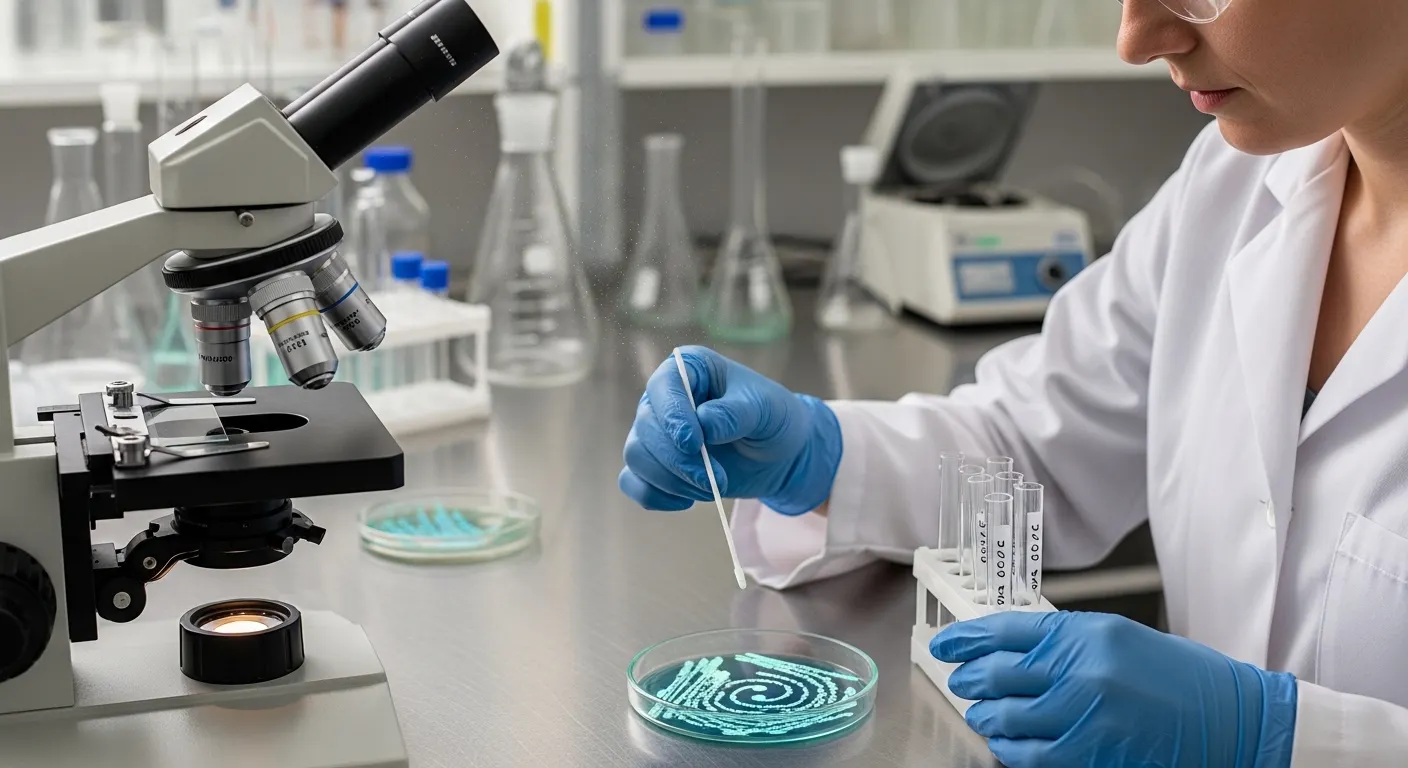
These samples are set up as diagnostic microscopy samples to examine the observation of cellular structure.
Laboratory Observation Techniques
Laboratories use the analysis of the biological observation processes with the help of advanced imaging tools to define abnormalities.
Specimen Analysis Workflow
The specimen analysis workflow is a combination of chemical, biological, and microscopic methods of diagnosing in detail.
Clinical and Medical Uses of Specimen Collection
Patient Sample Collection Procedures
Hospitals have stringent measures that are taken to guarantee safe and proper collection.
Blood and Urine Analysis.
The medical specimen testing procedures involve a blood sample withdrawal procedure and urine testing.
Histopathological Studies
The preparation of histopathological specimens is critical in detecting diseases and diagnosing cancers.
Laboratory Methods: High-Technology in the Processing of Specimens
The contemporary diagnostics are based on the biospecimen processing techniques that incorporate automation and precision instruments.
Key advancements include:
- Automated sample tracking
- Digital labeling systems
- High-precision diagnostic instruments
- Molecular testing integration
The innovations make the process of collecting samples in the laboratory more precise and reduce human error.
Best Practices in Safe Specimen Collection
Laboratories are guided by strict guidelines to guarantee safe and correct results:
- Use sterile sampling methods
- Chain of custody in specimen handling.
- Follow the infection control measures.
- Properly preserve the specimens.
- Train staff regularly
Importance of Quality Equipment in Specimen Collection
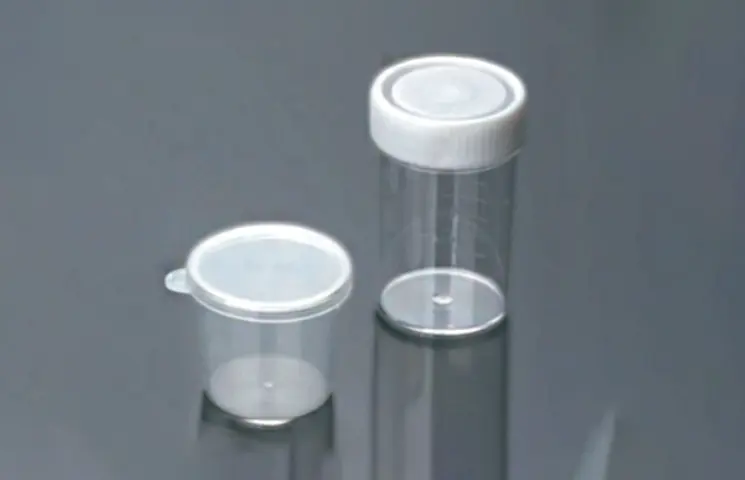
Accuracy is improved by good-quality collection tools. Products that ensure that biological samples are acquired are urine containers, sterile tubes, and transport kits.
An example is the standardized samples, such as a urine specimen cup, which is essential in screening samples of infections and diagnostic procedures.
Conclusion
Specimen Collection for Observation is not a lab procedure, but the basis of medical accuracy. From the collection of biological specimens to the sophisticated diagnostic specimen retrieval, each step counts.
When proper techniques, sterile procedures, and formal workflows are followed, laboratories are able to provide credible results that can be used in life-saving decisions. TrustLab helps in this process by providing diagnostic tools of high quality that are precise and safe.
Find the quality lab solutions in TrustLab China and improve your diagnostic accuracy today. Enhance your laboratory quality with the TrustLab credible collection products and make sure that each specimen is the real biological narrative.