


Updated 1 week ago
Volumetric Liquid Handling: Match Laboratory Tools to Your Volume Requirements
Arafatshuvo

Volumetric Liquid Handling
Transferring measured aliquot and making solution to a final volume are distinct operations. Both include volume in the liquid, but if the same instrument is used for each step, there is the potential for extra uncertainty.
The use of Volumetric Liquid Handling is best suited when the instrument fits the application, the liquid itself and the tolerance. The real question for laboratory technicians and method development teams is not just the quantity a tool holds, but the meaning of the measurement and how the quantity is contained and/or delivered by the tool.
Determine if Transfer or Contain is necessary
The first step is to determine the measurement goal. An aliquot has to be transferred to another container, while a standard solution is usually made up to a fixed volume in a calibrated flask.
The different calibration conventions are for these tasks. Glassware can be marked for containing or delivering and instructions to drain or wait may be given. Look at the actual markings and documentation – don't assume that all graduated items act in the same way.
A beaker or sample tube can be helpful to keep a liquid in place, but can not be used for the necessary quantitative measurement. Select the tool based on the method's acceptable uncertainty, NOT the presence of a scale.
Match the Working volume of the Instrument
When making microlitre transfers use a pipette whose range contains the volume to be transferred. Then compare with its performance at that size as maximum size alone is not an indicator of suitability for a smaller aliquot.
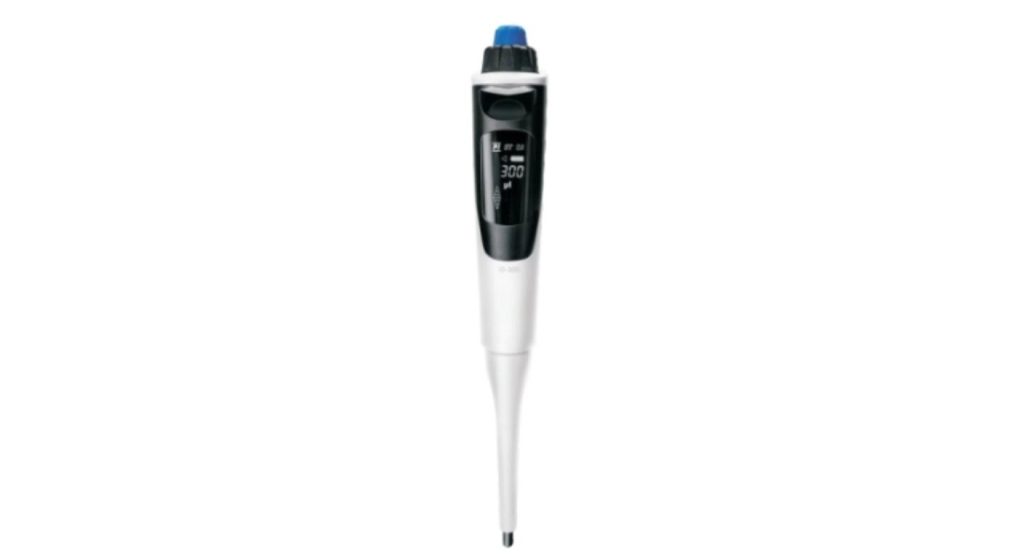
The multi functional electronic pipettes of Trustlab are available in various volume settings and dispense/aspirate speed settings. While repetitive work can be handled with electronic operation, it does not eliminate the need for model and setting selection.
| Trustlab Model | Published Volume Range |
| TL211-E1011 | 0.5–10 µL |
| TL211-E1012 | 5–50 µL |
| TL211-E1013 | 50–300 µL |
| TL211-E1014 | 100–1000 µL |
Do not exceed the range listed nor use a pipette that is larger than is required just because it is available.
Comparatively test pipettes along with their tips.
The pipette and the tip are a measuring device. Even a good functioning instrument may be influenced by a poor seal, inconsistent seating and the geometry of the tip that is being used for the aspiration and delivery.
The Gilson pipette tips that Trustlab offers are both polypropylene and come in several different capacities. Test the fit of the actual model pipette and evaluate the fit and combination using the laboratory's performance checks before approving for routine use.
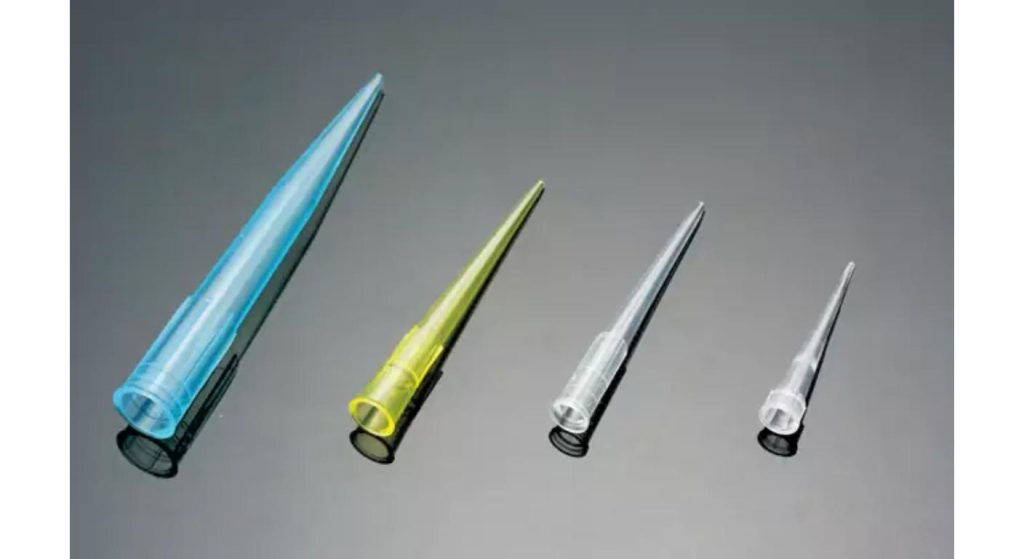
Requirements also may influence tip selection, such as contamination, and sample behaviour. Don't take for granted the filtering, sterile presentation or special surface treatment of a standard tip. Explicitly state any necessary feature, and check the provided configuration.
Handle fresh tips as needed by the procedure, ensuring that you do not touch the sample-contact area. Operators are able to use the selected system for a variety of attachments and ejections due to consistent attachment and ejection.
Select Transfer Tools – Millilitre Deliberately
In larger measured transfers, serological pipettes provide an alternate method of handling. The range of serological pipettes offered by Trustlab features several millilitre capacities, a range of graduations and controller compatibility are detailed on the product page with respect to each product.
Choose a capacity and graduation interval suitable to the aliquot desired and use a suitable controller. Use and follow the pipette's marking and instructions for blow out and drainage; don't assume that the same blow out and drainage technique will be used for every design.
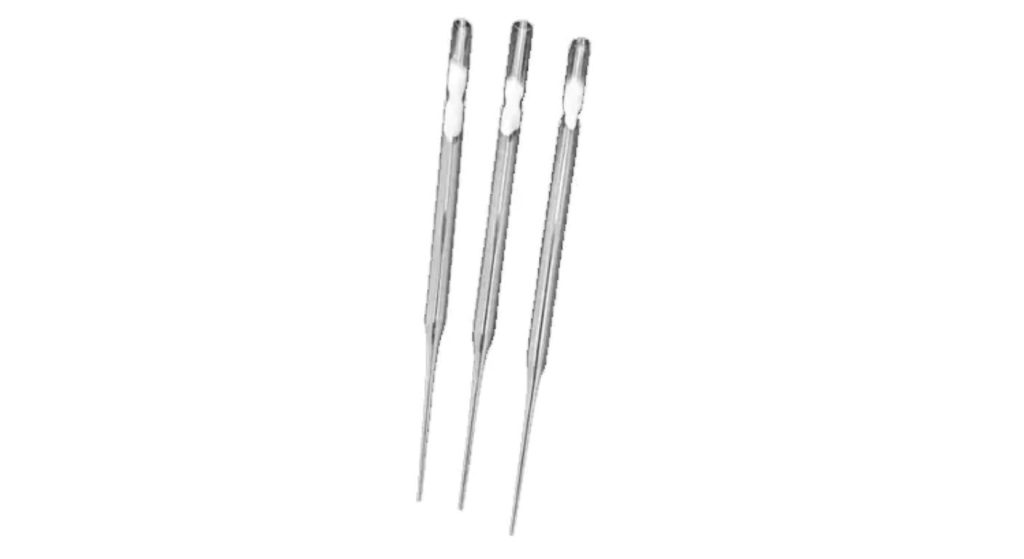
Another use for the glass Pasteur pipette is a "dropwise" or controlled addition where a specific volume is not needed. Despite the fact that both have a narrow outlet, they should not be used in lieu of a quantitative pipette.
Make up Final Volumes in Appropriate Glassware
Use volumetric flask to prepare a solution to a desired final volume. The volumetric flask range from Trustlab includes borosilicate glass construction and stoppered formats which are for solution preparation.
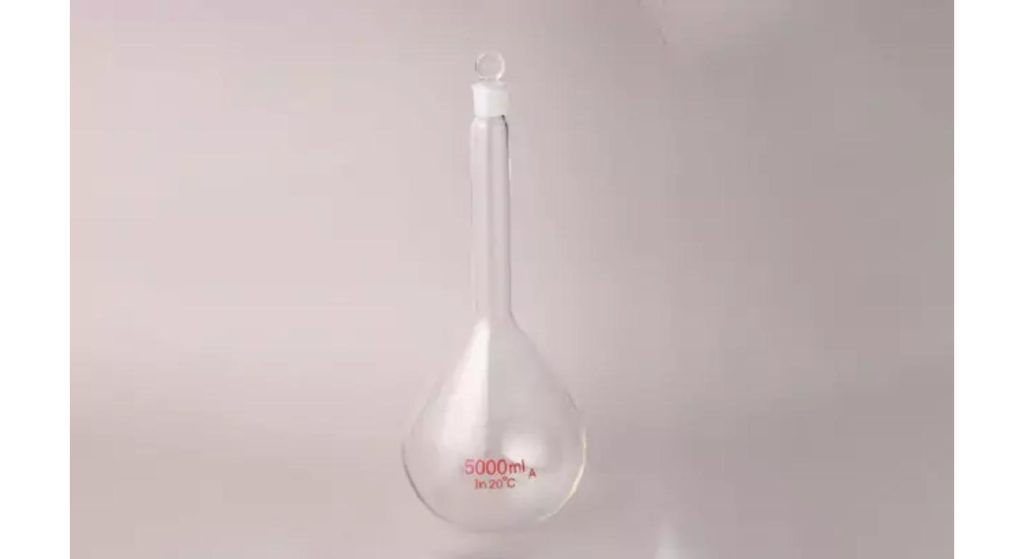
Use the analytical technique for dissolving the material, quantitative transfer and making up to the mark. The addition of a measured volume of solvent is NOT, in general, the same as making the same volume of the solution.
Wait until the solution is at the correct temperature before making the final adjustment and mix well as directed. Heat resistance is not the same as a flask which is graduated for accurate measurement when heating.
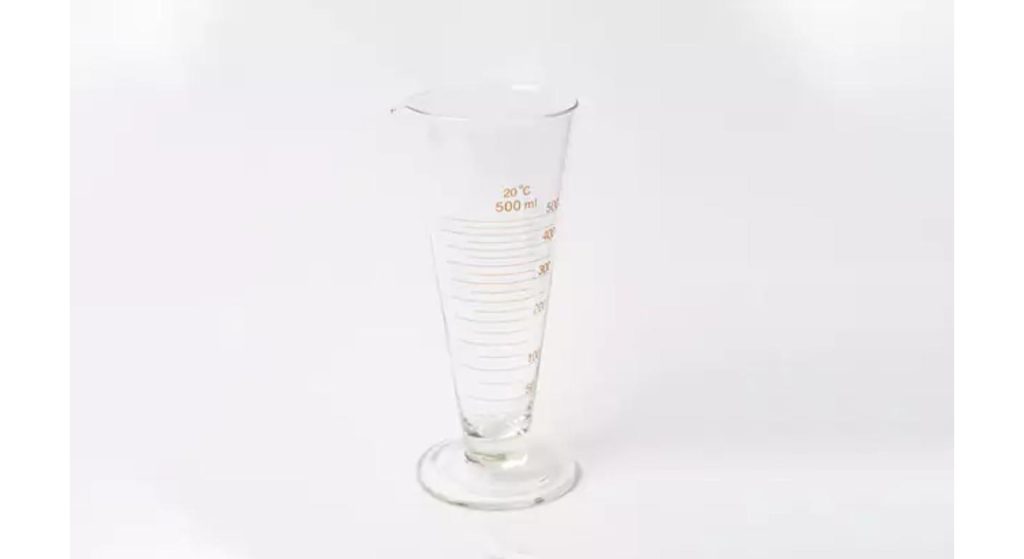
Another way to measure volume is with trustlab's glass graduated cylinders where the stated tolerance will meet the requirement. They are not necessarily used as replacements for volumetric flasks in procedures where there is a precise volume at the end of the process.
Make the necessary adjustments to the Method to the Liquid.
Not all samples are water-like liquids. The aspiration, drainage, evaporation, and amount retained on wetted surfaces may vary due to differences in viscosity, volatility, foaming, and temperature.
Apply techniques recommended on a liquid and instrument. This could be more slowly aspiration, appropriate pauses or an alternative permitted method of pipetting. If the liquid is very challenging, a different principle might be needed as opposed to re-applications of the technique.
In some applications pre-wetting might be required, but it should not be automatically done for all liquids. Check the compatibility of any chemicals with the tip, pipette parts, controller and receiving vessel before working with unfamiliar chemicals.
Test performance of the Volume shown on the display.
A digital setting/graduation does not mean the actual delivered volume. Differentiate accuracy (which is the agreement with the target) and precision (which is the agreement with repeated measurements).
A system may yield near identical results, but consistently biased. However, a high average with low variation can mask a high variation. Assess both parts against laboratory's acceptance criteria.
Under controlled conditions, gravimetric checks can be used to determine the delivery of pipettes by using the proper mass/volume relationships. Carry out a suitable balance and procedure, taking care of the temperature, evaporation and uncertainty of measurements. Use, risk, and applicable requirements should be considered in planning both the formal calibration and routine verification.
To record a Repeatable Operating Method:
Record the model of the instrument, tip reference, working volume, type of liquid and pertinent technique settings. Maintain the capacity, calibration convention and supporting specification of glassware, where applicable.
Always review the method if the tip supplier, liquid formulation, operator technique or instrument configuration is changed. Performance may vary significantly with slight changes in this factor and records should specify the actual system used and not just its nominal capacity.
Conclusion
Volumetric Liquid Handling starts with a good understanding of the difference between preparing a final volume and transferring an aliquot. Select the appropriate tools and consumables for the job, consider the characteristics of liquids and ensure that they work under the conditions.
A repeatable method is a method which links the selection of instruments to everyday technique. This link assists laboratories to get reliable volumes, regardless of display setting or graduation mark.
FAQs
Q1. Does a volumetric flask need to be used to deliver multiple aliquots?
It is primarily used to store a predetermined volume. For quantitative aliquots use an appropriate calibrated transfer tool.
Q2. Is it possible to substitute Pasteur pipettes for calibrated pipettes?
Not suitable for quantitative volume measurement unless suitable calibration evidence is available. They can be used for controlled transfer and dropwise addition.
Q3. Will an electronic pipette take away technique related errors?
However, fit of the tip, settings, and properties and handling of the liquid still impact performance and must be evaluated.
Q4. What's the difference between accuracy and precision?
No, precision has to do with the repetition of measurements and accuracy has to do with the target.
Q5. When is it due to retest a liquid-handling method?
Re-evaluate after appropriate modifications in instruments, tips, liquids and technique. Also comply with laboratory's verification and calibration programme.